







Eat up farming stories with agricultural books
Please explore the Feeding Minds Press website and the foundation’s database full of fun reads, and share them with teachers and homeschoolers you know.
Read MoreYesterday, the warm scents of apples, cinnamon and nutmeg were wafting from my kitchen. While the temperatures outside may not yet feel like fall, Transparent apples are ready, and that means it’s time to can apple pie filling.
If you’ve read my column for a while, I’ve written about this beautiful, giant Transparent apple tree that gives a lovely batch of apples every other year. It’s an old tree with its share of battle scars and storm damage that has fed countless deer, bunnies and anything lucky enough to snag a ripe apple. These apples are unlike any other apple; they aren’t a great apple to grab off the tree and eat. They are rather mushy and have a sweet, tart taste, but when you peel them and cook them, something magic happens. These apples transform into the sweetest, luscious, and softest apples — perfect for pies and apple crisps.
So, back to yesterday and the scents of a perfect fall day emanating from my kitchen. Was I baking a pie? Did I make an apple crisp? Nope, although both of those did cross my mind. Instead, I made and canned apple pie filling. Yes, I canned apple pie filling in my Mason jars with a large water bath waiting downstairs to make sure that everything was properly sealed and would be safe when I decided to make a delicious pie, when the cold December winds are whipping. I learned to can from my mother and my grandmother. I don’t remember my grandmother actively doing a lot of canning when I was young, but I do remember helping my mom can things in the summer, especially tomato sauce. I love our homemade tomato sauce, and it’s really simple. My mom always took tomatoes in the late summer, ground them, and then would cook the juice for hours until it was thick and dark red. Then she and I would can this sauce and store it in the basement. When it was time to make chili, stuffed cabbage or spaghetti sauce, we would go to the basement, grab a jar and be ready to cook. Listening to the satisfying pop of a well sealed jar and then the scent of those sun-ripened, homegrown tomatoes made that food so much more delicious.
In the summer, with fruit that we would find, my mom taught me to can. We started with jams and jellies and then eventually she let me move on to the tomatoes and pie filling. We also do beets and pears and through the years have learned our favorite things to can. But what happens if you really want to learn to can and preserve, but aren’t lucky enough to have someone who knows how to teach it? Ohio Farm Bureau has paired with the Ohio State University Extension Agency to offer classes and step-by-step instructions on how to safely learn to can and preserve. OSU Extension Agency offers this information which allows people to view webinars and reach out to people who can test a home canner’s equipment. Farm Bureau had a series on Home Canning and Food Safety as well as countless safe recipes. I urge you to check out these resources and learn the amazing art of preserving the amazing produce of summer.
However, before I end this article, I do want to issue a word of warning. While social media has countless recipes and trends for preserving food, I caution beginning food preservers on using these recipes until you are more familiar with the science that goes into canning and preserving. Clostridium botulinum bacteria can be present in home canned food. This bacteria produces botulism which has no smell or taste and can be found in low-acid foods that are improperly canned. Botulism is a toxin that affects the nervous system and can lead to paralysis, slurred speech, drooping eyelids, and even death. Since this is food that you are canning and leaving at room temperature for long periods of time, make sure to use reliable recipes like those provided by Extension offices, Farm Bureau, National Center for Home Food Preservation, or Ball Canning.
I hope that this summer you’ll try a new hobby like canning. Things like apple sauce, pickles, jams and jellies, as well as salsa are a fairly easy way to get started. And there is absolutely nothing better than opening a jar of summer fresh fruit or vegetables in the middle of those cold Ohio winters. Just make sure to follow a safe and reliable recipe and you’ll enjoy the fruits of your labor for months to come.
Submitted by Christen Clemson, a member of the Trumbull County Farm Bureau and who completed her Ph.D. at Pennsylvania State University. She and her family farm in Mecca Township.
OFBF Mission: Working together for Ohio farmer to advance agriculture and strengthen our communities.


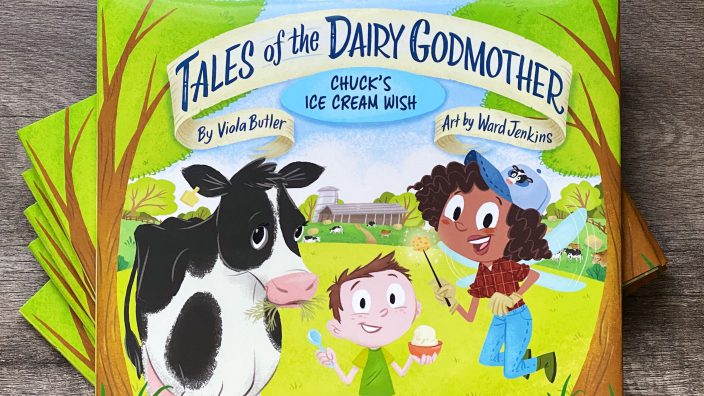
Please explore the Feeding Minds Press website and the foundation’s database full of fun reads, and share them with teachers and homeschoolers you know.
Read More

If you care about the future of agriculture, the most important thing you can do is be part of the conversation.
Read More
No matter how busy we are with the endless to-do lists, errands and busy schedules, I think that this time of year is a great time to take the chance to reset ourselves.
Read More
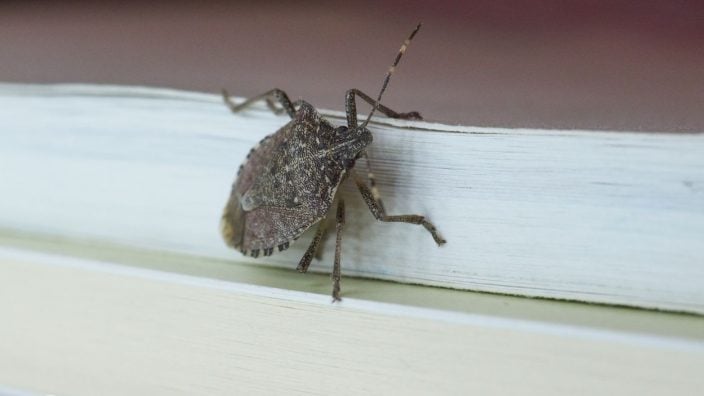
Stink bugs also known as the Brown Marmorated Stink Bug (BMSB in the entomology world) are one of the earliest signs of spring to me here in Ohio.
Read More

Through all of life’s changes, Trumbull County has become not just a place we work, but the place we call home.
Read More
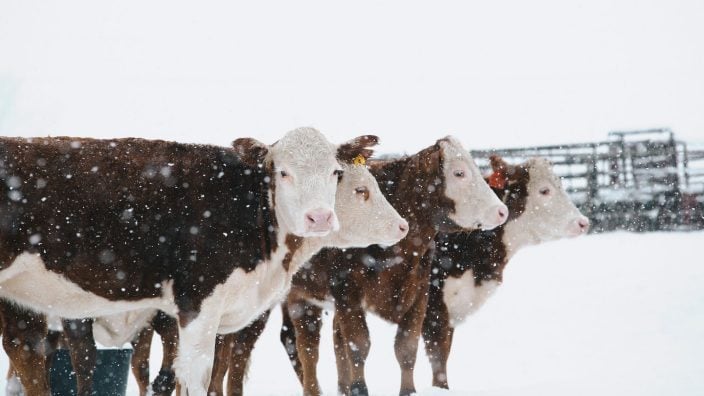
Most livestock animals are well adapted to cold weather, but farmers take extra measures when extreme temperatures come.
Read More

We often talk about the moments that shape us — big decisions, career paths and life milestones. But more often than not, it’s not the moments that define us. It’s the people.
Read More

The purpose of this $1,500 grant is to help offset farm operation costs. This can include but is not limited to: fuel costs, fertilizer costs, equipment costs, land rent, etc.
Read More

I’m going to give you a list of things that you can do that will get you outside and actually enjoy the snow.
Read More

As kids, we are often told to try new things, whether it be a new food, a new activity or…
Read More