


Take a close look before transferring well ownership
Conferring with a knowledgeable attorney is beneficial and important to ensure you understand your rights and obligations that may result from this type of transaction.
Read MoreTransferring ownership of an exempt domestic well can be a tempting, but tricky, proposition that is experiencing an uptick in portions of the state.
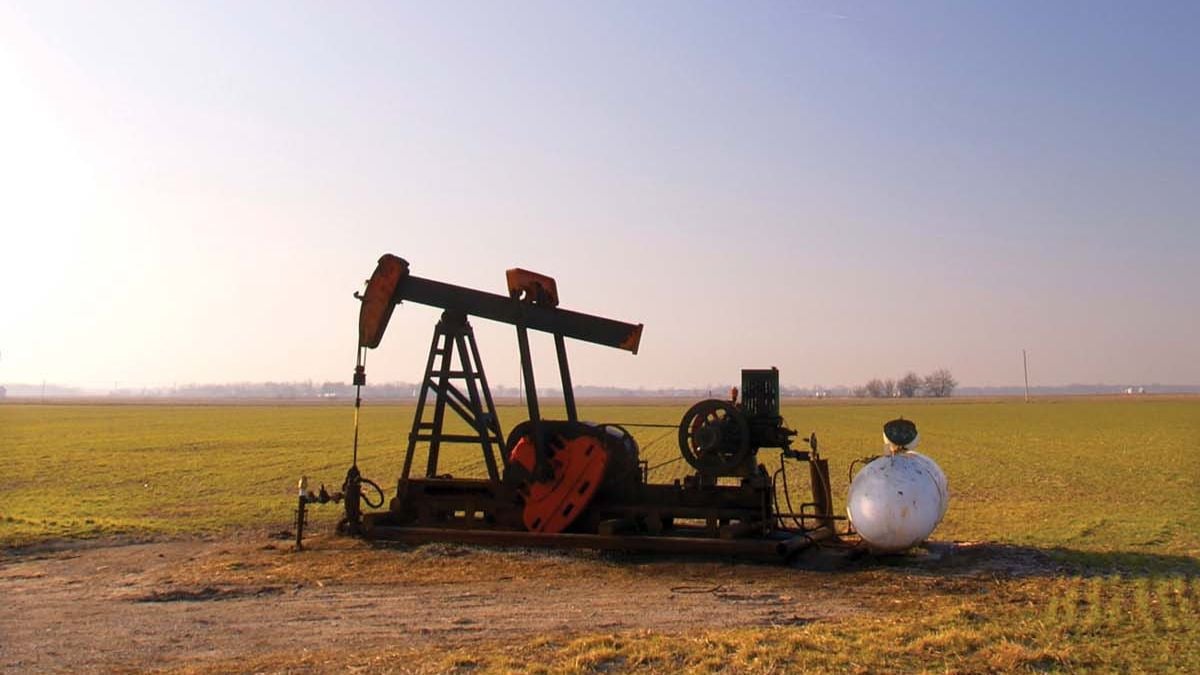
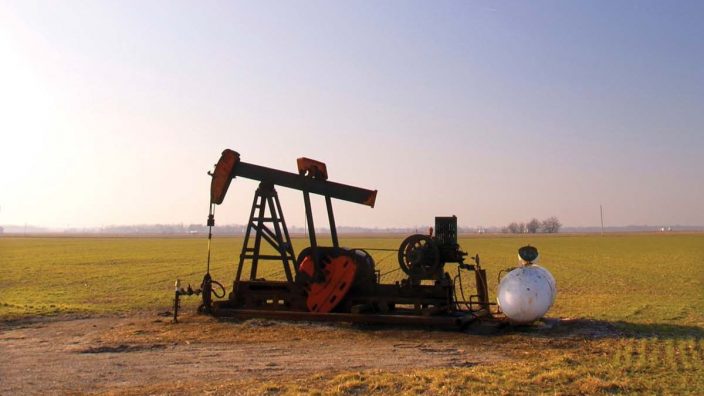
Landowners having aged and/or underperforming oil and gas wells on their property are often approached by a leaseholder to see if they would be interested in purchasing the well, often to preserve “free gas” provisions for the home, or returning mineral rights retained in a lease to the landowner.
Landowners who take ownership of oil and gas wells on their property could have an opportunity to access low-cost energy supplies, but exempt domestic well owners need to have the resources to deal with new financial, risk management and regulatory responsibilities as well.
According to Ohio Farm Bureau Director of Energy Policy Dale Arnold, exempt domestic wells have been bought by farmers over the past several decades, particularly by animal husbandry, greenhouse and crop conditioning operations.
Expansion of shale oil and gas production, as well as new activity in well decommissioning and removal efforts are generating an uptick in exempt domestic well offers. Arnold has been working with Farm Bureau members in eastern and north central Ohio as more of them are asking if purchase offers for wells on their property makes financial sense.
While many landowners see exempt domestic well provisions as a way to ensure that infrastructure works on their property and/or getting mineral rights fully returned to their control, there are several other legal options available. Conferring with a knowledgeable attorney is beneficial and important to ensure you understand your rights and obligations that may result from this type of transaction.


Conferring with a knowledgeable attorney is beneficial and important to ensure you understand your rights and obligations that may result from this type of transaction.
Read More
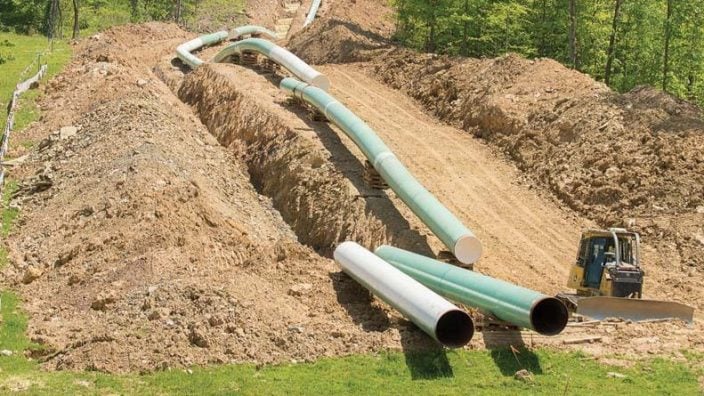
Farm Bureau members are witnessing a third and final year of regulatory agency ordered observation, repair and remediation along several…
Read More
On this episode of Our Ohio Weekly: As usual with the annual Ohio Farm Bureau County Presidents’ Trip to Washington…
Read More
Oil and gas production is still a big business for Ohio. In fact, the state realized an increase in production…
Read More
When does an oil and gas lease expire due to lack of production, and how long do landowners have if…
Read MoreA bill pending in the Ohio House seeks to clear up confusion over whether landowners own the mineral rights to…
Read More

Scattered throughout Ohio is an environmental health hazard that at times is hiding in plain sight. Sometimes the only sign…
Read More
Members can contact their county Farm Bureau or Ohio Farm Bureau with any questions or concerns regarding landowner rights.
Read More

Ohio Farm Bureau staff continues to stay involved in legal issues that affect Farm Bureau members, especially as it involves…
Read More

Carroll County Farm Bureau members wanted answers and asked for them during a meeting with their state representatives in March….
Read More