


Applications for Ohio Farm Bureau Health Plans now available
Members have three ways to apply: contacting a certified agent, calling 833-468-4280 or visiting ohiofarmbureauhealthplans.org.
Read More“Cows are the cause of global warming.”
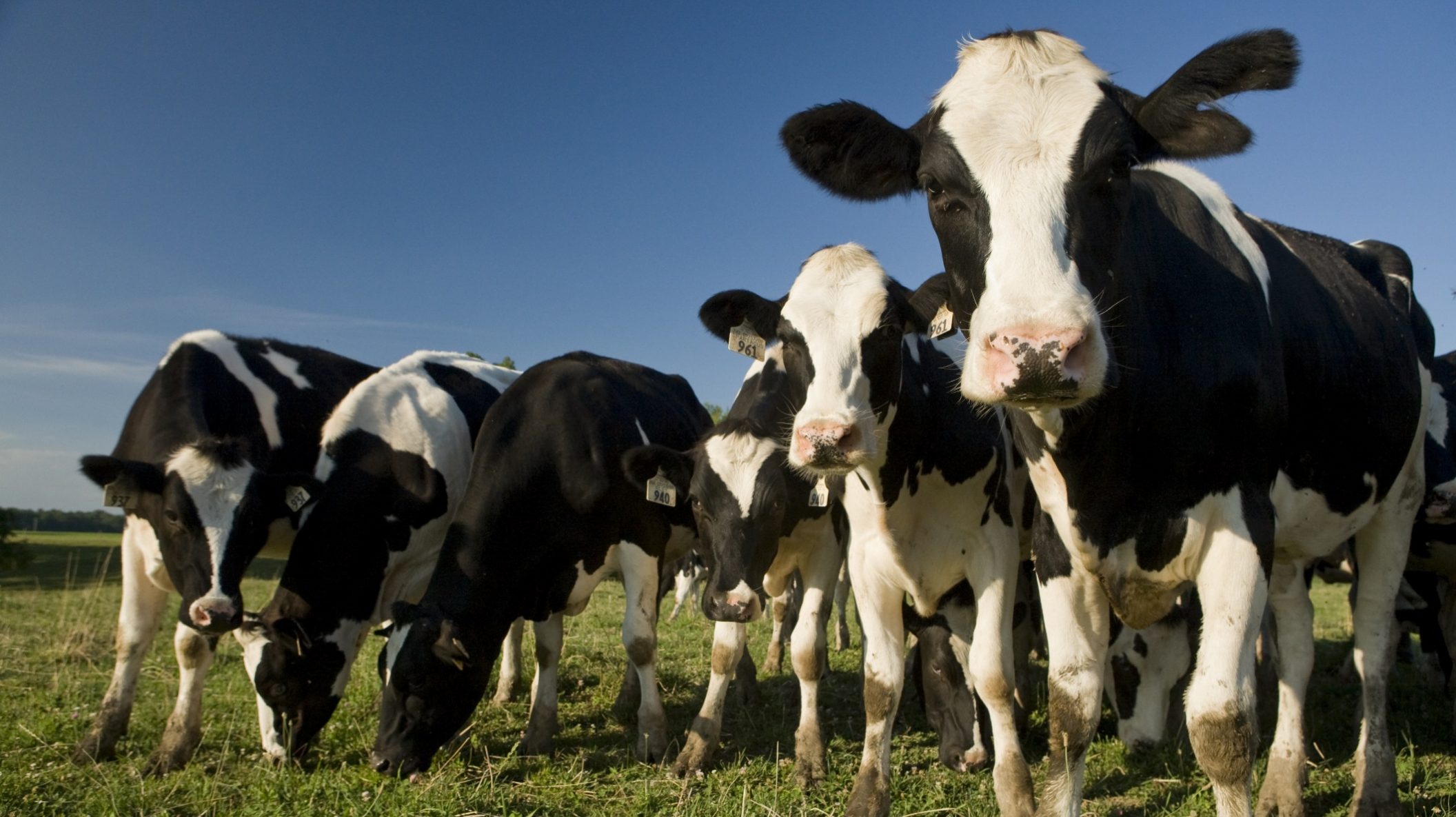
Yes, this is a topic that keeps popping up. Cattle — dairy and beef — have a specialized digestive system with four stomachs that allows them to utilize a diet primarily composed of plant material. As a ruminant, they regurgitate and re-chew their food.
Cattle are able to produce large amounts of needed protein and energy for their bodies to produce milk or meat. And if you have ever spent any time around cows, you know that with this efficient digestive system comes methane production … aka burps, flatulence and manure.
There are almost 97 million cattle in the U.S., and worldwide, about 1.5 billion. Statistically, they release between 70 kilograms to 120 kilograms of methane per year. This is equivalent to 2,300 kilograms of carbon dioxide emissions each year.
That does seem like a lot when there is pressure to keep greenhouse emissions as low as possible. The first question that came to my mind is what percentage of the total greenhouse emissions is from cows?
Let’s look at the statistics in the U.S. The sources I found stated that 8% to 9% of the U.S. greenhouse gas emissions come from agriculture. Half of that is from all farm animals.
Energy is the biggest contributor at 84% and includes electric power, transportation, industrial, residential and commercial. Industrial process and waste each amounted to 4% of total emissions.
Energy is important to everyone. We are so reliant on it that we don’t think about it until it is not available. Transportation is in this category and is responsible for the biggest portion of emissions at 29%. Planes, trains, trucks and cars — without them, our country would come to a screeching halt. All the products and goods we buy wouldn’t get to stores and we wouldn’t be able to get to the stores to buy them.
So there is an allowance because we need transportation and the environmental cost is just a necessary part of doing business.
U.S. agriculture is equally important. At 8% total or less than 4% if you are considering just cows, agriculture is doing great. A very small percentage of the population provides the country with a reliable, healthy food supply.
So why does it seem like there is no allowance for agriculture. That farmers should feed us and have zero greenhouse emissions? Feeding you should qualify agriculture for an allowance.
What is your contribution to greenhouse emissions? You can go online and estimate your contribution using a carbon footprint calculator. I don’t know how accurate they are, but it will help you gain awareness.
This calculator takes into consideration lots of the things you do, where you live and even what you eat. Then computes what your impact is on the environment. You might be surprised by what your last vacation cost you.
I wish there was a carbon footprint calculator for agriculture. It would take into account the methane from animal agriculture, equipment usage, fertilizer and chemical usage. It would also take into account a lot of positive things that are being done to offset the negative:
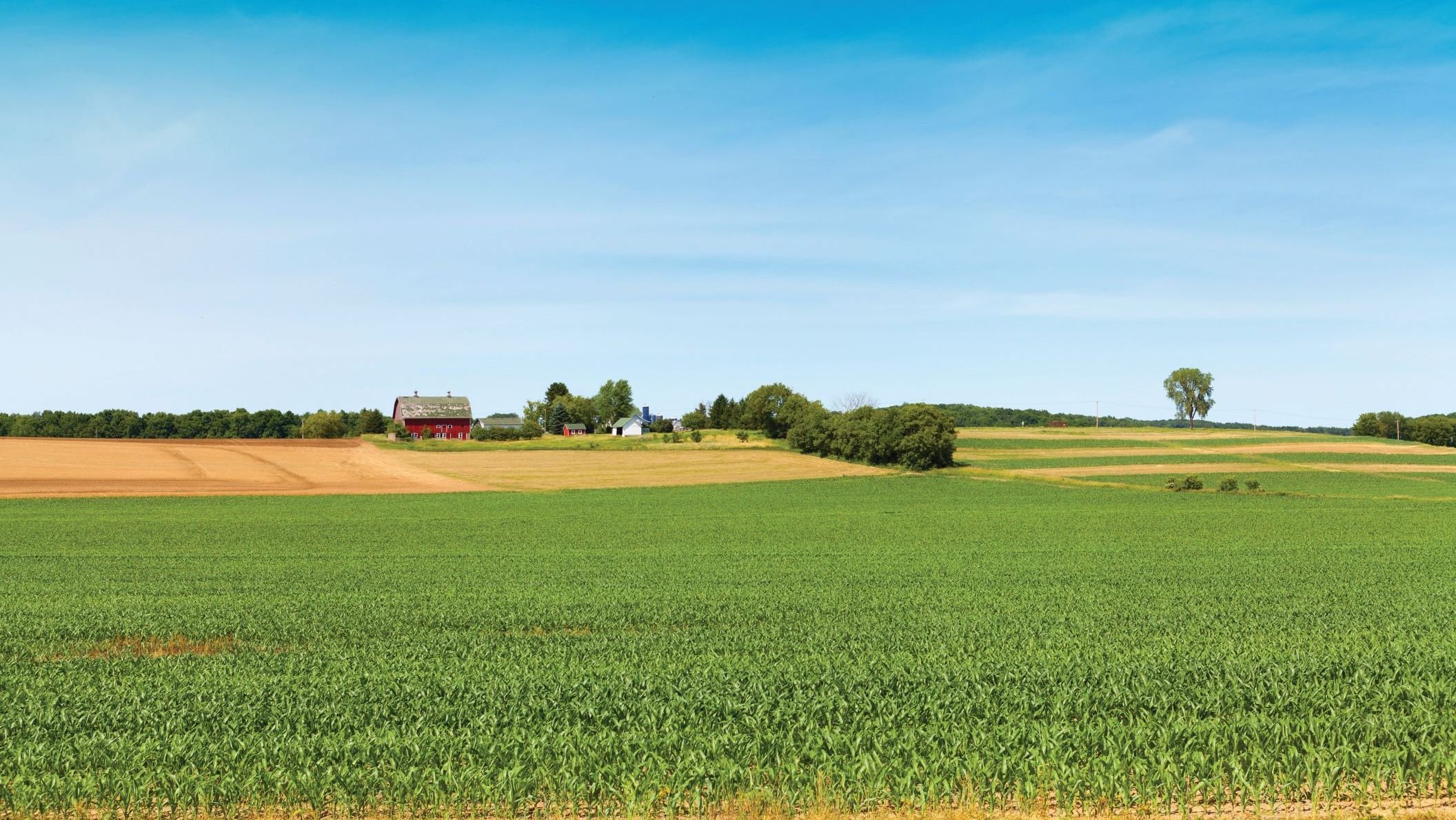
Another factor to consider is the positive effect that photosynthesis from all of the planted crops. In an interesting article in the Smithsonian Magazine, Colin Schutz shares how NASA has been able to measure the level of photosynthesis across the United States. It can even be pictured by NASA because as the plant cells photosynthesize, part of the energy they produce is emitted as fluorescent light.
“At the peak of the growing season,” says NASA, “the Midwest U.S. corn belt is the most productive place on Earth — there’s more photosynthesis going on here than even the Amazon.”
Modern agriculture is often painted in a negative light, but the industry is doing its share to reduce greenhouse emissions. Through continued agricultural research and the implementation of new and improved practices, emissions will continue the downward trend.
Farmers, in my opinion, are the ultimate environmentalists. But, we all have a responsibility to be good stewards of the land and environment.
Submitted by Mary Smallsreed, a member of the Trumbull County Farm Bureau who grew up on a family dairy farm in northeast Ohio.
OFBF Mission: Working together for Ohio farmers to advance agriculture and strengthen our communities.


Members have three ways to apply: contacting a certified agent, calling 833-468-4280 or visiting ohiofarmbureauhealthplans.org.
Read More
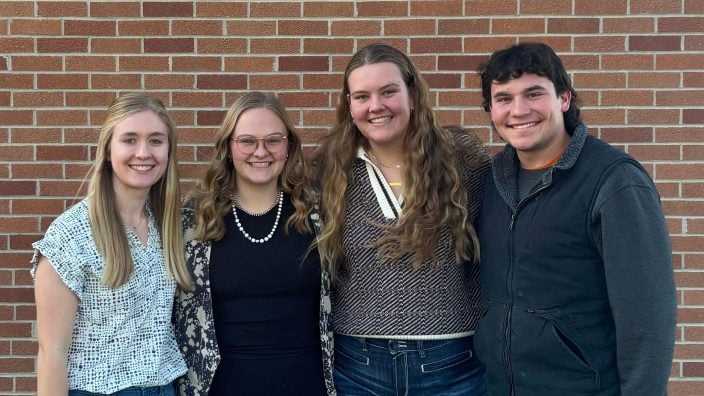
Collegiate Farm Bureau creates opportunities for students to connect with Ohio’s agricultural industry, develop leadership skills and prepare for careers in food and agriculture.
Read More
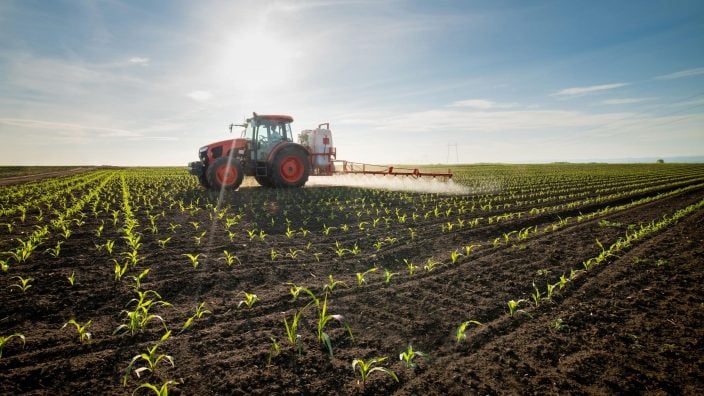
In response to current fertilizer market conditions, American Farm Bureau recently surveyed farmers regarding fertilizer availability and affordability for their…
Read More
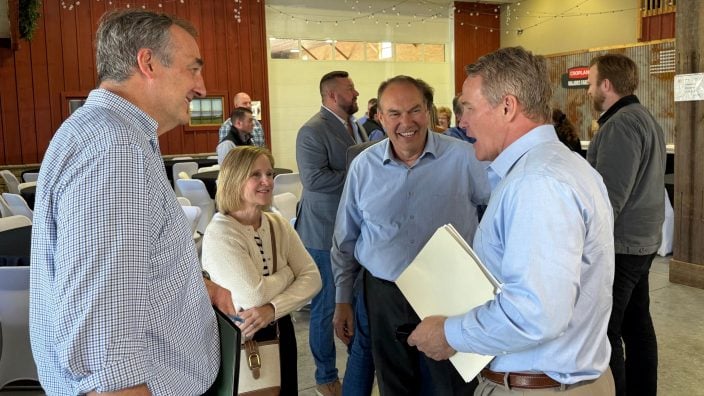
OFBF leadership participated in several key discussions with current and prospective lawmakers, bringing to light the real-world challenges Ohio farmers are facing.
Read More
Karen Mohr of Union County has been named senior accounting assistant for Ohio Farm Bureau.
Read More

EPA released new guidance allowing diesel equipment manufacturers to move away from traditional DEF quality sensors and use alternative technologies, such as nitrous oxide sensors.
Read More
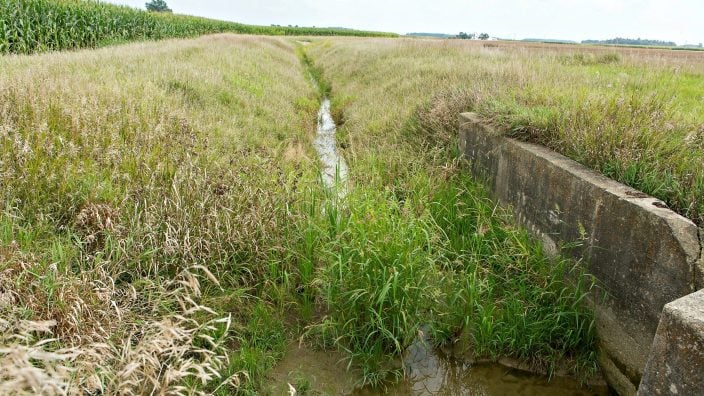
The report provides a data-driven look at conservation practices across the Western Lake Erie Basin and emphasizes farmers are doing their part in water quality.
Read More

2026 camps feature an expanded lineup of one-day experiences and a weeklong immersive camp for high school students. Registration closes 10 days before each experience.
Read More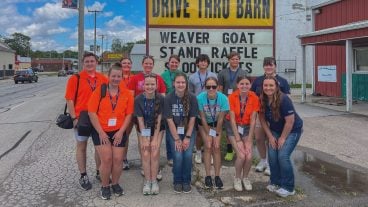
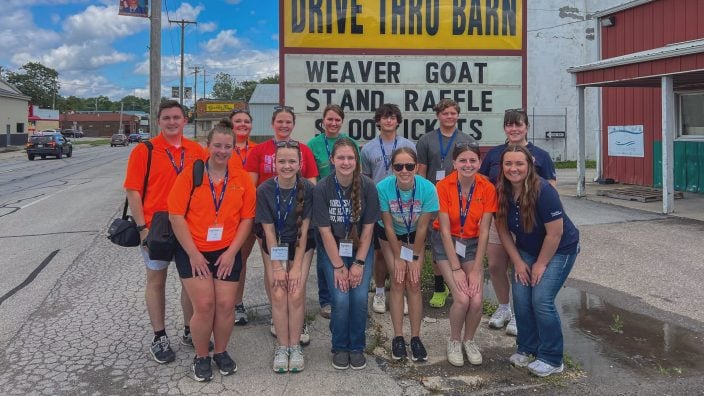
Growing our Generation enewsletter features insights and ideas directly from Ohio’s young farmers and food and agricultural professionals. Sign up…
Read More
A recording of the webinar is available to Farm Bureau members. Please log in to your member account at ofbf.org, then click the link to access the recording.
Read More