



Applications for Ohio Farm Bureau Health Plans now available
Members have three ways to apply: contacting a certified agent, calling 833-468-4280 or visiting ohiofarmbureauhealthplans.org.
Read MoreThe Coronavirus Aid, Relief and Economic Security Act, or CARES Act legislation, that passed the Senate earlier this week was also passed by the House of Representatives and signed by President Trump on Friday. The $2.2 trillion aid package includes a number of important provisions to help workers, families, employers and health professionals during this crisis.
As a whole and not specific to only agriculture, the largest stimulus package in modern America:
There is $23.5 billion in aid directly allocated for America’s farmers. Of that, $9.5 billion is allocated specifically for specialty crops, producers who supply local food systems and farmers markets, restaurants and schools, livestock producers, i.e., cattlemen and women, and dairy farmers.
“This bill recognizes that there are serious economic issues for all sectors of agriculture, from those who grow crops on a large scale to those who sell their products directly to consumers and everyone in between,” said Jack Irvin, senior director of state and national policy with Ohio Farm Bureau. “As determinations are made at USDA as to how these programs will be implemented, Farm Bureau will be in the trenches to provide input that will bring some certainty and hope for everyone involved in America’s food system.”
American Farm Bureau has more analysis about how the country’s agriculture sector will benefit from the CARES Act.


Members have three ways to apply: contacting a certified agent, calling 833-468-4280 or visiting ohiofarmbureauhealthplans.org.
Read More
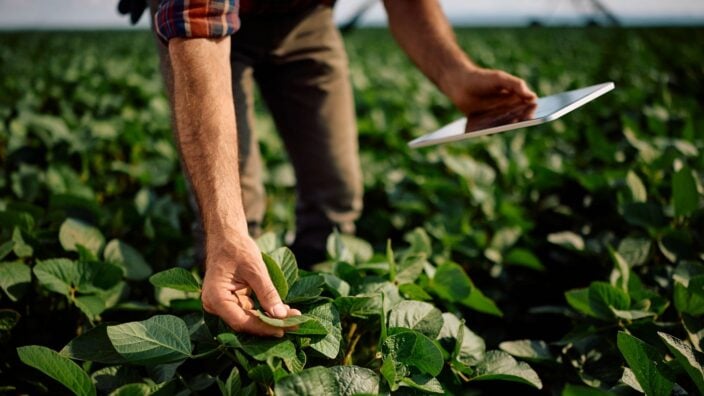
Founded by farmers in 1926, Nationwide has grown into a trusted partner for the agricultural community while staying true to its roots.
Read More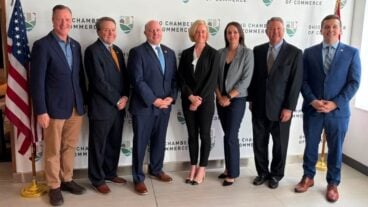
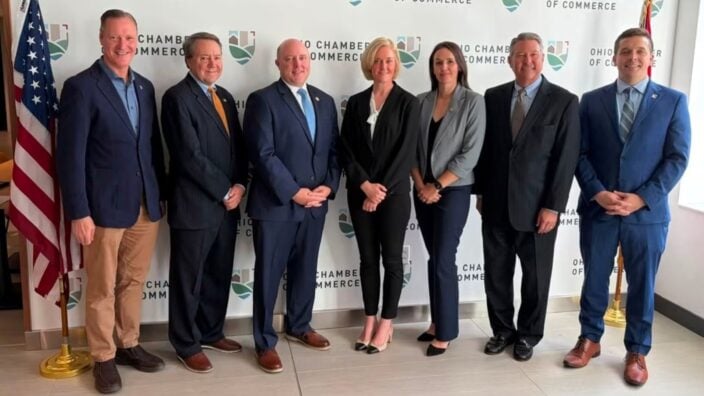
Five of Ohio’s leading business organizations, including Ohio Farm Bureau, announced support this week for Justice Dan Hawkins and Colleen O’Donnell in the 2026 elections for the Ohio Supreme Court.
Read More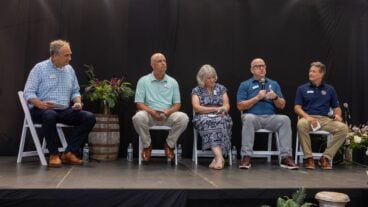
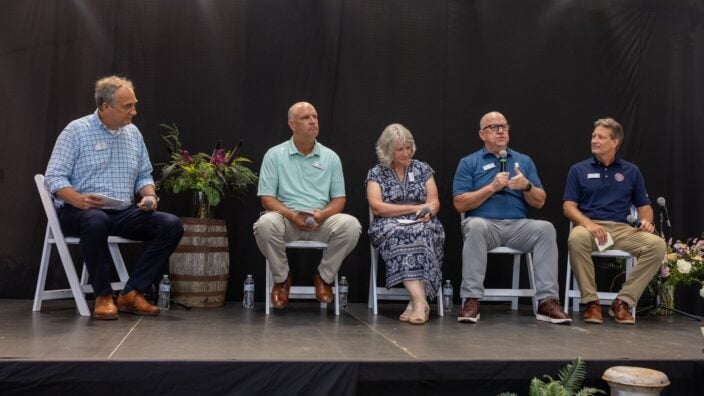
The 16th annual Cultivating a Cure welcomed more than 320 attendees and raised $151,053 to support cancer treatment and prevention research.
Read More

Ohio Farm Bureau is accepting applications for the Discussion Meet, Excellence in Agriculture, and Outstanding Young Farmer 2027 contests.
Read More

At the 2026 Sale of Champions, Ohio Farm Bureau, along with partners Bob Evans Farms and Nationwide, purchased the Grand Champion Market Barrow exhibited by Parker Elchinger of Henry County.
Read More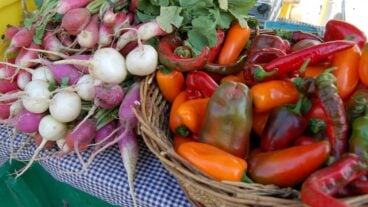
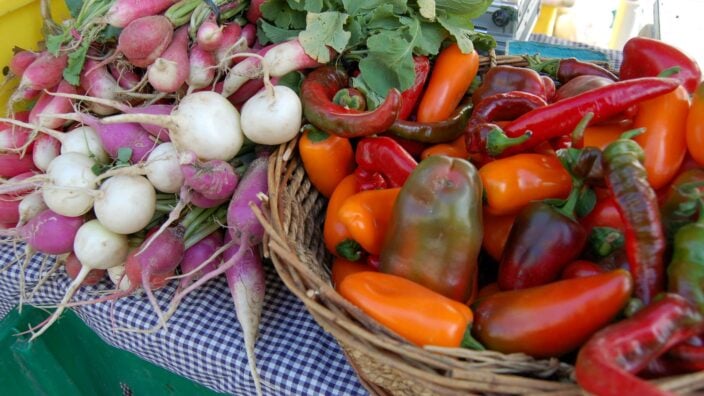
Ohio Farm Bureau and the Ohio Produce Growers and Marketers Association are encouraging Ohioans to support local fruit and vegetable growers while following recommended food safety practices.
Read More
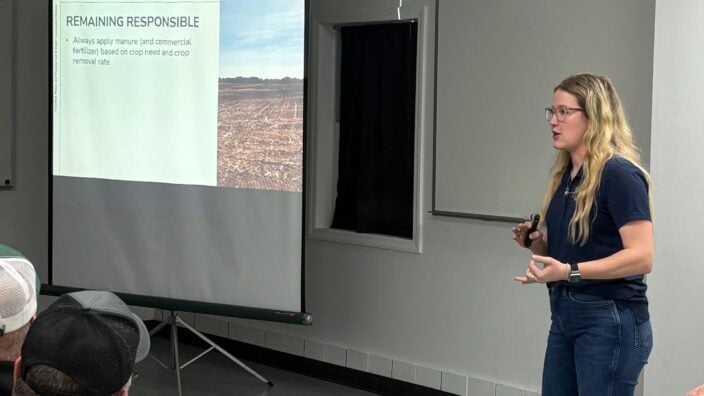
Meet Hannah Ziegler, nutrient management technician and social media content creator for Crawford and Wyandot Soil and Water Conservation Districts.
Read More
Ohio Farm Bureau supports responsible economic development and will continue to advocate for policies that protect Ohio’s water resources, farmland and rural communities.
Read More

Dr. Ian Sheldon joins the podcast to explain the history of USMCA, what recent decisions mean for the agreement and why its future matters for Ohio agriculture.
Read More