



Applications for Ohio Farm Bureau Health Plans now available
Members have three ways to apply: contacting a certified agent, calling 833-468-4280 or visiting ohiofarmbureauhealthplans.org.
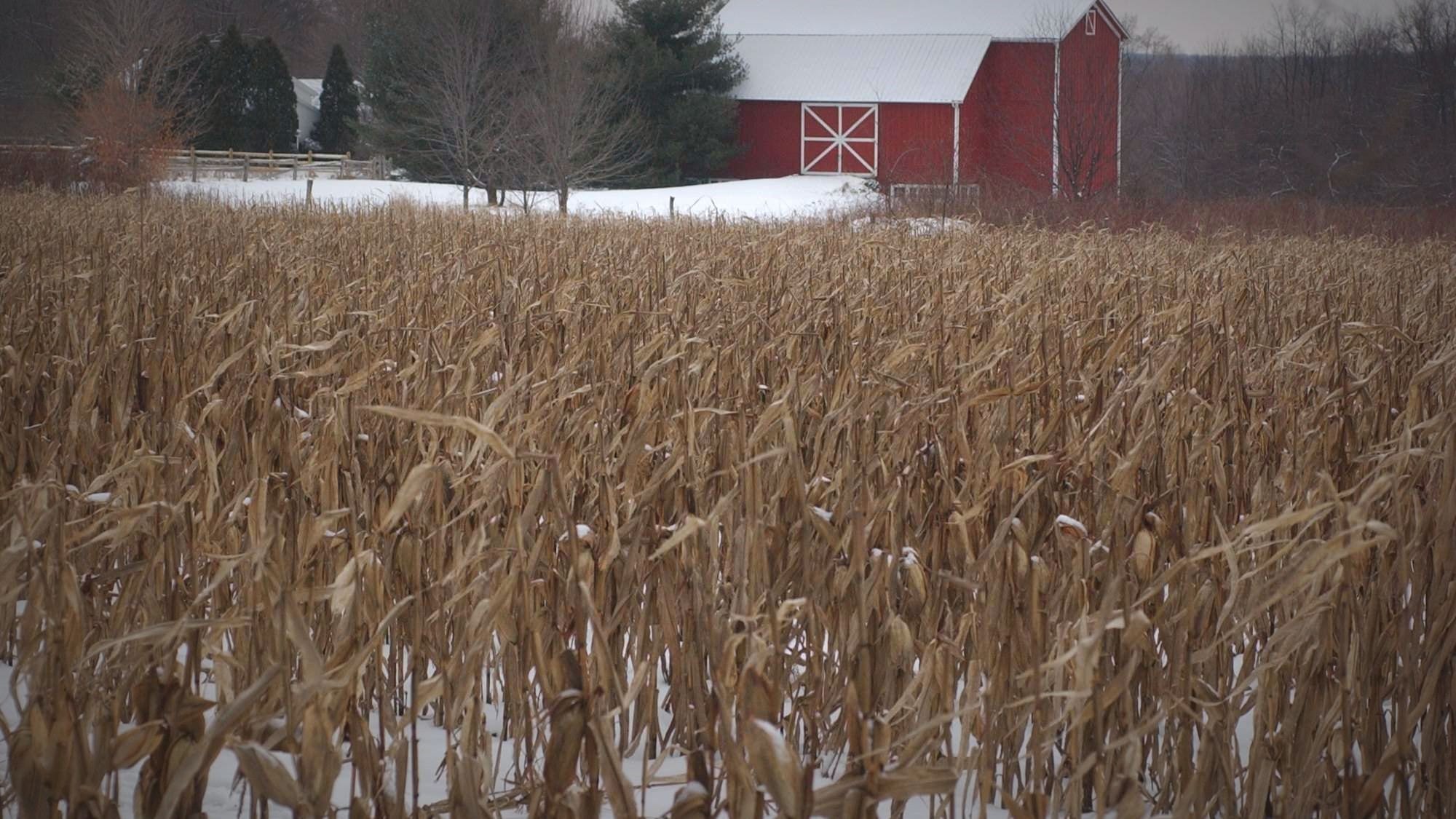
Read MoreCrop harvest for 2020 is about 99% complete locally. There may be isolated fields of corn still standing, but they are few and what is left may not be worth much. Heavy snows of December did put a few fields down and made them difficult to get with the combine. There should be some loss in those fields.
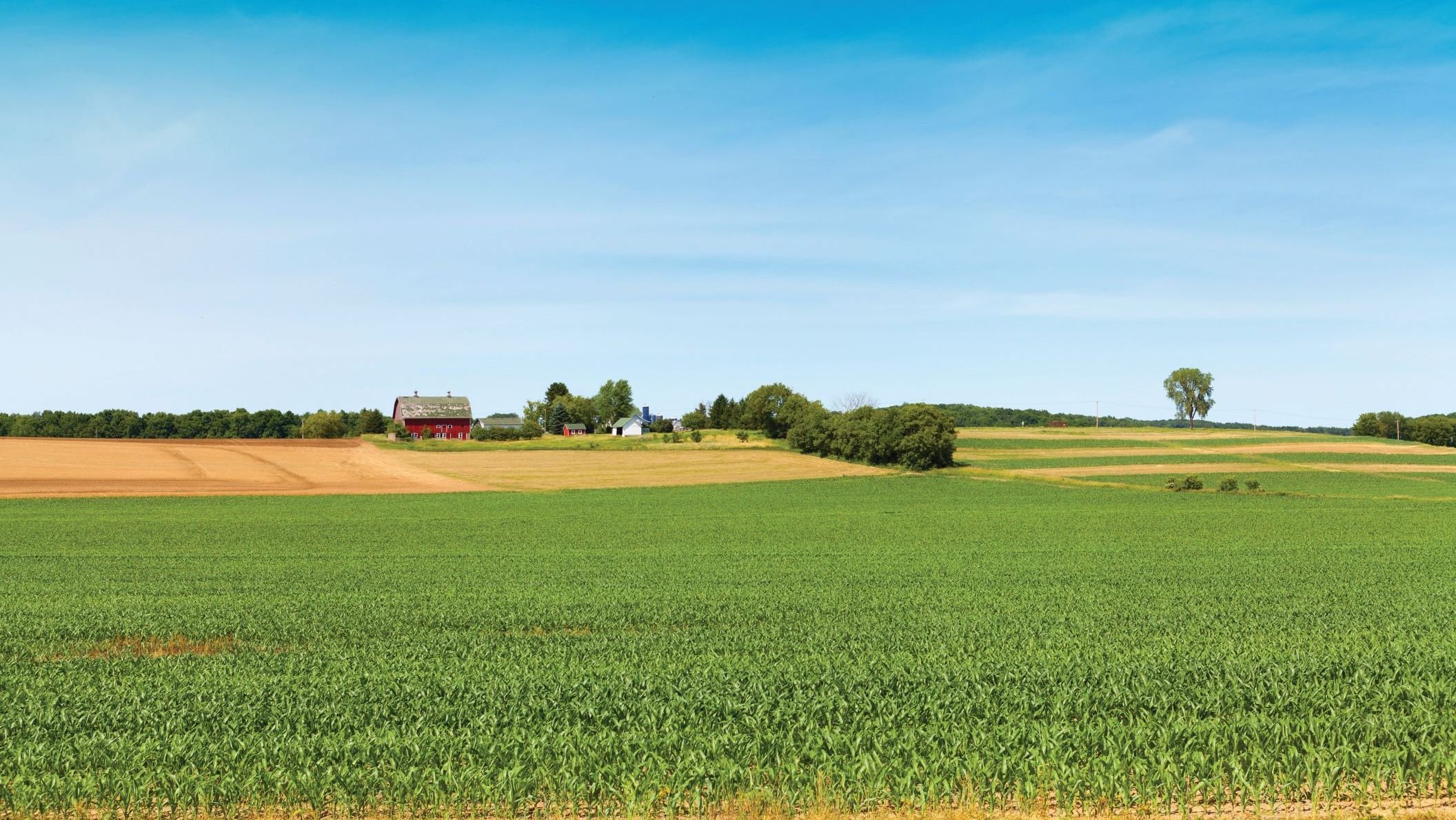
Reflecting over this past season, generally it was a successful one: Good planting conditions, a favorable growing season and fairly good harvest time. So cropwise, we can chalk the year up to being a good one overall.
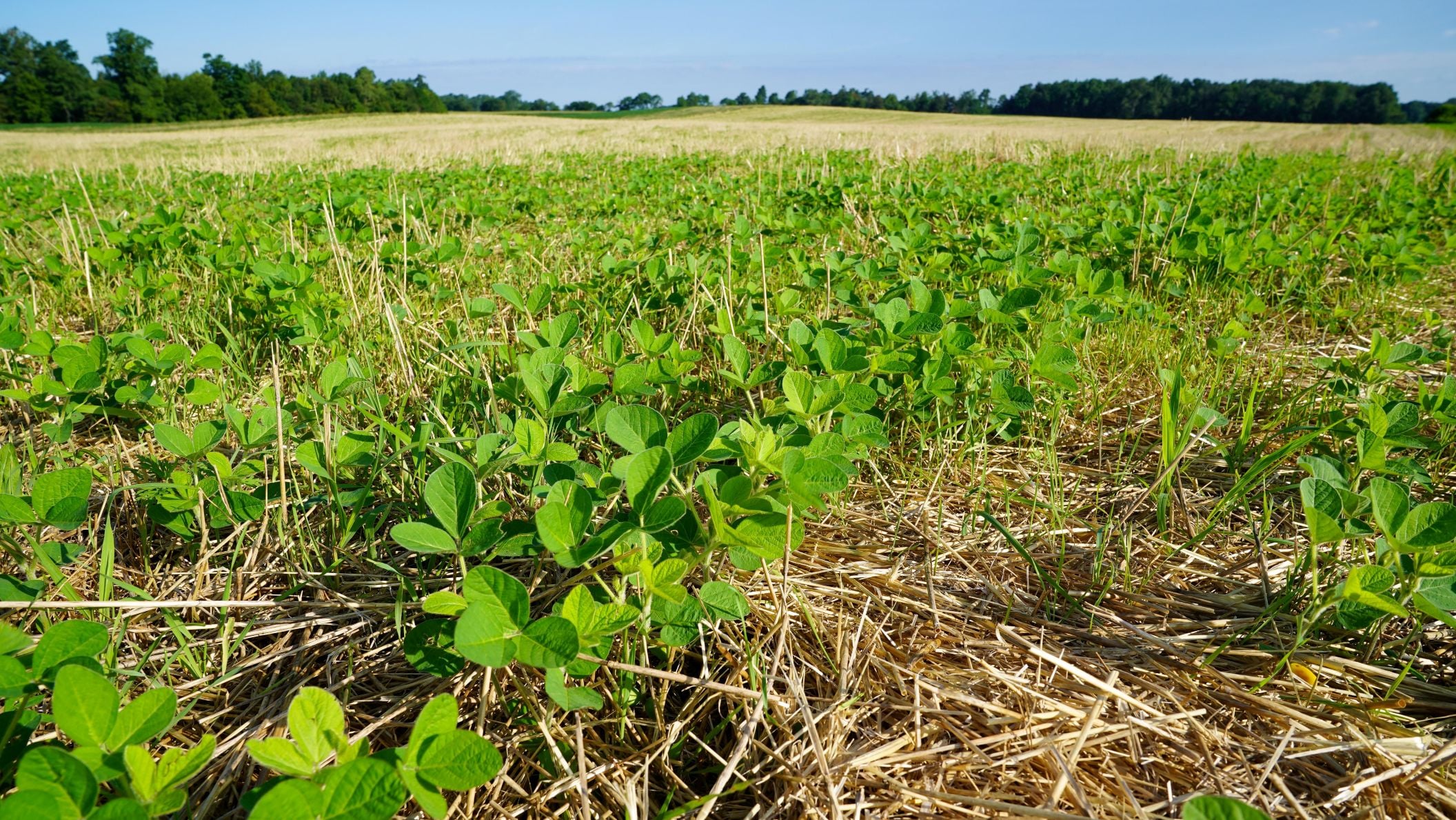
According to Farm Journal, farmers do need to check field losses to be sure the combine was working right. They say a loss of two kernels per square foot becomes one bushel lost of corn per acre. With soybeans, four beans per square foot is a bushel lost per acre. Efficient combine operation is important.
Variations in yields also occurred depending on fertility levels of the soil. Fields with exceptional yields were fields that were expected to have top yields because of fertility levels in those fields. Also, August rains were variable and those fields that got at least an inch per week had the best yields.
Another interesting event was price improvement in the fall during harvest time. Usually, prices tend to drop to the lowest levels when corn and beans are being harvested and bins tend to be full. But this fall, both crops reached their highest levels for the year during the weeks of harvest. Much of the reason for this apparently was a strong export market and poor yields in South America.
At times during the weeks in September and October, major grain elevators had to stop taking corn because they couldn’t handle the volume that was coming in. When their bins get full, they have to truck out grain to major terminals to make room for more. Some may go to the Ohio River to be shipped to major processors on the river.
Overall, most grain farmers will take another year like 2020.
Another interesting development that affected dairy farmers was the increased sale and use of butter. American families stayed at home more than usual this past year because of the COVID-19 virus. This has resulted in an uptick in home baking and cooking. This has resulted in more butter being used as families learned to enjoy the quality and taste of real butter in their cooking.
Butter use has been on a slow decline for about four decades. In the early 2000s, it started to increase in popularity and use. It finally regained its spot above margarine consumption in 2005.
One major dairy cooperative said its net earnings increased in the third quarter of 2020 because of the surge in retail butter sales. They expect butter sales to increase more than 20 percent last year, thanks to improved retail demand.
The boom in retail demand prevented butter from being stored this summer, which is the slowest baking season. Usually, butter is stored during the slow months of July and August. Then it is brought out and sold during the holiday times. This was not the case this year because it was being sold as fast as it was being made.
Shoppers have also been tending to avoid the lower quality found in margarines.
In so many ways, the year 2020 has been different than any we have ever experienced.
Submitted by John Parker, an independent writer for the Tribune Chronicle and various farm organizations.
OFBF Mission: Working together for Ohio farmers to advance agriculture and strengthen our communities.


Members have three ways to apply: contacting a certified agent, calling 833-468-4280 or visiting ohiofarmbureauhealthplans.org.
Read More

These funds will help provide scholarships, expand educational programs and strengthen initiatives that connect students and young professionals to meaningful careers in agriculture.
Read More
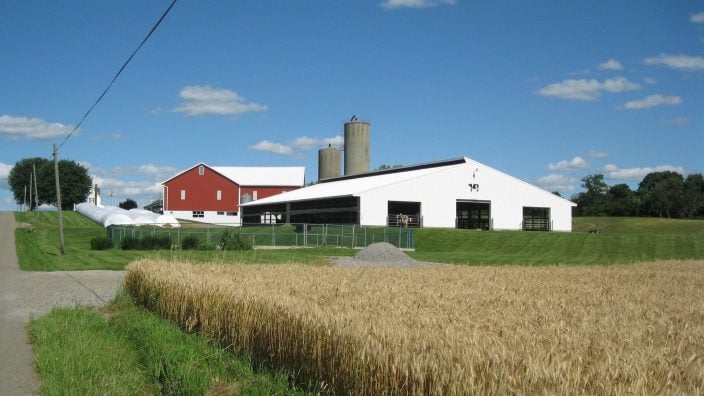
While many envision the dairy sector solely on the farm, modern agriculture relies heavily on vital, nontraditional supporting roles.
Read More
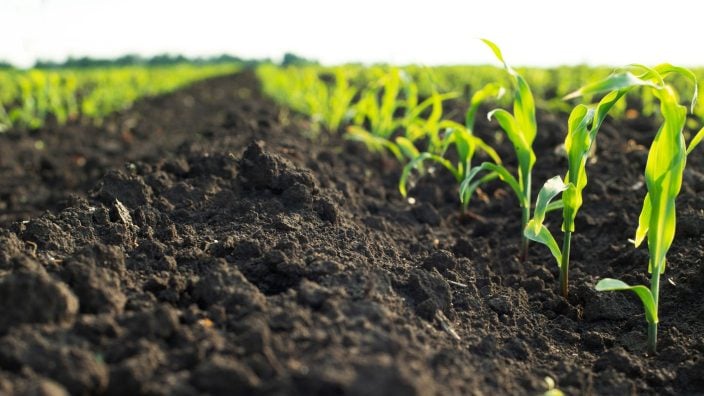
Talk to your Nationwide Farm Certified agent today to see if you’re ready to make the switch and explore what it means to your farm’s risk management strategy.
Read More
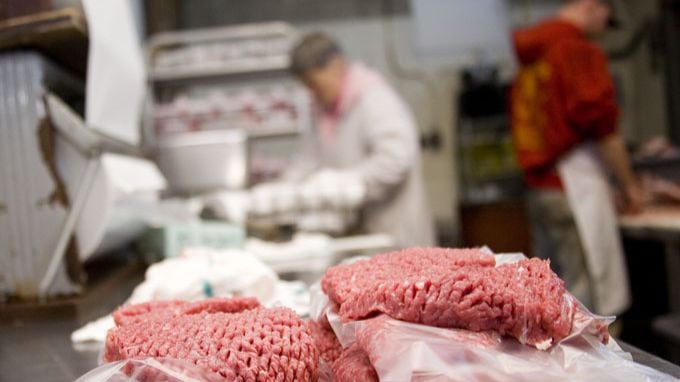
USDA is providing $60 million in support and funding opportunities for small and mid-sized meat processors across the country. Apply by Aug. 7.
Read More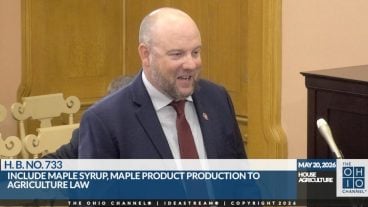
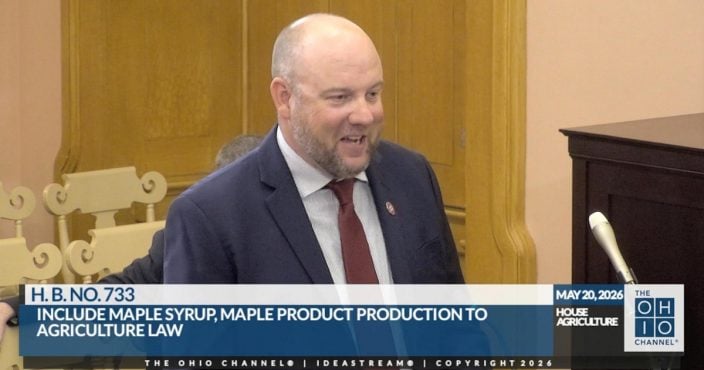
Introduced by Rep. Sarah Fowler Arthur (R-Ashtabula) and Rep. David Thomas (R-Jefferson), the bill would add trees cultivated for maple syrup production to Ohio’s statutory definition of agriculture.
Read More

Ohio Farm Bureau members receive exclusive access and discounted rates to digital tools specifically designed to maximize day-to-day productivity, simplify equipment maintenance and enhance asset protection.
Read More
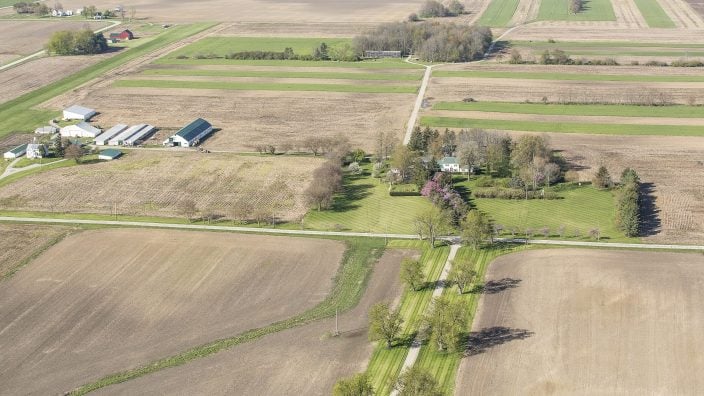
Ohio Farm Bureau shared members’ concerns about the rapid growth of data centers across the state and the long-term impacts on agriculture and rural communities.
Read More
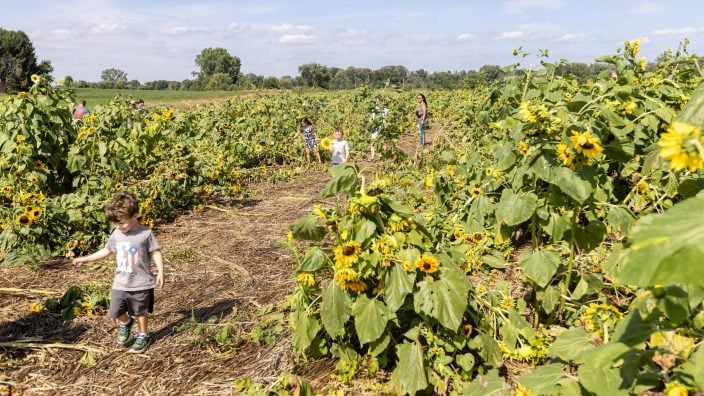
The online application period is open now, until June 30, for those who would like to apply to be featured on The Ohio Ag-Venture Guide.
Read More
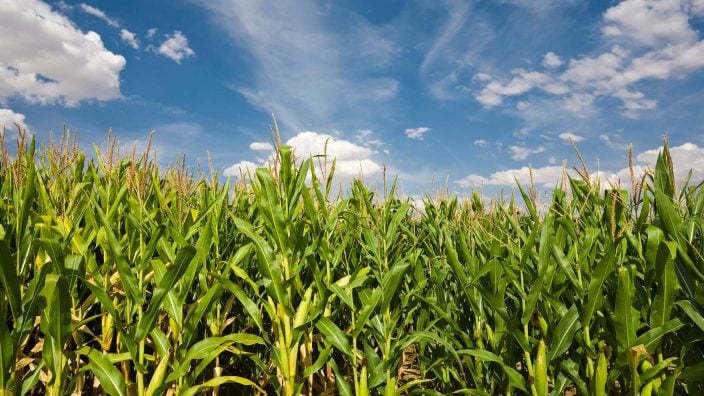
Ohio Farm Bureau testified in support of House Bill 773, legislation that would allow Ohio Turnpike travel plazas to offer E15.
Read More