


Don’t raise a stink over insect’s emergence
Stink bugs also known as the Brown Marmorated Stink Bug (BMSB in the entomology world) are one of the earliest signs of spring to me here in Ohio.
Read MoreBe an educated consumer but be careful where you get your information. Labels are not always what they seem.
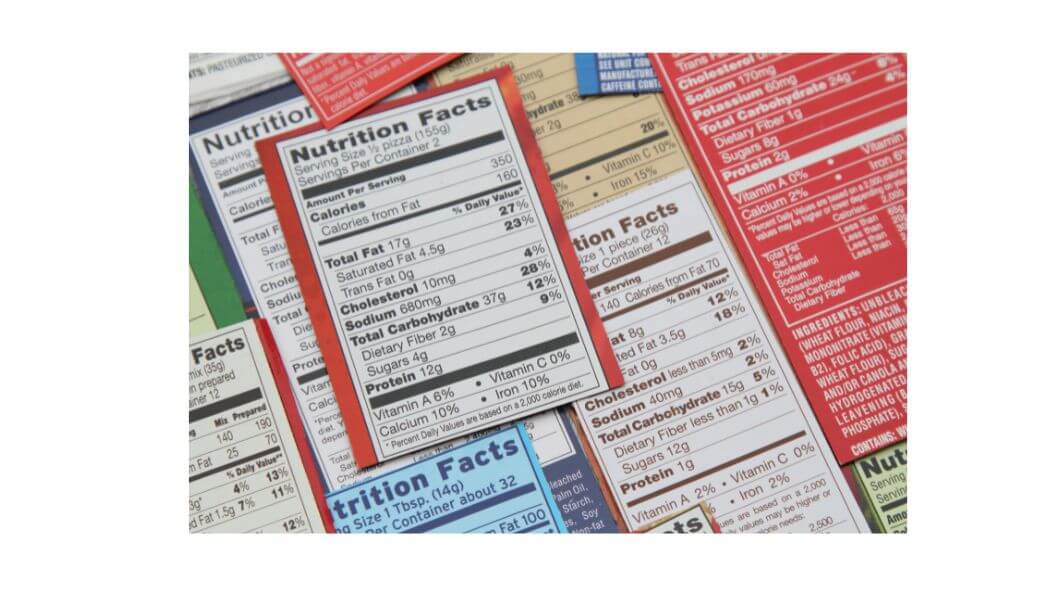
Do you read the labels on the food you buy? I check out the total carbohydrates, dietary fiber and sodium. I also look to see if the product originated in the U.S. or another country.
I find it amazing all the other information you can glean from the food labels. Not only the caloric and nutritional values but claims of “non-GMO,” “no sugar added,” “antibiotic free,” “no hormones added,” “free range” and “gluten free.” I’m sure you have seen the “keto friendly” or “paleo friendly” labels as well. We live in a country where we have an abundance of quality food and an abundance of choices. The labels are fine, helpful and extremely important at times. It is just a form of advertising, right? Maybe, maybe not.
I did some grocery shopping today and some labels are hard to ignore. Did you know that the milk I bought today is gluten free. You don’t say! Of course, it is gluten free because it is milk. Why did the processor have to put that on the label? What else was on the milk label? “No artificial growth hormones” I know what they are talking about — rBST. Recombinant bovine somatotropin is a synthetic version of naturally occurring hormones in dairy cattle that was developed and approved for use in the early 1990s. Used correctly, the amount of milk produced per cow could be increased.
Even though science proved it was safe for the cows and consumers, consumers didn’t want it used. It became a consumer issue that processors and buyers of milk didn’t want to deal with, so they demanded farmers sign agreements that they were not going to use rBST or they wouldn’t buy the milk.
Are there any processors still accepting milk from farms that utilize this product? I asked my sister who retired from the USDA and regularly dealt with processors and dairy farmers. She said the contracts against usage of rBST were industrywide, so farmers stopped using it. So, this product hasn’t been used for a very long time, so why is this statement still on the milk label?
I also bought some Tyson chicken breasts. More labels. “No added hormones or steroids**” and “no antibiotics ever” asterisks after the hormone statement? Had to look at the small print also on the front of the package. How about that — “federal law prohibits the use of hormones in poultry.” Again, why take up space on the label when no poultry is allowed to have hormones? “No antibiotics ever?”
I know there are times when farmers have to use an antibiotic to maintain the health of the animals they are raising. (No different than us taking an antibiotic when necessary for an infection.) To not do so would be inhumane. When an antibiotic is used, it is mandated by law to make sure that animal has gone through a withdrawal period to ensure no antibiotic residues are left in the meat or milk. Honestly, I read this label more thoroughly after I got home and was writing this article. Now I wish I hadn’t bought this product at all because of these statements.
Some of this so-called marketing is just plain fraud. These tactics are using fear to get consumers to buy their products instead of their competitors. When one package of chicken says “no added hormones” and the one next to it doesn’t, it implies that the second package does have added hormones. When in fact, both packages of chicken have met USDA standards and gone through the same inspections from farm to your table. Same with the milk. All of it reflects negatively on the farmers of this country, not the processors. Farming is a way of life that includes passion and caring for the environment, the soil and the animals with the goal of providing quality products. Be an educated consumer but be careful where you get your information. Labels are not always what they seem. Marketing or manipulation?
Submitted by Mary Smallsreed, a member of the Trumbull County Farm Bureau who grew up on a family dairy farm in northeast Ohio.
OFBF Mission: Working together for Ohio farmers to advance agriculture and strengthen our communities.


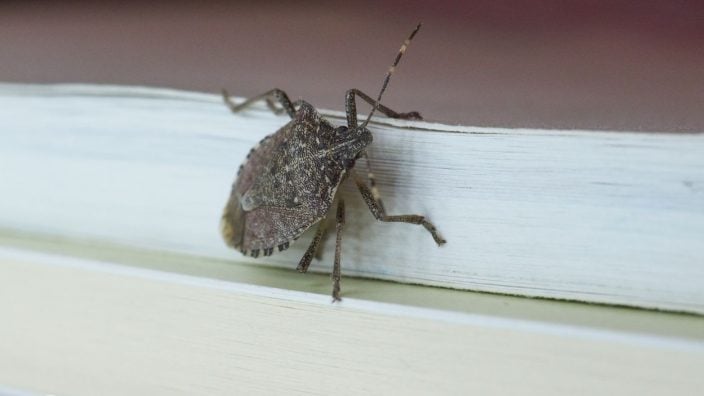
Stink bugs also known as the Brown Marmorated Stink Bug (BMSB in the entomology world) are one of the earliest signs of spring to me here in Ohio.
Read More
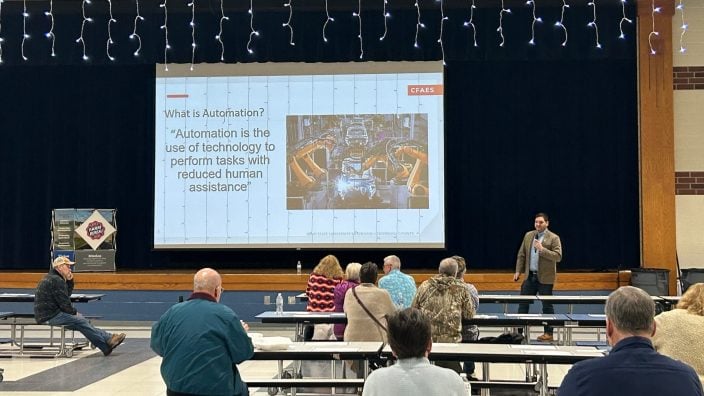
Through all of life’s changes, Trumbull County has become not just a place we work, but the place we call home.
Read More
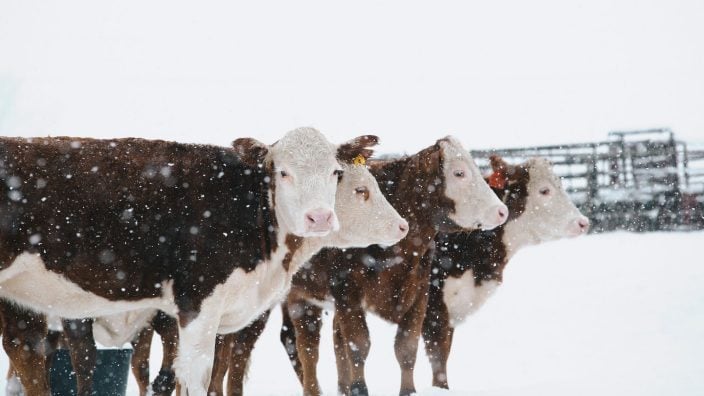
Most livestock animals are well adapted to cold weather, but farmers take extra measures when extreme temperatures come.
Read More

We often talk about the moments that shape us — big decisions, career paths and life milestones. But more often than not, it’s not the moments that define us. It’s the people.
Read More
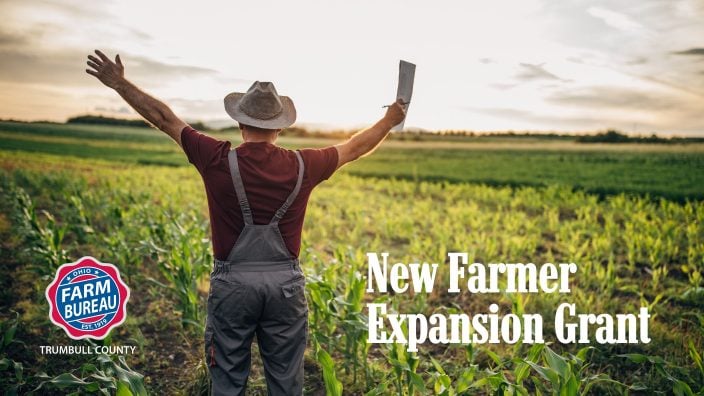
The purpose of this $1,500 grant is to help offset farm operation costs. This can include but is not limited to: fuel costs, fertilizer costs, equipment costs, land rent, etc.
Read More

I’m going to give you a list of things that you can do that will get you outside and actually enjoy the snow.
Read More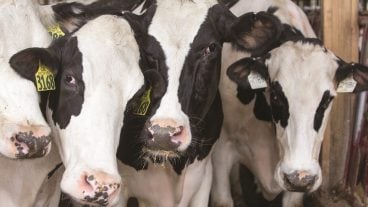

As kids, we are often told to try new things, whether it be a new food, a new activity or…
Read More
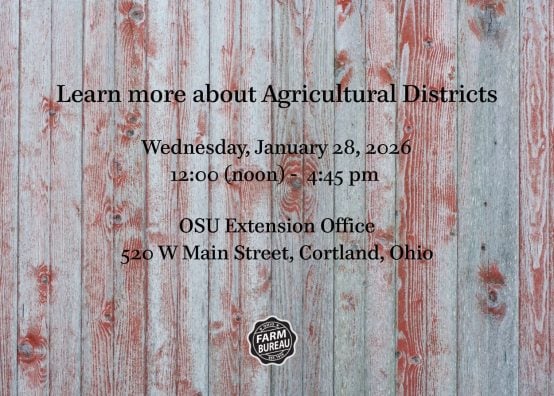
Learn more about ag districts from noon to 4:45 p.m. Jan. 28 at the OSU Extension Office, 520 W. Main Street in Cortland.
Read More
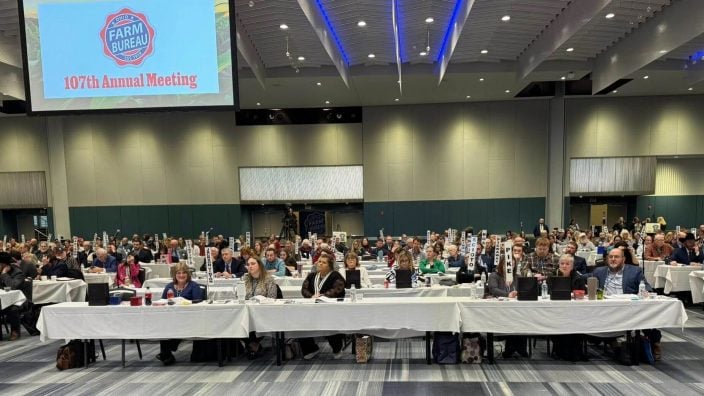
We aren’t just reacting to change — we’re shaping the future of agriculture, one conversation and one decision at a time, together.
Read More

Today, there are close to 15,000 farms growing Christmas trees in the U.S., and over 100,000 people are employed full- or part-time in the industry.
Read More