




Don’t raise a stink over insect’s emergence
Stink bugs also known as the Brown Marmorated Stink Bug (BMSB in the entomology world) are one of the earliest signs of spring to me here in Ohio.
Read MoreWe will always have to contend with harvest bandits, but there are practices you can implement to keep the thievery to a minimum.
Hello Everyone.
As summer comes to an end, our gardens and farms are producing an abundance of produce. I’m sure you’re all tired of finding new and creative ways to sneak zucchini into foods. My personal favorite is to thinly slice it then add just enough olive oil so it slides easily into the trash can, but that’s just me. Despite that, my wife has made lemon zucchini muffins, zucchini brownies, zucchini bread and probably several other zucchini-based recipes without my knowledge.
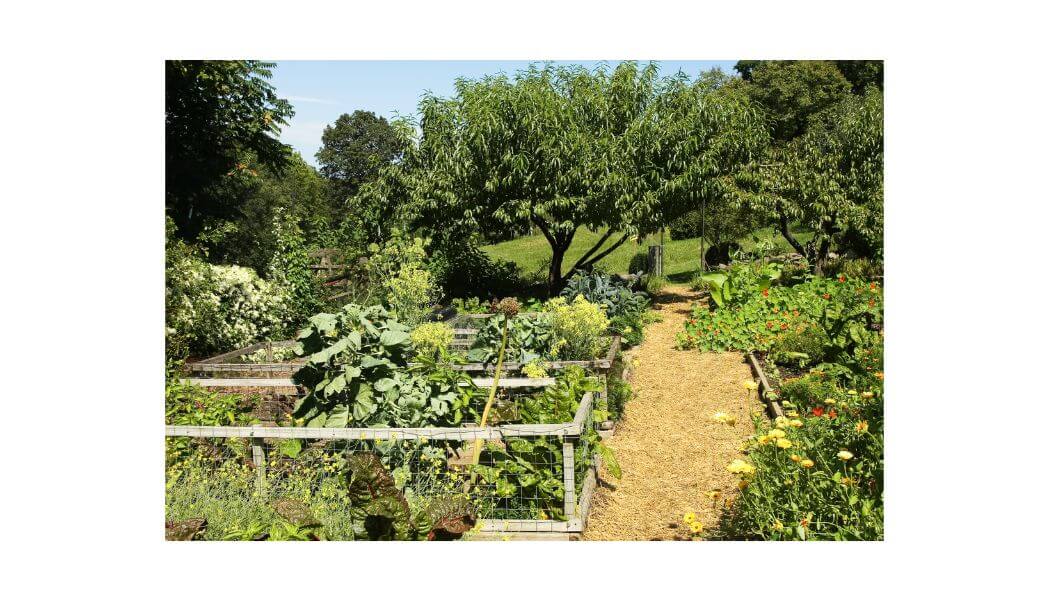
My wife and I love to garden, and we put a lot of time and money into producing fresh fruit and vegetables for our family. When disease, insects, deer or raccoons beat you to the harvest, it can ruin your enthusiasm quickly. Our cucumbers were lost to downy mildew, raccoons are eating our sweet corn, deer are nibbling on the squash, and Japanese beetles ate everything they landed on. Based on the recent samples brought into our office, it’s safe to assume many of you are having similar issues.
We will always have to contend with harvest bandits, but there are practices you can implement to keep the thievery to a minimum. Planning is key to securing your harvest. When it comes to plant disease, selecting resistant varieties will provide the best defense. I know, heirloom tomatoes are pretty and have a great taste, but they do not have a lot of resistance to disease. Heirloom varieties have very little genetic variability compared to a hybrid variety. Hybrids also generally provide a wider range of disease prevention, better nutrient and water use efficiency, and are more vigorous.
If you do choose the tried-and-true heirloom varieties, protection with a fungicide can prevent many diseases. As I mentioned back in June, integrated pest management (IPM) should be an integral part of disease management. Proper plant spacing, don’t allow standing water, good soil fertility and site selection also can help reduce disease.
Insects can be more of challenge due to their ability to fly from your neighbor’s property and magically appear on your squash vines. Scouting and trapping will provide an early detection notice that treatment might be needed. Treatment can be hand picking Japanese beetles, smushing squash vine borer eggs, or using an insecticide, if needed. I know picking up insects is not fun for many people — I should make a collage of the faces when I recommend that strategy — but it is an effective strategy for many low-density insect pests.
You’ve probably seen myriad of pest repellent products at the garden centers to keep squirrels, birds, snakes, deer and any other kind of animal you can imagine away. In addition to products you can purchase, I have heard of many different methods to repel animals. Some are strange, and others are downright gross and cause concern for human health. Please do not shave your hair off or urinate on your plants. The only method that will reliably keep animals out of your garden is a physical barrier such as a fence or netting.
Wire mesh fencing works well for most of the animals in our area, but choose the correct size of opening. A standard 2-by-4 inch wire mesh fence will work great for deer and raccoons, but something like chicken wire will work better for squirrels and rabbits. Choose both if you have a lot of animal pests. Electric fences are popular, and effective, but be sure to consult your local zoning office to know the rules (if any) that apply. They might not be the best option if you have young children or adventurous pets.
Don’t lose your enthusiasm because of garden pests. Learning how to manage them is part of the process to becoming a great gardener, or at least better than you were last year. If you are struggling with any of the above issues, or need assistance identifying a disease, insect, or damage to your garden, we are here to help. You can send pictures by email to [email protected], or you can drop off a live sample to our office at 520 W. Main St., Cortland, OH 44410. Live samples showing the issue are preferred to help with a proper diagnosis.
Take care, have a great rest of your summer, and enjoy your harvest!
Submitted by Lee Beers, an Agriculture and Natural Resources Educator for OSU Extension – Trumbull County. He can be reached by email or phone at 330-638-6738.
OFBF Mission: Working together for Ohio farmers to advance agriculture and strengthen our communities.


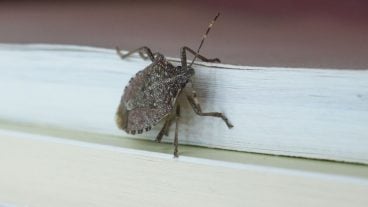
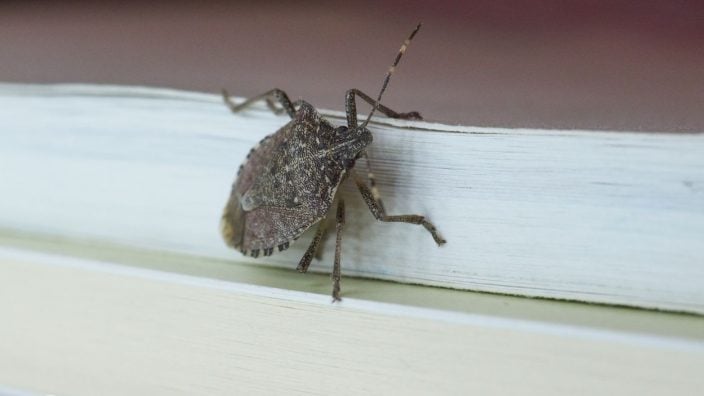
Stink bugs also known as the Brown Marmorated Stink Bug (BMSB in the entomology world) are one of the earliest signs of spring to me here in Ohio.
Read More
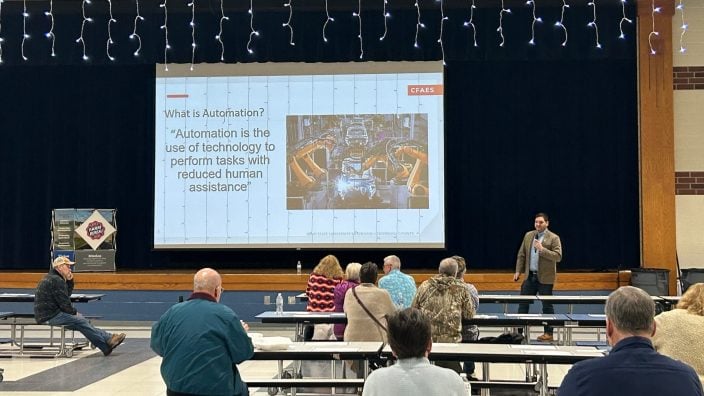
Through all of life’s changes, Trumbull County has become not just a place we work, but the place we call home.
Read More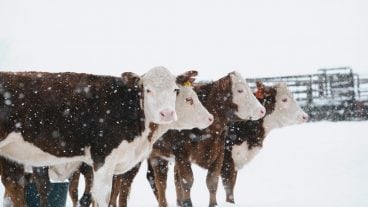
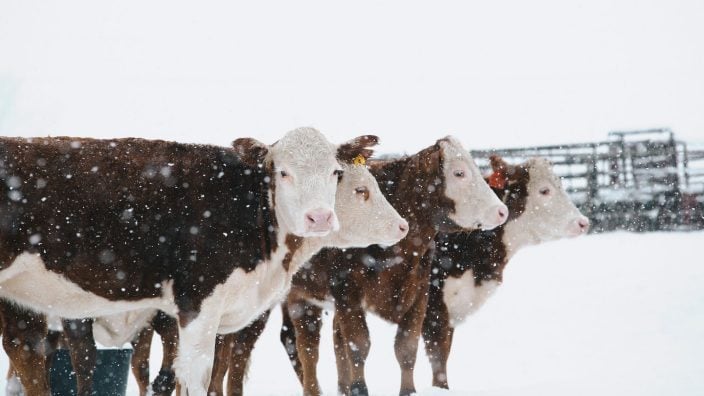
Most livestock animals are well adapted to cold weather, but farmers take extra measures when extreme temperatures come.
Read More

We often talk about the moments that shape us — big decisions, career paths and life milestones. But more often than not, it’s not the moments that define us. It’s the people.
Read More

The purpose of this $1,500 grant is to help offset farm operation costs. This can include but is not limited to: fuel costs, fertilizer costs, equipment costs, land rent, etc.
Read More

I’m going to give you a list of things that you can do that will get you outside and actually enjoy the snow.
Read More

As kids, we are often told to try new things, whether it be a new food, a new activity or…
Read More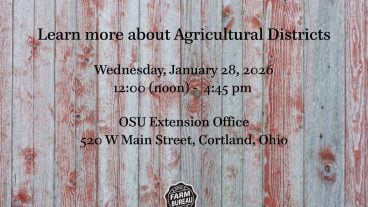

Learn more about ag districts from noon to 4:45 p.m. Jan. 28 at the OSU Extension Office, 520 W. Main Street in Cortland.
Read More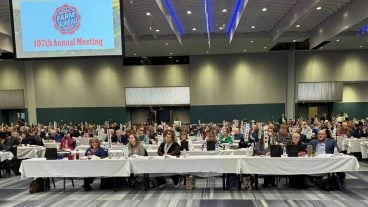
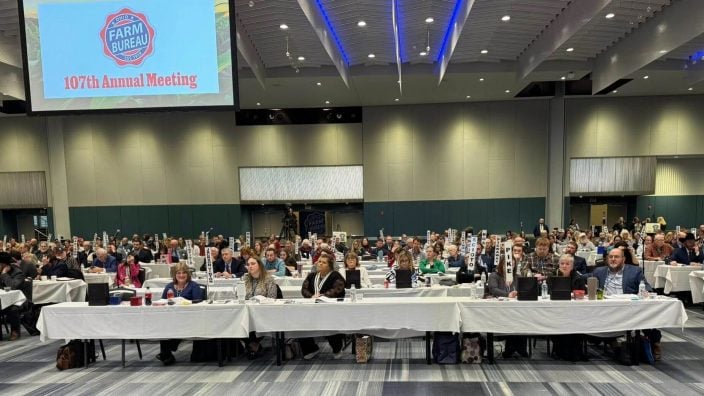
We aren’t just reacting to change — we’re shaping the future of agriculture, one conversation and one decision at a time, together.
Read More

Today, there are close to 15,000 farms growing Christmas trees in the U.S., and over 100,000 people are employed full- or part-time in the industry.
Read More