


Learn about farming at the fair
I hope you have plans to go to the fair as well. Continuing to learn is important, no matter your age. So, bring your questions and let’s have a conversation.
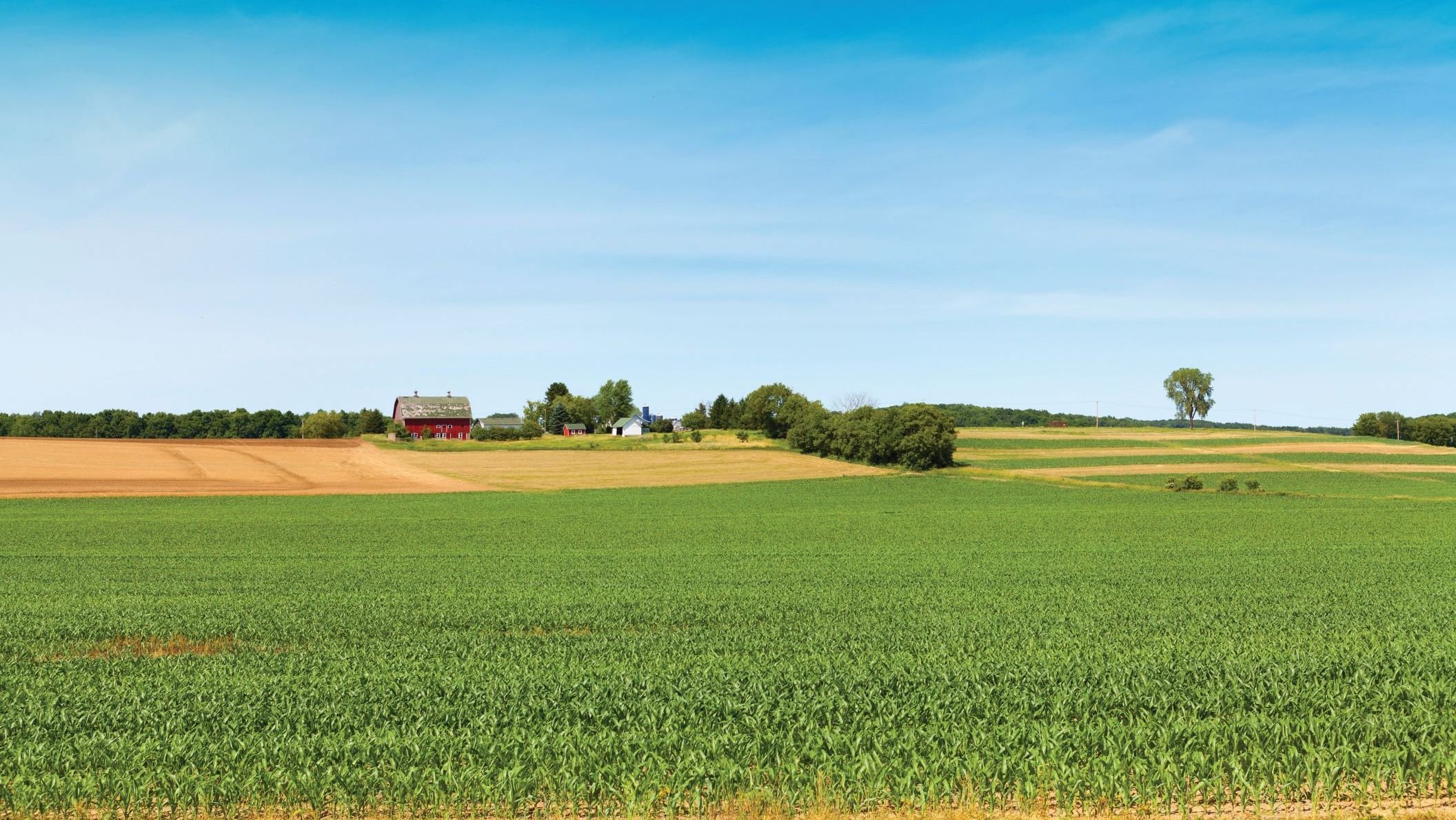
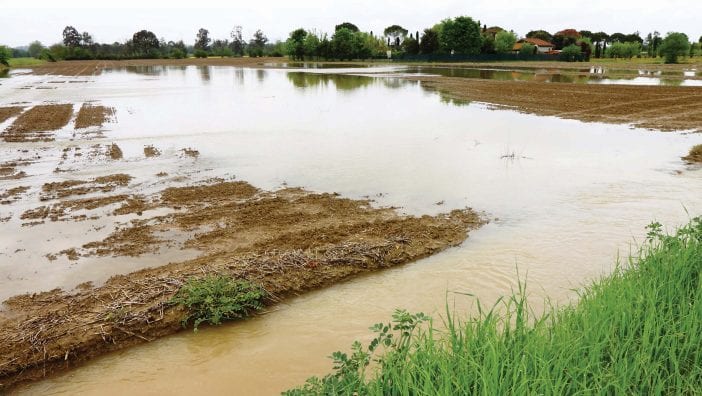
Read MoreThe weather has been great! It has been wonderful to get outside after a winter that seemed so long. The farmers are also glad to get into their fields. The soil is warming and drying out from all the recent rain. Spring planting is in full swing.
It is a time for planting and a time to share the road. Farmers are transporting equipment to the fields and often have to travel many local roads and state highways. Today’s large farm equipment sometimes overlaps into other lanes. Curves, hills, and other blind spots reduce a motorist’s ability to see farm equipment traveling on the road, and vice versa. Poor road conditions can also play a factor in equipment-auto accidents.
The difference in speed is a huge factor. Here is an example given by The Ohio State University Extension. “If a car is traveling 60 mph and approaching a tractor traveling 20 mph, how long does it take for the car to travel 400 feet and reach the tractor? Less than 6.5 seconds.”
Even though automobiles traveled much slower 60 years ago, the speed difference was still a contributing factor in these types of accidents. So much so that a retrospect research study was conducted by Walter McClure and Ben Lamp from The Ohio State University, Department of Agricultural Engineering. It was discovered that most of the accidents were the result of rear-end collisions.
Additional research by Ken Harkness, The Ohio State University, followed that resulted in the development of the Slow Moving Vehicle emblem. It was in the early 1960’s that SMV emblems began appearing on slow moving farm equipment, including horse drawn wagons and implements. By 1971, SMV emblems were adopted as a national standard by the American National Standards Institute.
SMV emblems are bright, fluorescent triangles with reflective borders that have to be visible from 500 feet alerting motorists to slow down as they approach. These emblems are to be used only on the rear of slow-moving vehicles operating on streets and highways at speeds of 25 mph or less. They must be mounted near the center of the equipment with the point up, between two and six feet above the ground. It is illegal to place a SMV emblem on a still object. Use something else to mark your mailbox and driveway.
As I prepared for this article, I thought it would be easy to find straight forward rules and laws about passing farm equipment. First place I looked was the Ohio BMV website and the online study resources that are used when preparing to take your driver’s test. No luck. I did find the SMV emblem picture and description and this statement: “The SMV sign indicates that special care must be taken when sharing the road with such a vehicle. Extra patience and caution must be exercised when passing slow moving vehicles.”
Although I couldn’t find the detailed law, here are some good guidelines. It is a no passing zone for a reason, don’t pass. If you can’t see the driver or the mirrors that he or she would be using, they can’t see you either, so don’t pass. If the equipment you are following slows to an even lower rate of speed, assume that they are preparing to turn. Reaction time is the biggest safety contributor in all scenarios, so slow down.
Farmers do what they can to make their equipment visible with SMV signs and hazard/flashing lights. Please be cautious especially this time of year for your safety and ours.
Submitted by Mary Smallsreed, a member of the Trumbull County Farm Bureau who grew up on a family dairy farm in northeast Ohio.
OFBF Mission: Working together for Ohio farmers to advance agriculture and strengthen our communities.


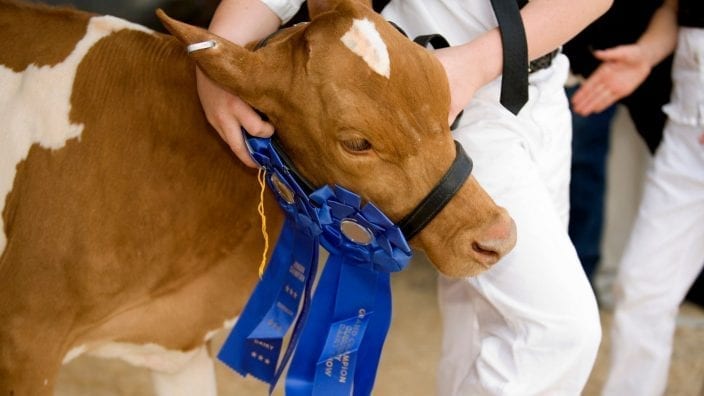
I hope you have plans to go to the fair as well. Continuing to learn is important, no matter your age. So, bring your questions and let’s have a conversation.
Read More
If you’ve ever thought about serving, now is the time. Agriculture needs your voice.
Read More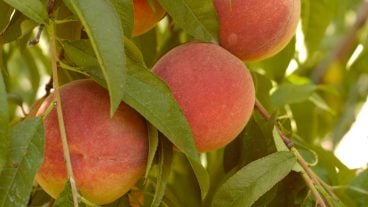
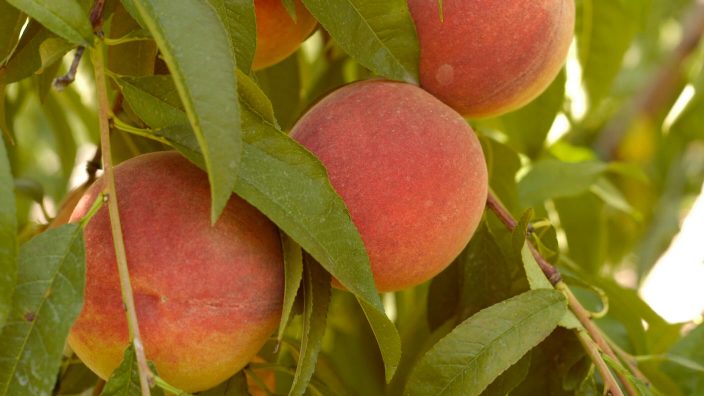
Supporting local agriculture is not only about showing up when the harvest is perfect. It is about showing up when the season has been hard.
Read More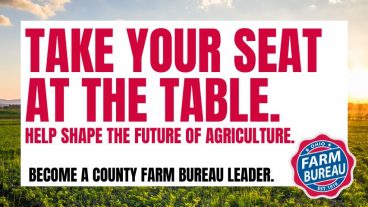
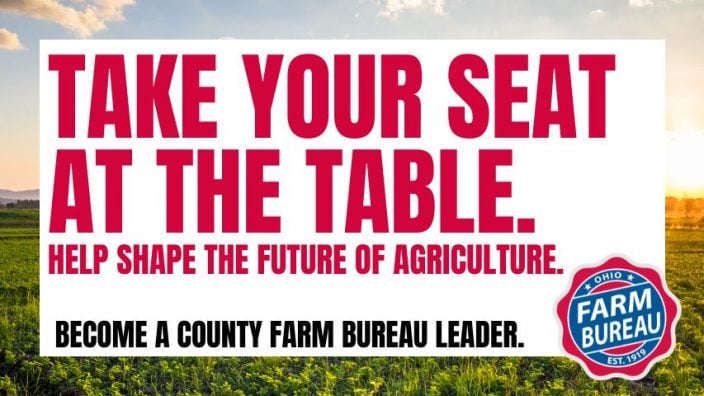
Our County Farm Bureau is seeking dedicated members who want to make a difference. Strong leadership starts with members who are willing to get involved.
Read More

June is National Dairy Month, and what better way to celebrate than teaching kids about farming while enjoying ice cream!
Read More
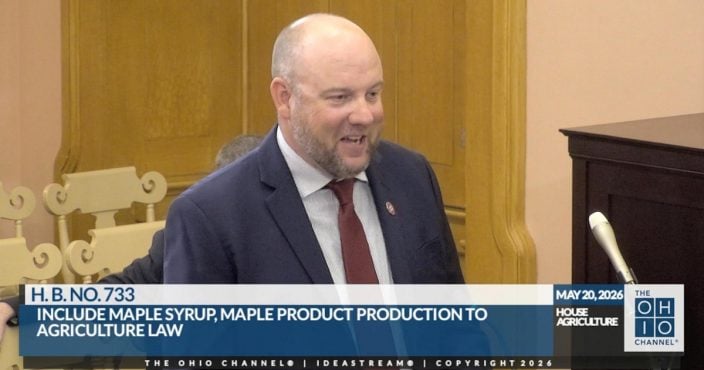
Introduced by Rep. Sarah Fowler Arthur (R-Ashtabula) and Rep. David Thomas (R-Jefferson), the bill would add trees cultivated for maple syrup production to Ohio’s statutory definition of agriculture.
Read More
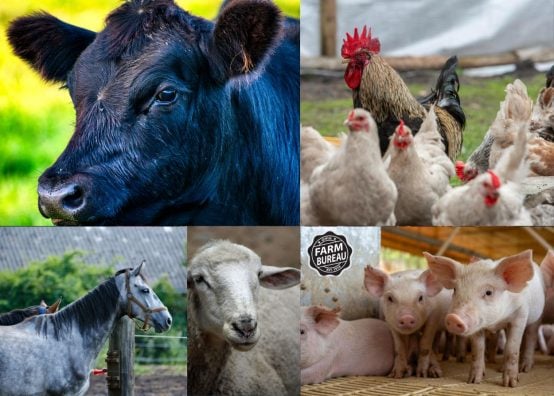
The Ohio Revised Code (Chapter 951) clearly states that it is unlawful to allow livestock to run loose, and the animal’s owner may be liable for any damages.
Read More
I hope you include 4-H and the local county fairs in the memories you make this summer!
Read More


I encourage each of you reading this, whether a dairy farmer or not, to make sure to learn one thing about the dairy industry this June and enjoy one extra dairy treat!
Read More