


Don’t forget to water your plants during the heat
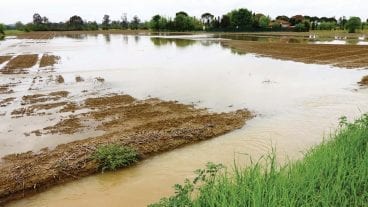
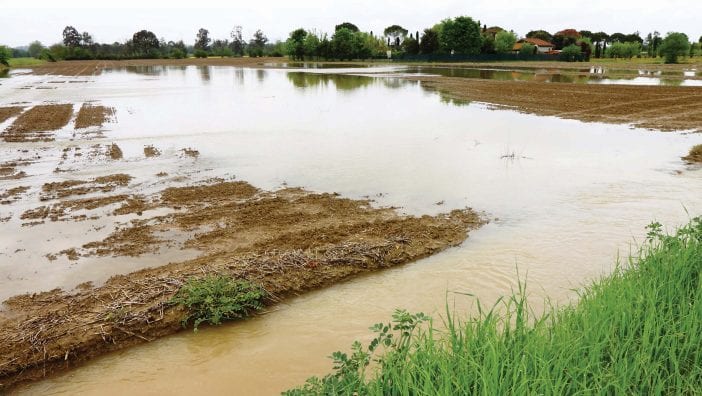
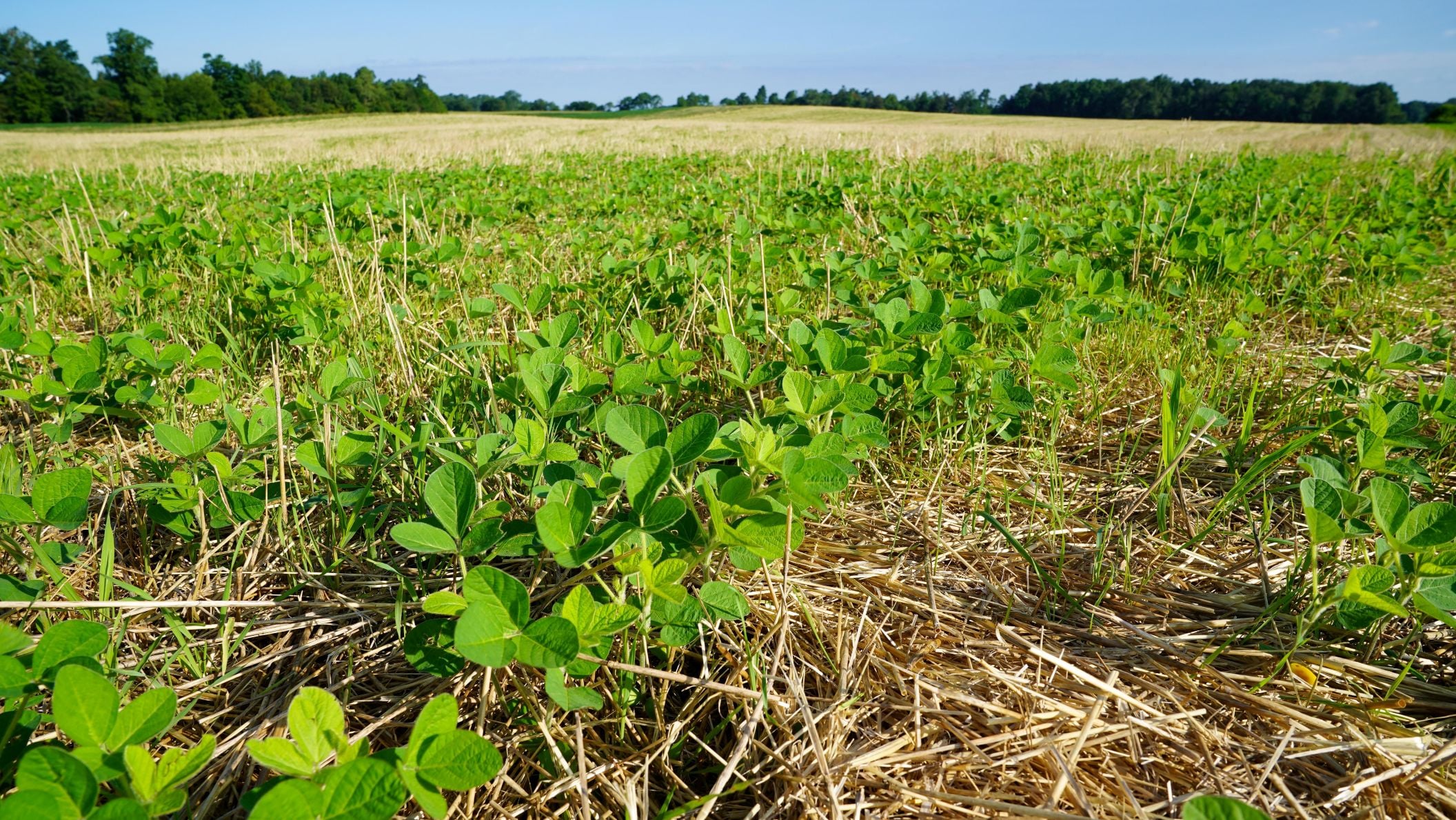
As a general rule of thumb, an inch of rain each week during the summer is needed for most plants.
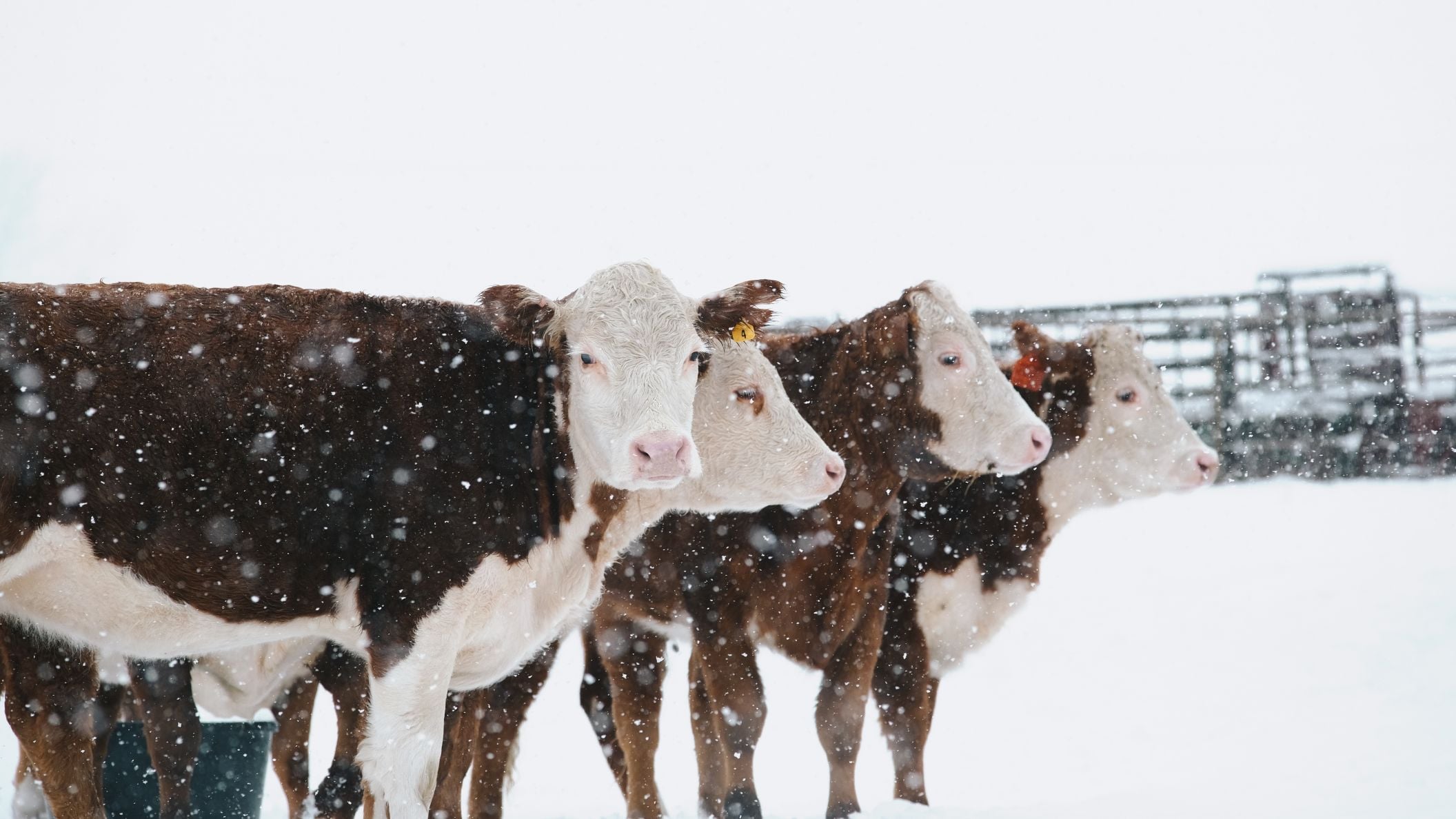
Read MoreBy the time you read this, we will have had a couple of days in the 30s this week. But as I am writing this article, we are headed into another weekend with below-average temperatures. Seems to be the theme of this winter. At least there shouldn’t be too much additional snow this weekend.
Sometimes I really miss having dairy cows, but I don’t miss the challenges a winter like this presents.
Water is always a challenge. Always checking water fountains. Even when they have heaters, livestock water fountains are susceptible to freezing when temperatures get extreme. Changing out frozen water buckets for calves that didn’t have fountains.
Did you know that an animal’s water consumption actually increases when they are trying to maintain body temperature? Remember, an adult dairy cow can drink 30 to 50 gallons of water a day.
Cold weather also means extra hay, feed and bedding. Livestock will consume extra calories to help maintain body temperatures.
Providing shelter that protects from the wind and snow is definitely important. Making the area as dry as possible with extra bedding also goes a long way in keeping the livestock comfortable.
I think what I dreaded most was calves being born when it was cold. Unlike beef cows, which are bred to calve in the spring or fall, dairy cows calve all year around. This keeps overall herd milk production steady throughout the year.
When our cows were getting close to calving, Gary would put them in a separate stall with plenty of clean bedding. Especially during the winter, we took turns throughout the night to check on them. If we still had the cows, I’m sure we would have a video surveillance camera to save us the extra trips out into the cold.
Calves and babies come when they are ready, sometimes early. I remember when Shrek was born. She was one of those early arrivals on a very cold night in the regular cow barn. Her young mama did a great job but didn’t get Shrek’s ears all cleaned and dried. She ended up having some frostbite on the edges of her ears. Gary found her in the morning and took great care of her. She was fine but lost the edges of her ears — thus the name.
Most livestock animals are well adapted to cold weather, but farmers take extra measures when extreme temperatures come. Really, measures like you take for your outside pets except we can’t bring them all in the house when it gets too cold — although I have known of special situations when some (lambs, kids, calves) have been brought into the house.
Oh, and I thought of something else that I really dreaded … removing frozen manure in the holding pen where the cows stood while waiting their turn to go into the milking parlor to be milked. If you weren’t careful, the scraper handle could bruise a rib if you hit those frozen cow pies wrong!
Submitted by Mary Smallsreed, a member of the Trumbull County Farm Bureau who grew up on a family dairy farm in Northeast Ohio.
OFBF Mission: Working together for Ohio farmers to advance agriculture and strengthen our communitiesl


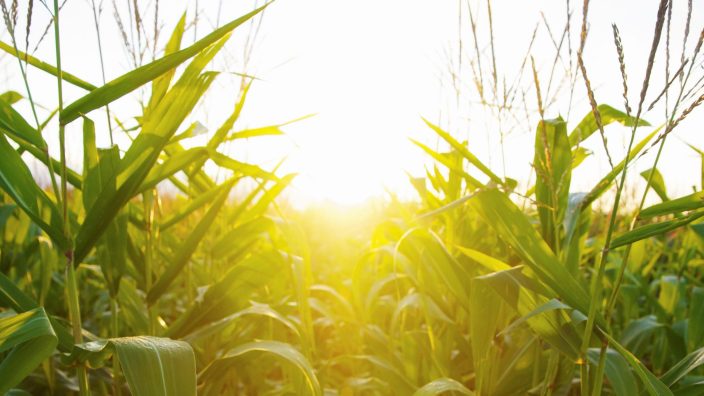
As a general rule of thumb, an inch of rain each week during the summer is needed for most plants.
Read More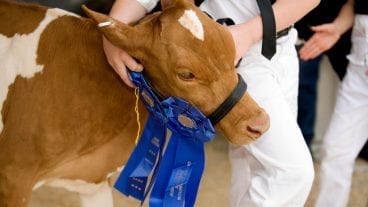
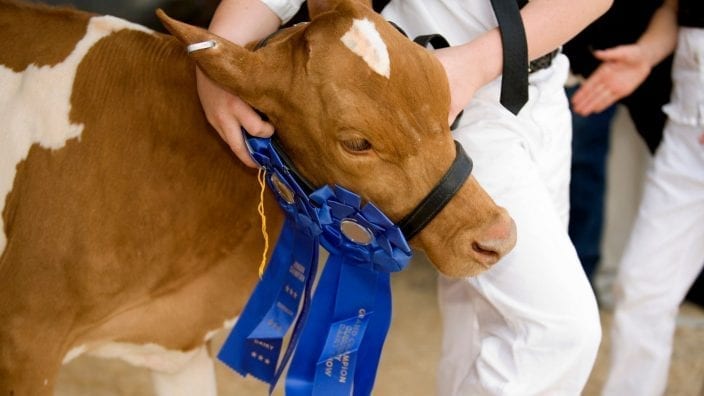
I hope you have plans to go to the fair as well. Continuing to learn is important, no matter your age. So, bring your questions and let’s have a conversation.
Read More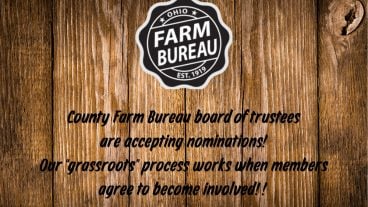
If you’ve ever thought about serving, now is the time. Agriculture needs your voice.
Read More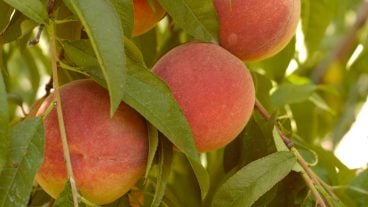
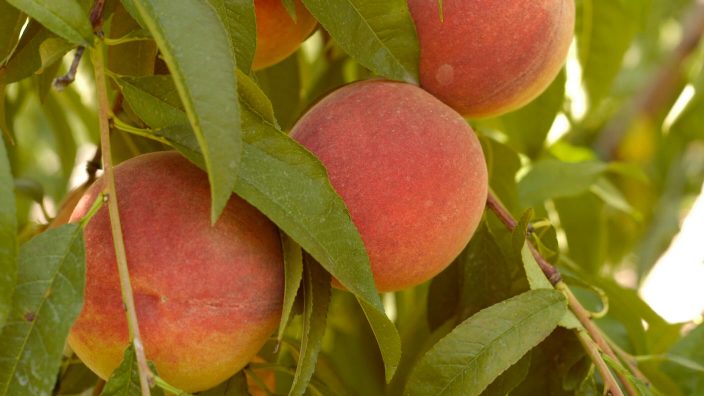
Supporting local agriculture is not only about showing up when the harvest is perfect. It is about showing up when the season has been hard.
Read More
Our County Farm Bureau is seeking dedicated members who want to make a difference. Strong leadership starts with members who are willing to get involved.
Read More
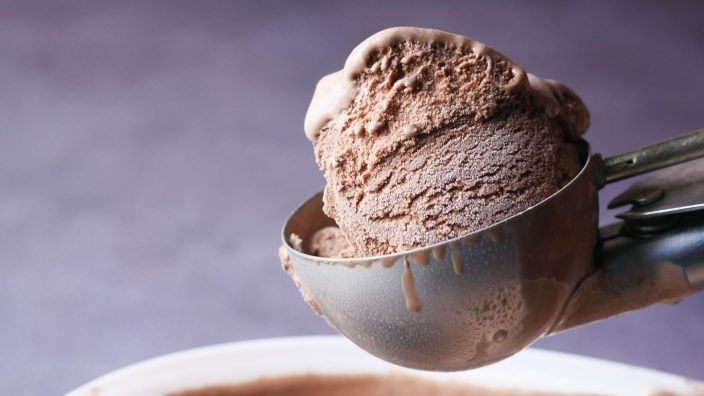
June is National Dairy Month, and what better way to celebrate than teaching kids about farming while enjoying ice cream!
Read More
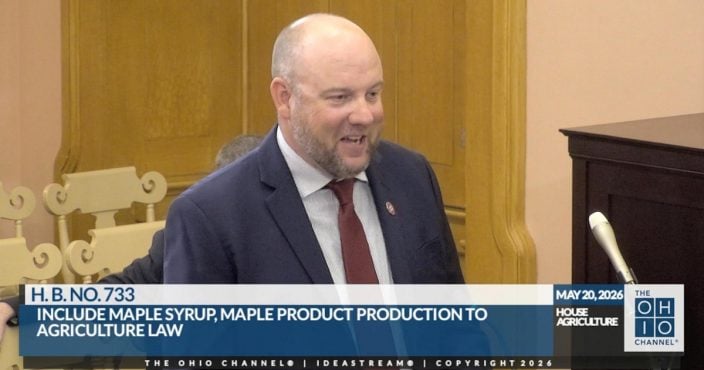
Introduced by Rep. Sarah Fowler Arthur (R-Ashtabula) and Rep. David Thomas (R-Jefferson), the bill would add trees cultivated for maple syrup production to Ohio’s statutory definition of agriculture.
Read More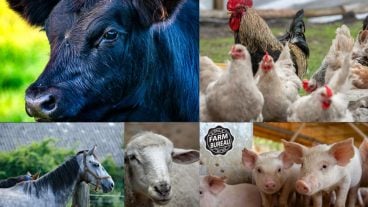
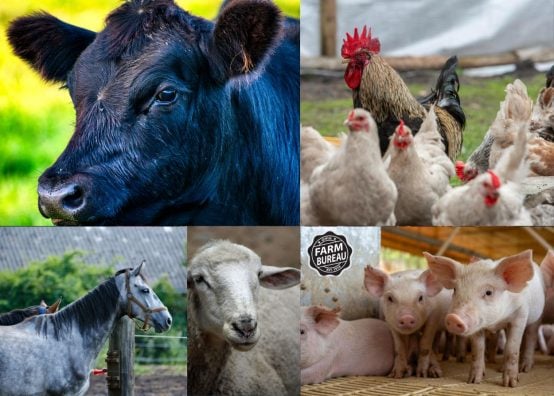
The Ohio Revised Code (Chapter 951) clearly states that it is unlawful to allow livestock to run loose, and the animal’s owner may be liable for any damages.
Read More

I hope you include 4-H and the local county fairs in the memories you make this summer!
Read More