


Applications for Ohio Farm Bureau Health Plans now available
Members have three ways to apply: contacting a certified agent, calling 833-468-4280 or visiting ohiofarmbureauhealthplans.org.
Read MoreIf he wants, Matt Aultman can now afford to pasture a few more Nigerian dwarf goats or maybe invest a little in his small orchard, beehives, sheep, tank-raised fish or his kids’ 4-H steers. Matt just got some much needed relief from exploding farm property tax bills. That’s good for him and good for the customers at his roadside market and at the local grocery he supplies.
CAUV stands for Current Agricultural Use Value. Ohioans put it in the state constitution in 1973. The system taxes land on its value for farming, which is lower than its value if turned into strip malls and housing tracts. It achieved the goal of keeping land in farming. But in recent years, nonfarm factors in the complex CAUV formula led to farm property taxes shooting up by an average of 307 percent, which cost small farmers like Matt thousands of dollars and cost bigger family farms tens of thousands. At the same time, farm income experienced the second biggest drop in history. So, Farm Bureau members got busy.

Thousands of phone calls, emails and personal visits by members and much work by Farm Bureau staff resulted in regulatory and legislative changes that reduced average farm valuations by 30 percent. I tip my cap to the members who made this happen, and I thank the lawmakers who supported our efforts.
While CAUV reform is clearly good for farmers and their customers, questions remain about the implications for our broader communities. Matt, for example, needs to sort things out as not just as a farmer but also as a county commissioner and the spouse of a school teacher. He thinks the impacts will be manageable. So do I.
A more fair property tax system is good for Ohio. Matt shared a story that I think makes my case. Early in his farming career, Matt listened to an elderly farmer who offered these thoughts: “The greatest economic development tool to a community is a prosperous farmer. They’ll spend their money with local businesses and local service groups. They have the pride to make where they live better so that it’s a place their children will want to work and live as well.”
Matt says when he looks around his community today, that’s exactly what he sees. Me, too.
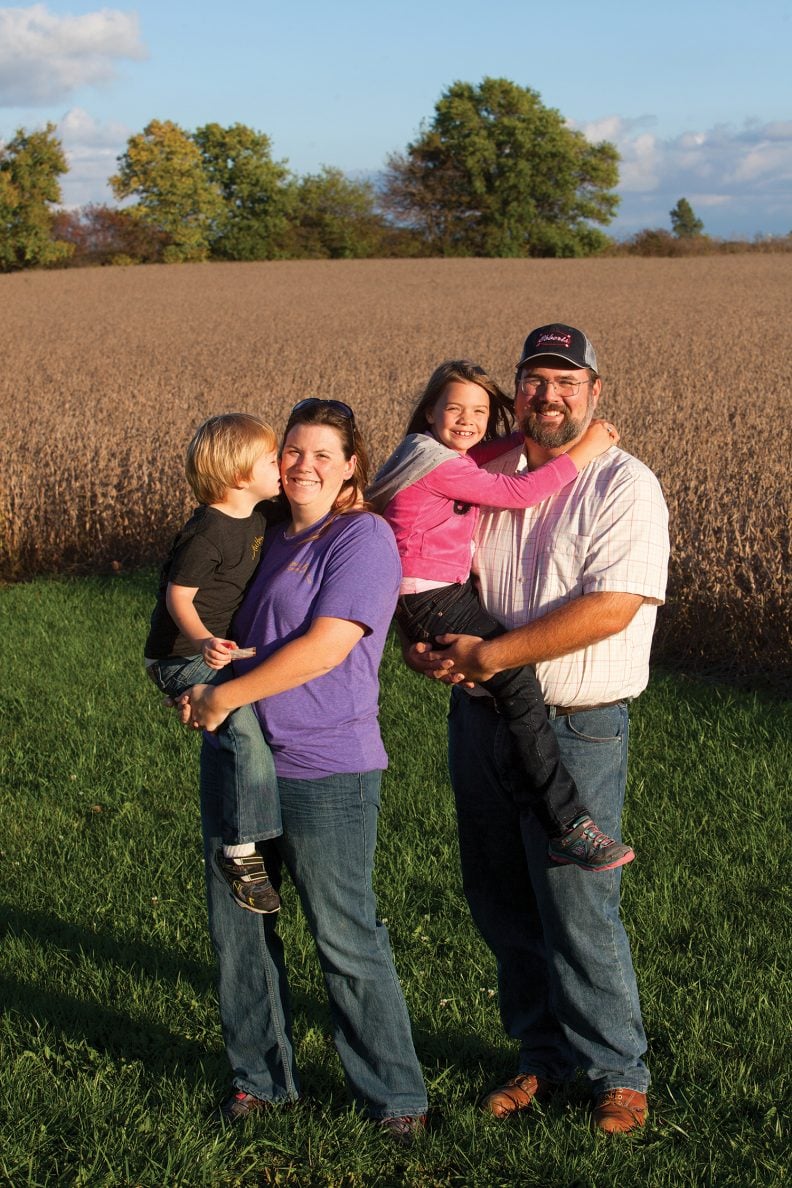
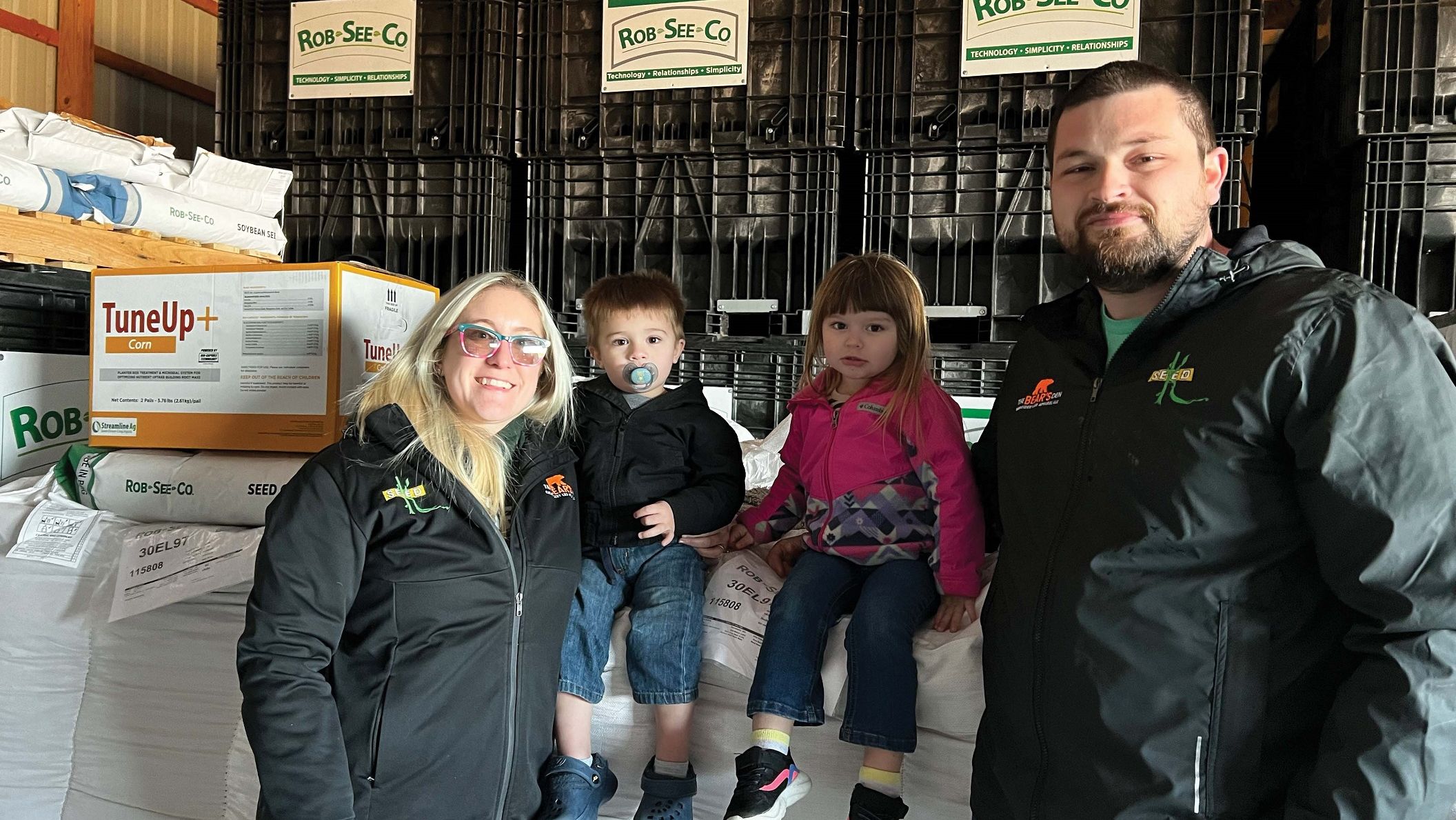
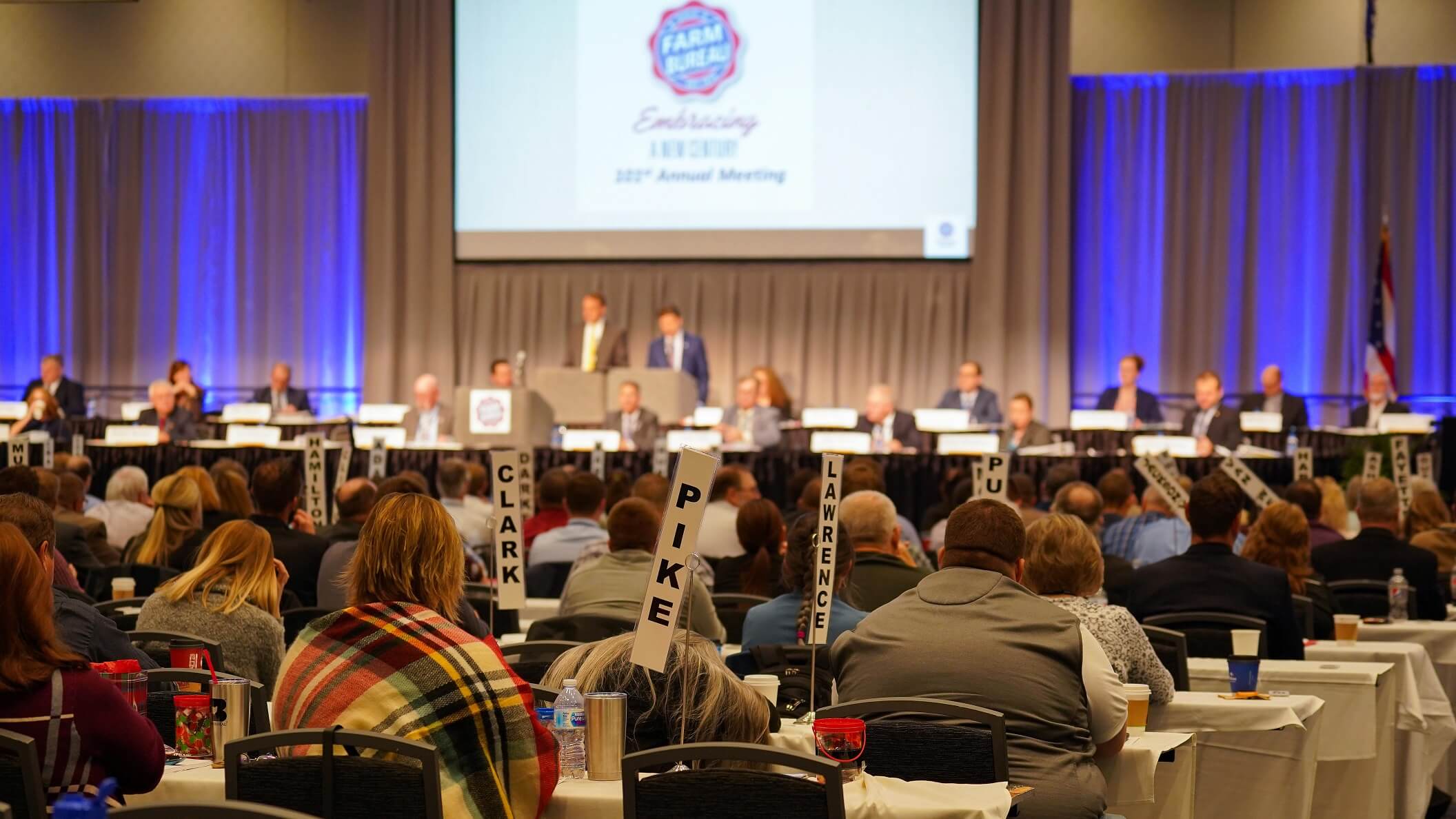
Feature Image: Morgan and Matt Aultman and family on their Darke County farm.


Members have three ways to apply: contacting a certified agent, calling 833-468-4280 or visiting ohiofarmbureauhealthplans.org.
Read More
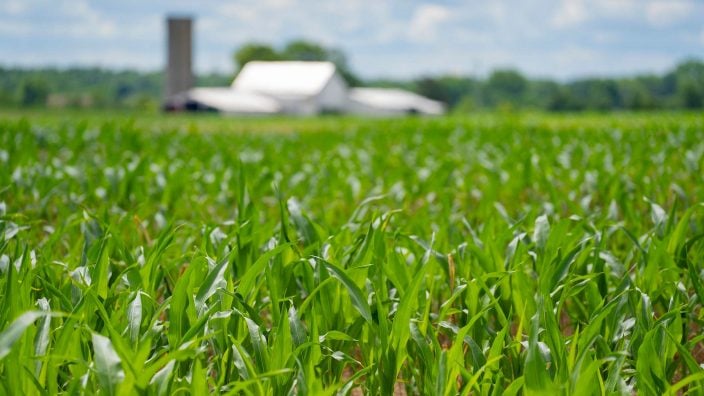
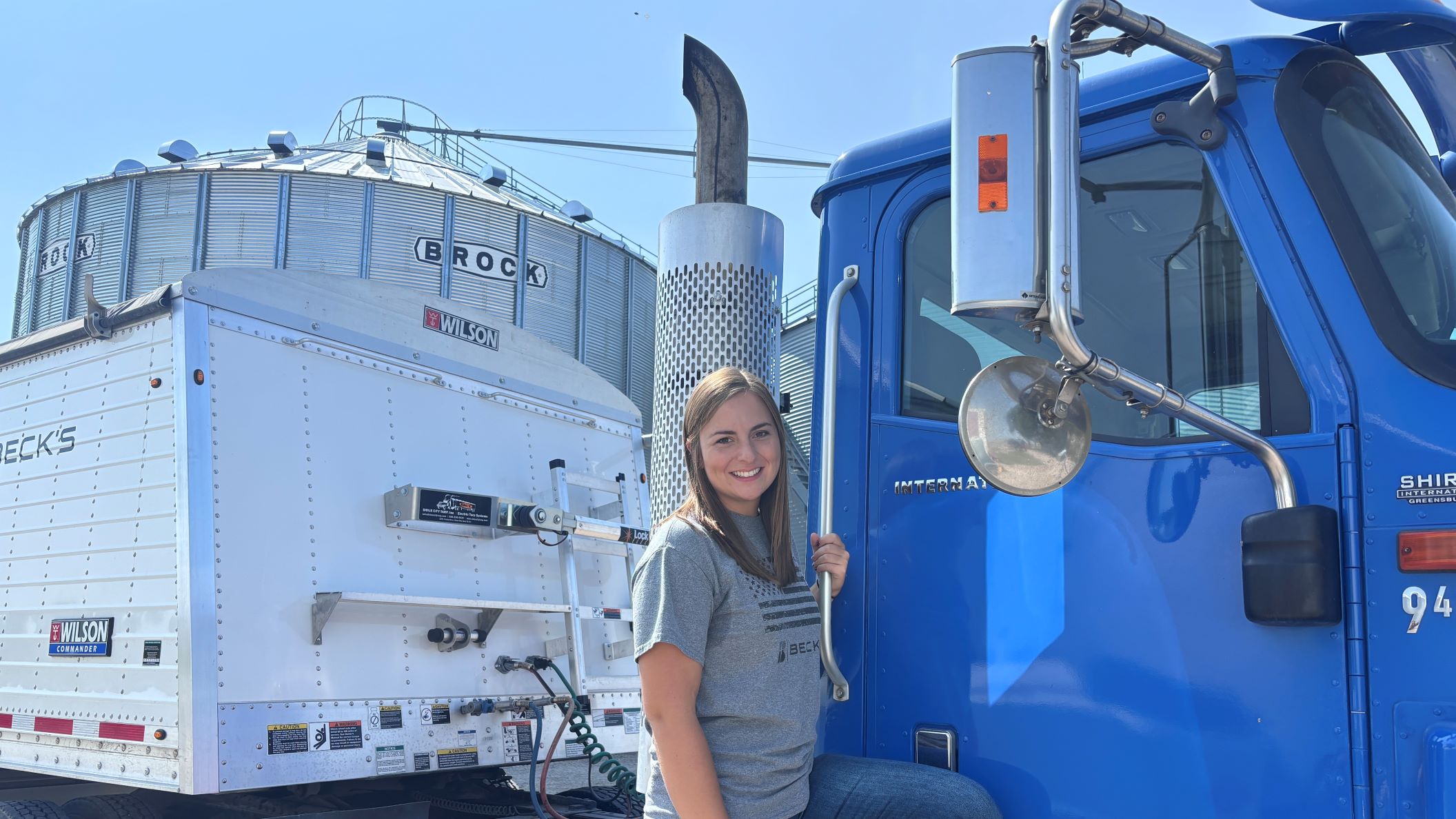
Meet Mattea Shockling, agricultural navigator serving Noble, Guernsey and Morgan counties.
Read More

Leah Curtis discusses Rails to Trails projects, potential impact on farmland when these conversions happen and Farm Bureau’s role in a North Carolina case.
Read More
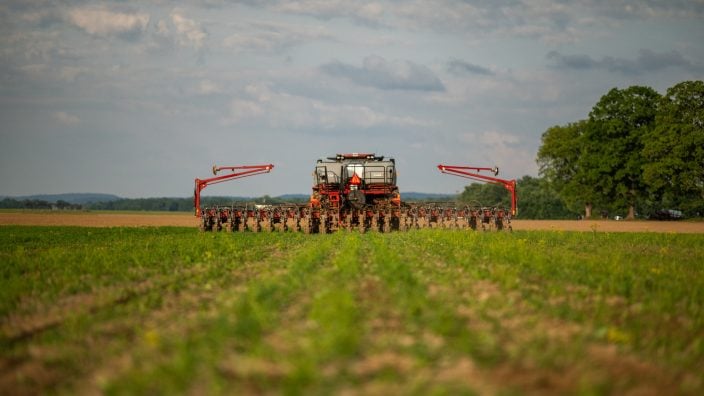
While often seen as paperwork, a balance sheet is actually one of the most important tools producers have for evaluating risk and making informed decisions.
Read More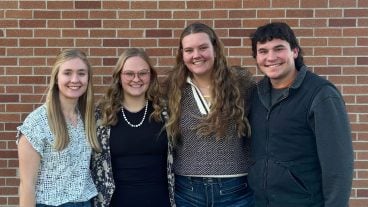
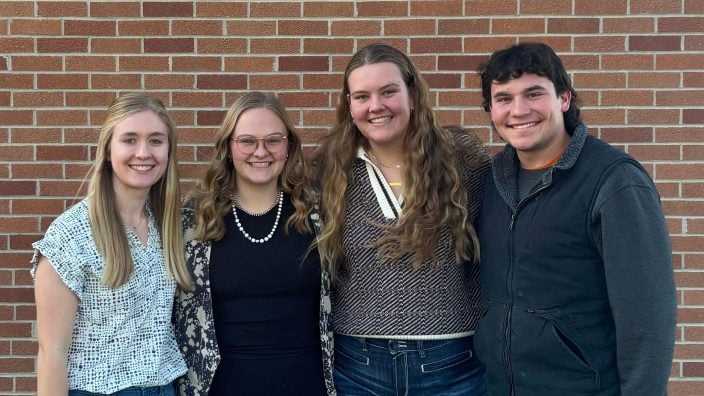
Collegiate Farm Bureau creates opportunities for students to connect with Ohio’s agricultural industry, develop leadership skills and prepare for careers in food and agriculture.
Read More
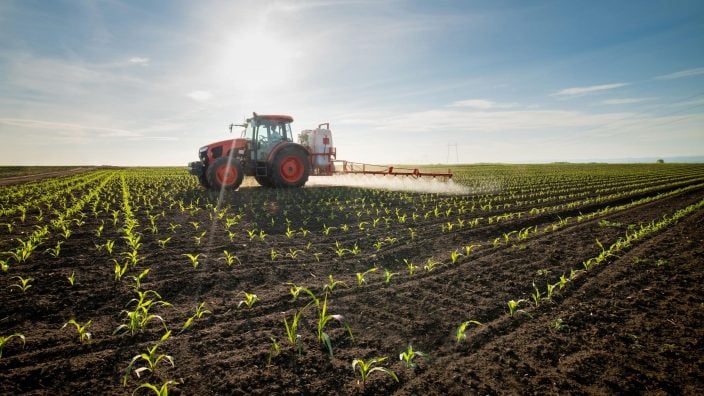
In response to current fertilizer market conditions, American Farm Bureau recently surveyed farmers regarding fertilizer availability and affordability for their…
Read More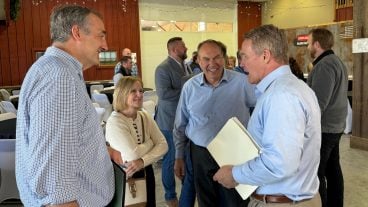
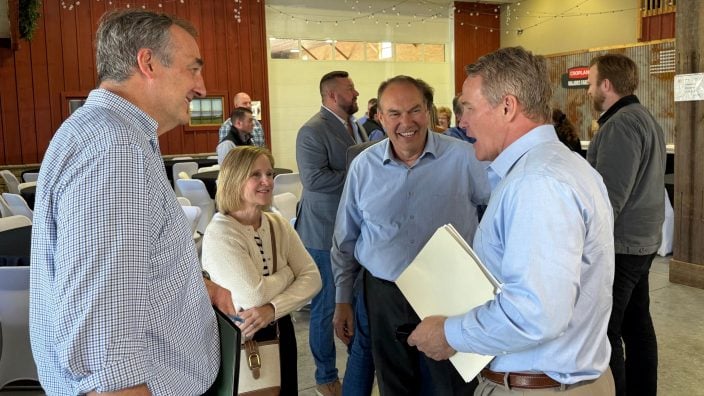
OFBF leadership participated in several key discussions with current and prospective lawmakers, bringing to light the real-world challenges Ohio farmers are facing.
Read More
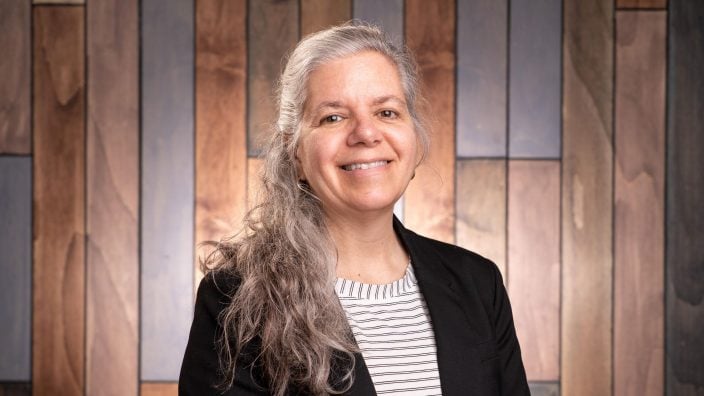
Karen Mohr of Union County has been named senior accounting assistant for Ohio Farm Bureau.
Read More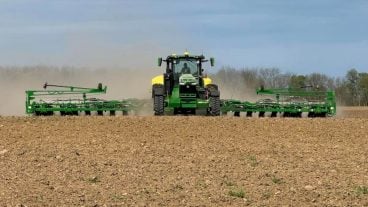

EPA released new guidance allowing diesel equipment manufacturers to move away from traditional DEF quality sensors and use alternative technologies, such as nitrous oxide sensors.
Read More
The report provides a data-driven look at conservation practices across the Western Lake Erie Basin and emphasizes farmers are doing their part in water quality.
Read More