



Cows make Christmas extra cheerful
It might seem like a real chore to have to take care of the animals before any Christmas gifts or meals can happen, but to me it is such a special time.
Read MoreYou know that feeling — one minute you’re hot, the next freezing. Nothing stays down, and all you do is lay on the couch, hoping that time will pass quickly. We all know that feeling — the dreaded influenza. Well, here’s the thing: humans aren’t the only ones who can suffer from influenza or the flu. There is dog, horse, swine and avian flu.
Each one of these types of flu has many subtypes. Like human flu, which has subtypes A, B, C and D, zoonotic influenza has many different types. Swine flu contains four main subtypes, but numerous others can exist. Horse and dog flu contain two main subtypes as well. However, avian influenza contains 16 HA subtypes and 9 NA types (CDC, 2024).
So why is all this important? Well, similar to how flu season can be deadly to humans (between 36,000 to 52,000 people die annually in the U.S. from the flu), zoonotic influenza can be just as fatal for animals. If you have been to the grocery store lately, you might have noticed the price of eggs is rising. While many might say the economy is at fault, poultry farmers face astronomical avian influenza rates that lead to flock deaths.
Avian influenza H5N1 is the culprit; avian flu appeared in the U.S. in January 2022. At the time, it was detected in wild birds; the first signs of H5N1 in a commercial flock did not appear until February 2022. April 2022 saw the first case in humans, and in March 2024, the first case of H5N1 was seen in U.S. dairy cows and agricultural workers who tended to these cows.
While the risk to the general public is low, the risk to other animals is a concern. Think about it like this: what happens when one person in a household gets the flu, especially a child? Doesn’t the flu end up going through everyone in the house? It did in my house growing up. Why? Well, first, as kids, we touch everything. Like human flu, H5N1 can be spread by touching contaminated equipment or animals. As kids, we weren’t great at covering our mouths when we coughed; it turns out that neither are animals, which is another transmission source. And well, how many times have we seen a sick kid grab something, take a bite and then pass it off to another kid or an unsuspecting parent? The same thing can happen with H5N1: feeding raw or unpasteurized milk to animals like cats can spread H5N1.
So how has all this spread affected poultry farmers and, therefore, the price of eggs?
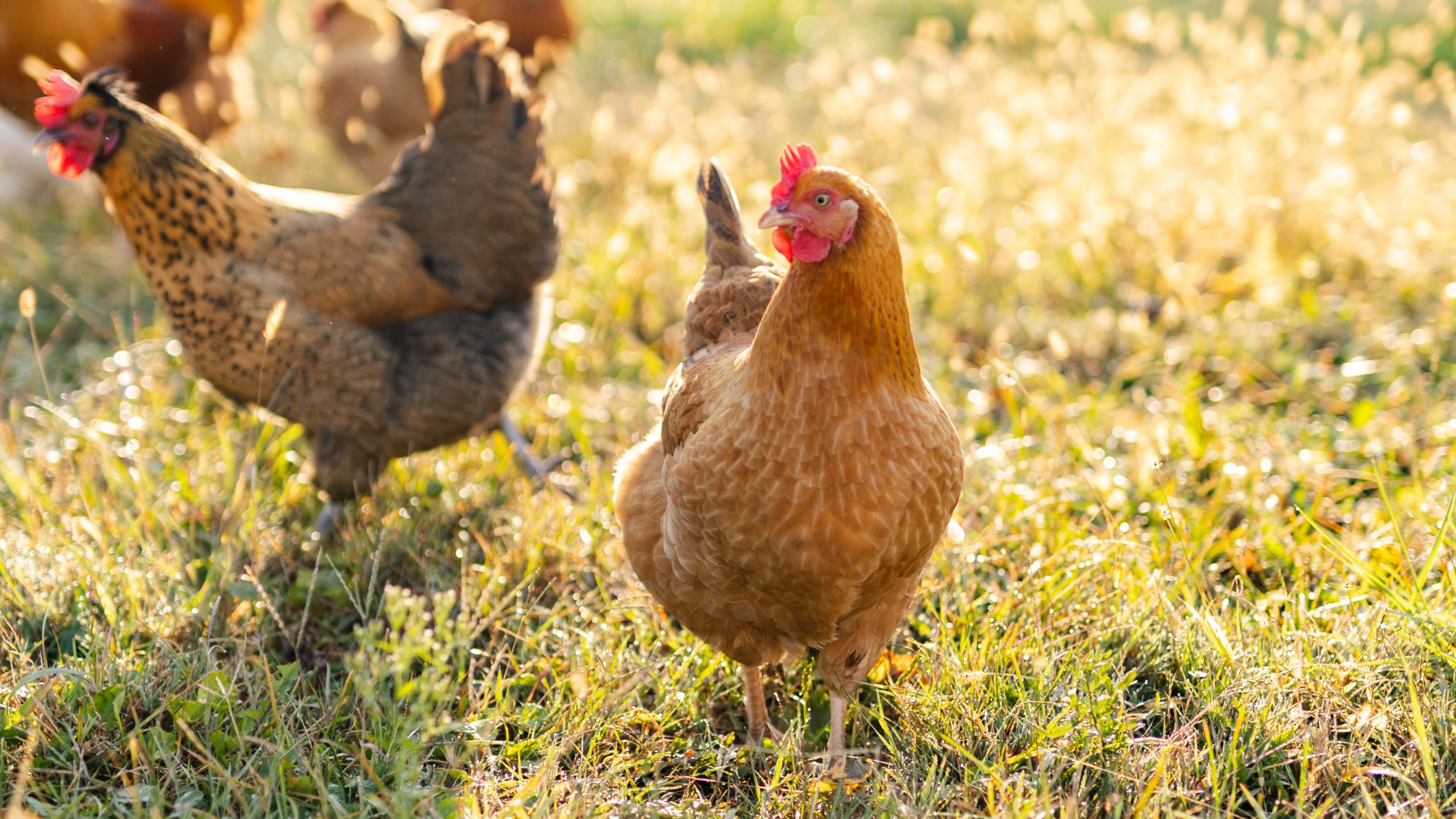
The United States raises approximately 520 million chickens and 218 million turkeys, depending on the year (Statista). Of those 520 million chickens, approximately 308 million are egg-laying hens (Statista). The USDA estimates that since 2022, 138.7 million birds have been affected by H5N1, with almost 20 million egg-laying chickens dying (CDC). In 2023, the top poultry states were Iowa with 54 million chickens, Ohio with 52 million and Indiana with 45 million (Statista). In the past month alone, Ohio has lost nearly 6 million birds, and many of those chickens have been egg-laying producers and turkeys. In fact, according to the University of Nebraska Medical Center, Ohio is leading the nation in bird flu cases, which is a huge problem since we are the number three producer of eggs (WattPoultry). These astronomical losses have then driven up the price of eggs.
While hens may live six to eight years, they are only productive layers for about three to four years. As the hens age, the quality of their eggs decreases; therefore, commercial laying facilities only get about two to three years of production from their chickens. Depending on the breed, hens may start laying eggs at about 18 weeks old.
Hens need ideal conditions to produce eggs. This means 14 to 16 hours of light, adequate nutrition and housing. Ovulation, when the yolk is released from the ovary, happens every 24 to 26 hours. It takes 26 hours for an egg to form fully, shell and all. So, each day, a hen will lay her egg later and later, and eventually, it will be too late for ovulation to be signaled. This means that the hen will skip at least a day of laying.
So, while eggs might be a simple protein that we take for granted at breakfast every morning, the reality is that getting a hen to stay healthy and lay eggs is rather complicated. With the addition of H5N1 and the deaths of poultry it is causing, it is little wonder that egg production is down and prices are up. So, while it’s okay to bemoan the higher prices of eggs, we must also be aware of why prices are rising and the risk that H5N1 can carry for humans. While the risk is very low for humans getting sick with H5N1, we know that germs are constantly mutating and looking to stay alive and infect more animals or people.
The Centers for Disease Control recommends that people with backyard chickens wash their hands after handling their chickens, especially if they suspect their flock may have been exposed to H5N1. Additionally, the CDC has warned that drinking raw, unpasteurized milk can carry the risk of H5N1 since several dairy herds have been infected.
So, while breakfast eggs may be taking a hit right now, hopefully, if we treat H5N1 with the respect it deserves and use science to come up with innovative solutions, soon, breakfast will be filled with all the eggs you desire and at a reasonable price.
Submitted by Christen Clemson, a member of the Trumbull County Farm Bureau and completed her Ph.D. at the Pennsylvania State University. She and her family farm in Mecca Township.
OFBF Mission: Working together for Ohio farmers to advance agriculture and strengthen our communities.


It might seem like a real chore to have to take care of the animals before any Christmas gifts or meals can happen, but to me it is such a special time.
Read More

Happy Thanksgiving, Everyone! I say it every year, but Thanksgiving is my favorite holiday. The gathering of friends and family…
Read More

We need to get back to being people who see the good before the differences. Because when agriculture thrives, communities thrive.
Read More

As we pull on our hoodies, light our jack-o’-lanterns and sneak just one more piece of candy, we can thank agriculture for giving us the most spooktacular night of the year.
Read More

It is currently illegal to sell unpasteurized milk in Ohio. There is a renewed interest in raw milk sales, so that could change.
Read More
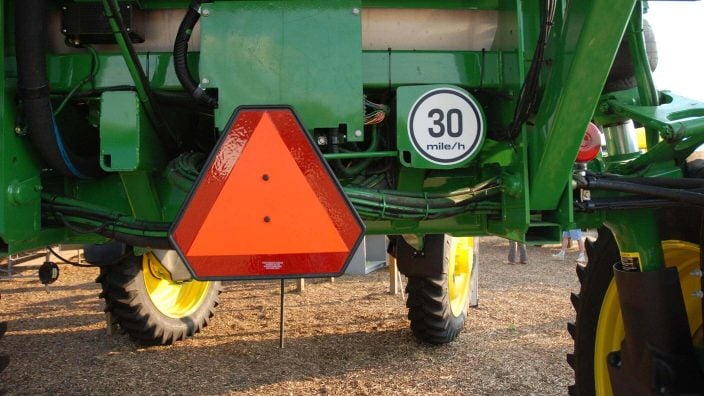
Fatigue and stress can sneak up on even the most seasoned farmer. Please, take care of yourselves.
Read More
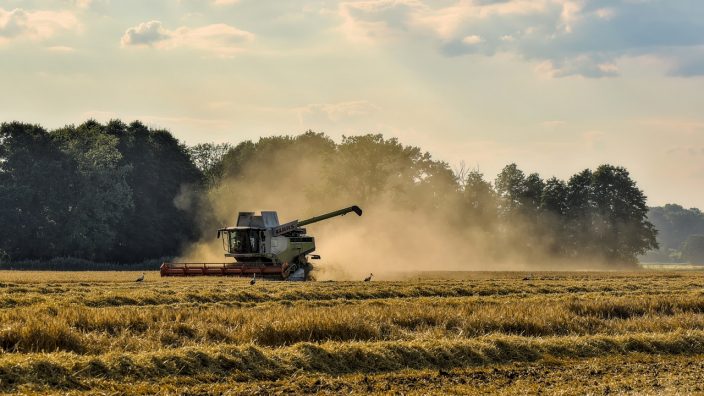
Traveling on roads with large, often oversized equipment adds to the stress.
Read More
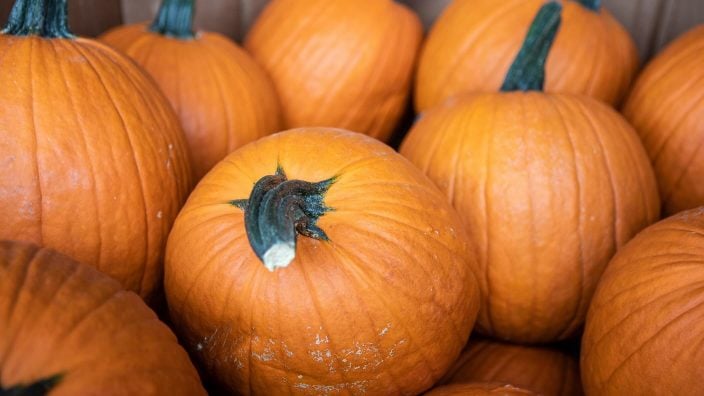
Much of Ohio’s pumpkin crop ends up at farm markets, roadside stands and patches where families pick out carving pumpkins and pie pumpkins by hand.
Read More
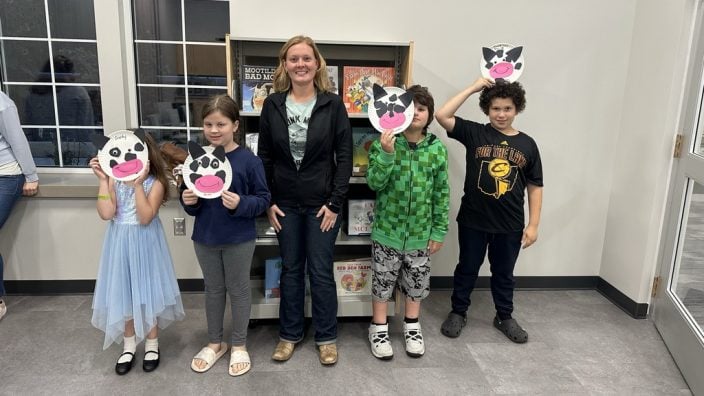
Seeing these events be so successful and having kids so excited and eager to learn is truly heartwarming.
Read More

CEA will not replace traditional farming, but it is helping our food supply be more sustainably produced in the United States.
Read More