




Applications for Ohio Farm Bureau Health Plans now available
Members have three ways to apply: contacting a certified agent, calling 833-468-4280 or visiting ohiofarmbureauhealthplans.org.
Read MoreNow that you’ve survived driving in this past winter’s road conditions, getting around in spring should be a breeze, right? Not exactly.
Spring presents its own unique challenges to motorists, experts say. For starters, there can be a “letting your guard down” mentality that sets in as the ice and snow have melted away, and pure giddiness over rising temperatures prompts a sense of abandonment. But there are special, seasonal challenges that drivers need to keep in mind:
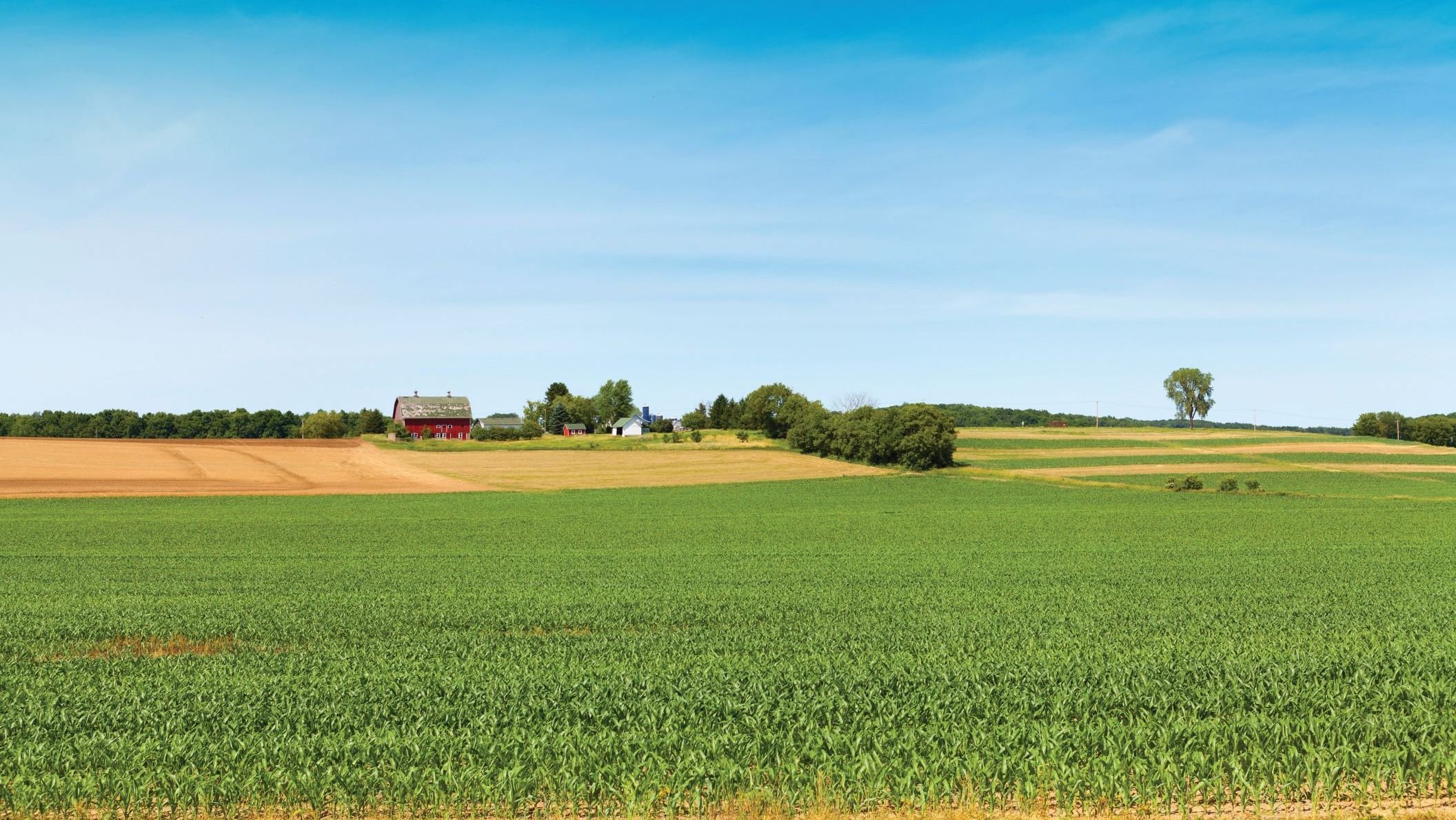
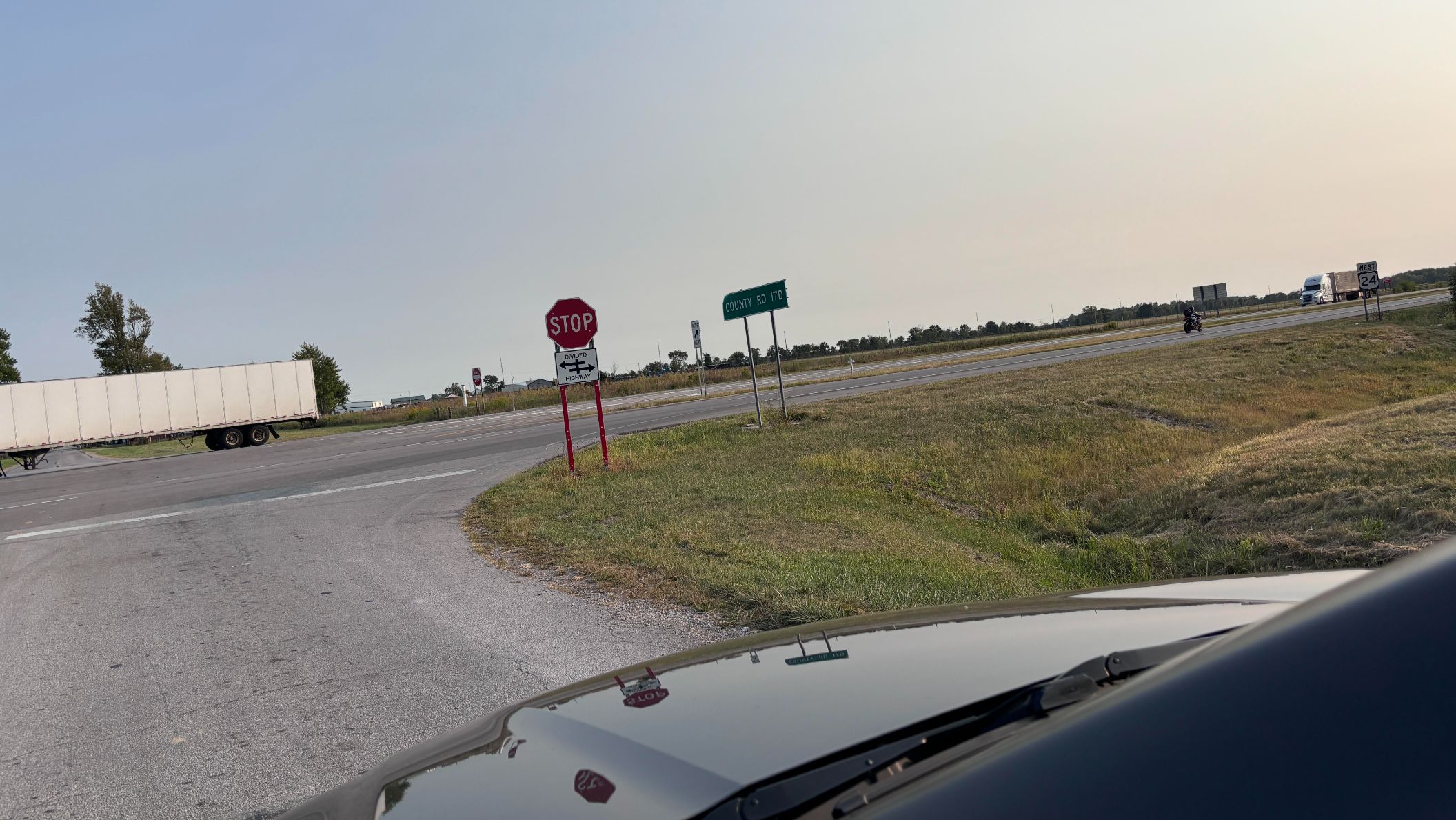
Finally, spring means planting season for farmers and more farm equipment being driven on main roads as farmers move from field to field. Nationwide’s website Rural Road Safety is dedicated to information, tools and resources to assist farmers and motorists in making balanced decisions and smart choices when traveling on rural roads.
“Nationwide is taking a stance on rural road safety to increase awareness around the risks of navigating large farm equipment on rural roads,” said Brad Liggett, president of Nationwide Agribusiness. “Our hope is to drive awareness of the safety procedures and common sense practices that can help everyone in these situations share the road safely.”
This website serves as the central hub where farmers and the public can gain valuable insight to help keep themselves and their communities safe.
Nationwide, Nationwide is on your side, Join the Nation and the Nationwide N and Eagle are service marks of Nationwide Mutual Insurance Company.
*A.M. Best, 2013 DWP. Based on premiums written. Conning Estimated Insurer Market Share Distribution.
Nationwide and the Nationwide N and Eagle are service marks of Nationwide Mutual Insurance Company. We Stand For You is a service mark of Nationwide Agribusiness Insurance Company. © 2017 Nationwide.
Contributed by Nationwide Mutual Insurance Company, which is endorsed by Ohio Farm Bureau.



Members have three ways to apply: contacting a certified agent, calling 833-468-4280 or visiting ohiofarmbureauhealthplans.org.
Read More
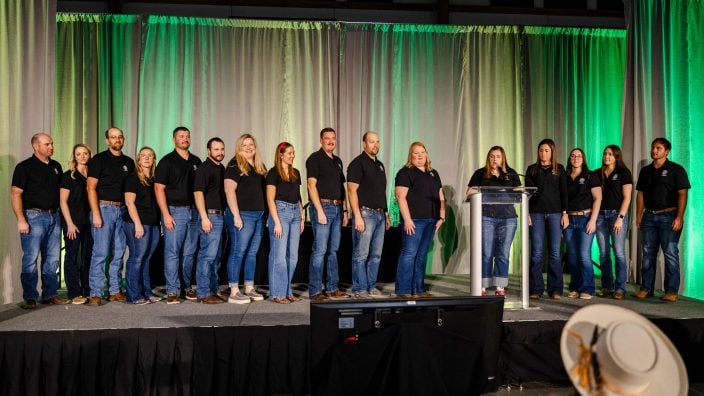
Members ages 18-34 who are interested in developing their leadership skills and enhancing programming for their peers should apply.
Read More

Senate Bill 328 is legislation designed to strengthen career-connected learning and better prepare students for Ohio’s workforce needs.
Read More

With the Family Forest Carbon Program, you can have a successful farm and get paid to grow healthy forests.
Read More
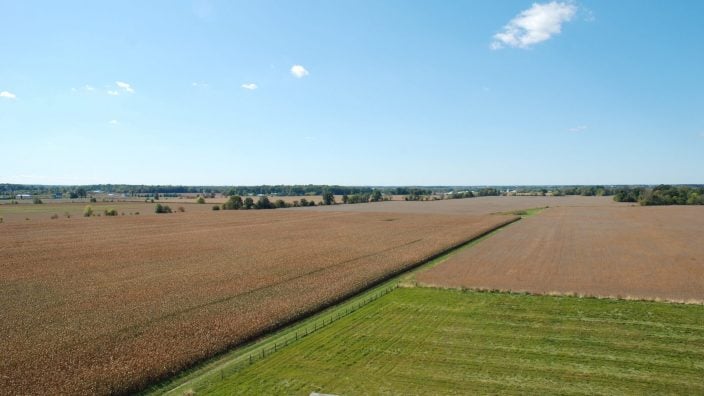
Ohio Farm Bureau recently sent a letter to Congress calling for the swift passage of the Farm, Food, and National Security Act of 2026 (HR 7567).
Read More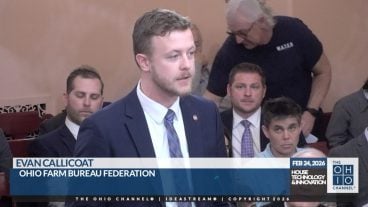
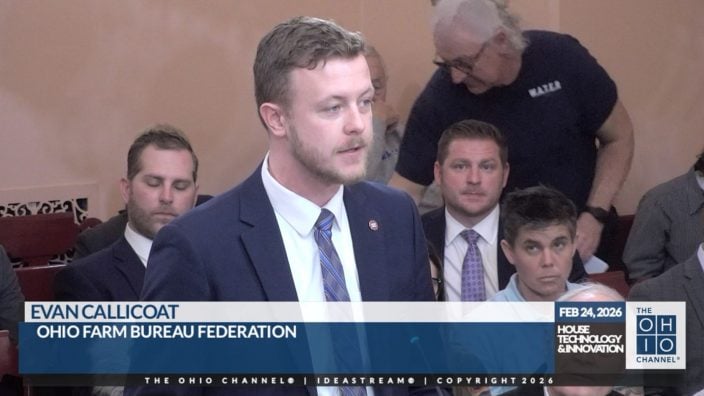
House Bill 646 would establish a Data Center Study Commission to examine the impact of rapid data center development across the state.
Read More
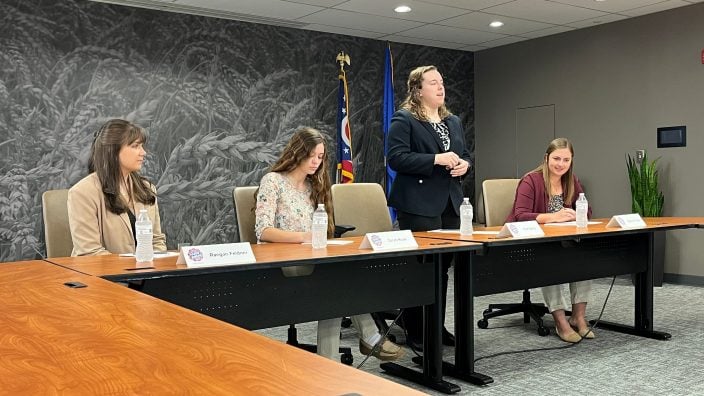
Collegiate Farm Bureau serves as a connection to current industry professionals and equips the next generation with the essential tools and resources needed to excel in their careers.
Read More

Ohio Farm Bureau members met one-on-one with state legislators and staff to discuss policy priorities impacting Ohio’s farms and rural communities.
Read More

Legacy nutrient deductions enable new farmland owners to claim deductions on the nutrients within the soil on which healthy crops depend.
Read More
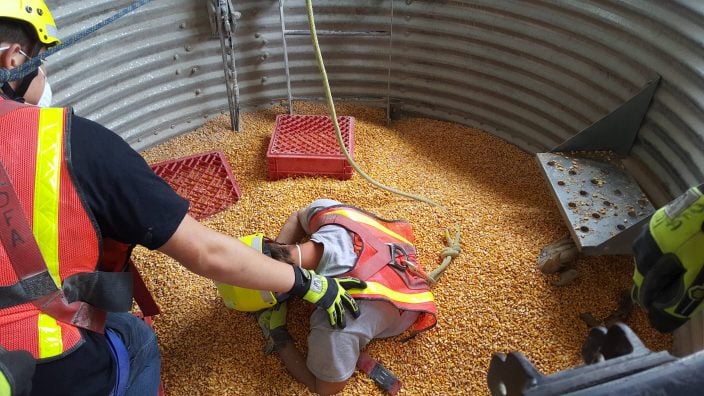
Farmers, agribusinesses and community members are encouraged to nominate their local fire departments for Nationwide’s Nominate Your Fire Department Contest through April 30.
Read More