





Applications for Ohio Farm Bureau Health Plans now available
Members have three ways to apply: contacting a certified agent, calling 833-468-4280 or visiting ohiofarmbureauhealthplans.org.
Read More
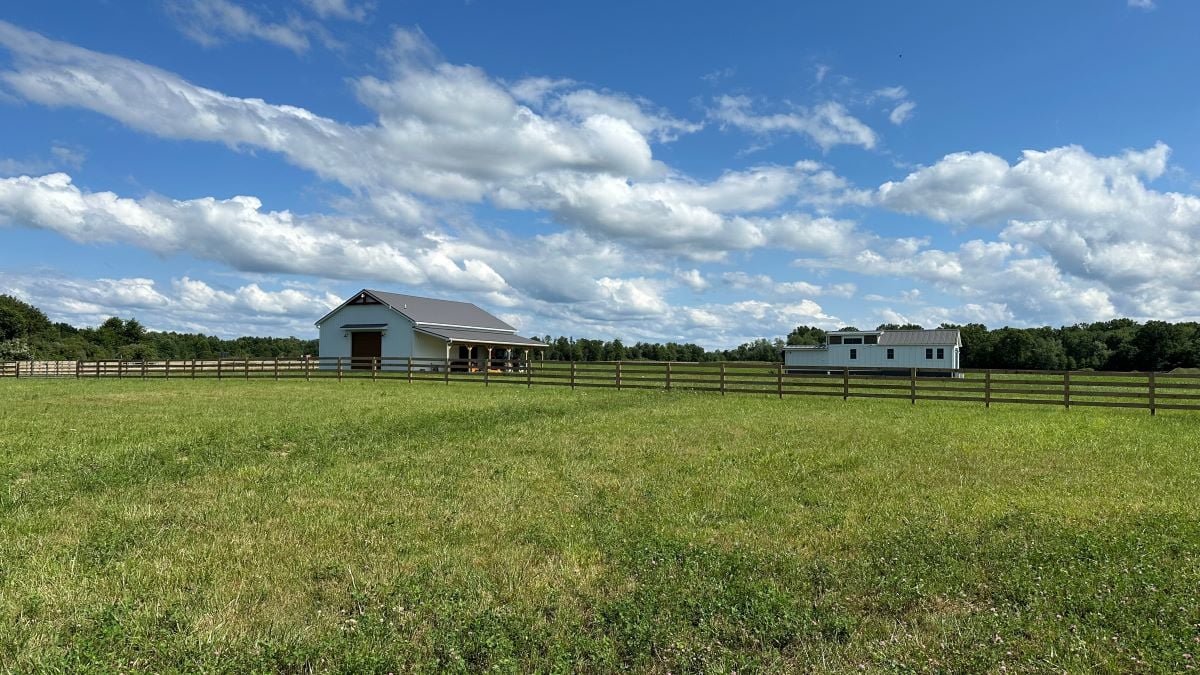
Not far off a two-lane road on the outskirts of rural Edon, a large pine tree engulfs the front yard of a quintessential two-story, red brick farmhouse.
Revealed past what there are of the rolling hills in this part of northwest Ohio are three horses grazing in a field not far from the driveway and a barn that has seen better days resting at the edge of the backyard.
Here is where Williams County Farm Bureau member Conrad Alexander quietly goes about the business of running his one-man horticulture operation. After years of working in manufacturing as a mechanical engineer, he returned to working on the family homestead, which dates back to the 1880s. He decided a good way to make a living was to cultivate rose bushes.
A man of few words, Alexander doesn’t go into detail as to why he picked growing flower bushes as his current endeavor in life, but when the topic steers from him to the flowers in question, he’s a walking, talking rose encyclopedia.
Get him started on that subject and with a slow, knowing grin he can expound on hearty varieties he grows for customers all over the country, particularly the variety of rugosas he grows on his family’s property.
“They are pretty foolproof, hardy to the tips and disease resistant,” he said. “They are easier than knock out roses…and they have a fragrance. Knock Out Roses don’t and (rugosas) are just as easy to take care of.”
Alexander’s business, Rose Fire Nursery, specializes in the propagation of antique roses on their own roots, which means they cut part of the parent plant root to create a new plant. Those plants are started in one gallon pots with well established root systems and then sold online.

“We try to do our own cuttings,” he said. “There are very few wholesalers who do their own root.”
Alexander’s backyard is not what you would expect. There are only a few rose bushes blooming on the side of the red barn and more toward the front of the property. The rooted cuttings are moved to larger pots and grown outside until November. Around Thanksgiving the plants are moved inside to the greenhouse for the winter. In 2016 Alexander cultivated over 2,000 cuttings.
“People order the plants they want,” Alexander explains, “then once a week on Monday I go to the post office and ship them. I do some retail and some landscaping but mostly to people’s homes.”
Alexander has shipped rose bushes out to California and all the way to Alaska, but his main customer base resides in the Midwest and on the East Coast—in growing zones that may not lend themselves to having blooming roses for weeks on end. He ships from early April until the end of June for the spring season, then has a short autumn shipment window six weeks after Labor Day.
Once his rose bushes reach their destination, Alexander said the care for them is easy. He tells customers just to plant the roses and keep them well watered for the first six weeks to establish the root system.
It is disease, not weather, that is the biggest threat to the plants, he said. Rose rosette disease continues to be a serious threat to all types of roses, even rugosas.
“It is carried by a wingless mite that can destroy a plant in two to three years if it is infected,” he lamented. “It’s getting more widespread.”
Despite the potential threat, Alexander plans to keep the heritage roses blooming. All but about 20 acres of the 100-acre property his family purchased about 10 years after the Civil War is part of the Conservation Reserve Program (see sidebar) and, other than the horses, he doesn’t plan to have livestock as his ancestors did. He only plans to plant more flowers.
He even has a plan to bring part of a family-heirloom rose his grandmother planted back to its original home in Edon. It’ll be tricky, he said, because the roots of the particular rose he wants to bring home are rife with rose suckers.
But you can already see his engineering mind, and his wide knowledge of all things roses, quietly trying to find a way to figure it out.



Members have three ways to apply: contacting a certified agent, calling 833-468-4280 or visiting ohiofarmbureauhealthplans.org.
Read More
Members ages 18-34 who are interested in developing their leadership skills and enhancing programming for their peers should apply.
Read More

Senate Bill 328 is legislation designed to strengthen career-connected learning and better prepare students for Ohio’s workforce needs.
Read More

With the Family Forest Carbon Program, you can have a successful farm and get paid to grow healthy forests.
Read More

Ohio Farm Bureau recently sent a letter to Congress calling for the swift passage of the Farm, Food, and National Security Act of 2026 (HR 7567).
Read More
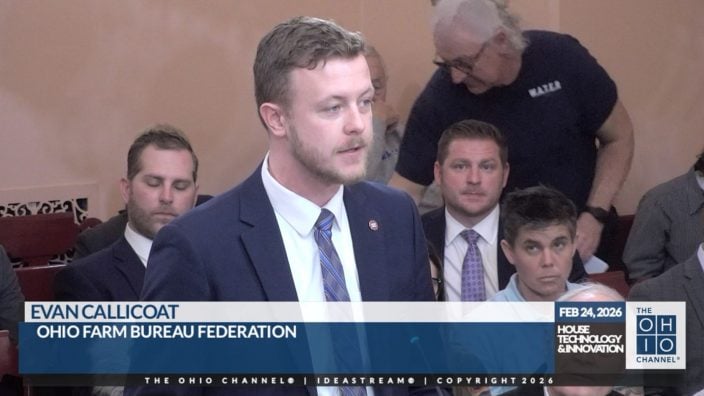
House Bill 646 would establish a Data Center Study Commission to examine the impact of rapid data center development across the state.
Read More
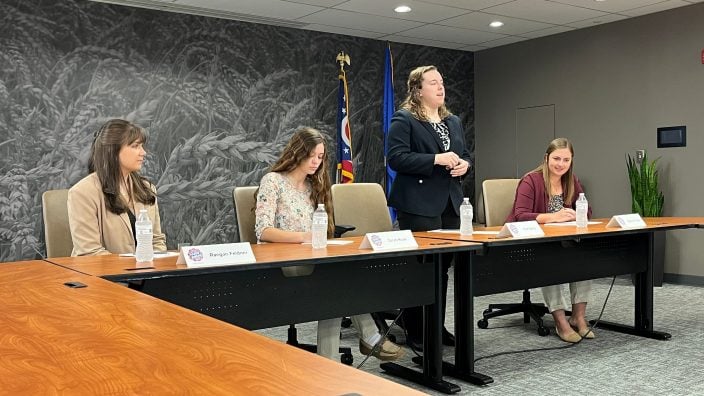
Collegiate Farm Bureau serves as a connection to current industry professionals and equips the next generation with the essential tools and resources needed to excel in their careers.
Read More

Ohio Farm Bureau members met one-on-one with state legislators and staff to discuss policy priorities impacting Ohio’s farms and rural communities.
Read More

Legacy nutrient deductions enable new farmland owners to claim deductions on the nutrients within the soil on which healthy crops depend.
Read More
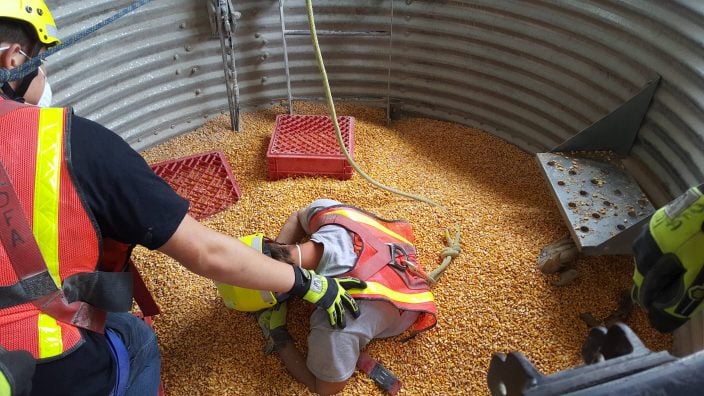
Farmers, agribusinesses and community members are encouraged to nominate their local fire departments for Nationwide’s Nominate Your Fire Department Contest through April 30.
Read More