



Applications for Ohio Farm Bureau Health Plans now available
Members have three ways to apply: contacting a certified agent, calling 833-468-4280 or visiting ohiofarmbureauhealthplans.org.
Read MoreFrom Roger High, Ohio Farm Bureau director, livestock policy and executive director, Ohio Sheep Improvement Association and Ohio Sheep and Wool Program
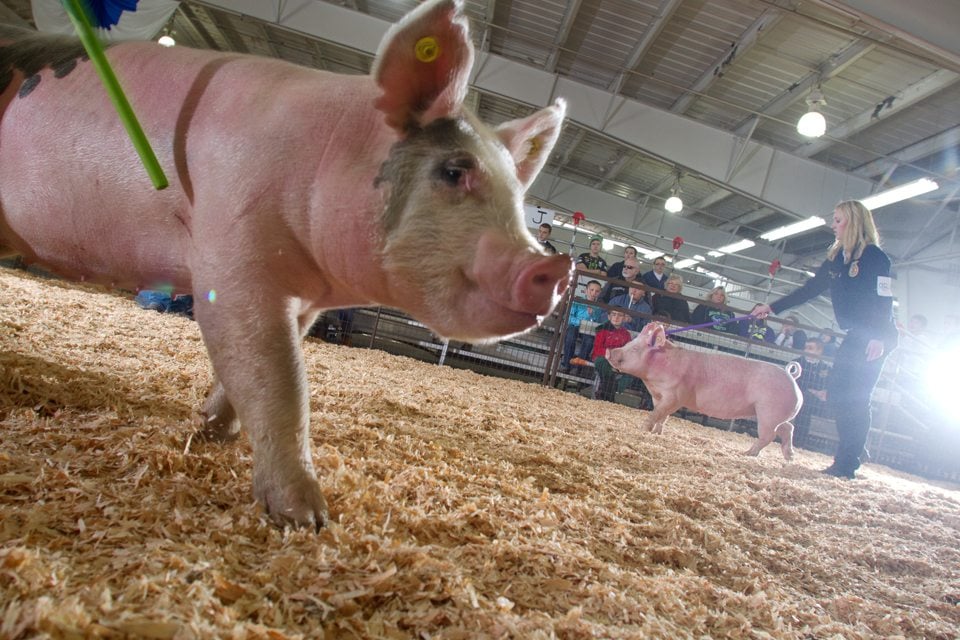
Have you heard a lot about the recent outbreak of H3N2 Influenza at the Clinton County Fair? Well, to help provide accurate information for Farm Bureau members about the situation, Ohio Farm Bureau Federation staff members have spoken with the Ohio Department of Agriculture State Veterinarian Dr. Tony Forshey to be able to provide the following information.
Fairs that have an outbreak of this virus may be deemed terminal and animals sent to the appropriate markets for slaughter based upon the rules of the fair exhibition. All barns that have these cases will be disinfected with the appropriate cleaning agents.
Swine do not die from the H3N2 Influenza virus, but if the proper precautions are not taken or if they are not treated properly, the animals could die from secondary infections like pneumonia.
If an exhibitor does not want an animal to be terminal they should not take a chance of exhibiting that animal at a junior fair market show. The shorter the animal is at the fair, the less risk of that animal contracting the H3N2 Influenza virus due to stress and length of incubation period of the virus.
If an animal is shown at a fair exhibition and returned home, that animal should not be taken to another fair exhibition for a minimum of seven days to make sure that animal does not have the H3N2 Influenza virus.
If an animal is sick before the fair, do not bring that animal to the exhibition. Signs of the H3N2 Influenza virus would be an animal that is off feed, lethargic, sneezing and coughing.
Exhibitors are encouraged to not share equipment with others and should avoid eating, drinking or sleeping in swine barns. Swine flu viruses do not normally infect humans. However, sporadic human infections with influenza viruses that normally circulate in swine and not people have occurred. Most commonly, human infections with variant viruses occur in people exposed to infected pigs.
Let’s enjoy our fair experiences, and remember if you are attending the fair and pet animals, please wash your hands!


Members have three ways to apply: contacting a certified agent, calling 833-468-4280 or visiting ohiofarmbureauhealthplans.org.
Read More
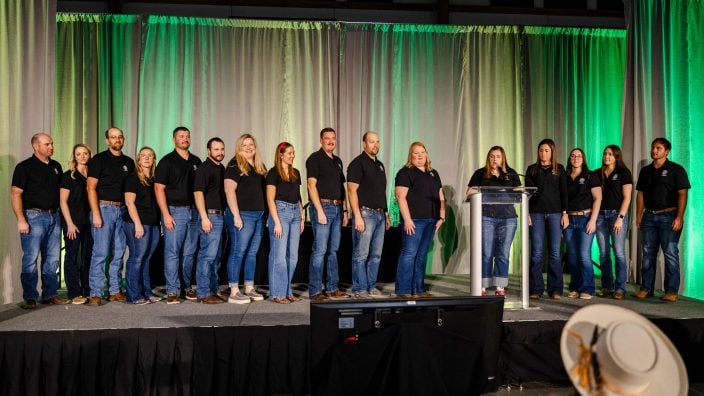
Members ages 18-34 who are interested in developing their leadership skills and enhancing programming for their peers should apply.
Read More
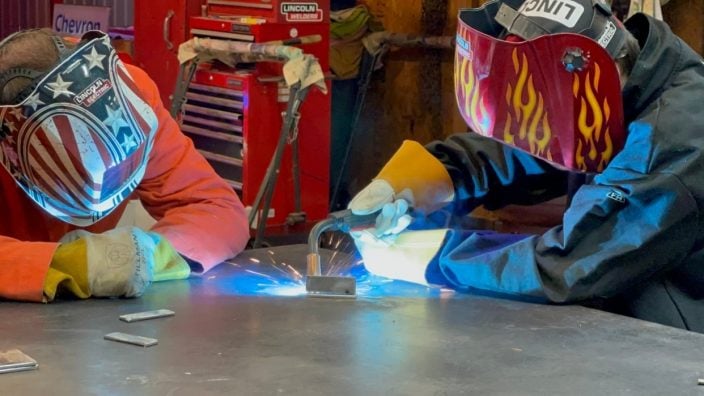
Senate Bill 328 is legislation designed to strengthen career-connected learning and better prepare students for Ohio’s workforce needs.
Read More

With the Family Forest Carbon Program, you can have a successful farm and get paid to grow healthy forests.
Read More

Ohio Farm Bureau recently sent a letter to Congress calling for the swift passage of the Farm, Food, and National Security Act of 2026 (HR 7567).
Read More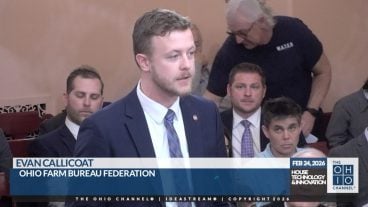
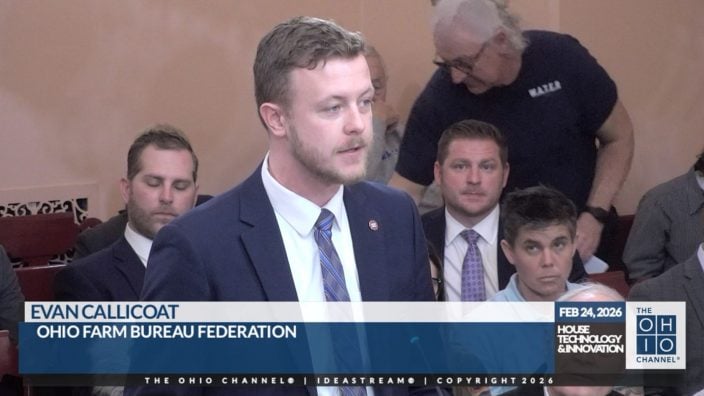
House Bill 646 would establish a Data Center Study Commission to examine the impact of rapid data center development across the state.
Read More
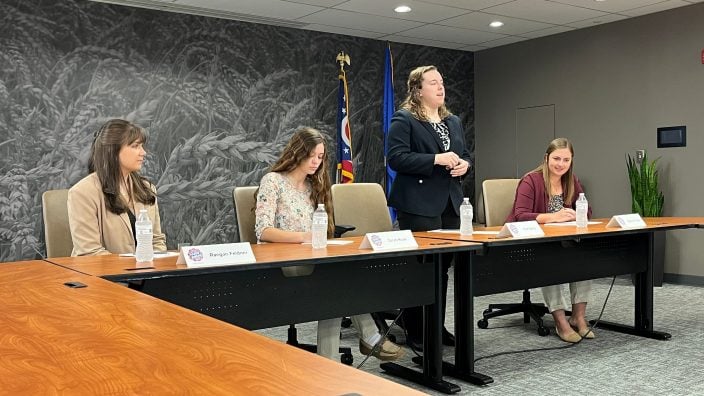
Collegiate Farm Bureau serves as a connection to current industry professionals and equips the next generation with the essential tools and resources needed to excel in their careers.
Read More

Ohio Farm Bureau members met one-on-one with state legislators and staff to discuss policy priorities impacting Ohio’s farms and rural communities.
Read More

Legacy nutrient deductions enable new farmland owners to claim deductions on the nutrients within the soil on which healthy crops depend.
Read More
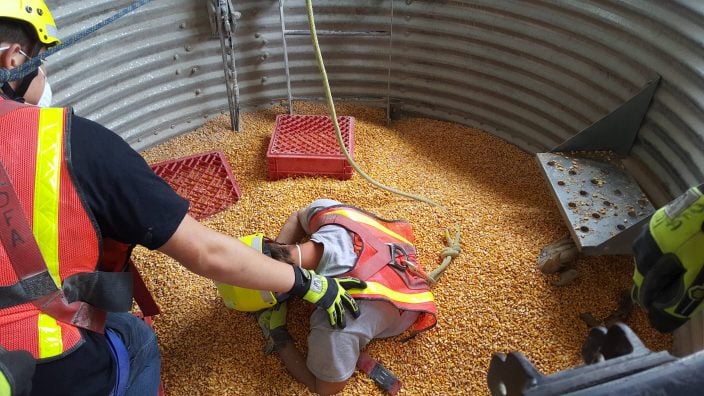
Farmers, agribusinesses and community members are encouraged to nominate their local fire departments for Nationwide’s Nominate Your Fire Department Contest through April 30.
Read More