




Applications for Ohio Farm Bureau Health Plans now available
Members have three ways to apply: contacting a certified agent, calling 833-468-4280 or visiting ohiofarmbureauhealthplans.org.
Read MoreWhat is Senate Bill 150?
SB 150 requires anyone who applies fertilizer on more than 50 acres to be certified by Ohio Department of Agriculture (ODA). The certificate holder must maintain records including, but not limited to, the date, place and rate of fertilizer application, the type of fertilizer and the name of the person applying the fertilizer. Records must be maintained for three years and be available for possible audits by ODA.
Do any other states have similar legislation?
No. At this point, no other state requires such a certification.
Did Ohio Farm Bureau support Senate Bill 150?
Yes. OFBF has worked actively on the bill from the very beginning and continues to help with promotion and education of the new law. OFBF supports the education component and believes the 4Rs (source, rate, time and placement) of nutrient stewardship are a critical tool for nutrient management, along with other measures such as cover crops, filter strips, soil sampling and variable rate application.
How does the fertilizer certification process work?
There are three steps in the certification process: fill out an application form, pay an application fee and attend a training session. A person that already has a valid commercial or private pesticide applicator license may also apply for the fertilizer certification but will not be required to pay the application fee.
Can farmers do fertilizer certification training at the same time as their pesticide license training?
Yes. The fertilizer training session will be included in the pesticide license training.
How long is the fertilizer certification valid?
Three years. The recertification process will be the same as the initial certification.
Can farmers buy fertilizer without a certification?
Yes — certification is only required for those intending to apply fertilizer on more than 50 acres.
What is the cost for the fertilizer certification?
$30 — the same as a pesticide license. Those who already have a valid commercial or private applicator license won’t be required to pay the application fee.
Does Senate Bill 150 have “teeth”?
Yes. The state can deny, suspend, revoke or refuse to renew a farmer’s certification. Without certification, a person can’t apply fertilizer and will have to use someone who is certified. A person who applies fertilizer on more than 50 acres without the certification is subject to a misdemeanor of the third degree on the first offense and increased degrees on subsequent offenses. The state can go after “bad actors” who apply fertilizer in a manner that causes a problem — most states don’t require this. Penalties also include fines.
Does Senate Bill 150 have incentives for farmers to do more?
Yes. There are additional incentives for farmers to create and operate under nutrient management plans and have them approved by the state.
Why wasn’t manure application included in Senate Bill 150?
Manure and its application is already regulated in Ohio, and including it in SB150 would have been duplicative and potentially confusing.
Senate Bill 1 restricts the application of manure and fertilizer on frozen, snow-covered or saturated ground in the Western Lake Erie Basin (WLEB). The purpose of Senate Bill 1 is to control algae growth in Lake Erie and its western basin.
Where is it in effect?
The 24 counties that make up the Western Lake Erie Basin.
How does the law define fertilizer?
Phosphorus and nitrogen.
When can’t fertilizer or manure be applied?
Are there any exceptions on the restriction of fertilizer or manure application?
If you can inject fertilizer or manure into the ground, incorporate it within 24 hours or apply it to a growing crop, then you can apply it.
What if my manure storage is almost full? Are there further exceptions?
You can get written approval from the ODA director to temporarily apply the manure according to procedure outlined in the U.S. Department of Agriculture’s Natural Resources Conservation Service standard 590.
How does the law define frozen ground?
Nutrients can’t be worked into the ground.
What’s the enforcement process?
It’s a complaint- driven process, which means someone will have to contact ODA or the local soil and water district to report an application violation. If state officials think the complaint is valid, they can inspect the property and order a court hearing. Farmers found in violation can be issued a fine and be ordered to comply with the law.
What is the fine?
Up to $10,000 for each violation.
Does this apply to large-scale permitted livestock operations?
No because they are already regulated under current law.
Is agriculture the only target in this bill?
No. Publicly owned treatment works will be required to begin monthly monitoring of total and dissolved reactive phosphorus. Open lake dumping of dredging in Lake Erie will be prohibited by 2020. However, dredge material may be dumped into Lake Erie if the ODA director determines it is suitable and meets the location and purpose as determined by the director of the Ohio Environmental Protection Agency.


Members have three ways to apply: contacting a certified agent, calling 833-468-4280 or visiting ohiofarmbureauhealthplans.org.
Read More
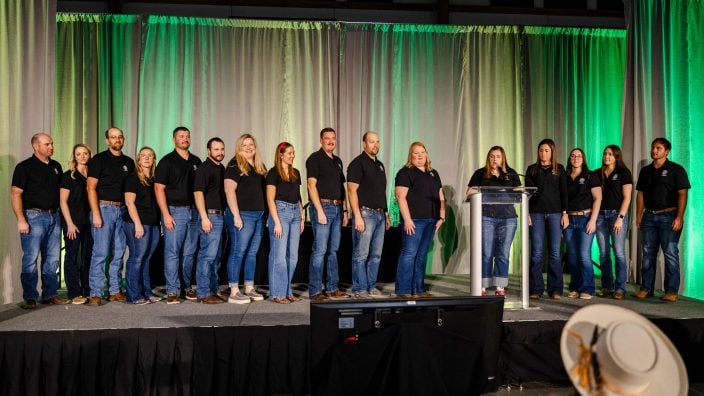
Members ages 18-34 who are interested in developing their leadership skills and enhancing programming for their peers should apply.
Read More

Senate Bill 328 is legislation designed to strengthen career-connected learning and better prepare students for Ohio’s workforce needs.
Read More

With the Family Forest Carbon Program, you can have a successful farm and get paid to grow healthy forests.
Read More
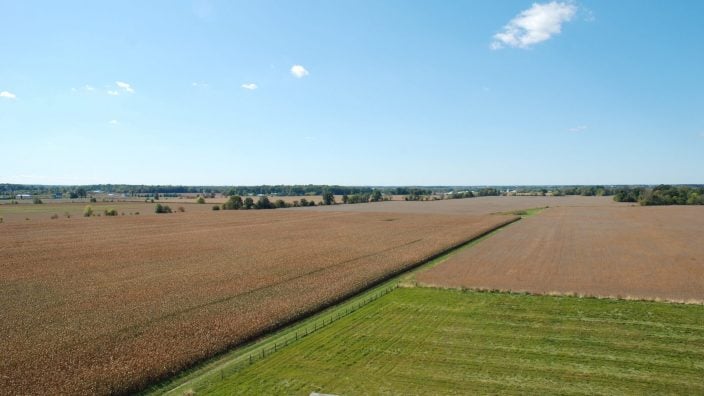
Ohio Farm Bureau recently sent a letter to Congress calling for the swift passage of the Farm, Food, and National Security Act of 2026 (HR 7567).
Read More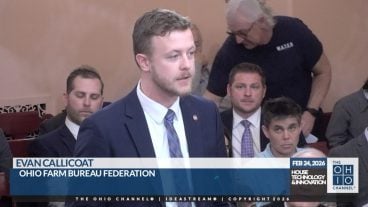
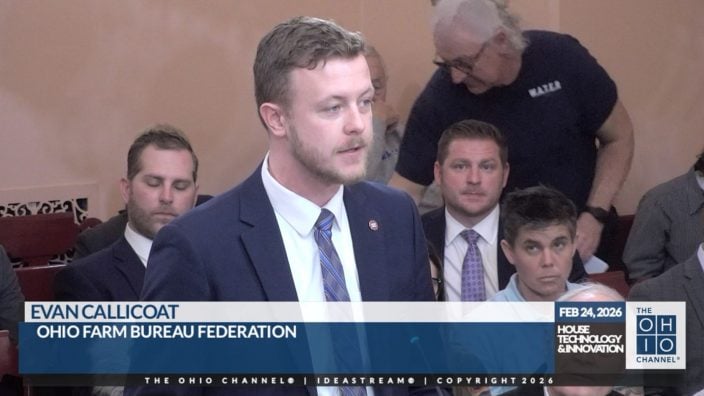
House Bill 646 would establish a Data Center Study Commission to examine the impact of rapid data center development across the state.
Read More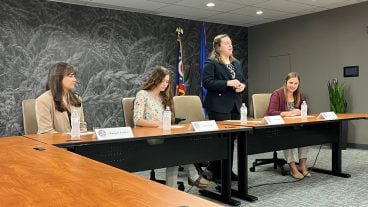
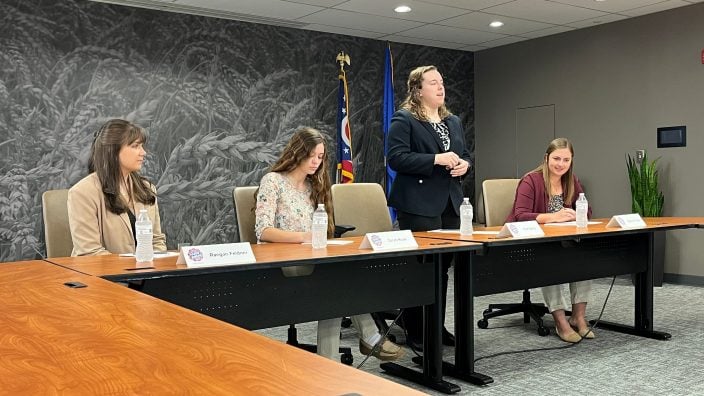
Collegiate Farm Bureau serves as a connection to current industry professionals and equips the next generation with the essential tools and resources needed to excel in their careers.
Read More

Ohio Farm Bureau members met one-on-one with state legislators and staff to discuss policy priorities impacting Ohio’s farms and rural communities.
Read More

Legacy nutrient deductions enable new farmland owners to claim deductions on the nutrients within the soil on which healthy crops depend.
Read More
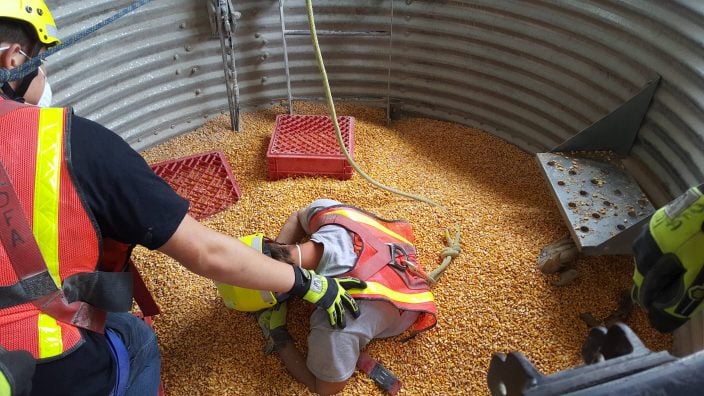
Farmers, agribusinesses and community members are encouraged to nominate their local fire departments for Nationwide’s Nominate Your Fire Department Contest through April 30.
Read More