



Applications for Ohio Farm Bureau Health Plans now available
Members have three ways to apply: contacting a certified agent, calling 833-468-4280 or visiting ohiofarmbureauhealthplans.org.
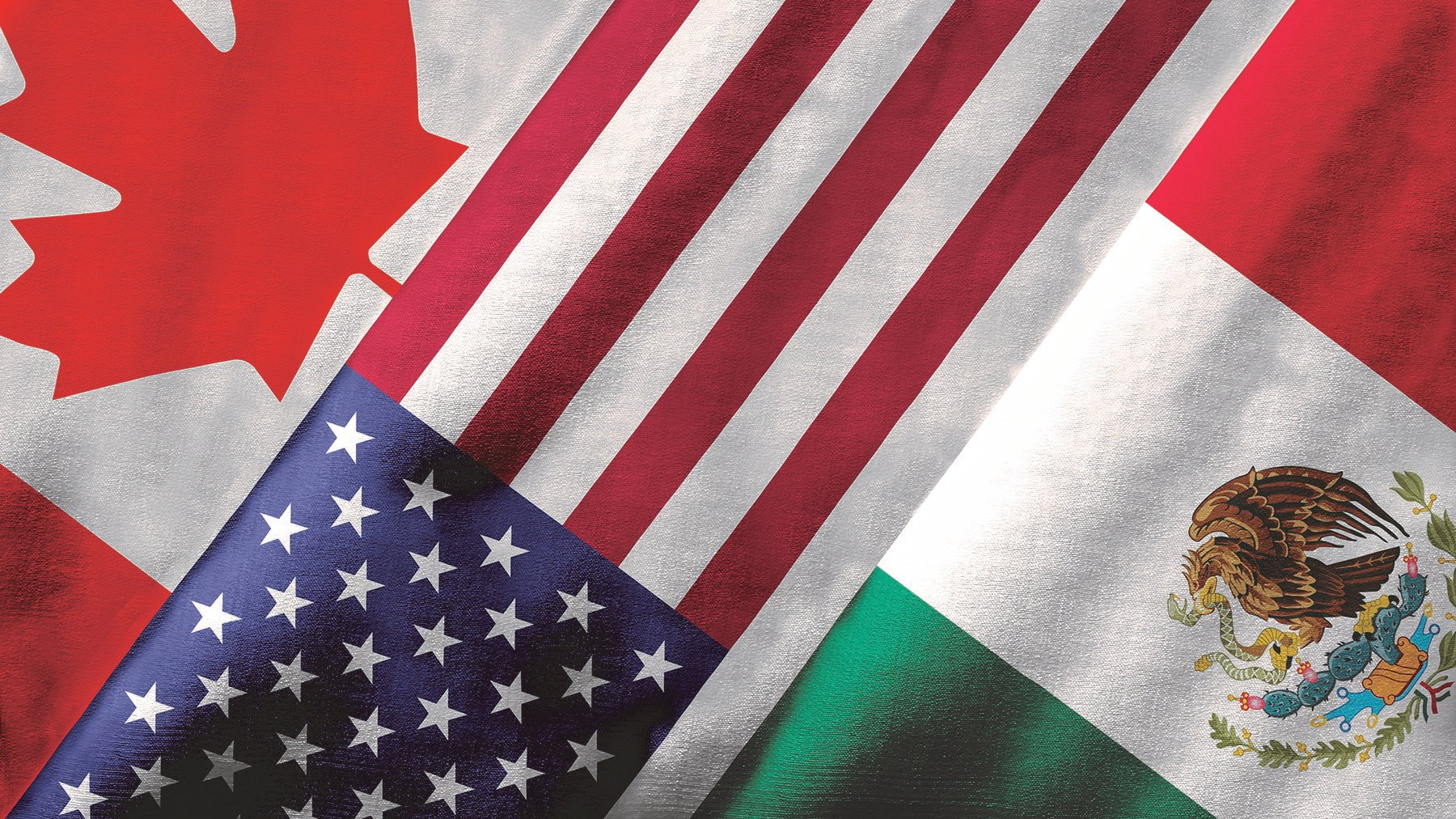
Read MoreDespite the signing of the new trade agreement among the United States, Canada and Mexico Nov. 30, work remains as the focus now shifts to Congress and its ratification. The new free trade agreement that took more than a year of intense negotiations among the three partners to come to fruition.
Officially called the United States-Mexico-Canada Agreement (USMCA) but dubbed NAFTA 2.0, the agreement must be voted on by each country’s legislative body before it takes effect.
“Agricultural exports to Canada and Mexico increased from $8.9 billion to $39 billion under NAFTA,” said American Farm Bureau President Zippy Duvall. “In every way, this new agreement is just as good, if not better than, the one that came before.”
According to AFBF, several provisions in the agreement will have significant impacts on the agriculture industry:
USMCA is the first free trade agreement for the U.S. that includes measures that address cooperation, information sharing, and other trade rules related to biotechnology and gene editing. There also are provisions that enhance science-based trading standards among the three nations as the basis for sanitary and phytosanitary measures for ag products, as well as progress in the area of geographic indications.
However, Duvall cautioned that there is still work to be done between the three countries to make the agriculture industry whole.
“As good as all this news is, farmers and ranchers still face retaliatory tariffs over steel and aluminum disputes with our North American neighbors and other trading partners,” he said. “We urge the administration to redouble its efforts to come to an agreement on those outstanding issues so we can regain the markets we had not long ago.”


Members have three ways to apply: contacting a certified agent, calling 833-468-4280 or visiting ohiofarmbureauhealthplans.org.
Read More
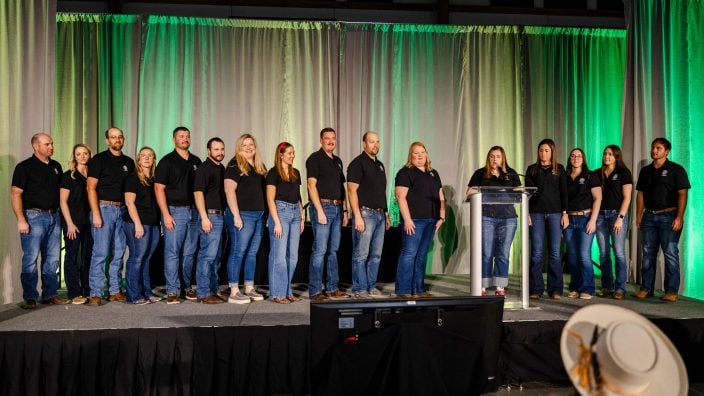
Members ages 18-34 who are interested in developing their leadership skills and enhancing programming for their peers should apply.
Read More

Senate Bill 328 is legislation designed to strengthen career-connected learning and better prepare students for Ohio’s workforce needs.
Read More

With the Family Forest Carbon Program, you can have a successful farm and get paid to grow healthy forests.
Read More
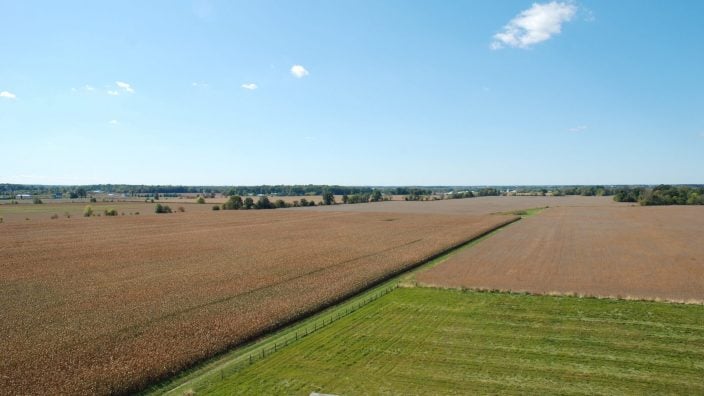
Ohio Farm Bureau recently sent a letter to Congress calling for the swift passage of the Farm, Food, and National Security Act of 2026 (HR 7567).
Read More
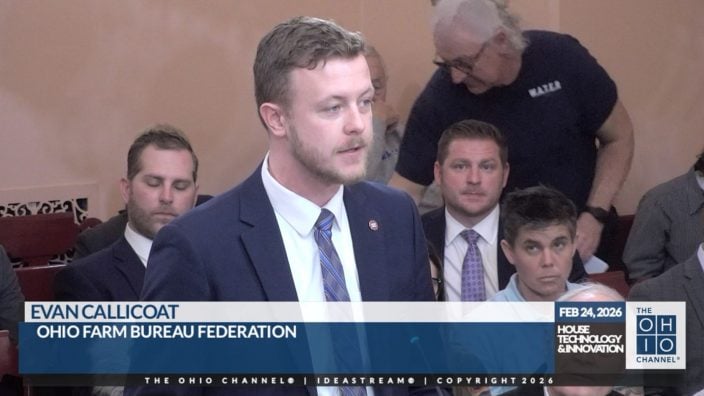
House Bill 646 would establish a Data Center Study Commission to examine the impact of rapid data center development across the state.
Read More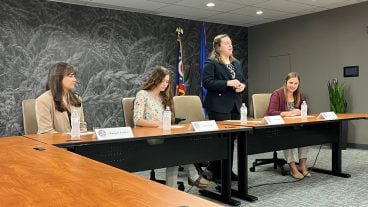
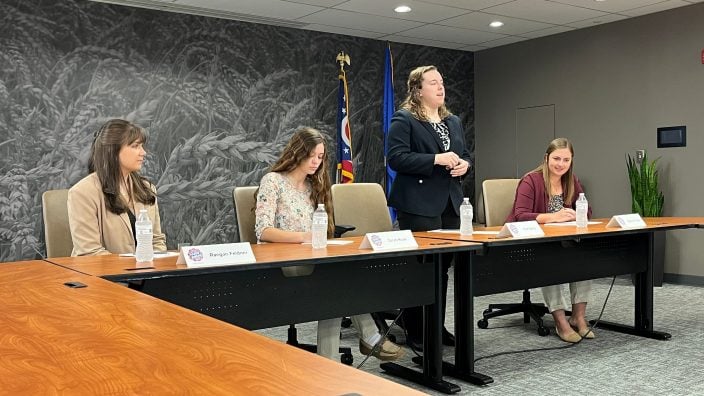
Collegiate Farm Bureau serves as a connection to current industry professionals and equips the next generation with the essential tools and resources needed to excel in their careers.
Read More
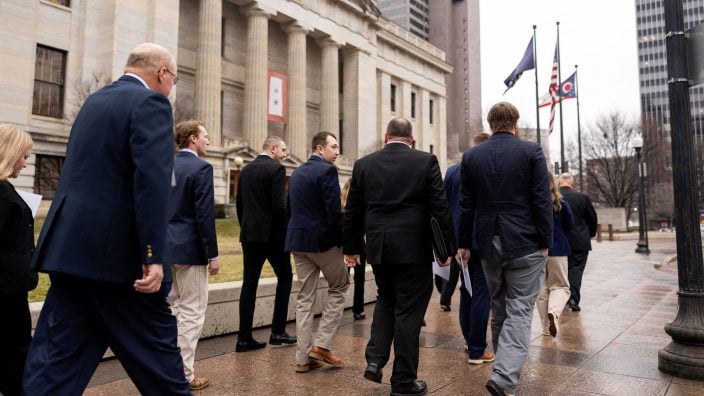
Ohio Farm Bureau members met one-on-one with state legislators and staff to discuss policy priorities impacting Ohio’s farms and rural communities.
Read More

Legacy nutrient deductions enable new farmland owners to claim deductions on the nutrients within the soil on which healthy crops depend.
Read More
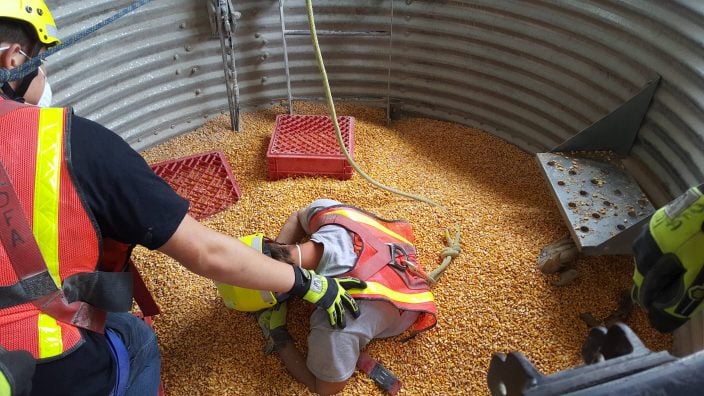
Farmers, agribusinesses and community members are encouraged to nominate their local fire departments for Nationwide’s Nominate Your Fire Department Contest through April 30.
Read More