







Applications for Ohio Farm Bureau Health Plans now available
Members have three ways to apply: contacting a certified agent, calling 833-468-4280 or visiting ohiofarmbureauhealthplans.org.
Read MoreExtremely wet weather and cooler than normal temperatures throughout early spring has U.S. farmers lagging when it comes to planting progress. Most producers only have about half of the crop planted that they normally would for this time of year. For Ohio farmers, the problem is much worse.
Normally, farmers in the Buckeye State would be at least halfway finished with planting their corn seeds by the mid part of May. This year, however, the vast majority of those seeds are still in the bag.
As of May 20, 2019 only 9% of corn has been planted in Ohio, the lowest figure for this stage of spring on record. As each day and each rain shower passes, farmers become a little more impatient and a lot more anxious.
For Clark County farmer Brent Pence, planting season began in the middle of April. After getting a few acres planted, his tractor and planter have sat quietly in the barn for over a month.
“The only thing that is keeping me sane at this point is that on the days that we were able to plant, we got many of the kinks worked out of some new equipment so when the fields are ready again we will be too,” Pence said. “As far as changing up our crop lineup or chemistries or marketing strategies, we are staying the course for now.”
If the delayed planting progress continues and May becomes June, farmers will be faced with some tough decisions about choosing shorter season corn hybrids or switching acres meant for corn over to soybeans instead.
For all of Ohio, June 5 is the final corn planting date for crop insurance. After that, if a field has not been sown, a farmer has the option of filing a prevent plant claim with their insurance carrier.
“The most difficult part about getting through a wet spring like this is finding something else to do,” said Ben Bowsher, who farms in Allen County. “I have cleaned every part of the shop and all of the prep work for planting has been done maybe two or three times at this point. Some of our best crops have come after a later than normal planting date, so we aren’t in panic mode quite yet but the sooner we can get started the better.”
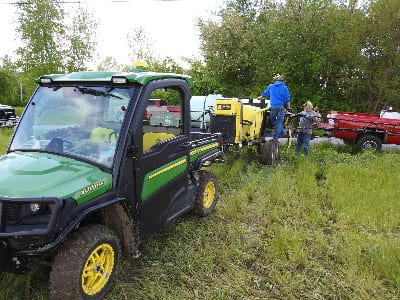
Despite the wet fields, Brent Pence has used some high-tech, low-scale ingenuity to get some of his fields sprayed for weed control. He is using a GPS-guided Gator with a sprayer hitched behind it. This lighter weighted gear replaces a tractor-sprayer, which would have caused deep ruts in rain soaked fields.


Members have three ways to apply: contacting a certified agent, calling 833-468-4280 or visiting ohiofarmbureauhealthplans.org.
Read More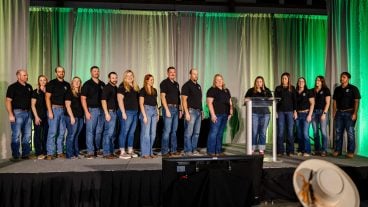
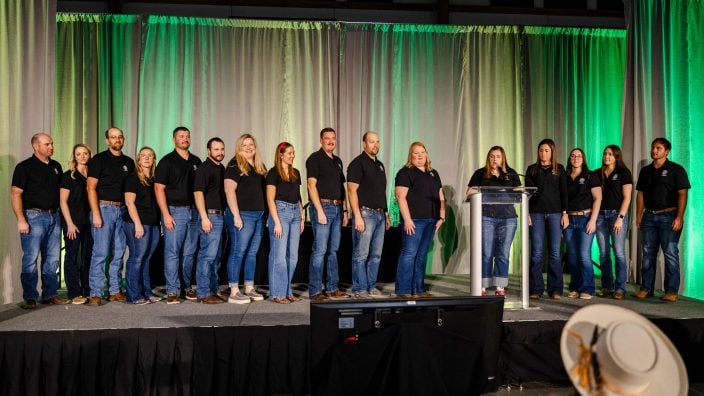
Members ages 18-34 who are interested in developing their leadership skills and enhancing programming for their peers should apply.
Read More

Senate Bill 328 is legislation designed to strengthen career-connected learning and better prepare students for Ohio’s workforce needs.
Read More

With the Family Forest Carbon Program, you can have a successful farm and get paid to grow healthy forests.
Read More
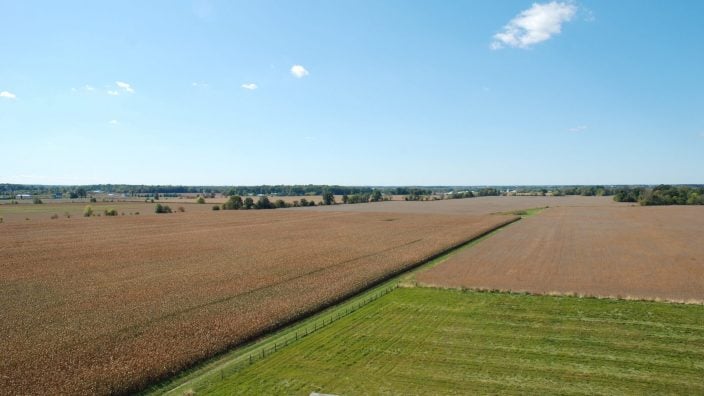
Ohio Farm Bureau recently sent a letter to Congress calling for the swift passage of the Farm, Food, and National Security Act of 2026 (HR 7567).
Read More
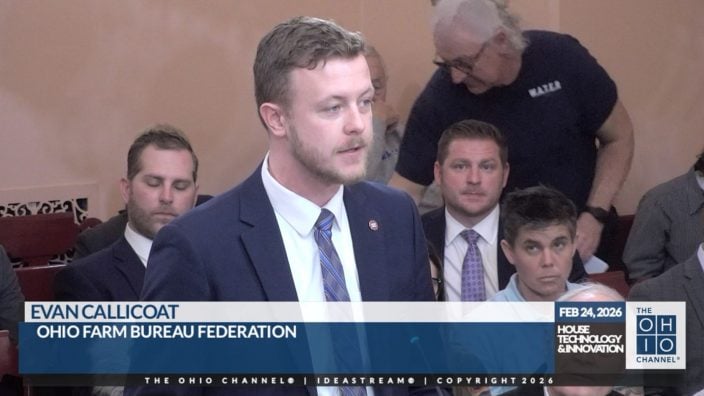
House Bill 646 would establish a Data Center Study Commission to examine the impact of rapid data center development across the state.
Read More
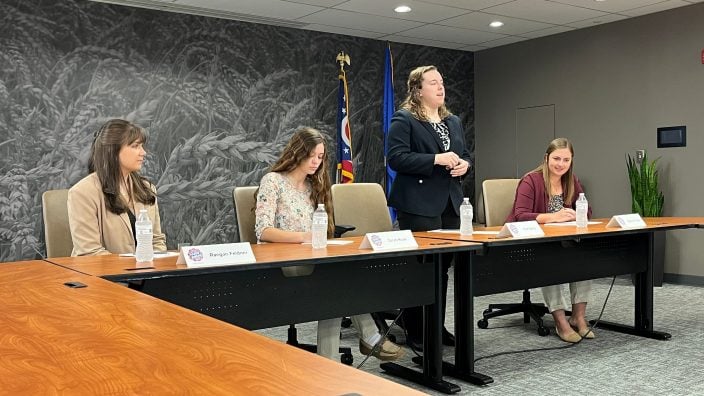
Collegiate Farm Bureau serves as a connection to current industry professionals and equips the next generation with the essential tools and resources needed to excel in their careers.
Read More

Ohio Farm Bureau members met one-on-one with state legislators and staff to discuss policy priorities impacting Ohio’s farms and rural communities.
Read More

Legacy nutrient deductions enable new farmland owners to claim deductions on the nutrients within the soil on which healthy crops depend.
Read More
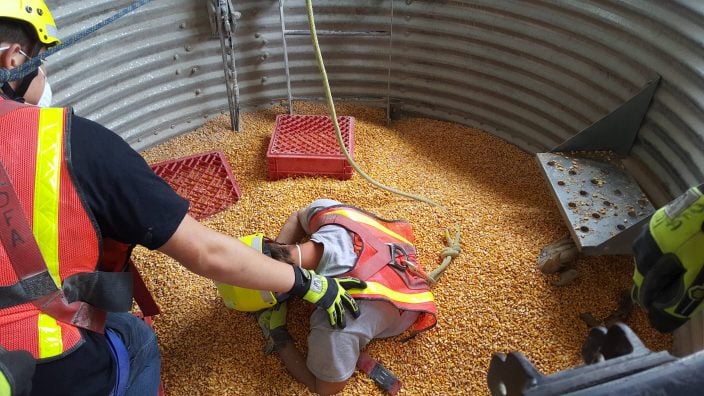
Farmers, agribusinesses and community members are encouraged to nominate their local fire departments for Nationwide’s Nominate Your Fire Department Contest through April 30.
Read More