





Applications for Ohio Farm Bureau Health Plans now available
Members have three ways to apply: contacting a certified agent, calling 833-468-4280 or visiting ohiofarmbureauhealthplans.org.
Read More
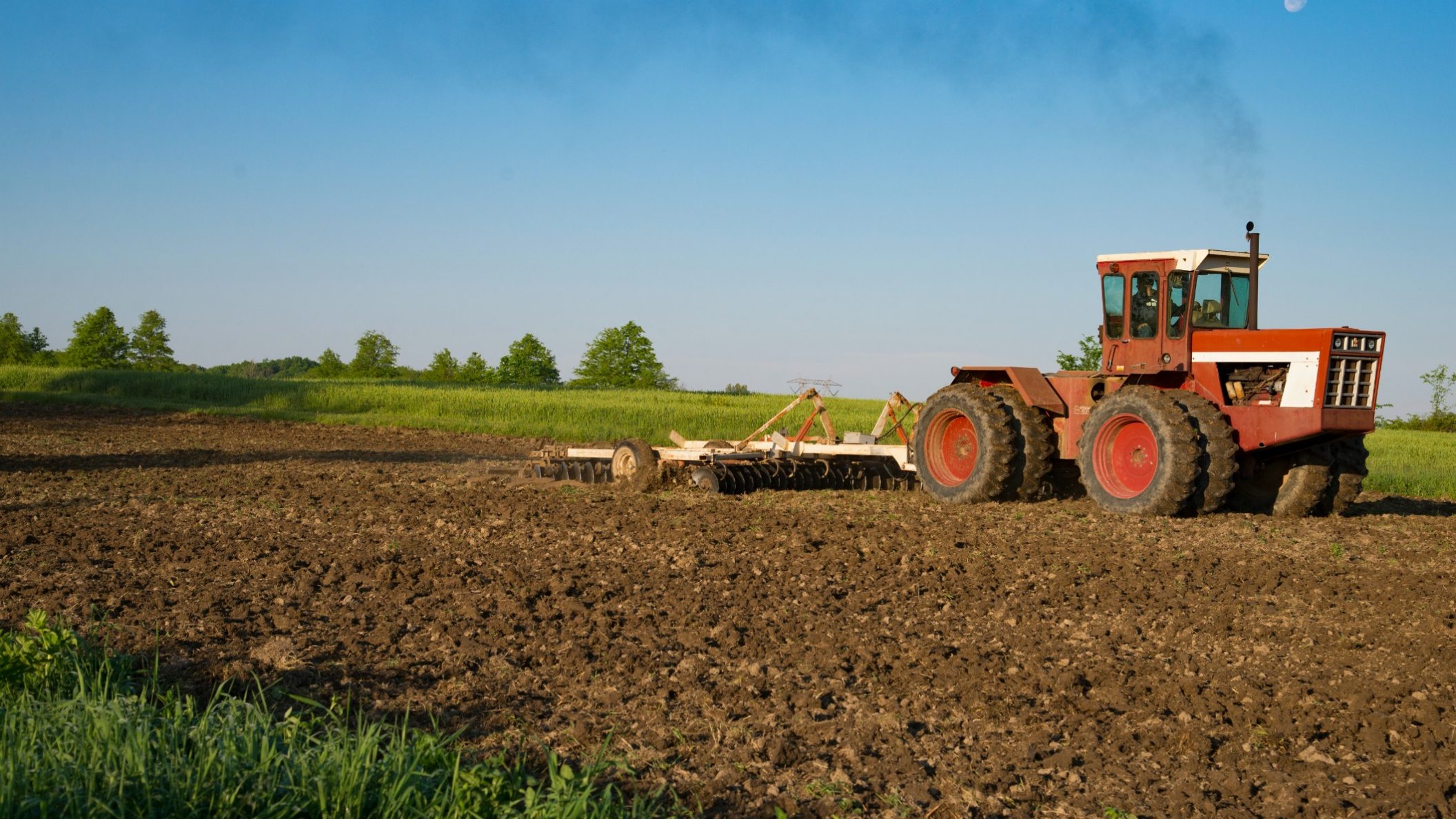
The 2019 planting season has been a challenge for Ohio farmers, as over-saturated soils have stalled corn and soybean planters for most of the month of May.
Adding to the frustration of not getting the crop in the ground is the uncertainty of what decisions need to be made in order for farmers to have the least damaging financial impact due to negative situations – including delayed planting and trade wars.
Crop insurance final planting dates are fast approaching and one of the options farmers have is to take Prevent Plant for acres they haven’t been able to sow. This type of claim is part of a Revenue Protection or Yield Protection crop insurance policy.
“On the most common policy for corn, the claims adjuster will look at your guarantee and will pay out 55% of that guarantee as your prevent plant payment,” said Jason Williamson, an agent with Williamson Insurance in northwest Ohio. “For soybeans, 60% of your guarantee is included in the policy.”
Williamson said the term ‘final planting date,’ which is June 5 for corn and June 20 for soybeans, can be misleading.
“Those timelines are the final plant dates for full coverage,” Williamson said. “Farmers can continue to plant corn well after June 5th because there is a 20-day late planting period for corn and corn planted in that time frame can be insured, but your guarantee will go down 1% per day after June 5th.”
Other Prevent Plant options include:
Adding to the complexities is a new round of Market Facilitation Program payments recently announced by the Trump administration to offset losses being felt in farm country due to trade woes with China. Under this trade aid, producers of alfalfa hay, barley, corn, oats, sorghum, soybeans, wheat and a long list of other commodities will receive a payment based on a single county rate multiplied by a farm’s total plantings to those crops in aggregate in 2019. Those per acre payments are not dependent on which of those crops are planted in 2019.
“While the administration was very sensitive about not impacting planting decisions between the commodities, they did create some more uncertainty because we have producers that might have been considering Prevent Plant that are now saying that they need to plant a crop to get a payment,” said Ben Brown, manager of Ohio State’s Farm Management Program. “It’s like that old saying ’one in the hand, two in the bush.’ The Prevent Plant is the one in the hand as producers know what the payment is going to be based on the coverage level and historical data, but we are sitting here wondering what the trade aid payment is going to be.”
Now, back to which option, Prevent Plant or MFP payments, would offer the most beneficial outcome to an individual farmer? There is no clear cut answer, but according to USDA, it does have to be one or the other. So, how does a farmer know if planting corn late into June will be the right choice?
“There are some parcels of land in parts of the state that respond differently but agronomists will tell you that every day that passes takes a yield hit from the full potential. We have a decent idea of how well corn can produce in a season but the unknown factor of weather adds to the challenges of a later planted corn crop,” Brown said. “The other thing to take into consideration is that if we start to see large acres of corn come out of production due to Prevent Plant we are going to see some increases in corn price and that has already taken place. The reason I bring this up is because most producers in Ohio have a revenue crop insurance plan that takes into account the harvest price. So, if we come to October and we have really high corn prices, that will increase the revenue guarantee for the crop insurance program. Yield is important but in a case like this year, price will be important as well.”
Bringing the trade aid package into the conversation is adding confusion to an already complicated late planting season.
“The biggest misconception that I have heard over and over is that the government is going to bump up Prevent Plant payments through the market facilitation programs to 70% or 90% and that is completely inaccurate,” Williamson said. “It is possible that something might come through the disaster assistance bill, but we won’t know that for a long time and nothing like that is set in stone.”
The $19.1 billion disaster aid bill passed the Senate but has been stymied by the House until Congress is back in session in early June.
Putting politics, trade disputes and disaster aid aside, farmers have one very heavy thought on their minds. They want to do what they are suppose to do this time of year and get their crops planted.
“I have talked with countless farmers that see Prevent Plant as a very last resort because they do not want to let any field set idle,” Williamson said. “It is a very frustrating topic of conversation and farmers are just getting ticked off that they have to talk about it. They won’t give up and if a crop can go in the ground I am convinced that farmers will do everything they can to make it happen, if Mother Nature will give them a break.”
The answers to all of these questions depends largely on the current situation of the farm, and each producer should visit with their crop insurance specialist to find a suitable solution.
Ty Higgins, OFBF media relations director, discusses these issues more in depth with Jason Williamson and Ben Brown on the latest Ohio Farm Bureau podcast.


Members have three ways to apply: contacting a certified agent, calling 833-468-4280 or visiting ohiofarmbureauhealthplans.org.
Read More
Members ages 18-34 who are interested in developing their leadership skills and enhancing programming for their peers should apply.
Read More

Senate Bill 328 is legislation designed to strengthen career-connected learning and better prepare students for Ohio’s workforce needs.
Read More

With the Family Forest Carbon Program, you can have a successful farm and get paid to grow healthy forests.
Read More
Ohio Farm Bureau recently sent a letter to Congress calling for the swift passage of the Farm, Food, and National Security Act of 2026 (HR 7567).
Read More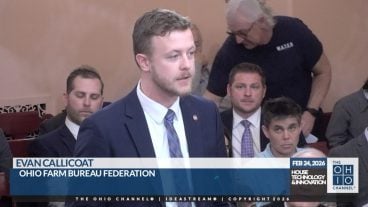
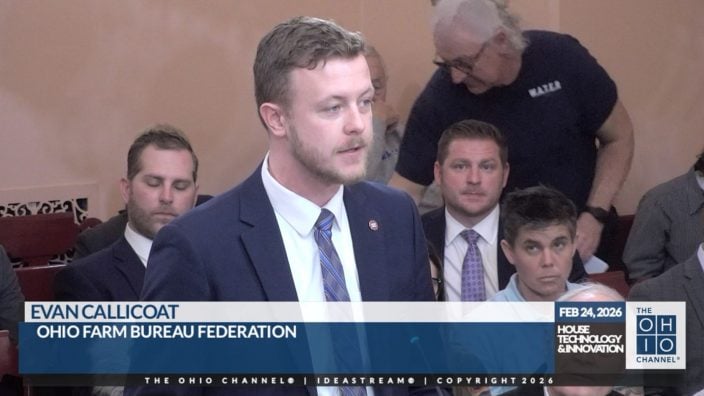
House Bill 646 would establish a Data Center Study Commission to examine the impact of rapid data center development across the state.
Read More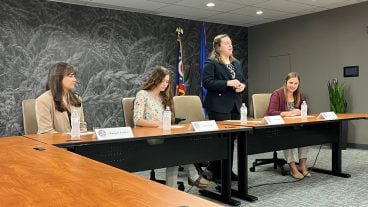
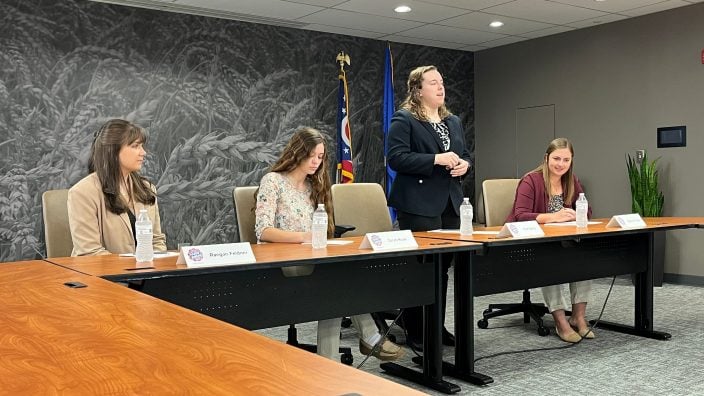
Collegiate Farm Bureau serves as a connection to current industry professionals and equips the next generation with the essential tools and resources needed to excel in their careers.
Read More

Ohio Farm Bureau members met one-on-one with state legislators and staff to discuss policy priorities impacting Ohio’s farms and rural communities.
Read More

Legacy nutrient deductions enable new farmland owners to claim deductions on the nutrients within the soil on which healthy crops depend.
Read More
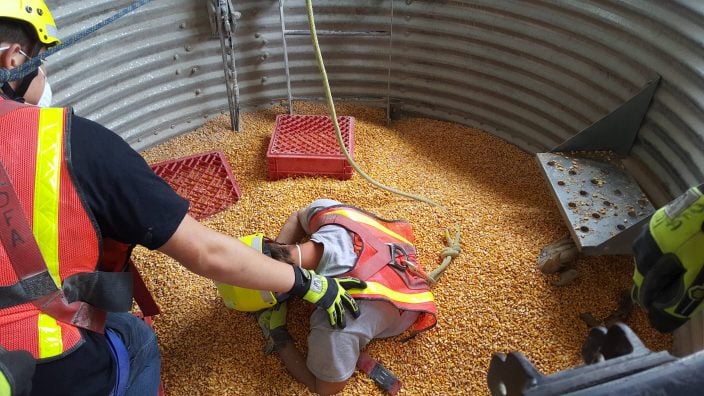
Farmers, agribusinesses and community members are encouraged to nominate their local fire departments for Nationwide’s Nominate Your Fire Department Contest through April 30.
Read More