

Applications for Ohio Farm Bureau Health Plans now available
Members have three ways to apply: contacting a certified agent, calling 833-468-4280 or visiting ohiofarmbureauhealthplans.org.
Read MoreThe Ohio Department of Agriculture has announced the second sign-up period for programs in the Western Lake Erie Basin funded by the passage of Ohio Senate Bill 299. Signed in 2018, Ohio Senate Bill 299 provided $23.5 million for soil and water conservation districts (SWCD) located in the Western Lake Erie Basin (WLEB) for nutrient management programs.
Two programs have been a success so far this year, the Ohio Working Lands Hay Buffer Program and the Ohio Working Lands Small Grains Program. ODA Director Dorothy Pelanda announced that there are funds remaining for a second round of program sign-ups.
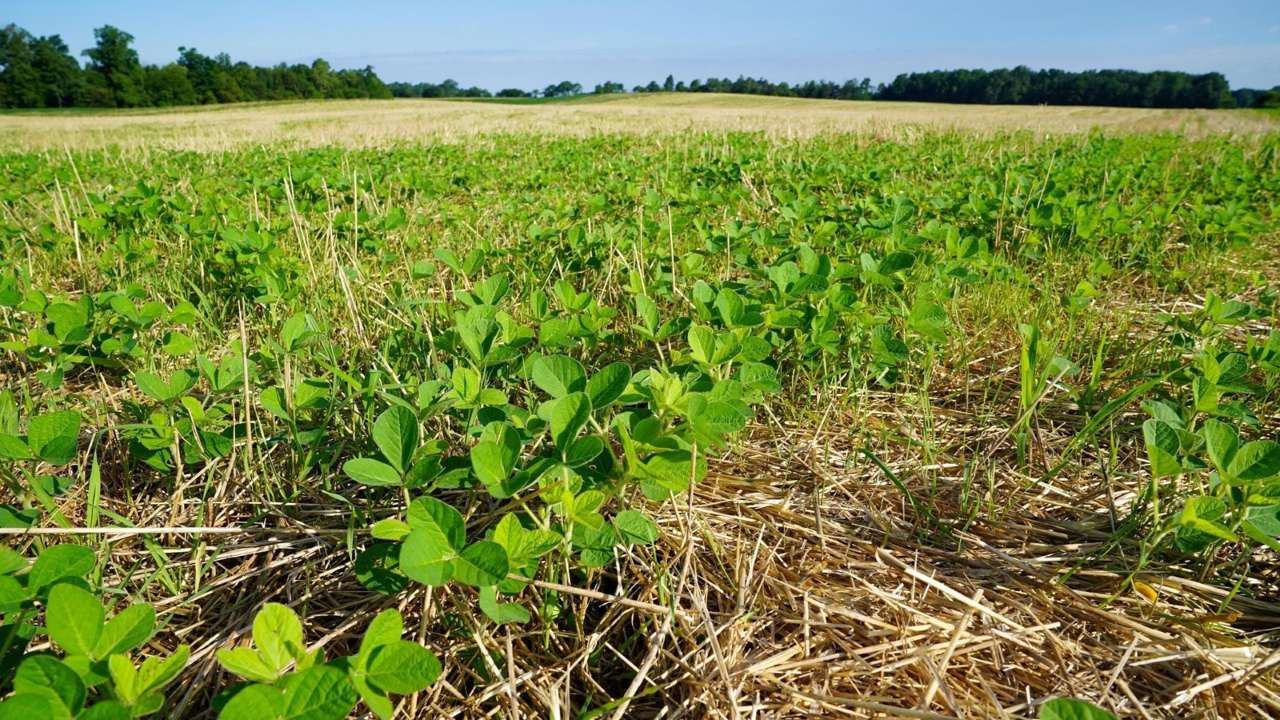
The Ohio Working Lands Hay Buffer Program encourages producers in the WLEB to establish year-round vegetative cover on eligible cropland. The program promotes the conversion, establishment, and maintenance of forage/hay land on certain cropland acres. These buffers act as another line of defense to filter surface water while allowing participants to harvest forage from the established areas. During the first sign-up period, 4,075 acres were enrolled in the program.
The Ohio Working Lands Small Grains Program encourages producers in the WLEB to plant small grains such as wheat, barley, oats or cereal rye on eligible cropland. Participants must plant and harvest small grains, land apply manure, and plant a cover crop to receive a cost-share payment to help offset operating costs. The program supports the planting of small grains and cover crops for the conservation benefits and provides livestock producers with a longer season to land apply manure and nutrients. During the first sign-up period, 39,226 acres were in enrolled in the program.
Sign-ups for the Ohio Working Lands Hay Buffer and Small Grains Program begin June 17.
Local Soil and Water Conservation Districts will manage the program sign-up and verification of eligibility and crop establishment. Producers located in the WLEB and interested in these programs should contact their local SWCD to learn how to sign up.


Members have three ways to apply: contacting a certified agent, calling 833-468-4280 or visiting ohiofarmbureauhealthplans.org.
Read More
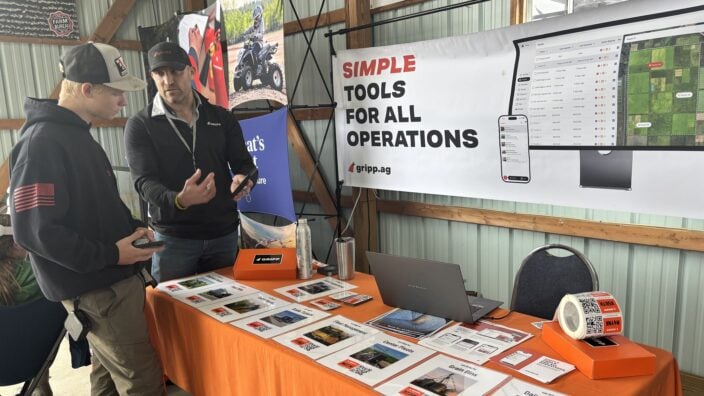
Gripp is launching a 60-day cohort in mid-January for Ohio Farm Bureau members, offering discounted access to its asset-tracking app.
Read More
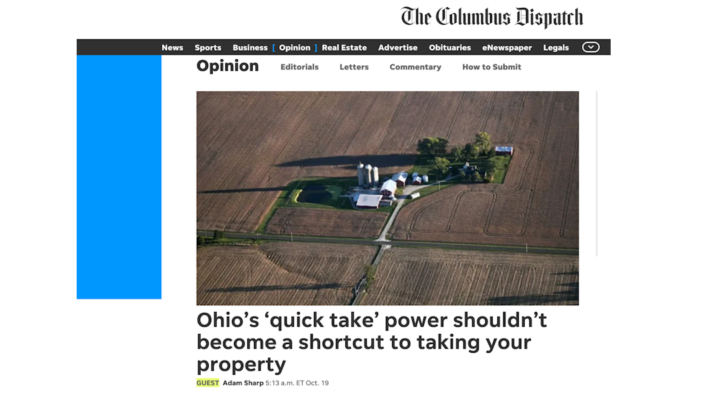
Ohio Farm Bureau recently published an op-ed in The Columbus Dispatch highlighting the importance of protecting private property rights as discussions continue around expanding eminent domain powers in Ohio.
Read More
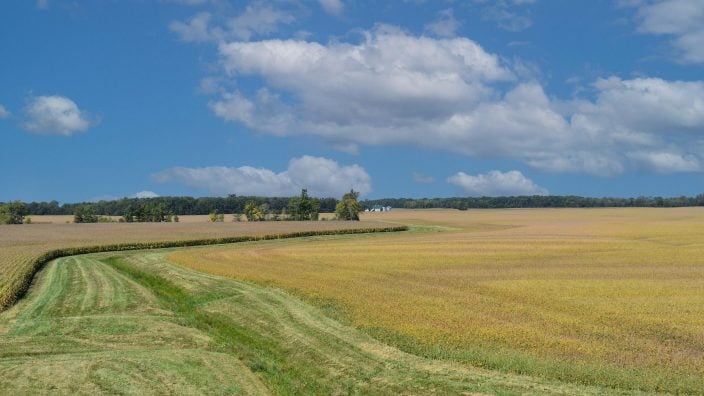
These discussions should not begin and end with a developer’s offer. Identifying family goals now gives the family something to plan around.
Read More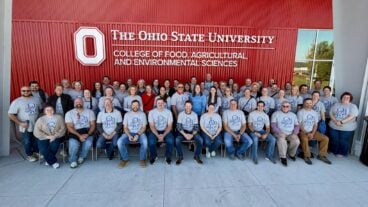
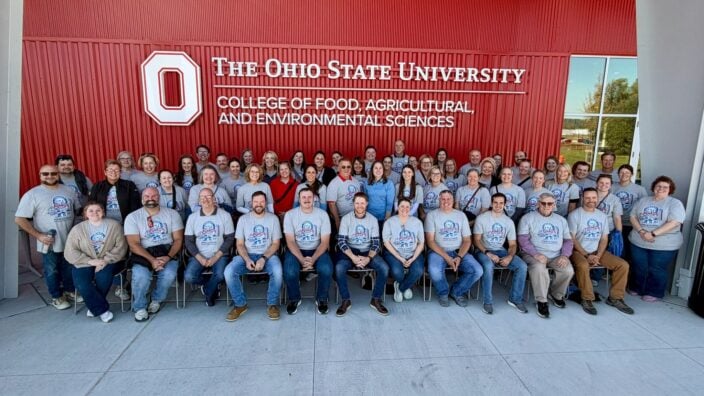
Ohio Farm Bureau joined leaders from across Ohio’s food and agriculture industry this week to pack 10,000 meals for central…
Read More
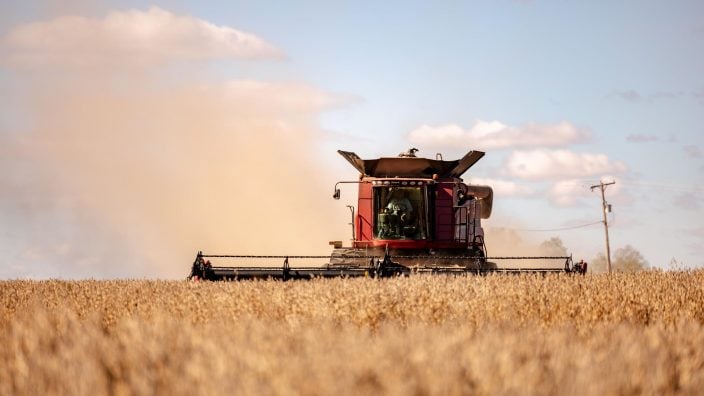
The administration recently issued an executive order easing restrictions on the use of tax-exempt dyed diesel fuel for on-road agricultural transportation.
Read More
Ohio Farm Bureau Associate General Counsel Leah Curtis explains how the eminent domain process works in Ohio, what ‘quick take’ means and when it can be used.
Read More
As fuel prices skyrocket across the state, lawmakers are preparing to return to the Statehouse to vote on the temporary suspension of Ohio’s gas tax.
Read More
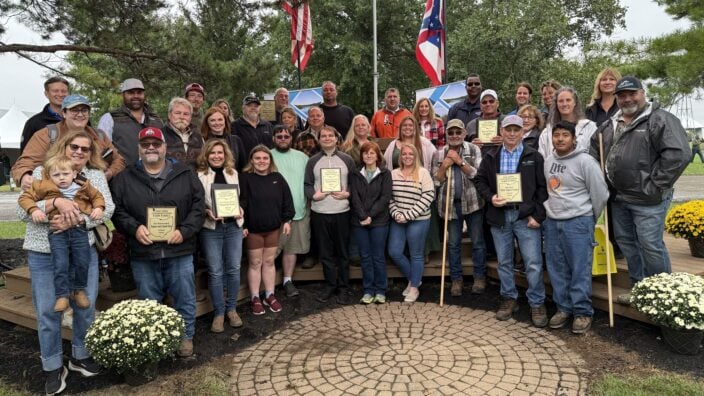
Since 1984, the Conservation Farm Family Awards program has recognized Ohio farm families for their exemplary efforts conserving soil, water, woodland, wildlife, and other natural resources.
Read More
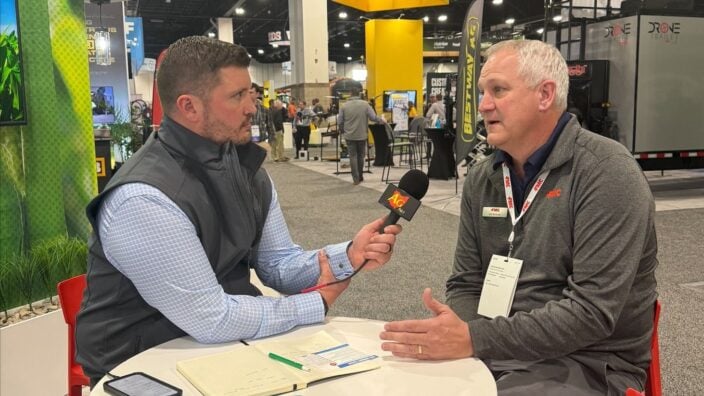
Meet Joe Everett, a Shelby County Farm Bureau Young Ag Professional who has dedicated his life to service, both in uniform and within his local community.
Read More