


Applications for Ohio Farm Bureau Health Plans now available
Members have three ways to apply: contacting a certified agent, calling 833-468-4280 or visiting ohiofarmbureauhealthplans.org.
Read MoreThe summer council packet has two new discussion guides; both feature issues briefings directly from American Farm Bureau Federation policy. These topics should give community councils a few options for their meetings into late summer. Ohio Farm Bureau values input from community councils, which contribute to the grassroots policy making process for the organization.
Developments over the last two decades have drawn increased attention on the health of managed honey bees and how this may relate to pesticide use. Some activists have used reported honey bee declines to target pesticides (in particular a class of pesticides called neonicotinoids) as the principal cause of the decline in honey bees. They have called on the U.S. Environmental Protection Agency
(EPA) to restrict neonicotinoids and/or suspend their registration under the Federal Insecticide, Fungicide and Rodenticide Act (FIFRA).
Insect pollination is a vital component of U.S. agriculture. Economically, honey bees contribute more than an estimated $15 billion to the agricultural economy. At the same time, farmers depend on pesticides to help produce their crops efficiently and economically. Where can farmers “strike a balance” when it comes to this issue? Discussion guide and supporting materials
National Monument designations, under the Antiquities Act of 1906, are meant to ensure the proper care and management of historic landmarks and other objects of historic or scientific interest. In recent decades, Presidents of the United States from both parties have used the power of the Act that some say goes beyond the scale that Congress originally intended. What ramifications do you see if the Cuyahoga Valley National Park and/or the Wayne National Forest were given National Monument status? What does your group see as potential impacts,
positive or negative, on agriculture and local communities in the area? Discussion guide and supporting materials
Remember, participants are not limited to these materials – Feel free to discuss additional topics and issues generated from the local newspaper, other publications and/or key events happening in your neighborhood.
Need some additional help? Contact your county Farm Bureau office for assistance.
Councils can access the council roster, meeting summary sheet and activity sheet forms online.
Remember to send council meeting forms and correspondence directly to the county Farm Bureau.
Many of Farm Bureau’s action plans started with conversation around a kitchen table, living room or front porch; lively discussion continues to develop using web applications, too.
To join a community council, contact the county Farm Bureau office.


Members have three ways to apply: contacting a certified agent, calling 833-468-4280 or visiting ohiofarmbureauhealthplans.org.
Read More
2026 camps feature an expanded lineup of one-day experiences and a weeklong immersive camp for high school students. Registration closes 10 days before each experience.
Read More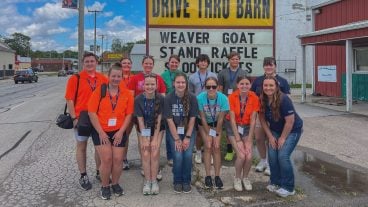
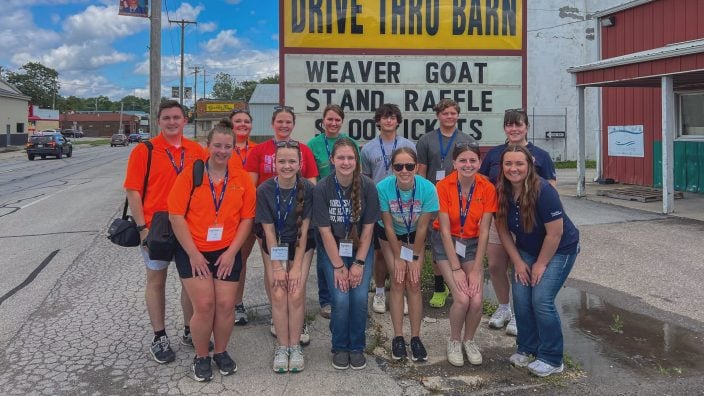
Growing our Generation enewsletter features insights and ideas directly from Ohio’s young farmers and food and agricultural professionals. Sign up…
Read More
A recording of the webinar is available to Farm Bureau members. Please log in to your member account at ofbf.org, then click the link to access the recording.
Read More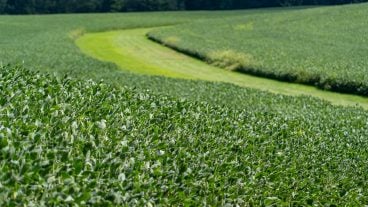
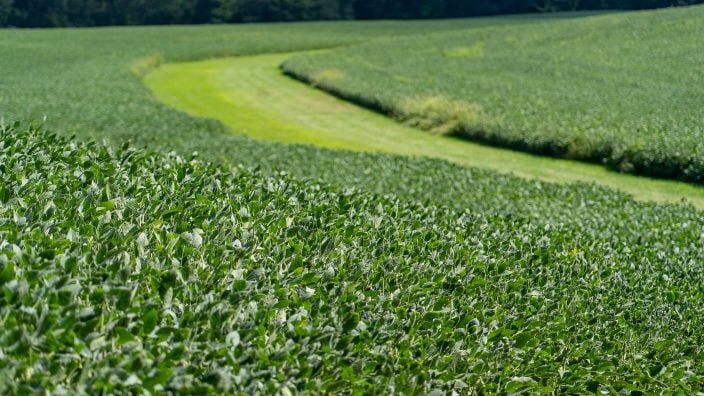
Across both bills, Ohio Farm Bureau reinforced that development can provide economic opportunity, but must be balanced with strong protections for landowners and Ohio agriculture.
Read More
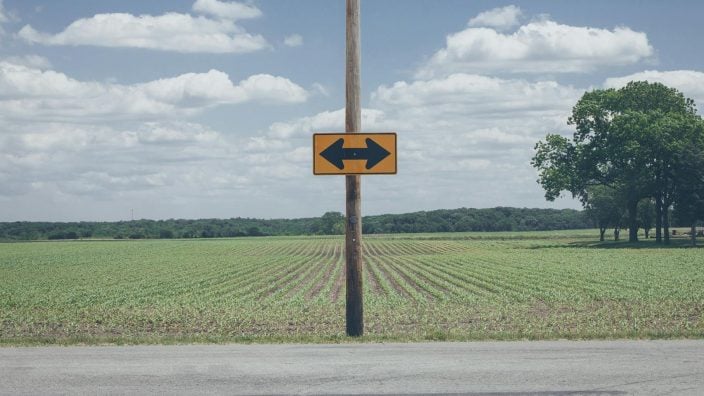
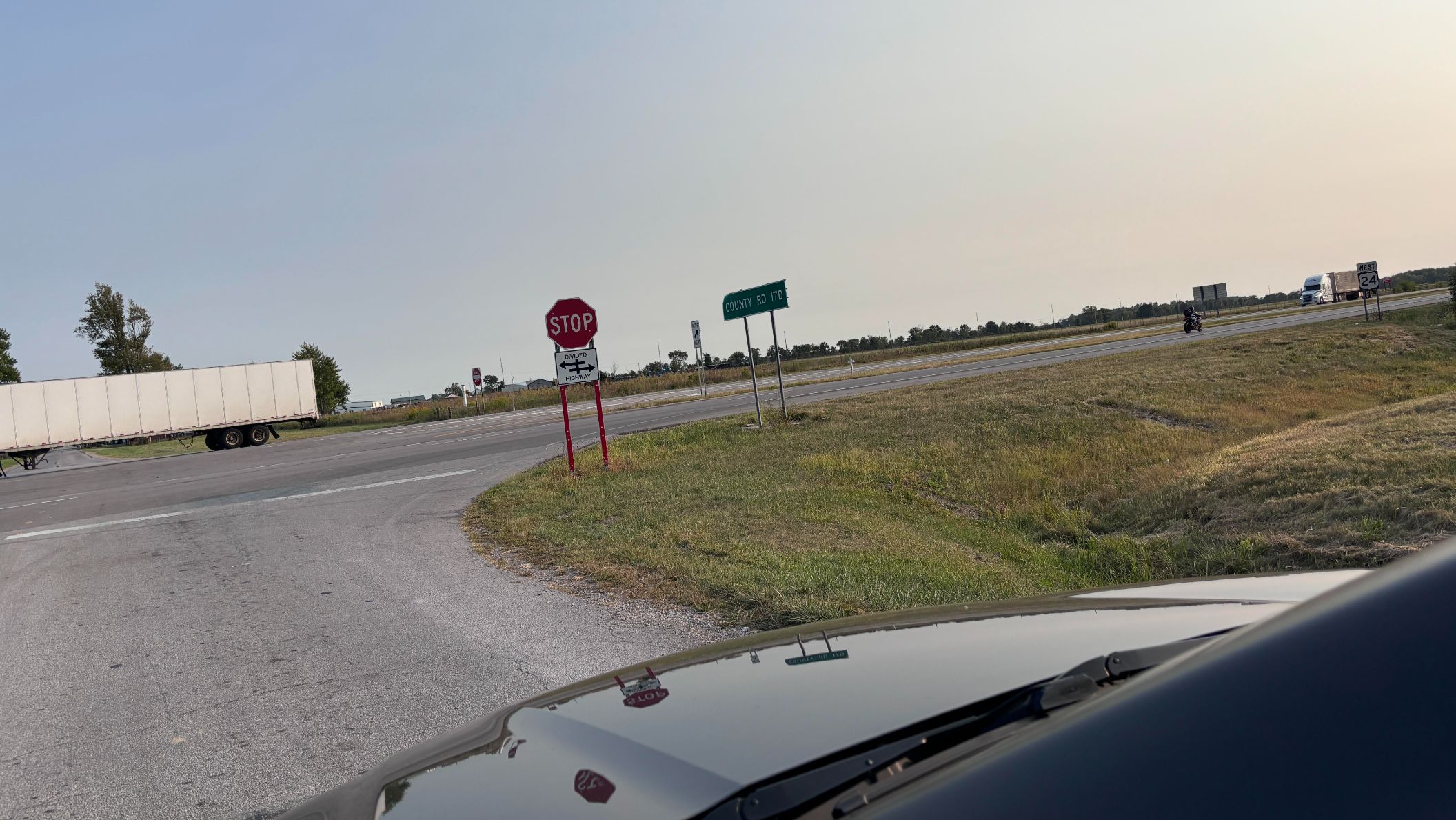
As ODOT accepts public comments until April 14, it is critical that impacted farmers and rural landowners weigh in while the study is underway.
Read More
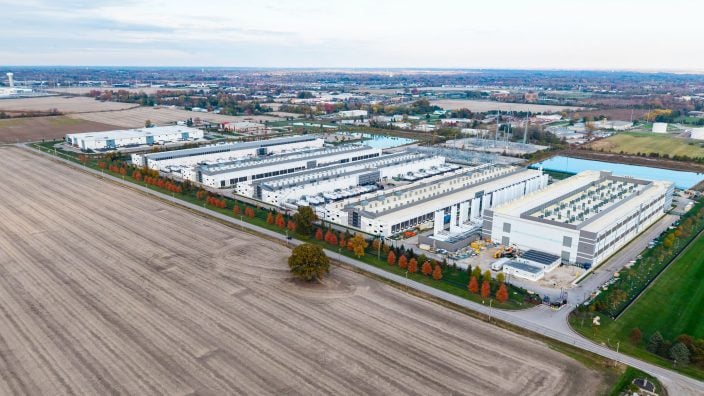
Ohio Farm Bureau is urging its members to contact their Ohio legislators to ask them to repeal the Data Center Sales Tax Exemption.
Read More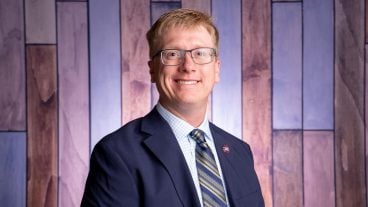
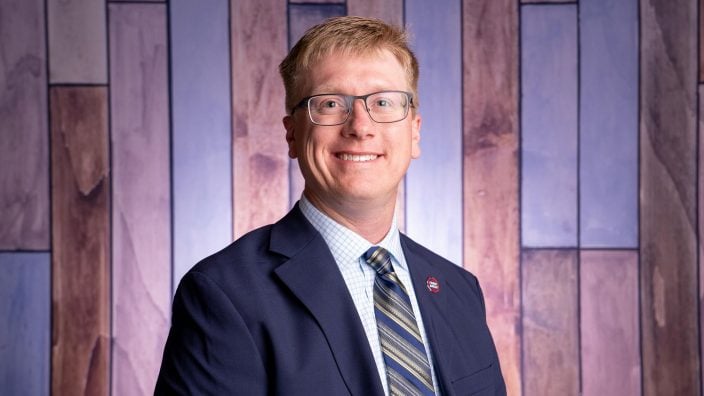
Derek Snider has been appointed to the American Farm Bureau Federation’s Young Farmers & Ranchers Committee for the 2026-2028 term.
Read More
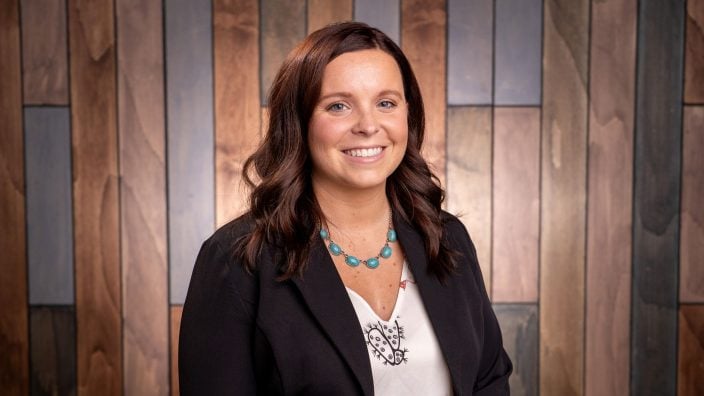
Olivia Robinson of Hanover has been named organization director for Ohio Farm Bureau and will serve members in Guernsey, Morgan, Muskingum and Perry counties.
Read More
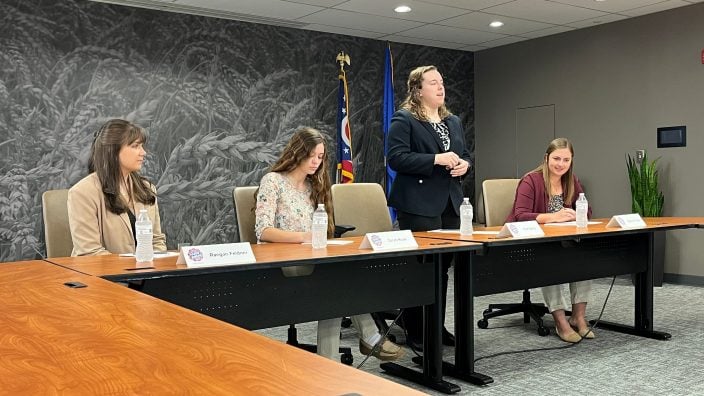
Ruth Beery of Wilmington College Collegiate Farm Bureau is the winner of Ohio Farm Bureau’s 2026 Collegiate Discussion Meet competition….
Read More