


Applications for Ohio Farm Bureau Health Plans now available
Members have three ways to apply: contacting a certified agent, calling 833-468-4280 or visiting ohiofarmbureauhealthplans.org.
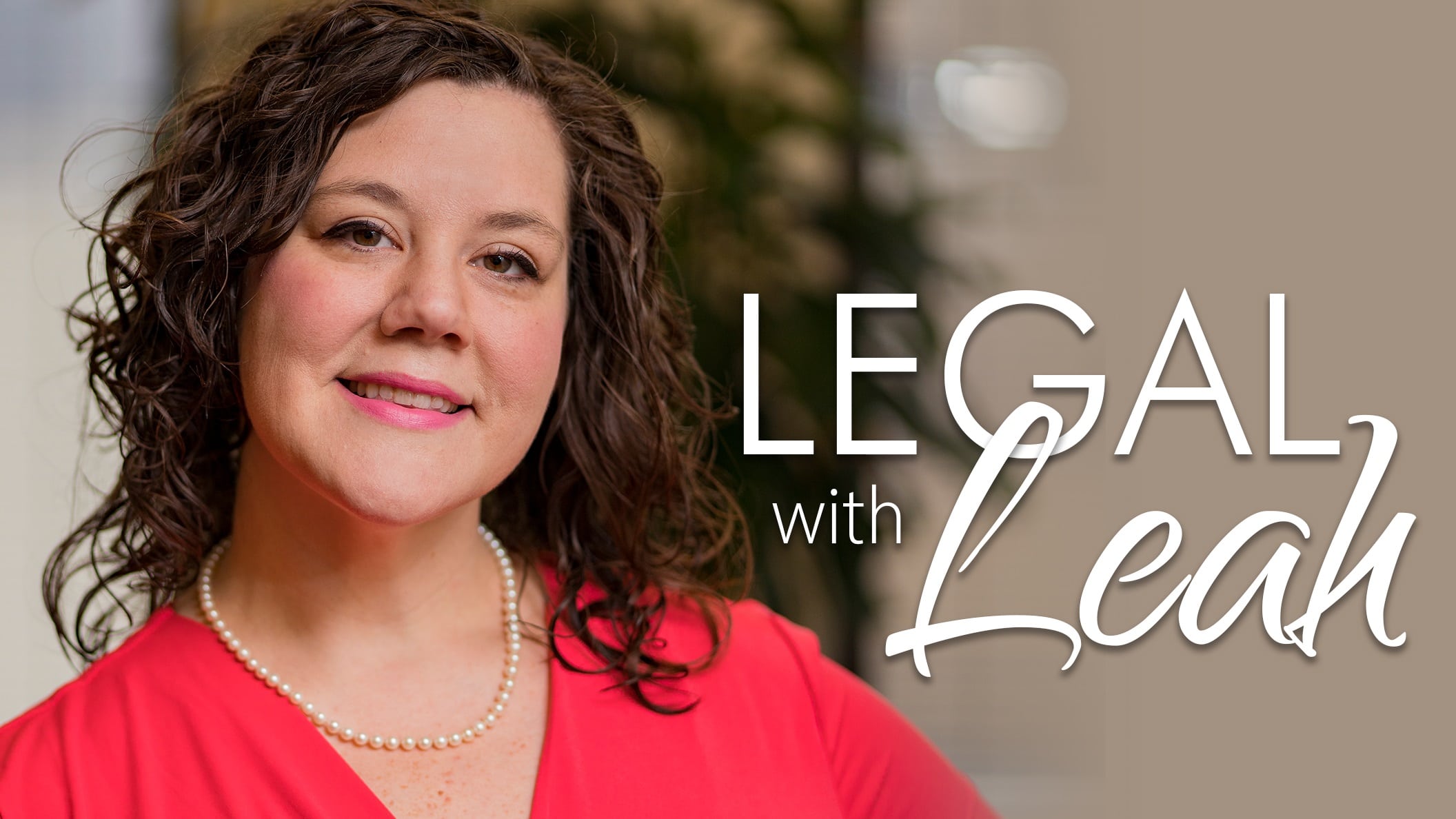
Read MoreGet it in writing is good advice, especially when it comes to leasing land. In this episode of Legal with Leah, Farm Bureau Policy Counsel Leah Curtis explains why and what a good lease should look like.
Listen to Legal with Leah, a podcast featuring Ohio Farm Bureau’s Policy Counsel Leah Curtis discussing topics impacting farmers and landowners.
Joe Cornely: In today’s world, I think it’s sound advice that no matter what the deal is — get it in writing. But as we also know, traditionally in agriculture, it doesn’t always work that way and might be a bit problematic. Farm Bureau Policy Counsel Leah Curtis is with us today. If I want to rent the neighbor’s land, we usually shake hands, agree to a price and then move on and maybe not such a good idea anymore.
Leah Curtis: We know that that is how most farm leases happen. And I understand why people do that. And that’s still the custom. However, technically under the law, that handshake and promise is not necessarily going to be enforceable. If something happens, you guys have a falling out or somebody else comes along and he wants to rent it to somebody else, the court is not necessarily going to enforce that agreement because it’s not in writing.
Joe Cornely So let’s talk a little bit about when it most definitely should be in writing. We’re saying all the time, but if there are some particulars. When is it especially important to get it on paper?
Leah Curtis: So because of a law called the statute of frauds, land leases in particular are always supposed to be in writing. If it is going to be a lease for longer than three years then it should not only be in writing, it should be recorded and notarized, and in writing and recorded and notarized…all those things are there to protect both parties. If it’s in writing, we have something to look at. If it’s recorded, then not only do you have something to look at, but anybody who might buy that property also now knows that that lease is there and on record.
Joe Cornely: So owner and renter both benefit when it’s on paper. What are some things that should be in the lease?
Leah Curtis: Well, certainly the rent should be there. The length of time that the lease is in effect should be there. Those are at least the two most important. But you can also talk about does this lease survive a transfer to another owner. If the landowner sells, does the lease go on? Are there any restrictions that either farmer or landowner want to talk about or establish? But most importantly, again, is that deadline, that time of when you need to know to renew it or to cancel it, because that is where we see the most problems and we get the most calls is the landowner or the farmer decides they want to renew and the other party did not want to renew. And now you’re in a fight about who gets to keep using that land.
Joe Cornely: So, again, repeating, the best advice, get it on paper. If I’ve got a lease, though, with somebody that I’ve had forever and it was a handshake deal and things go sideways. How does that play out if a court has to be brought in on a handshake deal?
Leah Curtis: So courts will sometimes look at what has happened between the two parties and they may enforce the lease, at least to the point of maybe allowing you to harvest the crops or refunding the money you’ve spent in preparing. We usually call this unjust enrichment in law school. And it’s basically maybe you as the farmer, you’ve spent some money, you’ve made that land better, and now that landowner doesn’t want to let you use it. Maybe you’ve put fertilizer down on it or whatever. So the court may give you back the costs that you spent on fertilizer. They’re not necessarily going to let you keep farming that land. So that’s why it’s good to have it in writing, because then the court can see what your agreements actually were and the term and all of that. And then they’re able to enforce it versus just saying, well, you’re out of luck for actually farming it, but we’ll give you back some of your money.
Joe Cornely: So our Farm Bureau Policy Counsel Leah Curtis reminding us that it doesn’t matter how good the relationship is, how long the deal’s been a handshake. When it comes to leasing farm ground, it’s best to get it on paper.



Members have three ways to apply: contacting a certified agent, calling 833-468-4280 or visiting ohiofarmbureauhealthplans.org.
Read More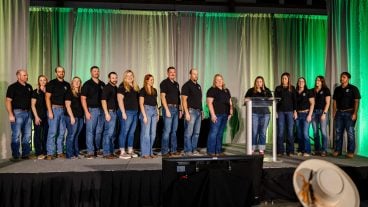
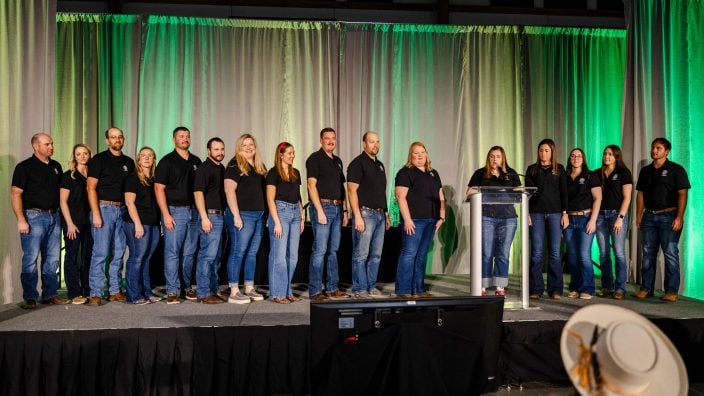
Members ages 18-34 who are interested in developing their leadership skills and enhancing programming for their peers should apply.
Read More
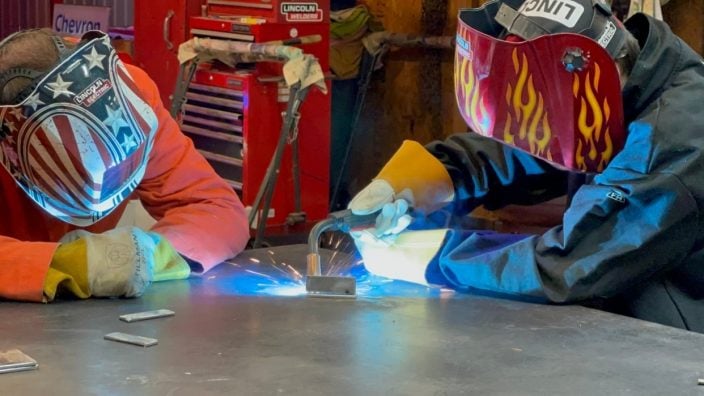
Senate Bill 328 is legislation designed to strengthen career-connected learning and better prepare students for Ohio’s workforce needs.
Read More
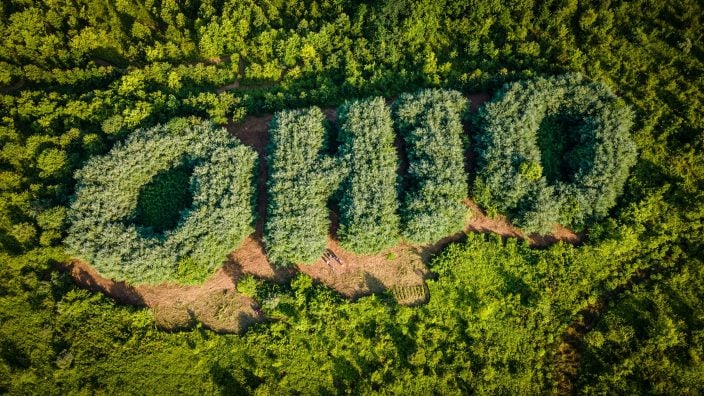
With the Family Forest Carbon Program, you can have a successful farm and get paid to grow healthy forests.
Read More
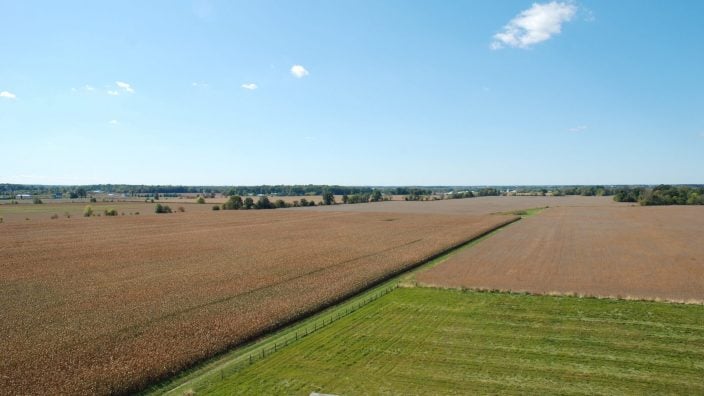
Ohio Farm Bureau recently sent a letter to Congress calling for the swift passage of the Farm, Food, and National Security Act of 2026 (HR 7567).
Read More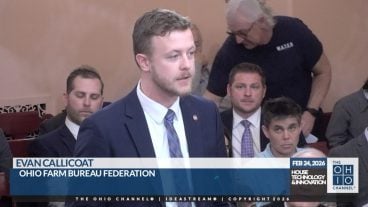
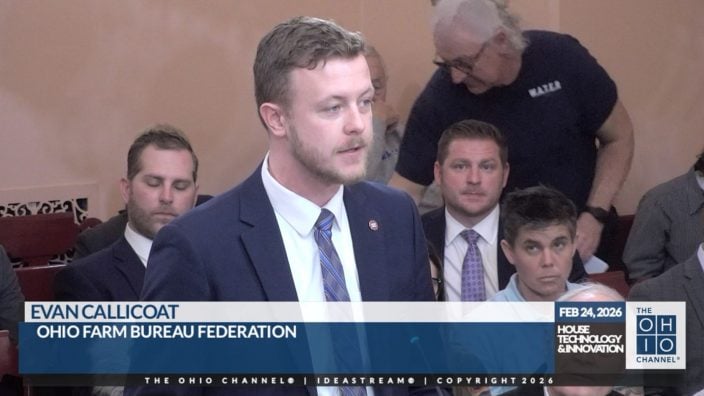
House Bill 646 would establish a Data Center Study Commission to examine the impact of rapid data center development across the state.
Read More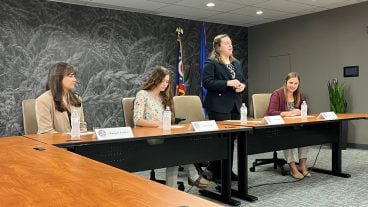
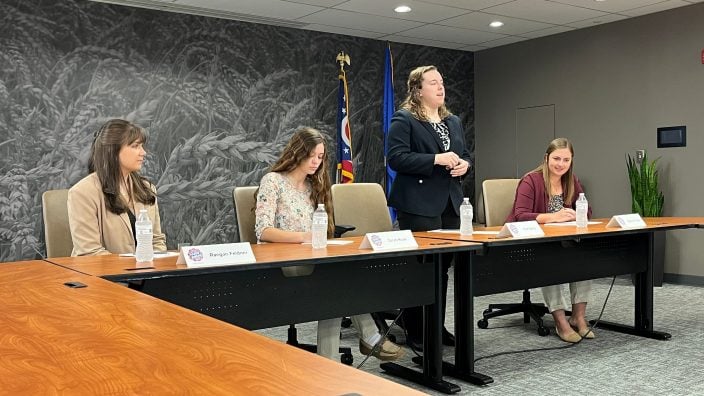
Collegiate Farm Bureau serves as a connection to current industry professionals and equips the next generation with the essential tools and resources needed to excel in their careers.
Read More
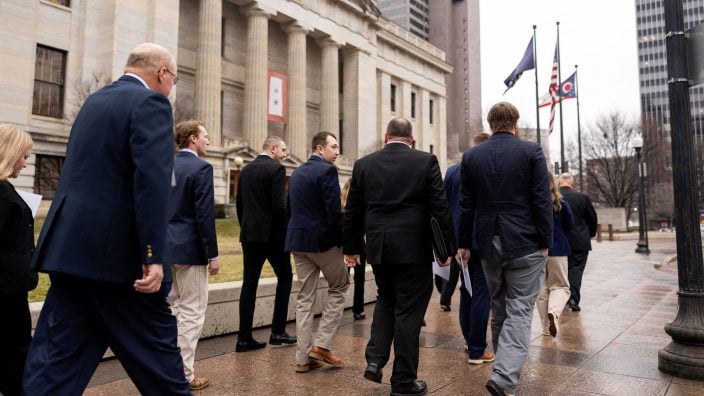
Ohio Farm Bureau members met one-on-one with state legislators and staff to discuss policy priorities impacting Ohio’s farms and rural communities.
Read More
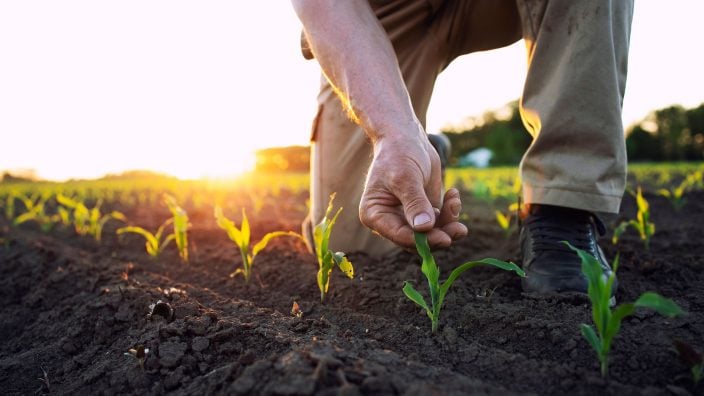
Legacy nutrient deductions enable new farmland owners to claim deductions on the nutrients within the soil on which healthy crops depend.
Read More
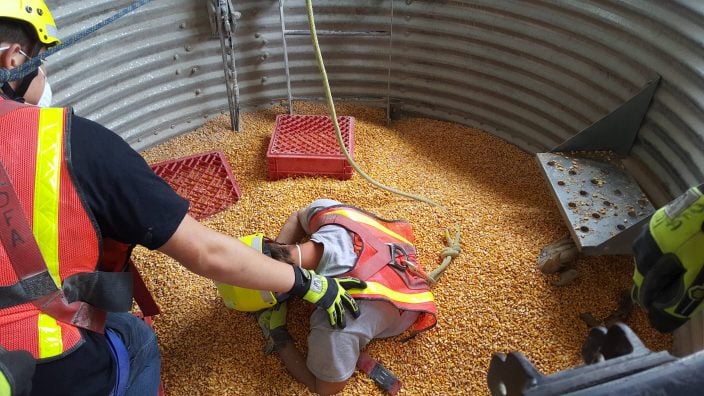
Farmers, agribusinesses and community members are encouraged to nominate their local fire departments for Nationwide’s Nominate Your Fire Department Contest through April 30.
Read More