


Don’t raise a stink over insect’s emergence
Stink bugs also known as the Brown Marmorated Stink Bug (BMSB in the entomology world) are one of the earliest signs of spring to me here in Ohio.
Read MoreHello, everyone! Despite our crazy weather earlier this summer, I don’t think we could have asked for much better harvest weather this fall. With about 15% of soybean fields in the county harvested, yields are a little below average, but not terrible.
Corn silage harvest should be wrapping up soon.
For those of you who don’t know, corn silage is the created when an entire corn plant is chopped up into little pieces and fermented for cattle feed. Corn silage is typically harvested several weeks before corn is harvested for grain because grain corn needs to be much drier for storage.
Winter wheat and barley — which were planted after soybean harvest — look good so far. After a difficult wheat planting season in 2018, this year is a walk in the park. The wet, soggy planting conditions last year resulted in poor wheat stands and yields.
We hope we will have a good small grain yield next year. Farmers wait to plant wheat, small grains, and some cover crops until after Hessian flies are no longer a concern.
If you’ve never heard of them, Hessian flies are a serious pest to small grains, and wheat in particular. The adult flies are around from early August until about Sept. 23, which is referred to as the “fly-free date.” The adult flies don’t necessarily cause any damage, but they lay eggs in small grains and the developing larvae can cause significant damage to the crop.
By waiting until most of the adult flies are dead before planting, farmers can limit the potential damage from the flies. But this also means that the crop is at the mercy of the weather. You can’t push the planting date too late or the wheat won’t be established enough to survive the winter.
The weather this year has caused us to have a lot of conversations about crop insects that we normally don’t discuss. Corn borer and corn earworm in particular were more prevalent in fields this year. This is due to a combination of weather patterns bringing them into our area, and also the development of resistance to Bt in these species. (Bt is a protein introduced into corn through GMO technology that specifically targets earworm and corn borer.) New genetic traits (Viptera, for example) are available that are better suited to control these pests but I don’t think our pest pressure is high enough to warrant complete change to that new technology … yet.
I want to leave you today with a couple of quick updates. The Ohio Department of Agriculture has finally released the regulations and licensing process for growing industrial hemp. You can find more information summarized by OSU’s Ag Law blog.
If you have questions about growing hemp call, and I would be happy to talk you through the process. One surprising component of the regulations is the minimum size requirement for growing hemp, which is a quarter-acre lot. I imagine this is to discourage many hemp “enthusiasts” from growing small plots which would create an enforcement nightmare.
If you want to know more about growing industrial hemp, join us 11:30 a.m. to 1 p.m. Jan. 15 when the OSU Extension, Trumbull Soil and Water Conservation District and Natural Resources Conservation Service will kick off our Trumbull Farmer Lunch series with a presentation on hemp.
While I feel like all I talk about lately is pigweeds, redroot, Palmer and waterhemp, we need to get the word out about correctly identifying these noxious weeds. We found more isolated Palmer amaranth plants recently below a bird feeder. We assume that the seeds may have come in with the bird seed, although a bird may also have picked them up elsewhere and deposited them at this site while stopping for a snack.
While you are in your combine this year, be on the lookout for these plants because if you run it through your combine, you will severely regret it next year. Palmer amaranth can produce 500,000-plus seeds per plant, and it is not a weed we want in the county.
The large populations we have found are associated with lime piles, and it is possible that those seeds came in on a delivery from western Ohio. This is a year that you will want to seriously consider a fall burn-down approach if you have not done so in the past. You don’t need to go nuts, but there are several options.
Even though pigweeds are getting the headlines this year, the county weed survey still shows that marestail is our most problematic weed. A good fall burndown will also help keep that in check as well.
Stay safe out there during harvest, and I hope that everyone will be patient with farm equipment on the roads. We want all of our farmers to get home safely to their families.
Lee Beers is Extension educator, Agriculture & Natural Resources and can be reached via email or 330-638-6738.


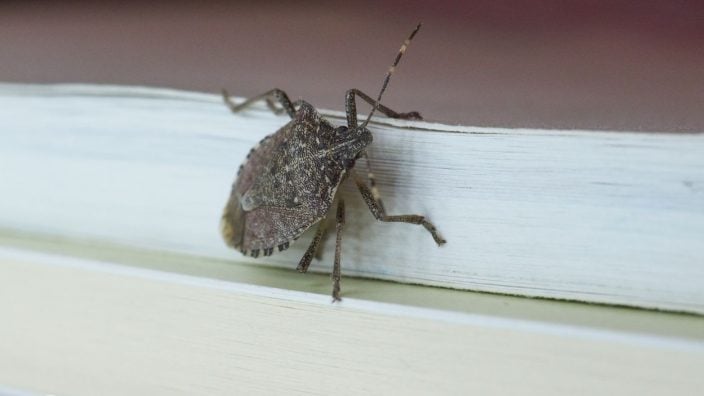
Stink bugs also known as the Brown Marmorated Stink Bug (BMSB in the entomology world) are one of the earliest signs of spring to me here in Ohio.
Read More
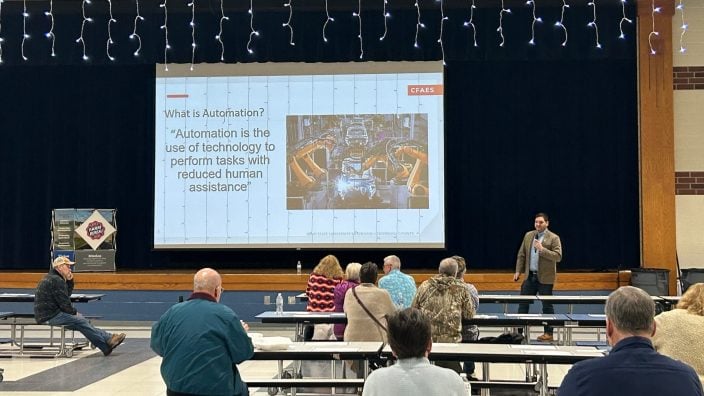
Through all of life’s changes, Trumbull County has become not just a place we work, but the place we call home.
Read More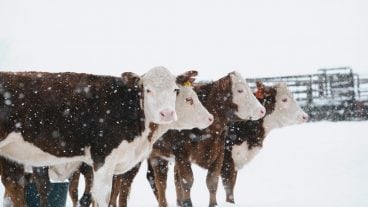
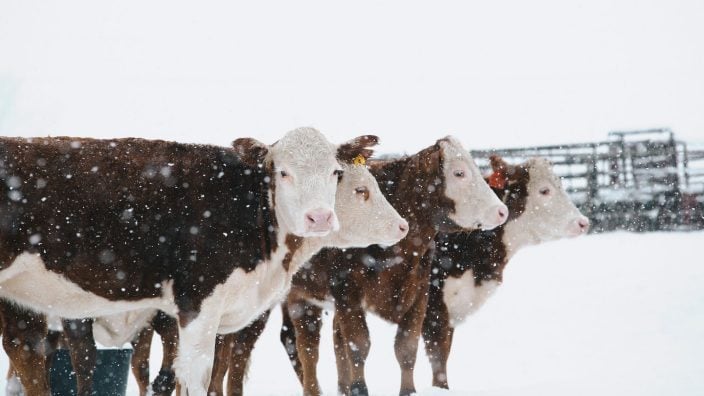
Most livestock animals are well adapted to cold weather, but farmers take extra measures when extreme temperatures come.
Read More

We often talk about the moments that shape us — big decisions, career paths and life milestones. But more often than not, it’s not the moments that define us. It’s the people.
Read More

I’m going to give you a list of things that you can do that will get you outside and actually enjoy the snow.
Read More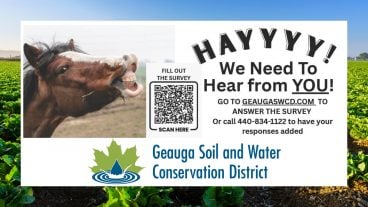
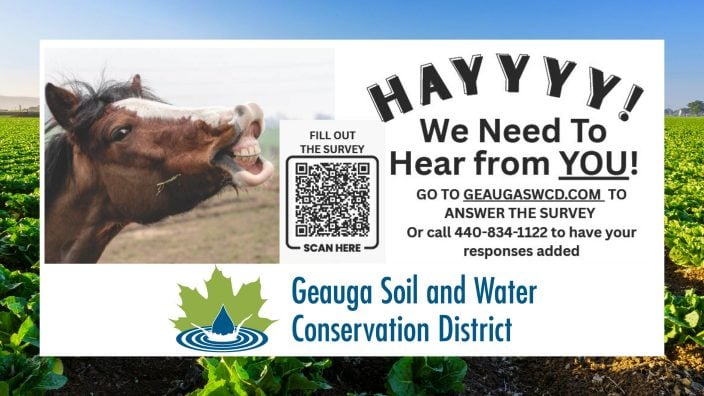
Geauga County SWCD is inviting you to complete an anonymous survey to count the number of horses in Geauga County. The survey should take less than 5 minutes to complete.
Read More
Each week, the Northeast Counties Farm Bureaus would like to take the time to showcase one of the businesses that not only works with us but works with our members to get the most out of their memberships.
Read More
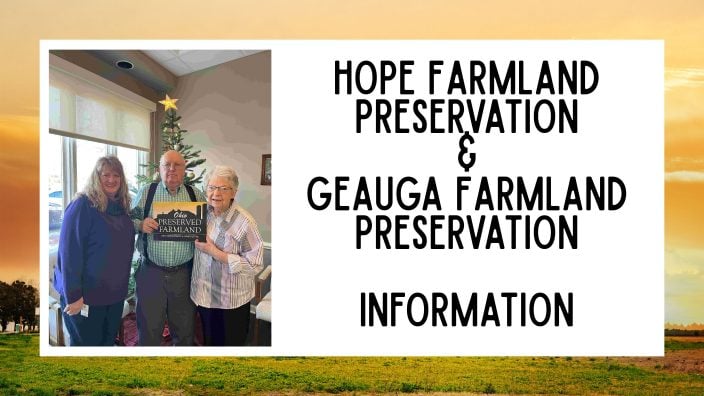
John and Mary Lou Hope of Thompson Township recently signed their 129-acre farm into ODA’s Local Agricultural Easement Purchase Program, preserving their farmland, forever.
Read More

As kids, we are often told to try new things, whether it be a new food, a new activity or…
Read More
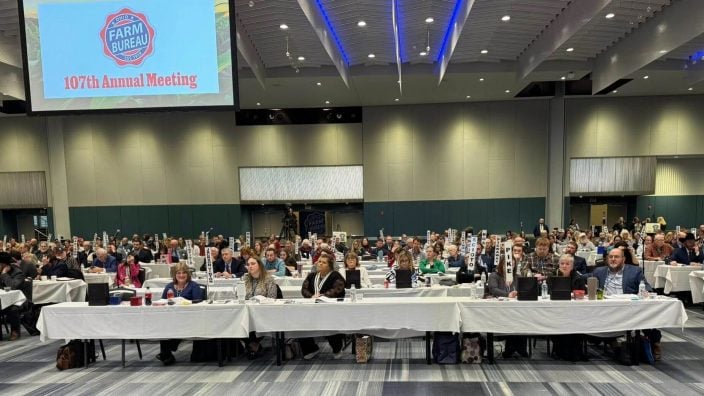
We aren’t just reacting to change — we’re shaping the future of agriculture, one conversation and one decision at a time, together.
Read More