


Applications for Ohio Farm Bureau Health Plans now available
Members have three ways to apply: contacting a certified agent, calling 833-468-4280 or visiting ohiofarmbureauhealthplans.org.
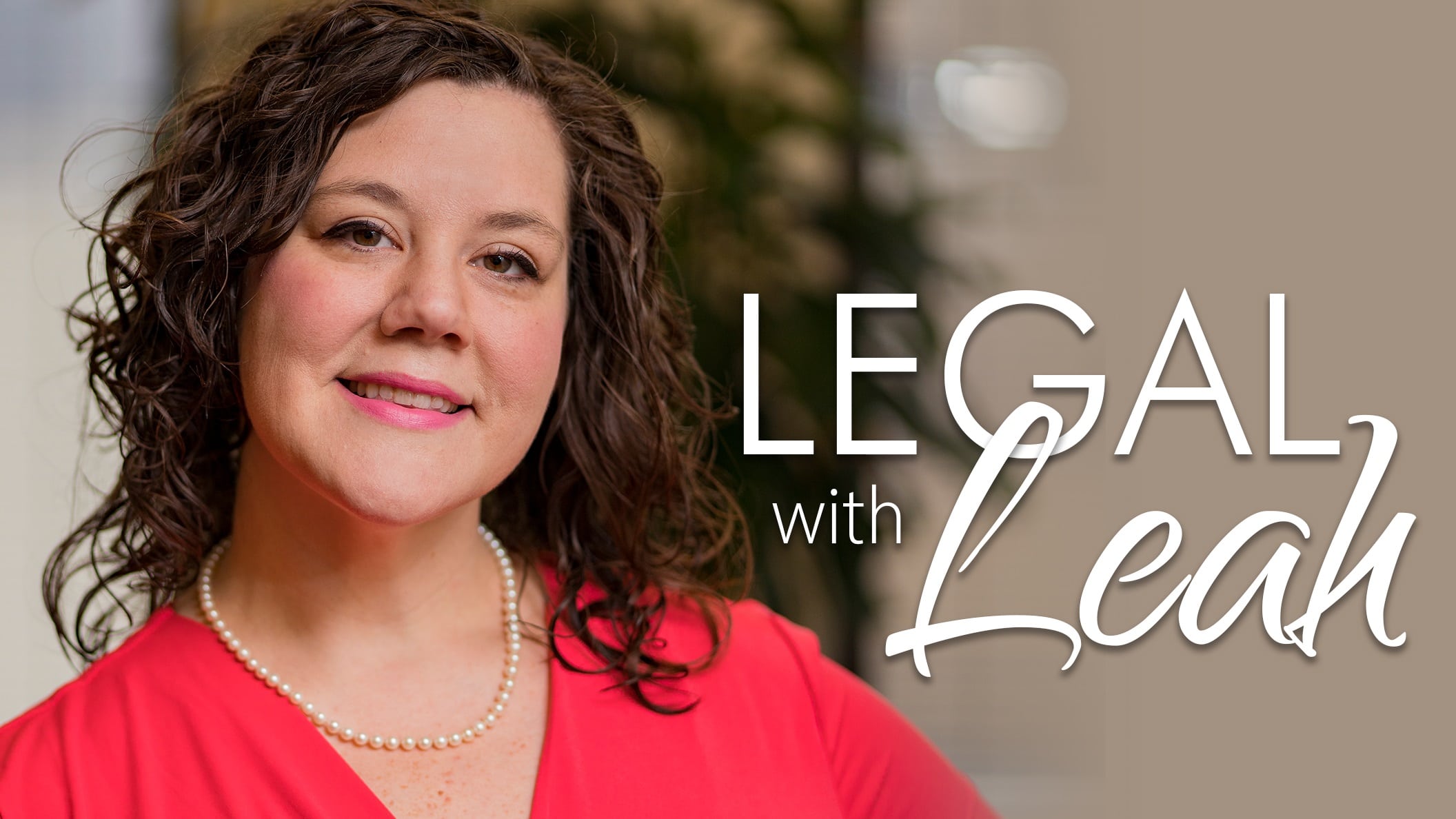
Read MoreFood supply issues due to COVID-19 has had some consumers worried about what they may not be able to find at the grocery store meat case. That has led to a push to connect with local farmers for meat, putting a strain on local butcher shops. The wait time for freezer meat is as far out from a couple of months to a year. Because of that, home butchering is seeing a renaissance of sorts. Ohio Farm Bureau Policy Counsel Leah Curtis has some important information for those processing their own meat in this Legal with Leah.
Ty Higgins [00:00:00] Food supply system issues due to COVID-19 have had some consumers worried about what they’re not seeing at the meat case. That has pushed some to reach out to local farmers, which has put a big strain on local butcher shops. That’s leading to a renaissance of home butchering. That’s our topic for this Legal with Leah. Leah Curtis is policy counsel with Ohio Farm Bureau.
Ty Higgins Let’s start with the farmer perspective, because I know some farmers out there have had to pivot a little bit and think about different ways of doing things. If they have a butcher that maybe processes their meat for consumers and local customers, that processing plant and that butcher shop may be backed up for weeks, if not months at this point. So farmers are looking to maybe do some home butchering and sell their own meat. As a farmer to sell meat in Ohio, what exactly do you need, Leah?
Leah Curtis [00:00:48} To sell meat from your own farm, you would need to have that meat processed at some sort of inspected facility, either a federally inspected facility or state inspected facility where it receives a stamp of inspection. So this is different than what we usually call custom operation, where there is no stamp, usually the label states that it actually is not for resale in those situations. You need one that has an actual inspection stamp. And then in addition to that, in addition to your product and it being inspected, you as a seller are going to need some sort of retail food establishment license to sell that product. There are lots of different types of what we call RFE licenses. The one that’s most common for farmers that are selling meats is the mobile RFE license. That is what allows you to go to farmers markets, and that can usually fit what most people are doing from their own operation. And you get those licenses from your local health department.
Leah Curtis [00:01:46] If you do want to sell meat, you’re going to need some sort of license to do it. So work with your local health department on getting what is the right license for you and what you want to do.
Ty Higgins [00:01:57] Can farmers process their own meat?
Leah Curtis [00:01:58] Farmers can process their own meat. But there are a lot of caveats to that. You can process your own animals on your own farm for your own consumption. You cannot process to sell. You cannot process for other people. You can’t process other people’s animals. You need to be doing your own animals on your own farm for your own consumption. And there are a lot of concerns that need to be thought through as you prepare for this process as well.
Ty Higgins [00:02:26] We wouldn’t be doing this Legal with Leah if well, it was 100 years ago and everybody butchered their own animals anyhow. And things have changed a whole lot as far as animal welfare and food safety. Those are some of the biggest concerns. Walk us through what we need to know about those issues.
Leah Curtis [00:02:42] As far as animal welfare, taking that one first. If you are a licensed processing situation, there are lots of handling and welfare regulations that you need to follow. If you’re processing your own animals, you still need to make sure that you’re adhering to the livestock care standards as far as how that animal is being held. And you need to do all that you can to respect that animal welfare viewpoint. We do want to make sure that people have the right equipment and make sure that they are doing everything they can to comply with those livestock care standards so nobody gets into any issues. And that’s why training is important, to make sure you’re doing things the way that you will get the best product and the best treatment for your animals. The owner could also consult with a veterinarian prior to the processing. That can help with kind of planning out how things are going to work, but also can give you a little bit of an inspection of your animal to make sure they’re healthy and fit for what your plans are.
Ty Higgins [00:03:39] When we talk about that inspection obviously, you mentioned it from the vet standpoint, but there’s a reason that USDA has inspectors in these processing plants. It’s to keep the consumer safe from any type of bacteria or anything that might be harmful on down the line as it gets to the grill at home. What are the food safety concerns with backyard processing?
Leah Curtis [00:04:00] Obviously, meat is a food where there’s a risk of contamination, particularly during processing. And that risk can go up if things are not done and handled correctly. So keep in mind that bacteria and food borne illnesses, those kind of grow and do their best in the range of 40 to 140 degrees. Super pathogens like E. coli, salmonella and Campylobacter are all of major concern with meat processing. And that’s why handling is so important. So make sure as you are undertaking any sort of backyard processing or if you’re going to undertake it, that you are using the best sanitation methods, you’re keeping everything clean, getting everything cool. There are certainly tips and things out there as to how to undertake this in the safest way possible so make sure that you’re planning things out to address these issues as you move forward. And then the aspect of this, which isn’t necessarily food safety, but it is sort of a safety component is disposal of what is left. So when you finish up, you need to make sure that you’re disposing of any blood or bones or inedible parts in a proper way so that you don’t create some sort of issue with sanitation and safety on your property afterwards.
Ty Higgins [00:05:15] It is a skill, obviously, something that takes training and is highly regulated for a reason.
Leah Curtis [00:05:21] Yes, we know lots of people do this and they do it safely and do it well. But we just want to make sure that everyone is thinking through all these things. It is something you should plan out. You should prepare for. Don’t just go out there and start. Make sure you’re taken all these steps to keep yourself safe, your animals safe and everybody else taken care of.
Listen to Legal with Leah, a podcast featuring Ohio Farm Bureau’s Policy Counsel Leah Curtis discussing topics impacting farmers and landowners.



Members have three ways to apply: contacting a certified agent, calling 833-468-4280 or visiting ohiofarmbureauhealthplans.org.
Read More
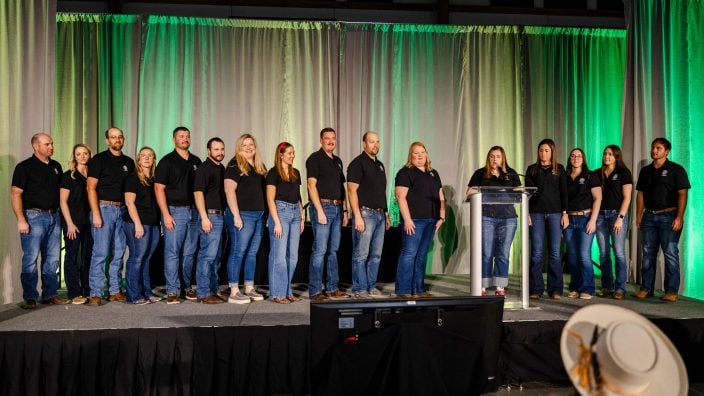
Members ages 18-34 who are interested in developing their leadership skills and enhancing programming for their peers should apply.
Read More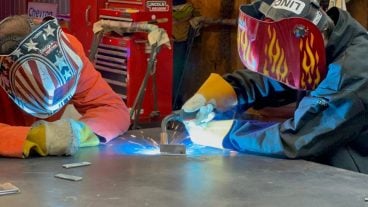
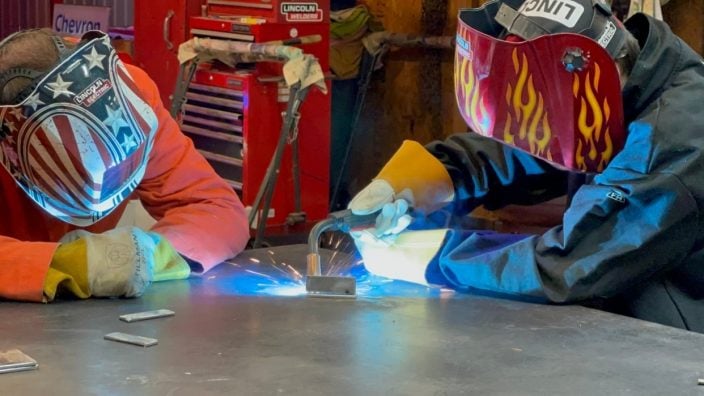
Senate Bill 328 is legislation designed to strengthen career-connected learning and better prepare students for Ohio’s workforce needs.
Read More
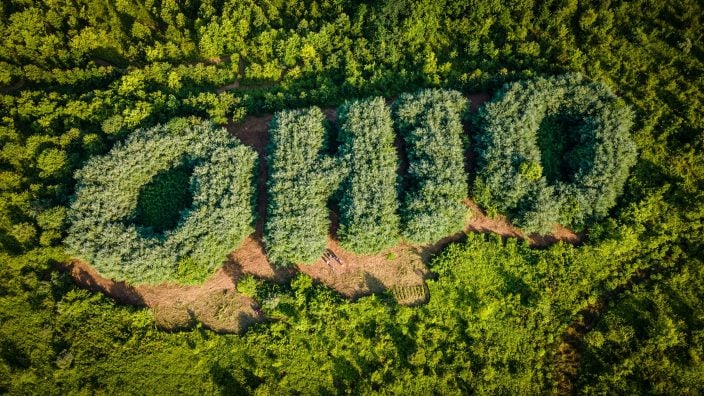
With the Family Forest Carbon Program, you can have a successful farm and get paid to grow healthy forests.
Read More
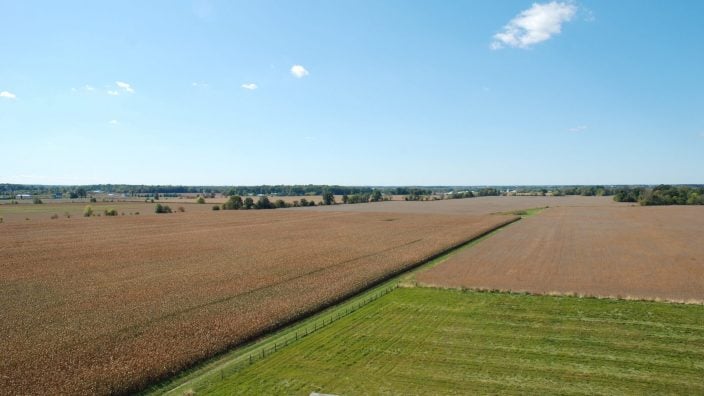
Ohio Farm Bureau recently sent a letter to Congress calling for the swift passage of the Farm, Food, and National Security Act of 2026 (HR 7567).
Read More
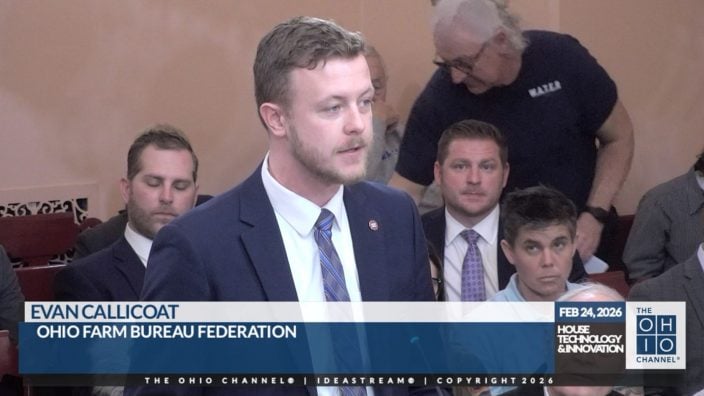
House Bill 646 would establish a Data Center Study Commission to examine the impact of rapid data center development across the state.
Read More
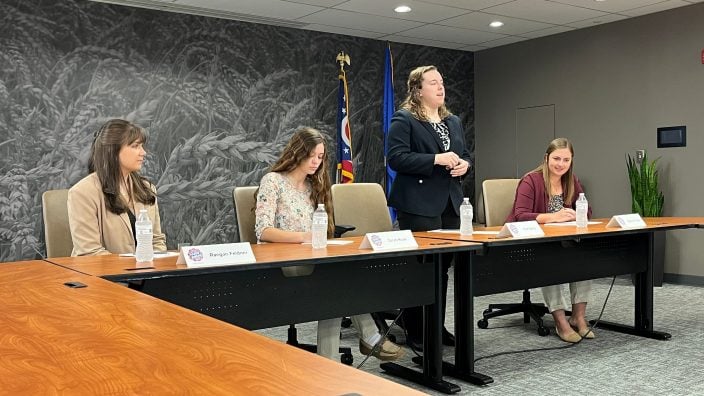
Collegiate Farm Bureau serves as a connection to current industry professionals and equips the next generation with the essential tools and resources needed to excel in their careers.
Read More
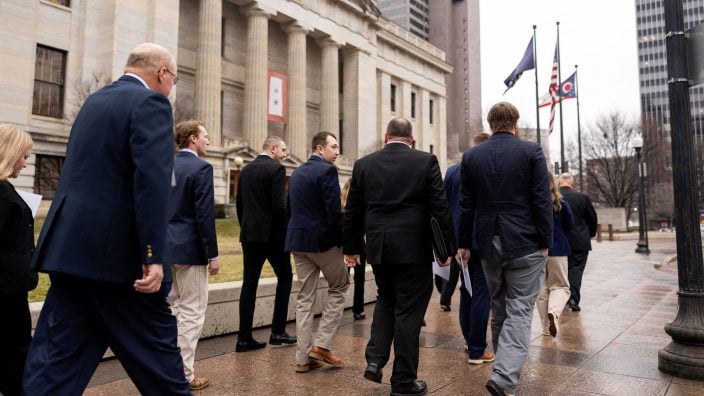
Ohio Farm Bureau members met one-on-one with state legislators and staff to discuss policy priorities impacting Ohio’s farms and rural communities.
Read More
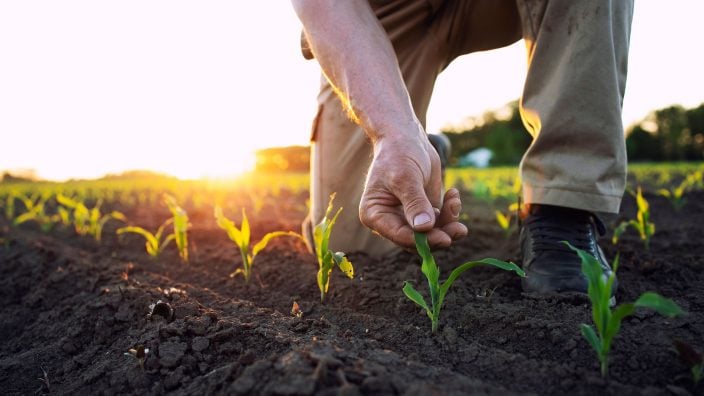
Legacy nutrient deductions enable new farmland owners to claim deductions on the nutrients within the soil on which healthy crops depend.
Read More
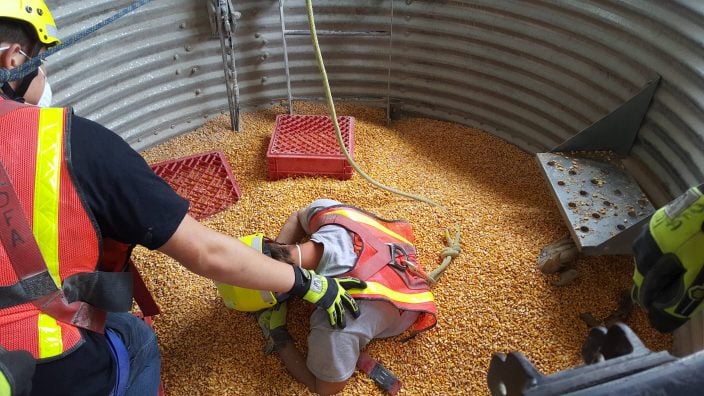
Farmers, agribusinesses and community members are encouraged to nominate their local fire departments for Nationwide’s Nominate Your Fire Department Contest through April 30.
Read More