


Applications for Ohio Farm Bureau Health Plans now available
Members have three ways to apply: contacting a certified agent, calling 833-468-4280 or visiting ohiofarmbureauhealthplans.org.
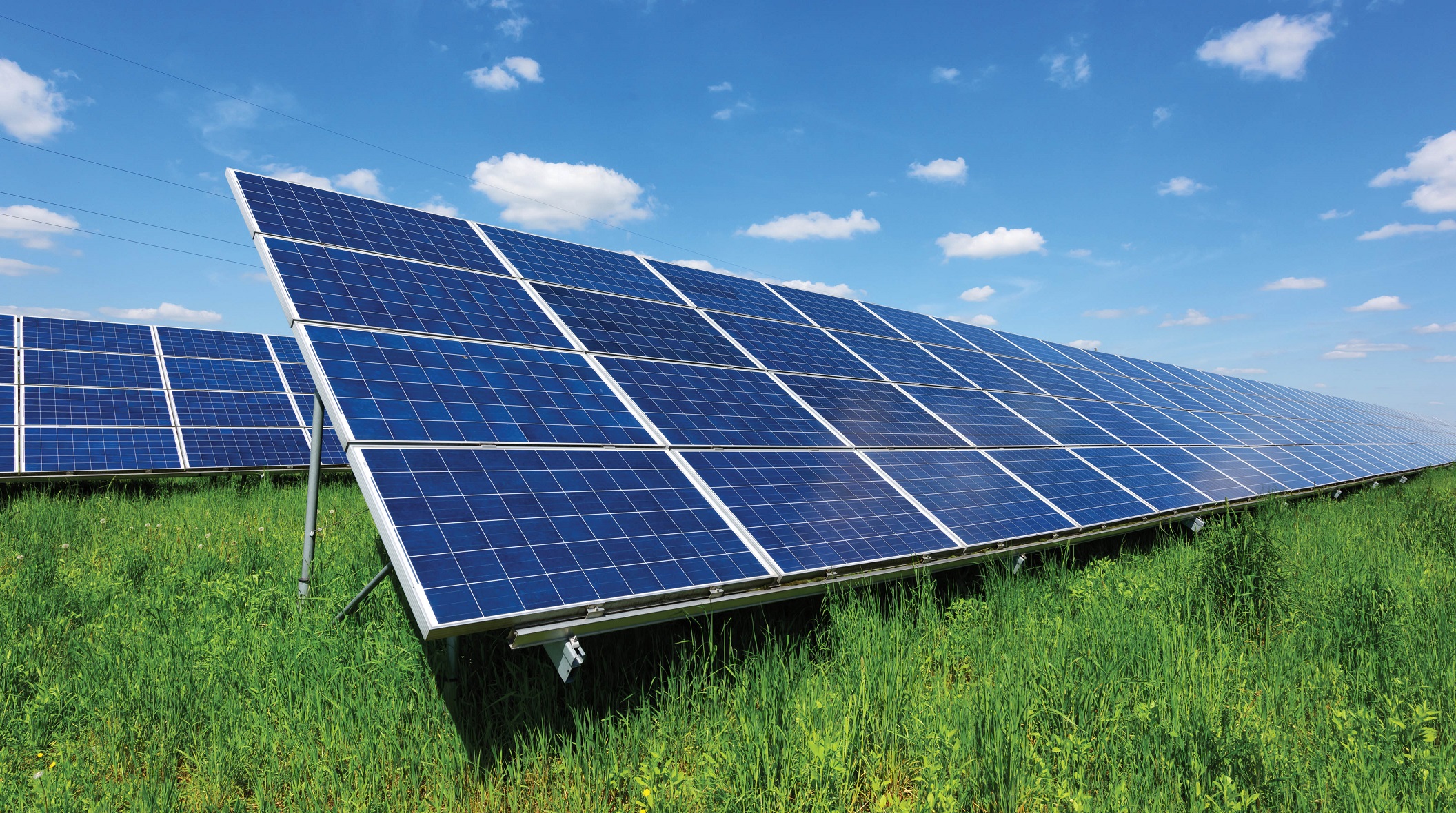
Read MoreOhio Farm Bureau members across the state are looking at personal use, on-site solar as a tool to help them control their energy costs.
Dale Arnold, OFBF director of energy, utility and local government policy, said before making any agreement landowners need to “do their homework.
“There is no such thing as an ‘off the rack’ system,” Arnold said. “Given electric load profiles, tariffs, metering and interconnection procedures, an on-site system will be uniquely designed and equipped to adhere to operation and safety standards.”
Property owners need to understand the standards and shouldn’t let a contractor do it for them, he said.
Farm Bureau offers consultant lists and energy briefings for members exploring on-site generation for farms, homes and small businesses. For more information, contact the county Farm Bureau office.
Farmers and energy developers are exploring how they can work together on energy projects. While sheep production could be compatible with large, utility scale solar generation, state and federal regulations concerning power generation prioritize facility operation over animal husbandry.
“Both parties need to recognize opportunities and accommodate requirements as they forge long-term relationships,” Arnold said.
Issues to consider include the authority of the Ohio Power Siting Board and lease provisions. The OPSB could approve sheep production as a conservation management and maintenance tool on facility grounds.
All sheep production provisions will be carefully detailed in stipulations and orders leading to the project’s certificate (permit) approval. These provisions will be enforced during the life of the project, which could last several decades. A decision to discontinue sheep production at any time could mean additional OPSB case work and amendments to the facility’s management plans.
As for lease provisions, the developer is typically responsible for security, operations, landscaping and vegetation management. Consequently, the lease will usually give the company exclusive land use rights to fulfill these obligations.
Provisions to address for on-site sheep production:


Members have three ways to apply: contacting a certified agent, calling 833-468-4280 or visiting ohiofarmbureauhealthplans.org.
Read More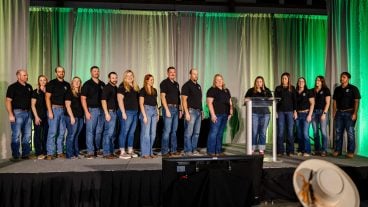
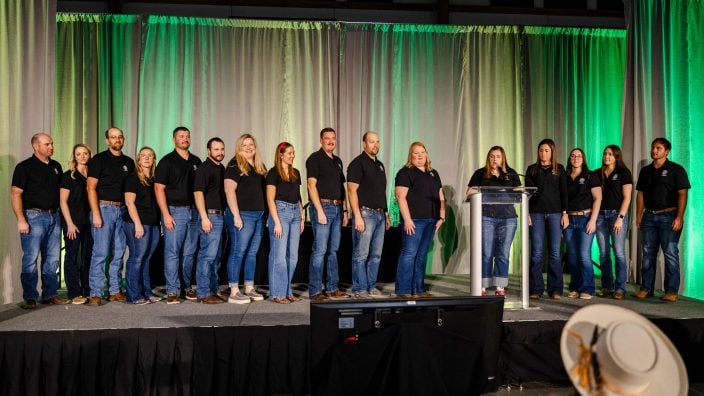
Members ages 18-34 who are interested in developing their leadership skills and enhancing programming for their peers should apply.
Read More
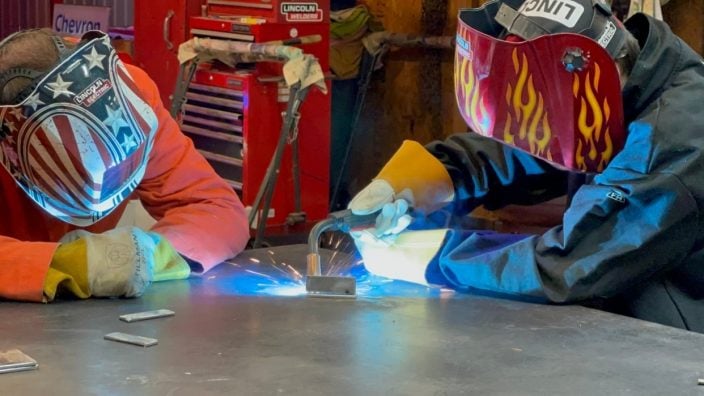
Senate Bill 328 is legislation designed to strengthen career-connected learning and better prepare students for Ohio’s workforce needs.
Read More
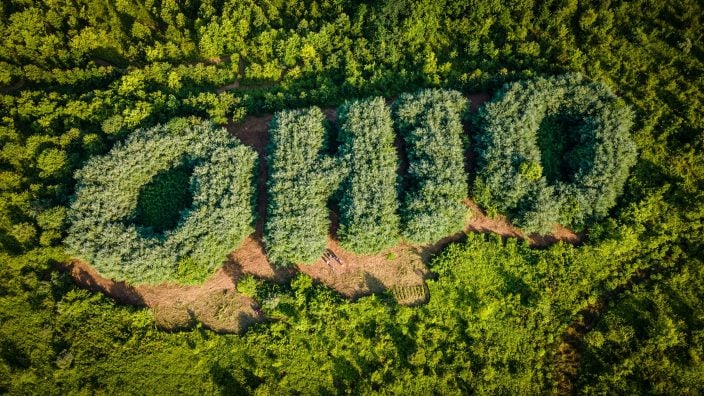
With the Family Forest Carbon Program, you can have a successful farm and get paid to grow healthy forests.
Read More
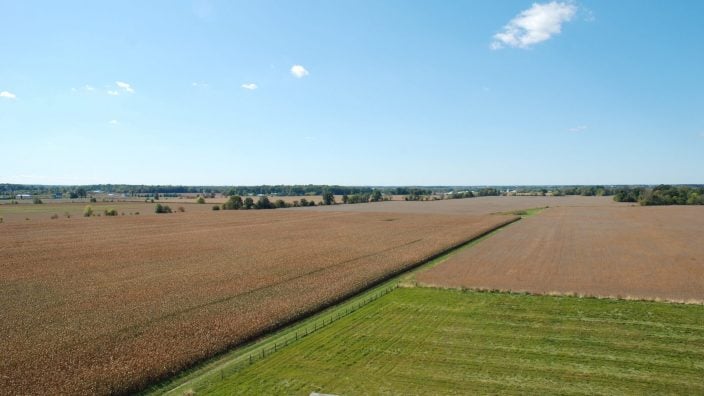
Ohio Farm Bureau recently sent a letter to Congress calling for the swift passage of the Farm, Food, and National Security Act of 2026 (HR 7567).
Read More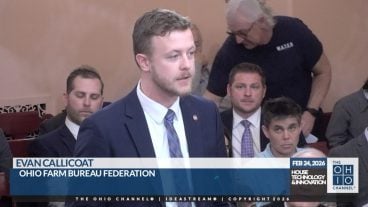
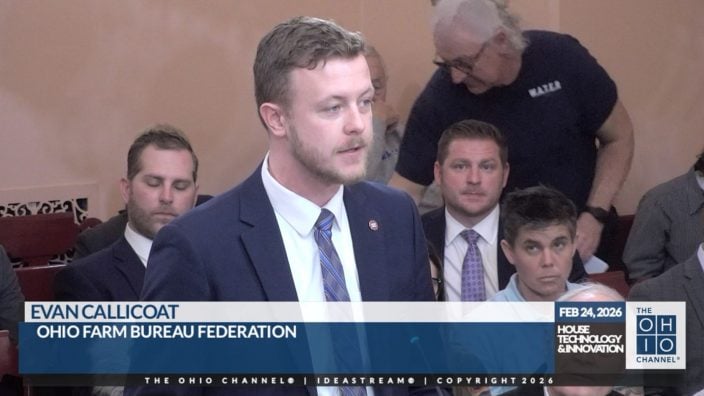
House Bill 646 would establish a Data Center Study Commission to examine the impact of rapid data center development across the state.
Read More
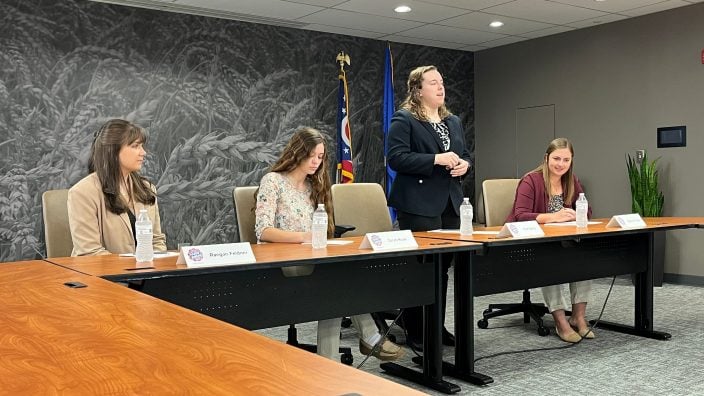
Collegiate Farm Bureau serves as a connection to current industry professionals and equips the next generation with the essential tools and resources needed to excel in their careers.
Read More
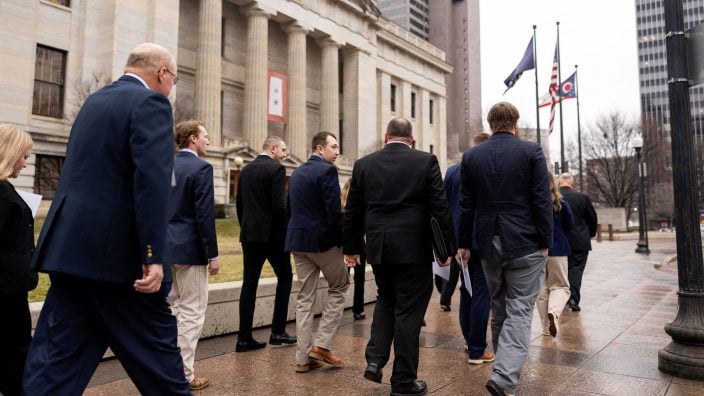
Ohio Farm Bureau members met one-on-one with state legislators and staff to discuss policy priorities impacting Ohio’s farms and rural communities.
Read More

Legacy nutrient deductions enable new farmland owners to claim deductions on the nutrients within the soil on which healthy crops depend.
Read More
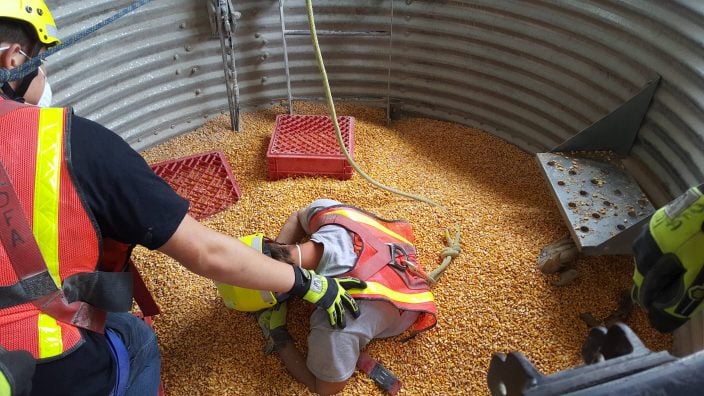
Farmers, agribusinesses and community members are encouraged to nominate their local fire departments for Nationwide’s Nominate Your Fire Department Contest through April 30.
Read More