




Applications for Ohio Farm Bureau Health Plans now available
Members have three ways to apply: contacting a certified agent, calling 833-468-4280 or visiting ohiofarmbureauhealthplans.org.
Read MoreHello, everyone. It looks like we are going to have a prolonged period of exceptionally cold weather coming up next week. Some overnight lows may approach 0 degrees.
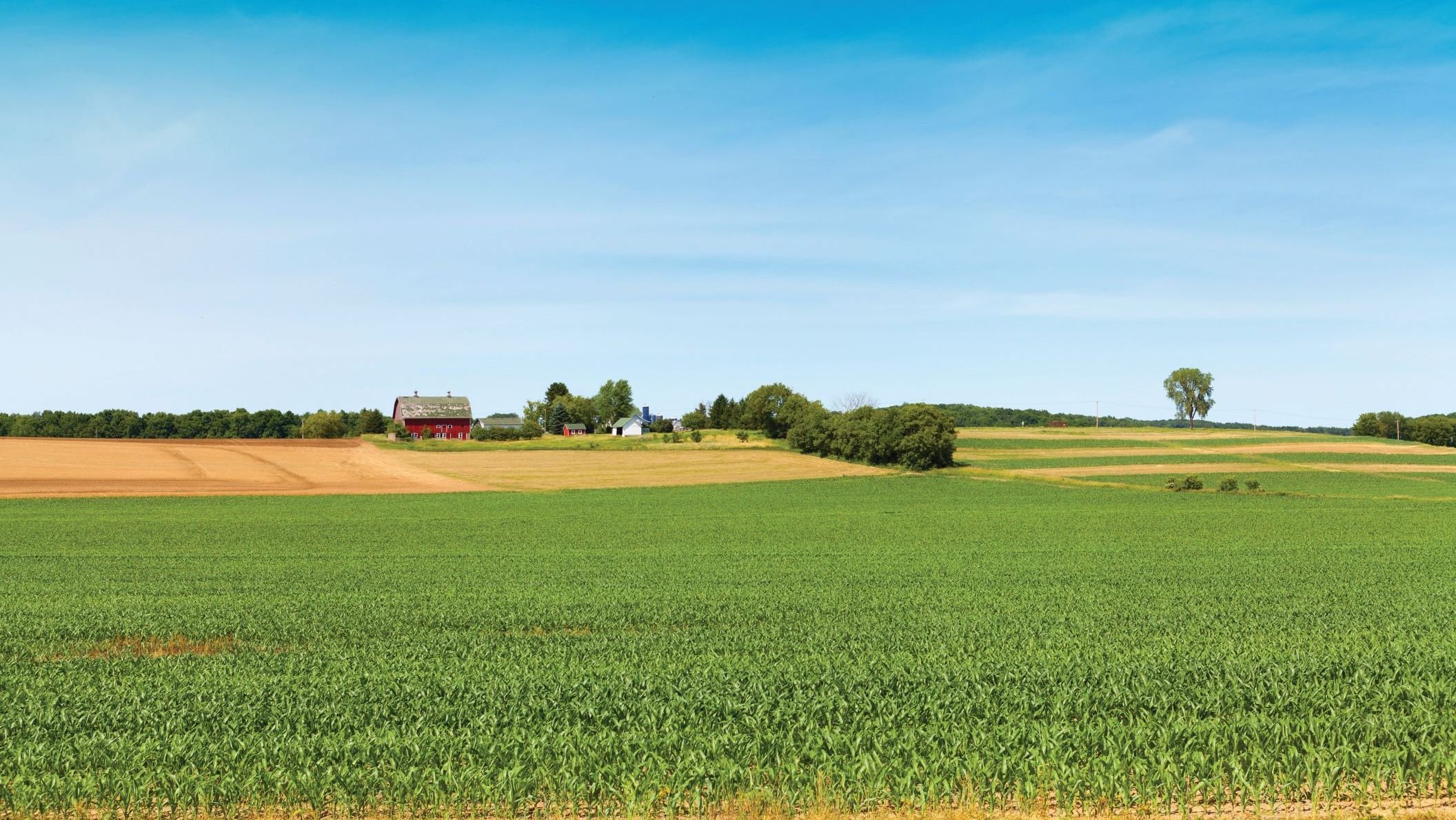
Freezing weather always is challenging on a farm or in your landscape, but temperatures that low pose a higher level of risk for plants and animals.
Most of our plants will survive those low temperatures without too much concern, but some plants may be injured.
Woody perennials with developing flower buds are the most likely to be damaged and, unfortunately, you likely will not see any damage until bloom later this spring. Covering these plants may provide some protection from a drying wind, but will not likely protect them from the cold temperatures.
Among our commercial crops, pears, apples and especially peaches are prone to damage.
When temperatures get as low as predicted next week, the biggest threat to the plants is actually dehydration. Temperatures below freezing cause the humidity to drop, which leads to dry air. Coupling dry air with wind exacerbates this issue.
Plant cells contain a variety of compounds (like sugars) that act much like antifreeze in your car — these compounds lower the freezing temperature of the fluid in the cell. This helps prevent the formation of ice crystals that would puncture the plant cells and cause all the contents to leak out. If the cells are punctured and do leak, the leaking then causes dehydration of the cells and ultimately will lead to the death of a portion of the plant.
If the snow that blanketed much of southern Ohio earlier this week made its way up here, that would have been beneficial. A 4-inch-to-6-inch layer of snow would provide insulation to low-lying plants. Although the air temperature may approach 0 degrees, under a layer of snow, the soil surface will likely hover around 30 to 32 degrees.
Most plants are taller than 6 inches, so it would seem this snow would not help them. However, freeze damage can still occur to the root crown (especially in grapes), and most of our winter cereal crops (wheat and barley) would be completely covered. A snow blanket may not stop freeze damage completely, but it will certainly help.
I’ve been talking about plants, but the real concern with farms will be livestock, waterlines and keeping animals healthy with access to food and water. If you’ve ever had to chip ice out of a frozen waterer or fix a frozen pipe out in cold weather, you know what I am talking about. We know what is coming, so if you have been putting off any last-minute pipe insulating projects, you may want to tackle that soon.
Wind shelters and access to a barn or some other relief from wind is recommended for all animals. You want to block the majority of the wind, but don’t forget that animals will still need fresh air, as stale air in a barn can lead to sickness.
In cold temperatures, cattle energy requirements can increase by 30%, so you also should be prepared to feed more during these cold temperatures to help keep your livestock warm.
Special attention will need to be given to older, sick and especially young animals. Blankets for horses, heat lamps for baby pigs and other measures may be necessary to help your livestock survive.
Good luck staying warm out there.
As always, OSU Extension Trumbull County is here to serve you during the pandemic. If you have questions about soil testing, plant disease, farm bill or generally anything about agriculture, give us a call. Our office is open on Monday and Thursday from 8:30 a.m. to 4:30 p.m., but you can reach us anytime at 330-638-6783 or send me an email. We hope you all stay safe and healthy.
Submitted by Lee Beers, an OSU Extension Educator, can be reached by email, or by calling 330-638-6738.


Members have three ways to apply: contacting a certified agent, calling 833-468-4280 or visiting ohiofarmbureauhealthplans.org.
Read More

OFBF leadership participated in several key discussions with current and prospective lawmakers, bringing to light the real-world challenges Ohio farmers are facing.
Read More

Karen Mohr of Union County has been named senior accounting assistant for Ohio Farm Bureau.
Read More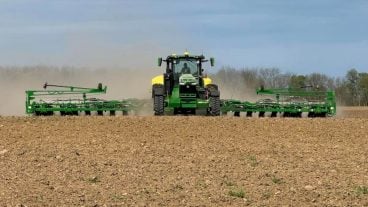

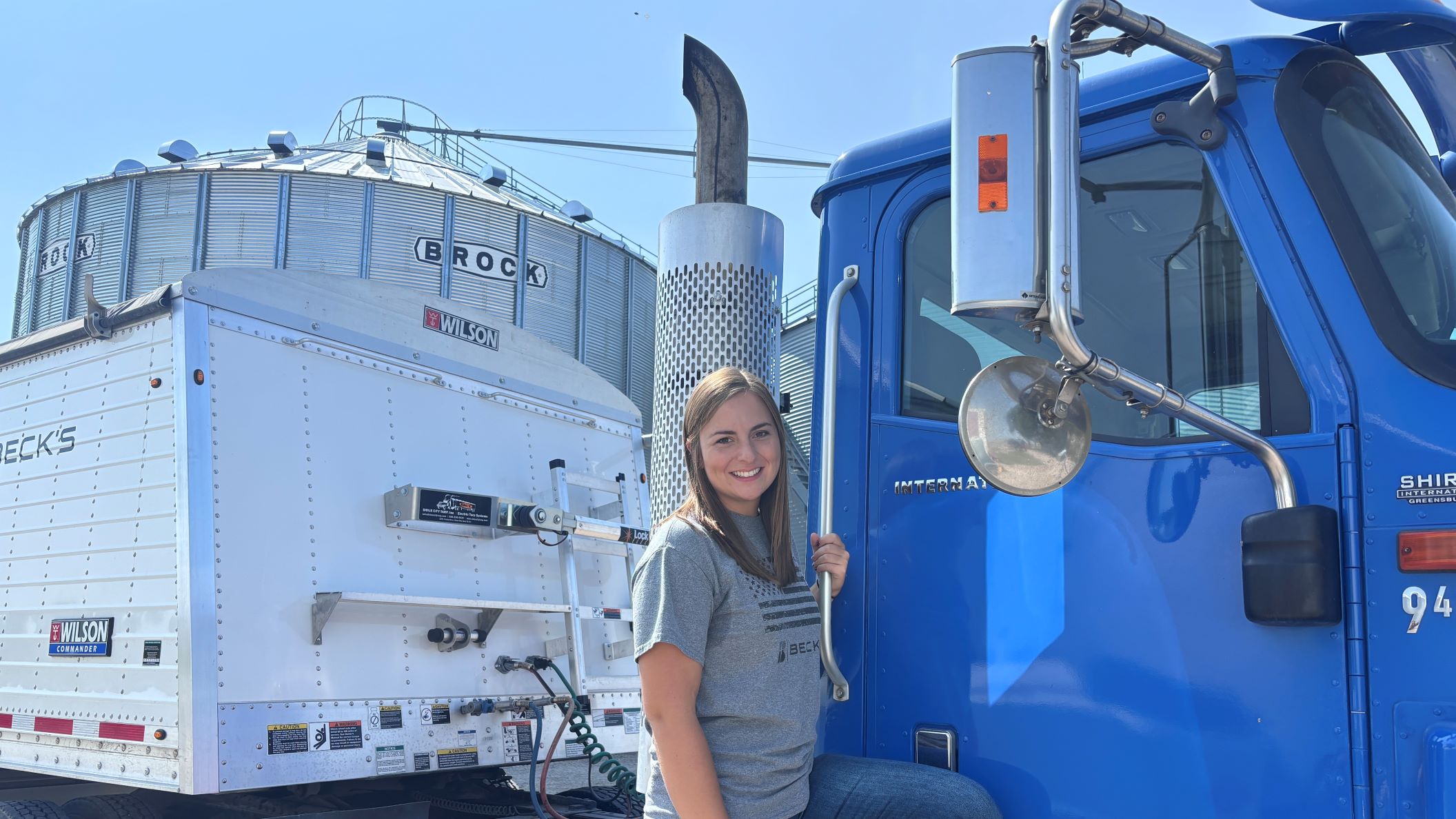
EPA released new guidance allowing diesel equipment manufacturers to move away from traditional DEF quality sensors and use alternative technologies, such as nitrous oxide sensors.
Read More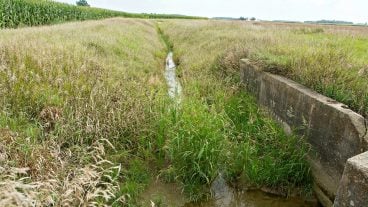
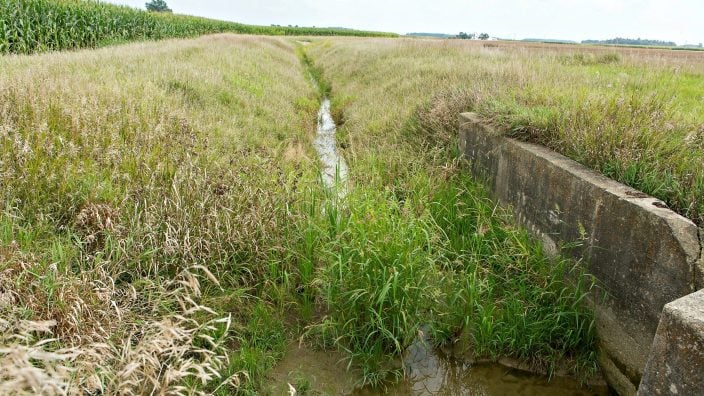
The report provides a data-driven look at conservation practices across the Western Lake Erie Basin and emphasizes farmers are doing their part in water quality.
Read More

2026 camps feature an expanded lineup of one-day experiences and a weeklong immersive camp for high school students. Registration closes 10 days before each experience.
Read More
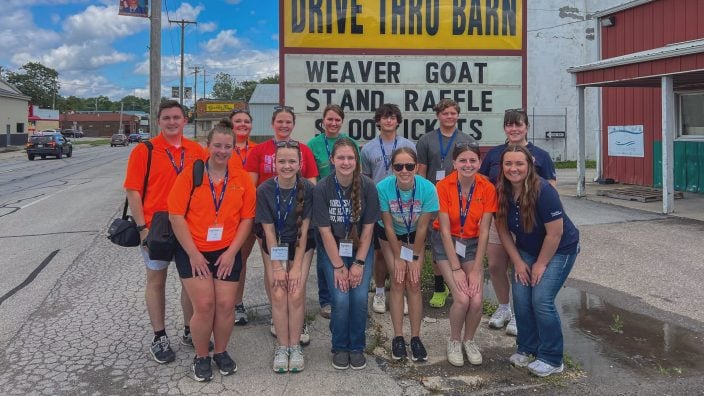
Growing our Generation enewsletter features insights and ideas directly from Ohio’s young farmers and food and agricultural professionals. Sign up…
Read More

A recording of the webinar is available to Farm Bureau members. Please log in to your member account at ofbf.org, then click the link to access the recording.
Read More
Across both bills, Ohio Farm Bureau reinforced that development can provide economic opportunity, but must be balanced with strong protections for landowners and Ohio agriculture.
Read More

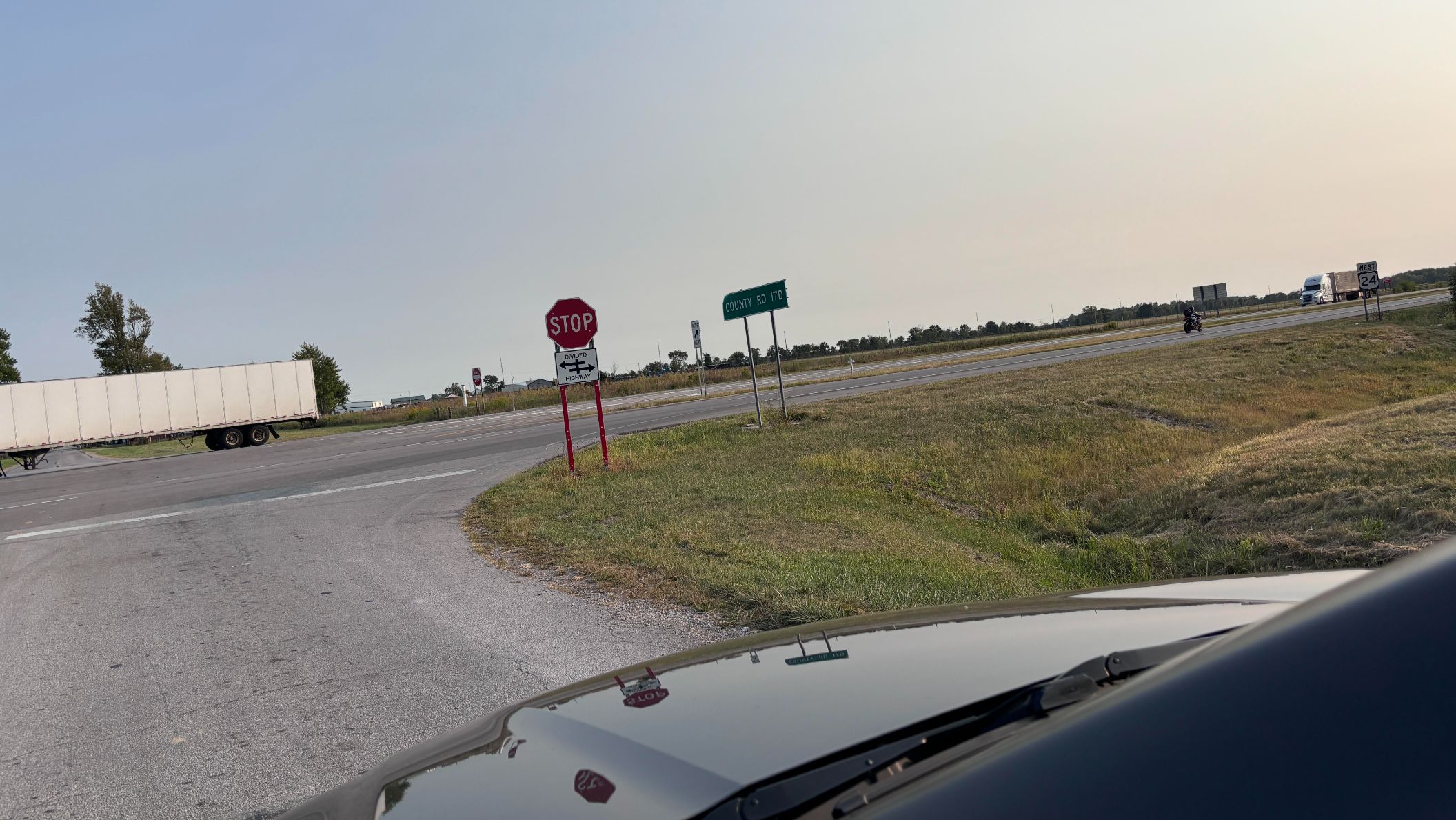
As ODOT accepts public comments until April 14, it is critical that impacted farmers and rural landowners weigh in while the study is underway.
Read More