



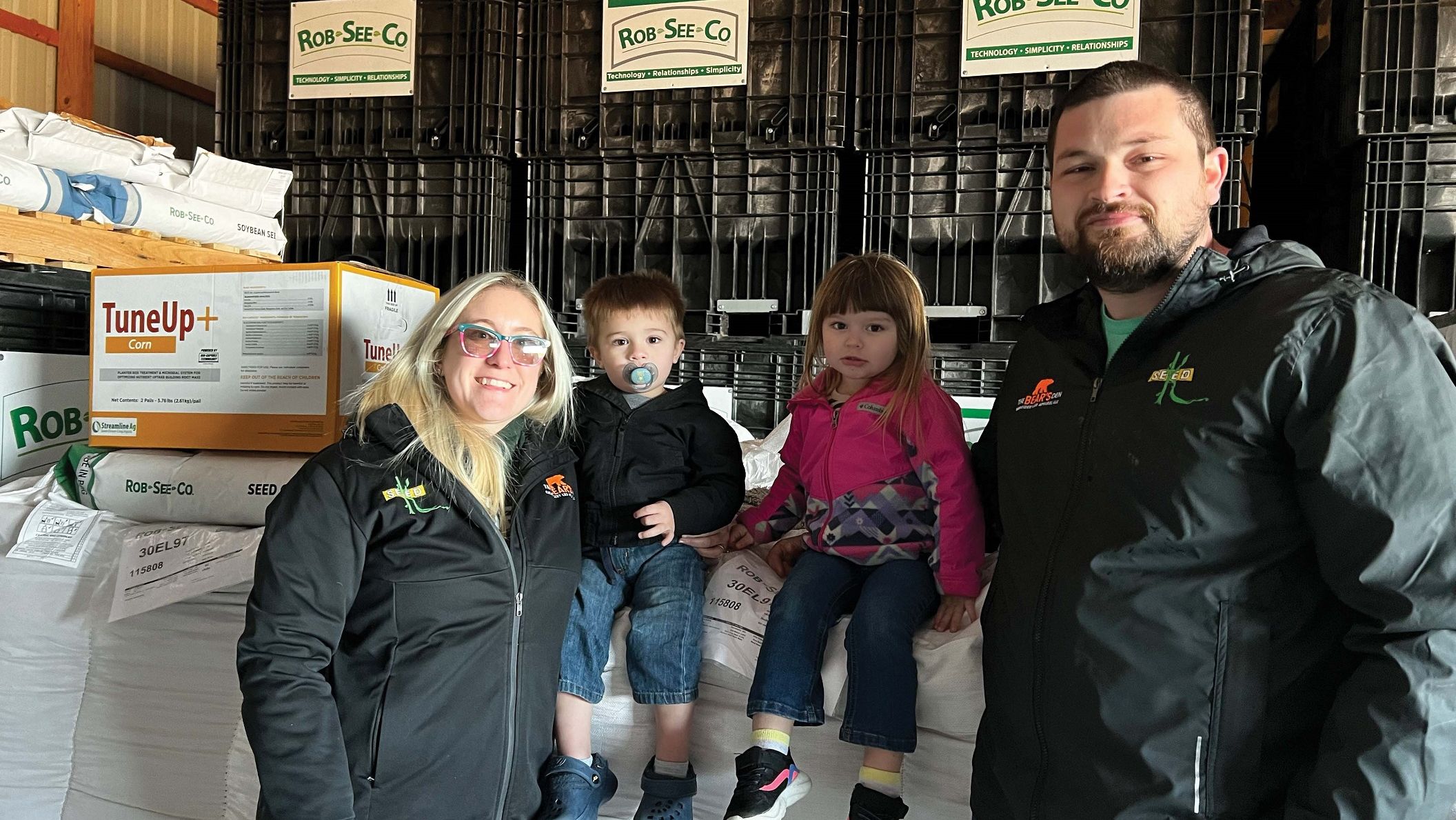


State Rep. Justin Pizzulli sponsors Young Ag members
This donation helps the youth in our community be able to be a member of the Farm Bureau and continue to support agriculture!
Read MoreHello everyone and welcome to September!
I don’t know a better way to bring in the fall months than with a fall armyworm invasion. That’s sarcasm. The spread of the armyworm this year has been sudden, fast and very damaging.
Fall armyworms are small caterpillars that are usually a minor pest in northeast Ohio, but they have made their presence known this year by destroying hay fields and turf (lawns). Typically they are found in the southern part of the country where they are a perennial pest known for eating turf and agronomic crops in a short period of time. We are not entirely sure why they have made their presence known in Ohio this year, but the moths may have been blown up with some storms, laid their eggs and the caterpillars found a new food source here.
If you do a quick Google search, you will find alfalfa fields and lawns that have been destroyed in a matter of hours. We have had reports of the armyworm in Ashtabula, Portage and Columbiana counties, but just last night I saw one on my back porch in Champion. While you are mowing your lawn or hayfield, watch for small brown dead patches. This is typically the first sign of an armyworm invasion. Look at the soil surface and on the grass for worms. They may be small (1/2 inch or less), or large (over 1 inch). They generally have a dark appearance, but may be light green or gray, with an upside down “Y” on their head. A few of the infestations I have seen this week have been present for at least three to four days.
Consider yourself lucky if you find only one or two patches of armyworm, as they can explode overnight. It’s not uncommon this time of year to have a brown spot or two in your yard or hay field due to drought, stress or some other environmental condition. Take the time to scout those brown spots. Those small spots can turn into multiple acres in a matter of 24 to 36 hours.
There are several control options out there depending on the severity of the damage. Before you use any chemicals, it is best to determine that you actually have armyworms. You can send pictures to [email protected] for identification, or visit Buckeye Yard and Garden Online for more information. The first control option is to do nothing. I know this can be a hard option, but if you have a small area that is infested, and the armyworms are over 1 inch in length there is not much you can do as they are hard to kill once they get that size. If you find the infestation early when most of the armyworms are 3/4 inch or less and the damage is severe, there are several chemical options you can use. The chemicals used will depend on your situation (turf, hay, pasture, etc.). Be aware of any restricted entry, grazing or harvest intervals.
We have reports that many of the pyrethroid-based insecticides (Warrior, etc.) are not effective on caterpillars over 3/4 inch unless mixed with another mode of action. Growth regulators (Dimilin, etc.) are another good option and should be considered when choosing chemical options.
Cultural control is going to be a good option in hay fields that are infested. Mowing and harvesting hay fields with infestations will kill most of the armyworms, but be aware that forage quality will be lower and you may want to feed armyworm infested forage first.
Long-term damage to hay and turf will depend on the severity of the infestation, but most species will recover on their own. Alfalfa may see a decline compared to some grass species. If you have severe damage it may be too late to consider reseeding, but take note of the area and visit later this fall and early spring to determine if reseeding is necessary in 2022.
Take care and stay healthy.
Submitted by Lee Beers, an Agriculture and Natural Resources Educator for OSU Extension, Trumbull County. If you have any questions about fall armyworm or any other gardening / farming topics give him a call at 330-638-6783 or by email.
OFBF Mission: Working together for Ohio farmers to advance agriculture and strengthen our communities.




This donation helps the youth in our community be able to be a member of the Farm Bureau and continue to support agriculture!
Read More
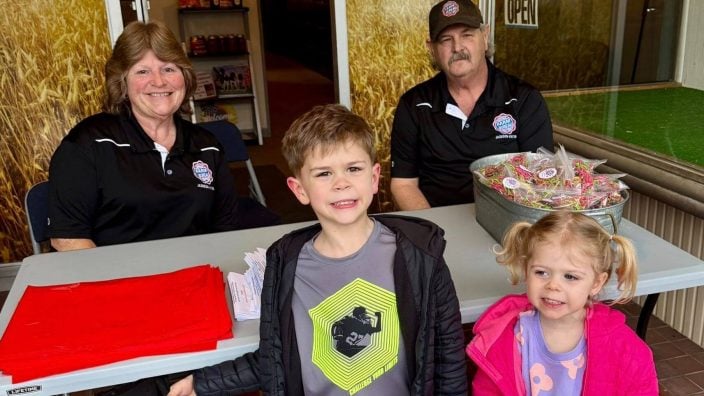
Participants with tickets stopped at each participating location to pick up a chocolate treat, enjoy friendly conversations, and support the local community.
Read More
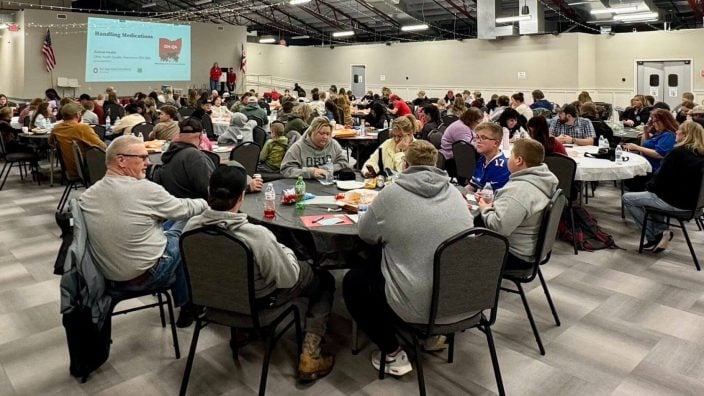
All new animal caretakers must be trained in their duties, whether caring for one or 100+ animals.
Read More
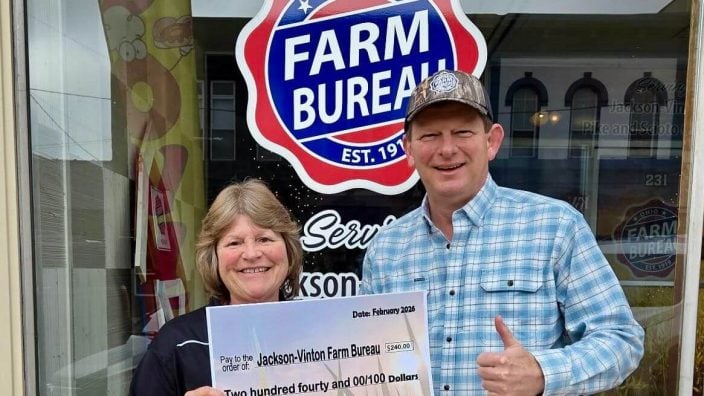
This donation helps the youth in our community be able to be a member of Farm Bureau and continue to support agriculture.
Read More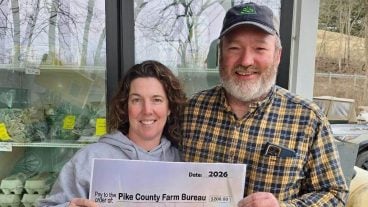
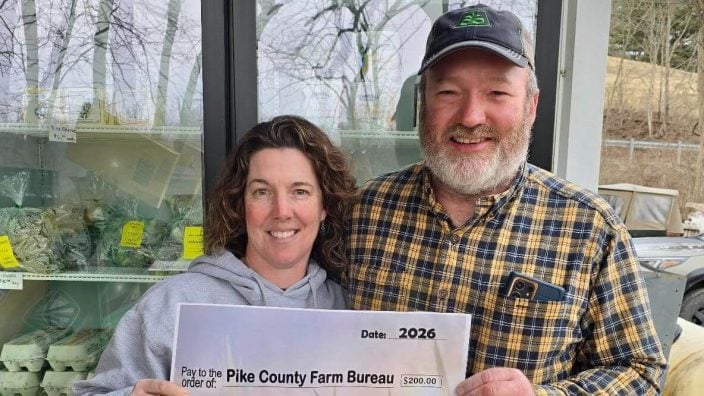
This donation helps the youth in our community be able to be a member of Farm Bureau and continue to support agriculture!
Read More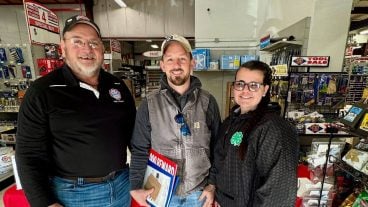
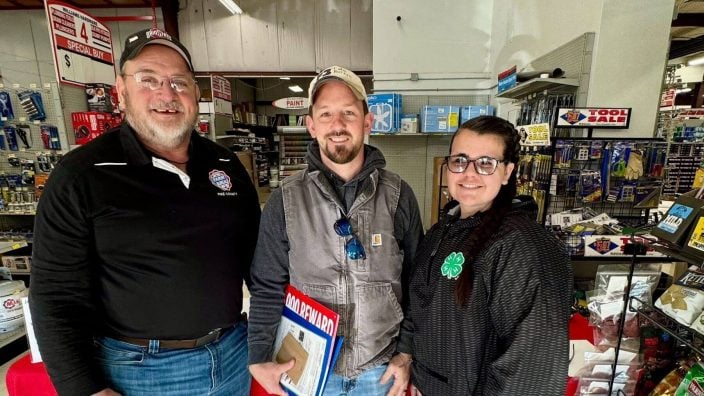
We were thrilled to sign 13 new members and welcome several new faces into our Farm Bureau family.
Read More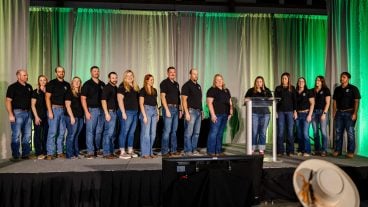
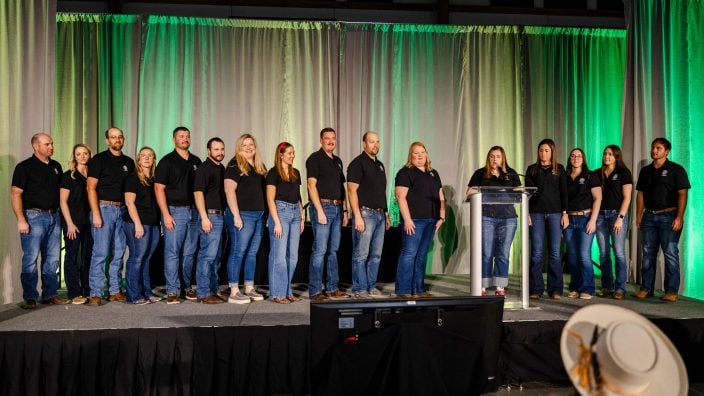
Members ages 18-34 who are interested in developing their leadership skills and enhancing programming for their peers should apply.
Read More
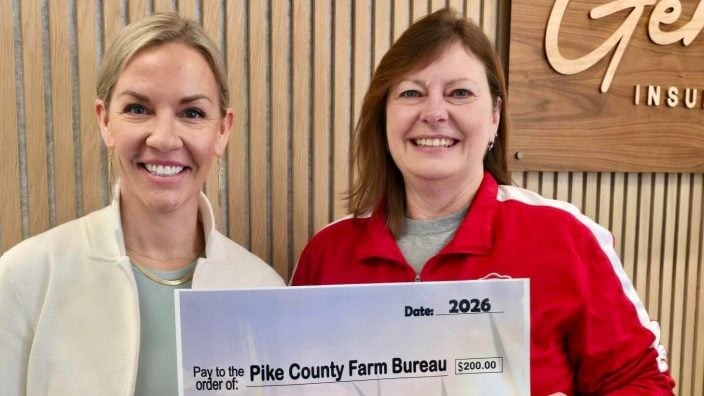
This donation helps the youth in our community be able to be a member of Farm Bureau and continue to support agriculture!
Read More
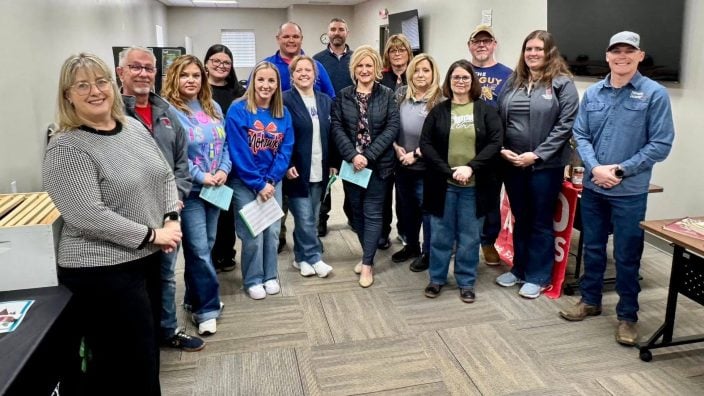
The program equips teachers with the knowledge and resources to teach students about the vital role bees play in agriculture and the environment.
Read More
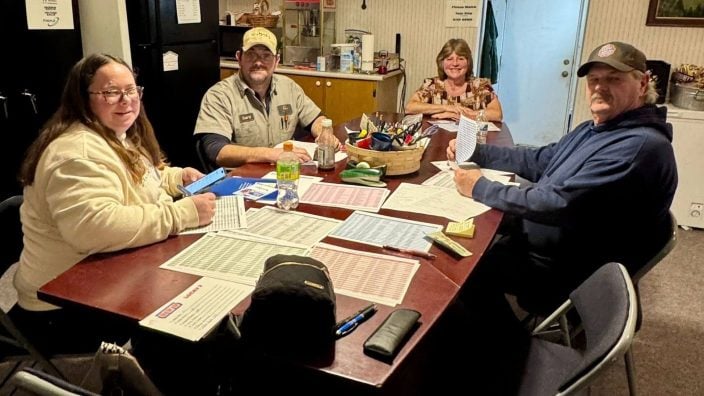
Volunteers reached out to individuals whose memberships had lapsed, were coming due for renewal, or who might be interested in joining for the first time.
Read More