


State Rep. Justin Pizzulli sponsors Young Ag members
This donation helps the youth in our community be able to be a member of the Farm Bureau and continue to support agriculture!
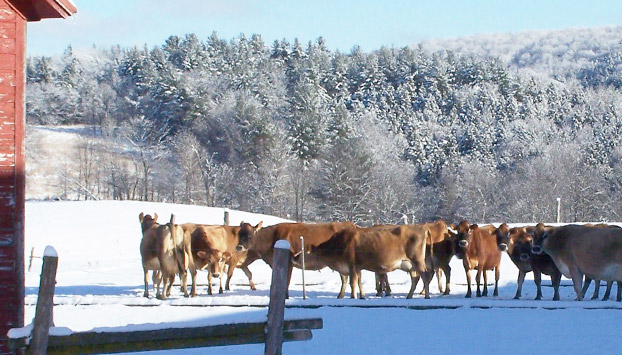
Read MoreSocial media is full of pictures of thermometers and reports from friends on how cold it is at their home. Over the last week, we have been reminded that it is January and we do live in northeastern Ohio. We have cold temperatures and plenty of snow.
I have a lot of farming friends on social media, and they have been posting fun pictures of baby lambs and goats and some not-so-fun pictures of frozen water buckets.
I’ve also seen several posts about how farmers who raise animals don’t get snow days because it is a 365-days-a-year job. I have to admit, I hated going to the barn when it got really cold.
Water is always a challenge: Checking water fountains that had heaters but were susceptible to freezing when temperatures got extreme. Changing out frozen water buckets for calves that didn’t have fountains.
Did you know that an animal’s water consumption actually increases when it is trying to maintain body temperature? I remember one winter when we had a water-fountain heater break. The adult cows were making all kinds of noise and fighting to get to the other fountains. An adult dairy cow can drink 30 to 50 gallons of water per day.
Cold weather also means extra hay, feed and bedding. Livestock will consume extra calories to help maintain body temperatures. Providing shelter that protects from the wind and snow is definitely important. Making the area as dry as possible with extra bedding also goes a long way in keeping the livestock comfortable.
I think what I dreaded most was calves being born when it was cold. Seeing friends’ posts on social media about going to barn every two hours through the night to check on expecting goats brings back a lot of memories from when we still had our cows. When our cows were getting close to calving, my husband,Gary, would put them in a separate stall with plenty of clean bedding. We often took turns through the night to check them. Most of the time, nature just takes its course and everything is fine. But babies can come early and when you least expect them.
I remember when Shrek was born. She was one of those early arrivals on a very cold night in the regular cow barn. Her young mama did a great job but didn’t get Shrek’s ears all cleaned and dried. She ended up having some frost bite on the edges of her ears. Gary found her in the morning and took great care of her. She was fine, but lost the edges of her ears… thus the name.
Most livestock animals are well adapted to cold weather, but farmers take extra measures when extreme temperatures come. Really, measures like you take for your outside pets except we can’t bring them all in the house when it gets too cold. Although, I have known of special situations when some (lambs, kids, calves) have been brought into the house.
Oh, and I thought of something else that I really dreaded — removing frozen manure in the holding pen where the cows stood while waiting their turn to go into the milking parlor to be milked. If you weren’t careful, the scraper handle could bruise a rib if you hit those frozen cow pies wrong!
Submitted by Mary Smallsreed, a member of the Trumbull County Farm Bureau who grew up on a family dairy farm in northeast Ohio.
OFBF Mission: Working together for Ohio farmers to advance agriculture and strengthen our communities.


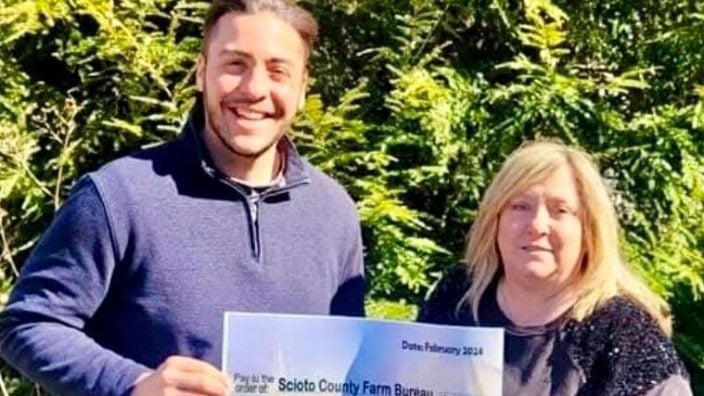
This donation helps the youth in our community be able to be a member of the Farm Bureau and continue to support agriculture!
Read More
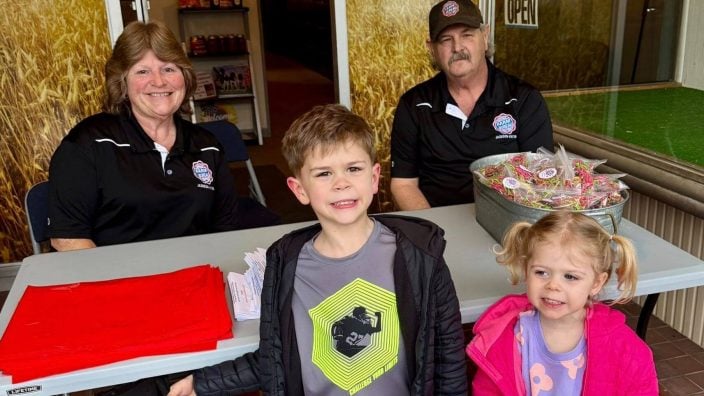
Participants with tickets stopped at each participating location to pick up a chocolate treat, enjoy friendly conversations, and support the local community.
Read More
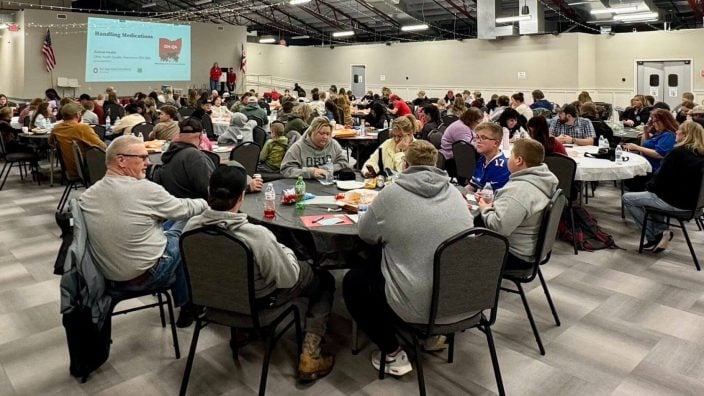
All new animal caretakers must be trained in their duties, whether caring for one or 100+ animals.
Read More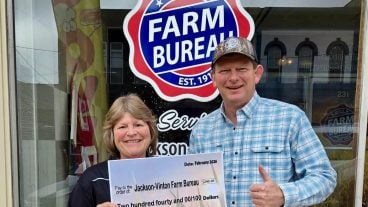
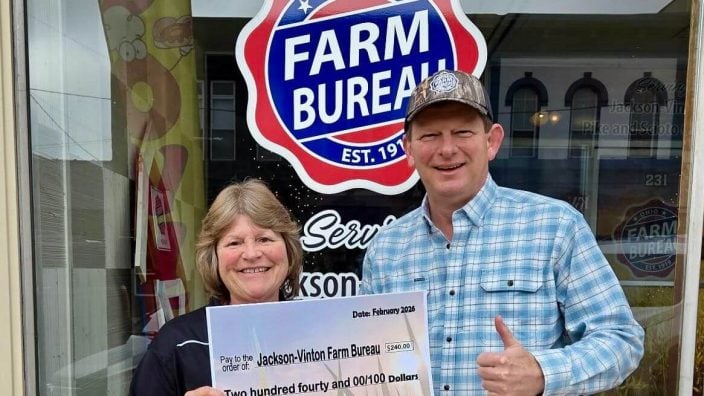
This donation helps the youth in our community be able to be a member of Farm Bureau and continue to support agriculture.
Read More
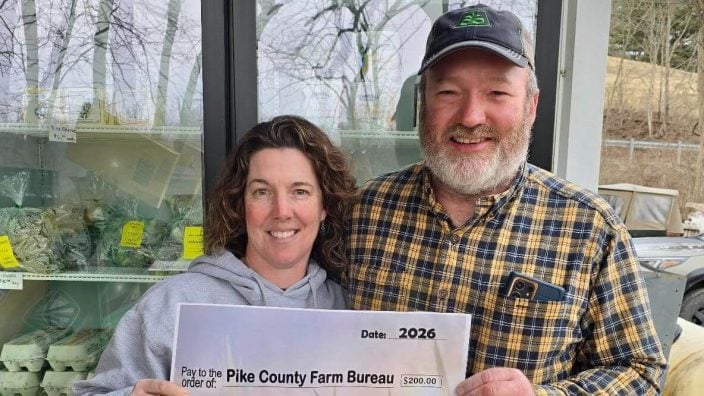
This donation helps the youth in our community be able to be a member of Farm Bureau and continue to support agriculture!
Read More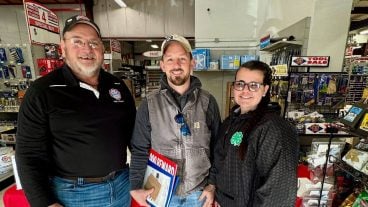
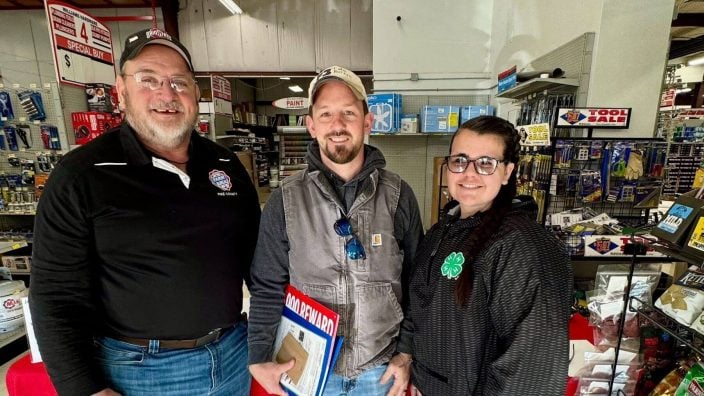
We were thrilled to sign 13 new members and welcome several new faces into our Farm Bureau family.
Read More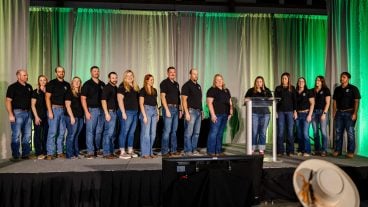
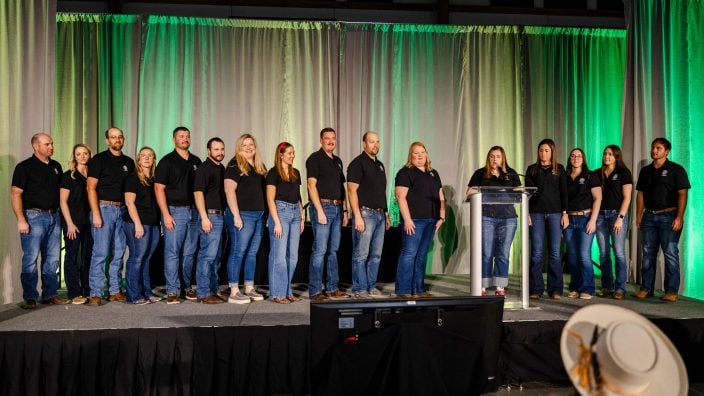
Members ages 18-34 who are interested in developing their leadership skills and enhancing programming for their peers should apply.
Read More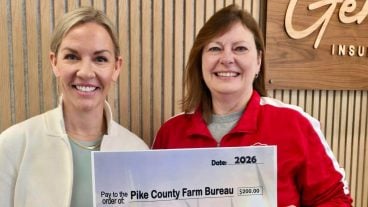
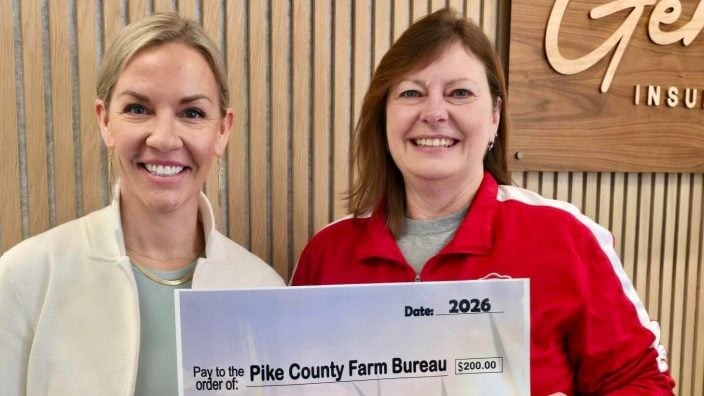
This donation helps the youth in our community be able to be a member of Farm Bureau and continue to support agriculture!
Read More
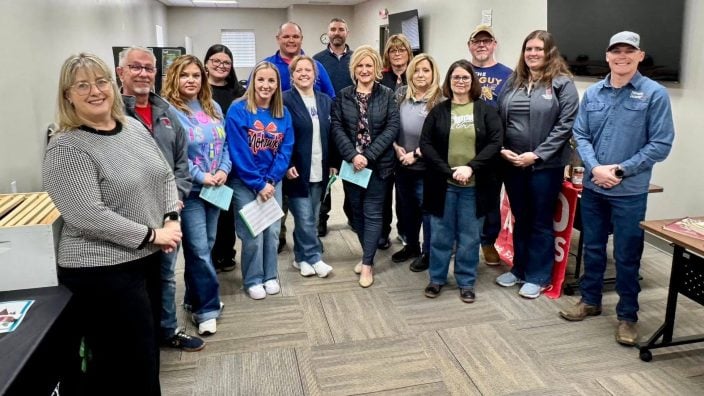
The program equips teachers with the knowledge and resources to teach students about the vital role bees play in agriculture and the environment.
Read More
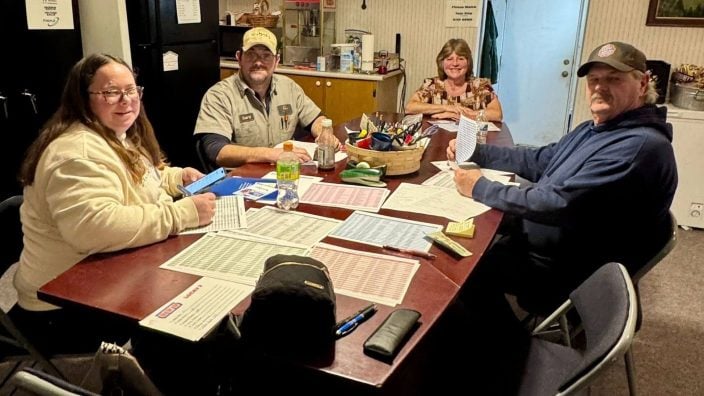
Volunteers reached out to individuals whose memberships had lapsed, were coming due for renewal, or who might be interested in joining for the first time.
Read More