


Don’t raise a stink over insect’s emergence
Stink bugs also known as the Brown Marmorated Stink Bug (BMSB in the entomology world) are one of the earliest signs of spring to me here in Ohio.
Read MoreIt’s graduation time! A time of transition for graduating high school and college students to further their education or enter the workforce. It has been nearly four decades, but not quite, since I graduated from a high school that no longer exists with my fellow 63 classmates. Then I headed to the big city of Columbus to The Ohio State University. I have to say, coming from rural northeastern Ohio, it was quite the shock.
With thoughts of graduation and upcoming college careers, I recalled a conversation with a more recent graduate of OSU. He also came from a farming family but began his college career at the OSU Agricultural Technical Institute (ATI) and then transferred to the main campus in Columbus for years three and four. We talked about the similarities we experienced and the differences, too. But what really stuck with me from this conversation was Aaron’s strong belief that colleges and universities should include agriculture as one of the “gen ed” requirements for graduation.
Gen ed, or general education requirement, or some schools call it “core,” is required curriculum that makes up the foundation of an undergraduate degree. Every university crafts its own gen ed requirements. Common gen ed areas include English composition, foreign language, natural sciences, arts and humanities, math and social sciences. More colleges are adding health, P.E., and diversity and inclusion requirements. How many classes does a student need to graduate? Depends on your major, but I looked up the requirements for a bachelor’s degree at Kent State University at Trumbull. There are 120 hours of coursework required, of which were 36 hours of “Kent Core.”
The goal of gen eds is to broaden college students’ perspectives. So even if you are not a math major, chances are you will still need to take a math class and hopefully it will be useful to you down the road. Well, the way Aaron and I think, agriculture courses would make a great gen ed.
People need food every day. Learning how agriculture has developed in this country and how it is able to grow and change to keep feeding more people than ever is very valuable. But proceed with caution. Who will teach these classes? In the wrong hands, more harm could be caused than good. I remember taking a class to fill a gen ed requirement — a women’s study course. My roommate had taken it the quarter before me and enjoyed it immensely. My experience was quite different. I got a different teacher who was bent on pushing a personal agenda on her captive audience. My fear is some would do the same and just use it as an opportunity to bash agriculture instead of building an appreciation for the industry that sustains them.
Agriculture gen eds could be great, but it is a huge challenge. Even if you had the right curriculum and the right teacher, how do you get today’s students interested in agriculture? The only class that I can remember that drew students to ag campus, west of the Olentangy River, was the wine appreciation class offered by the horticulture department. It was hard to get into this class.
Part of the answer is to not wait until students get to college. Ag education is something Farm Bureau is very passionate about. Ashtabula County Farm Bureau and OSU Extension just completed their annual Ag Day event where every first grader in the county participated in hands-on interactive stations learning about everything from farm animals, soils, fruits and vegetables, bees and much more. Ag Explore! I can’t say enough good things about this program. What an awesome opportunity for teens to learn about various aspects of agriculture and career opportunities.
No matter the age of the student, we at Farm Bureau will continue to strive to provide opportunities to learn about and appreciate agriculture.
Submitted by Mary Smallsreed, a member of the Trumbull County Farm Bureau and grew up on a family dairy farm in northeast Ohio.
OFBF Mission: Working together for Ohio farmers to advance agriculture and strengthen our communities.


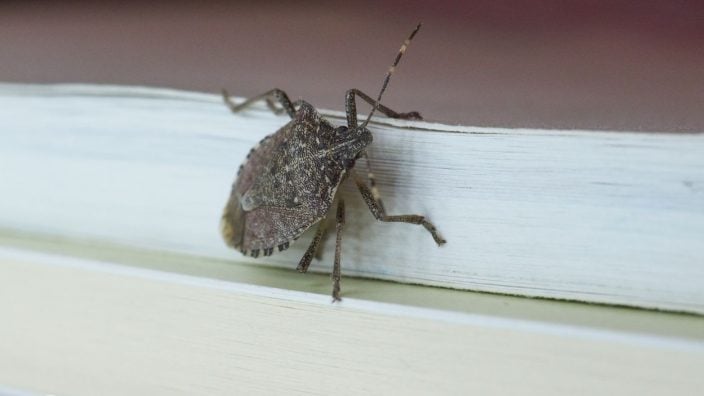
Stink bugs also known as the Brown Marmorated Stink Bug (BMSB in the entomology world) are one of the earliest signs of spring to me here in Ohio.
Read More
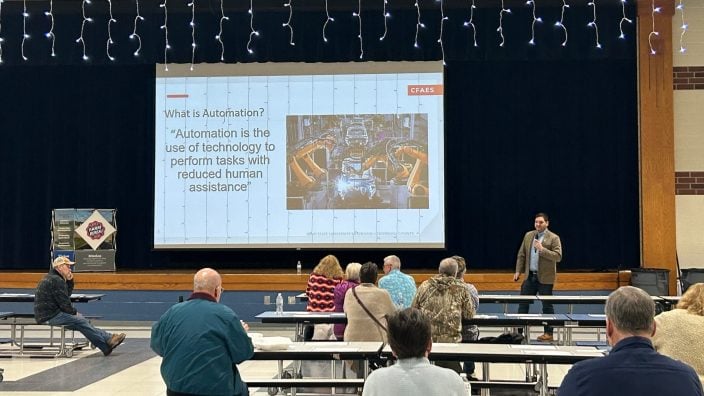
Through all of life’s changes, Trumbull County has become not just a place we work, but the place we call home.
Read More
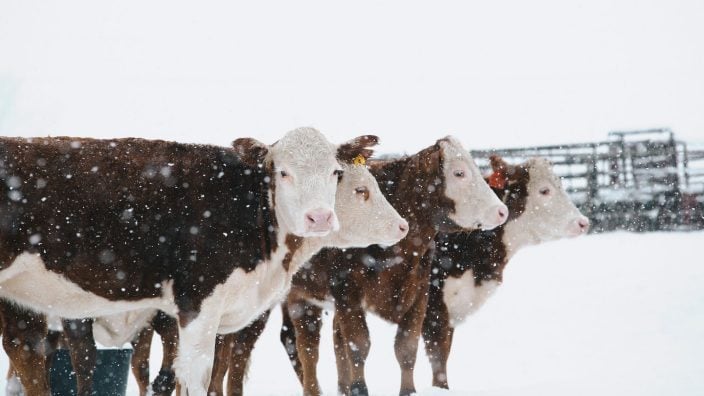
Most livestock animals are well adapted to cold weather, but farmers take extra measures when extreme temperatures come.
Read More

We often talk about the moments that shape us — big decisions, career paths and life milestones. But more often than not, it’s not the moments that define us. It’s the people.
Read More

I’m going to give you a list of things that you can do that will get you outside and actually enjoy the snow.
Read More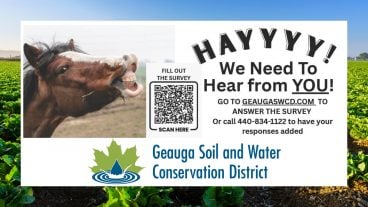
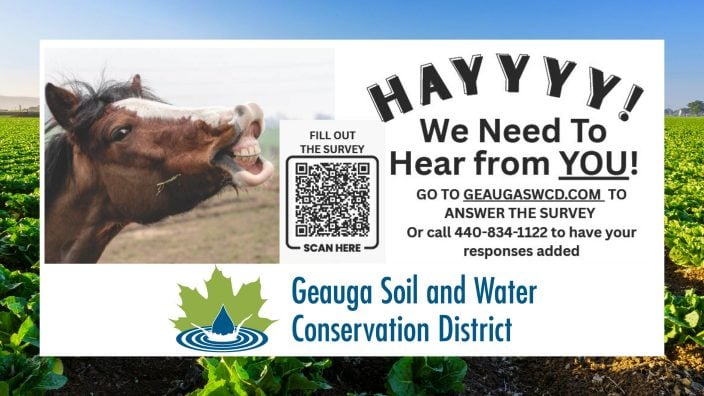
Geauga County SWCD is inviting you to complete an anonymous survey to count the number of horses in Geauga County. The survey should take less than 5 minutes to complete.
Read More

Each week, the Northeast Counties Farm Bureaus would like to take the time to showcase one of the businesses that not only works with us but works with our members to get the most out of their memberships.
Read More
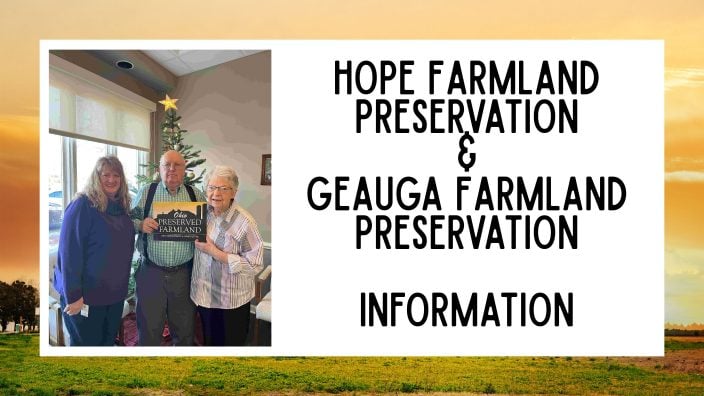
John and Mary Lou Hope of Thompson Township recently signed their 129-acre farm into ODA’s Local Agricultural Easement Purchase Program, preserving their farmland, forever.
Read More

As kids, we are often told to try new things, whether it be a new food, a new activity or…
Read More
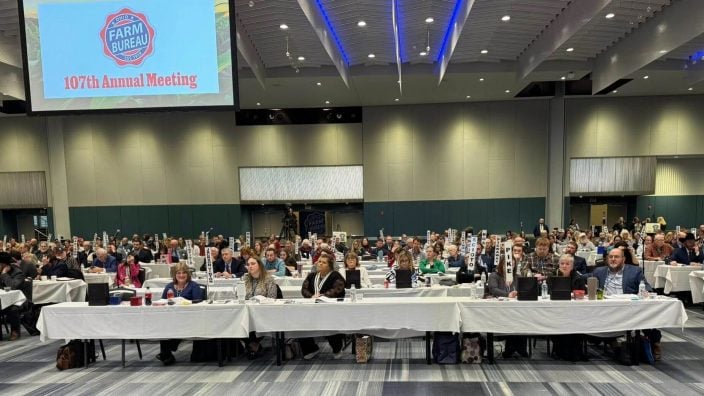
We aren’t just reacting to change — we’re shaping the future of agriculture, one conversation and one decision at a time, together.
Read More