



May/June 2025 Our Ohio
Future trends and issues for food and agriculture are examined in this issue of Our Ohio magazine.
Read MoreUncertainty, from weather to yield to cost, is a constant in agriculture, and trade uncertainty is a white-hot topic in 2025.
Trade policy decisions being made in Washington will impact farmers and ranchers in the countryside.
American Farm Bureau Federation Economist Betty Resnick was a recent guest on the Ohio Farm Bureau Podcast. She covers row crop markets, farm policy programs and trade. Resnick is a producer of AFBF’s Market Intel reports, which follows trends and issues in the industry, including agricultural trade and the potential impacts of trade policy changes.
Q: Why are exports so vital for the financial success of U.S. farmers?
A: Over 20% of all the production in the United States from agriculture gets exported to a different country. Not only are 95% of the world’s mouths outside of our borders, but they also have different uses for products than Americans. So it’s more than just that 20% number when I think of how important trade is. One of my favorite examples is poultry. For poultry and a lot of livestock products, we’re exporting products that Americans just don’t have a taste for. For chicken, Americans love to eat white breast meat and chicken wings, but we don’t so much love dark meat or the chicken paws (feet). So in some ways, our exports of those products are subsidizing our breast and wing habits because people in other countries are willing to pay for those products.
Q: When we talk about exports, who are our biggest partners across the globe?
A: About 75% of our $176 billion in ag exports in 2024 went to only 10 countries, and about half of those total exports go to three countries:
Rounding out (the top 10) are the European Union, Japan, Korea, Colombia, Taiwan, the Philippines and then Vietnam.
Q: What agricultural products are we exporting to these countries?
A: Corn and soybeans are our top two exports, representing 22% of all of U.S. exports. Of course, corn and soybeans are in a lot of other products we export as well. Our top five products overall are soybeans, corn, beef products, tree nuts and pork products.
Q: What would tariffs mean for the future of global trade?
A: If all of these proposed tariffs actually enter into force…frankly, it’s going to kind of change the trajectory of our trade policy and our economy structure that’s been built since the end of World War II. All the uncertainty is definitely giving a lot of heartburn to businesses and supply chains just because they can’t plan with all this uncertainty. Overall, I don’t like uncertainty, and I think a lot of our businesses and farmers don’t like uncertainty. There are some potential wins to be had as well, though overall agriculture has been one of the industries that’s benefited the most from free trade. I also think that we have potentially the most to lose from moving away from free trade.
Q: Why can’t we just keep everything that we grow here in the U.S.? Why can’t we find more uses domestically to offset possible losses in trade opportunities in other countries around the world?
A: It’s already cheaper to sell products domestically as opposed to exporting them. You’re not dealing with all the paperwork. You’re not dealing with customs. You’re not dealing with the transport costs. So, if businesses thought it was a better deal to sell it domestically, they already would be. Fundamentally, we’ve kind of structured our agricultural system to be what we’re best at, which are a lot of those mechanized products and livestock products. We grow an abundance of those products for the global market. Then also, due mainly also to labor availability issues, we’ve kind of pivoted away from produce, which we import quite a bit of. It’s going to have to change the whole agricultural economy in a way if we are trying to make it only for the domestic market.
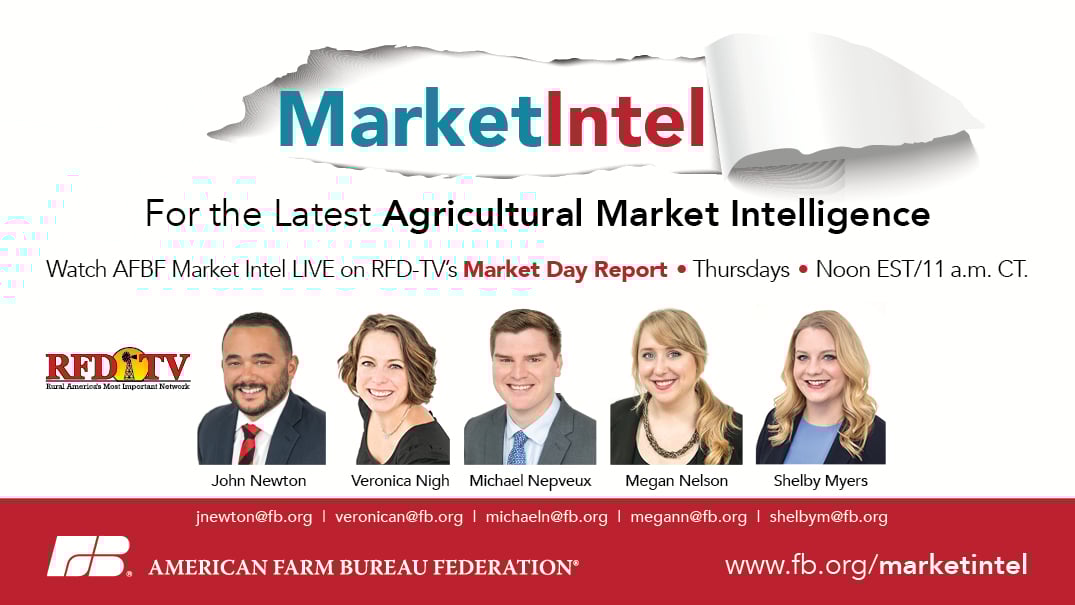
Q: What is Market Intel? I know you put something out almost on a weekly basis, if not more.
A: Our economist team at American Farm Bureau puts together the MarketIntel series. We have five economists on staff who write these reports and they’re really targeted to anyone. We’re trying to not use too much jargon. We’re trying to explain policy issues here in Washington, D.C. in simple terms.


Future trends and issues for food and agriculture are examined in this issue of Our Ohio magazine.
Read More
The answer lies in first understanding the macro trends shaping American agriculture, the operating environment farms will find themselves in and the innovation required to remain resilient and profitable into the future.
Read More
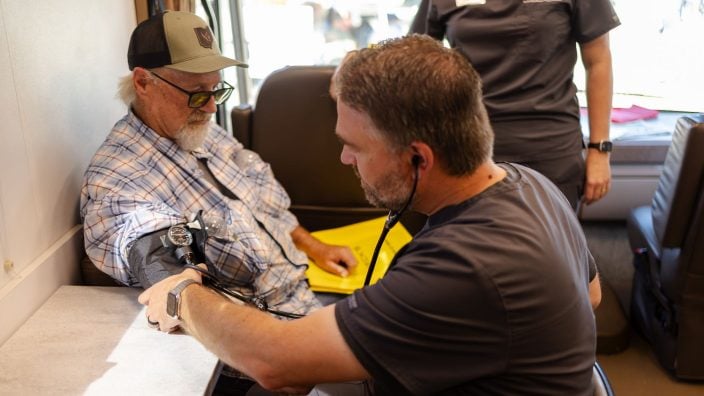
Farmers’ physical and mental health are often compromised by lack of health coverage. Farm Bureau seeks to establish Farm Bureau Health Plans.
Read More
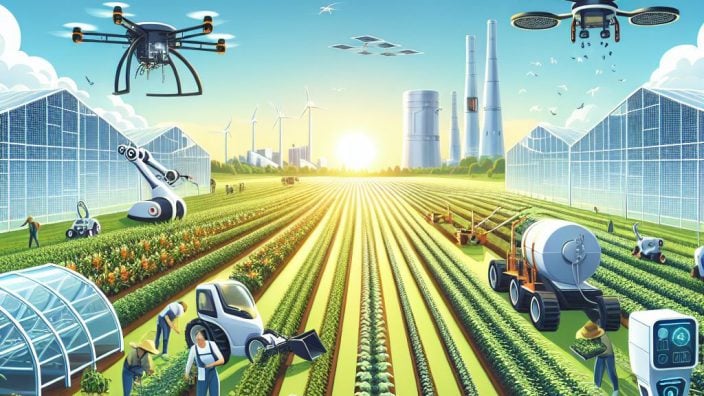
I encourage you to consider the big questions that Ohio Farm Bureau members should be thinking about and how we as an organization can equip ourselves for whatever changes are coming.
Read More
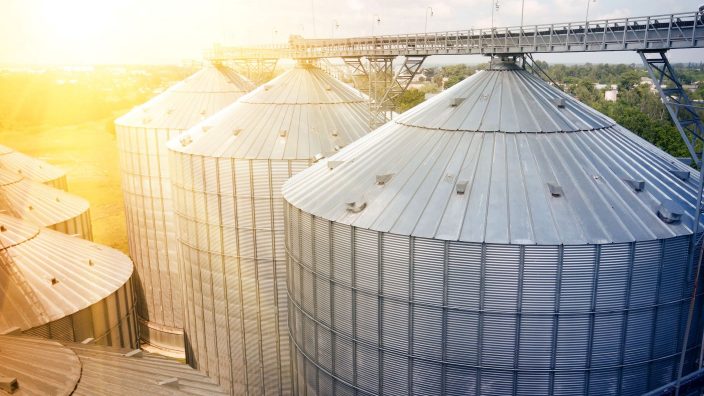
Embracing risk planning and working with experts like a Nationwide-appointed agent can help farmers better navigate uncertainties and secure their farm’s future.
Read More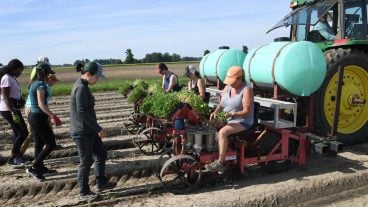
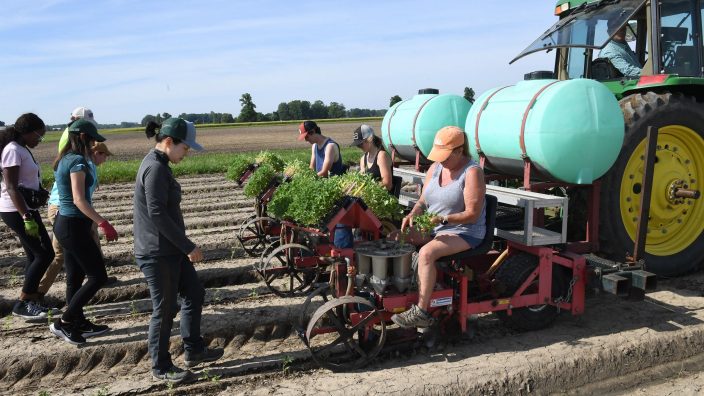
Ohio State is one of the few universities where a leading agricultural college, a top-tier medical school and a state-of-the-art hospital share the same campus.
Read More

Over 20% of all the production in the United States from agriculture gets exported to a different country.
Read More
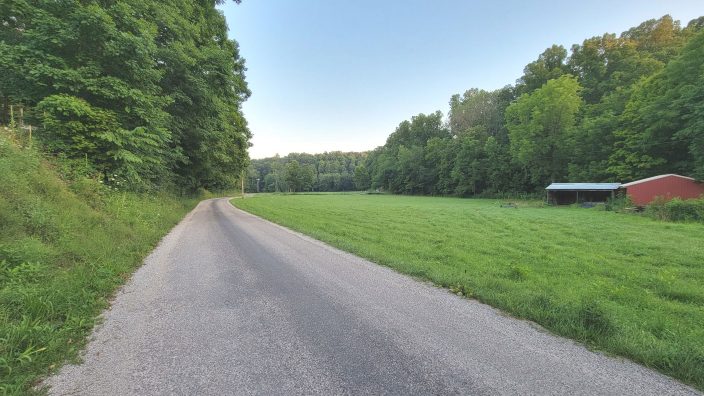
Community engagement at the earliest stages of development is essential.
Read More

Collegiate chapters connect agriculture students with grassroots Farm Bureau efforts at county, state and national levels.
Read More
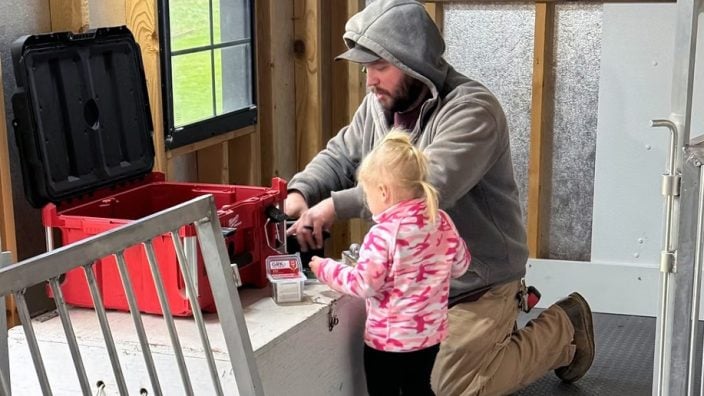
The grants aim to ensure that creative young farmers can access opportunities and use their skills to alleviate the difficulties facing agriculture today.
Read More