


May/June 2025 Our Ohio
Future trends and issues for food and agriculture are examined in this issue of Our Ohio magazine.
Read More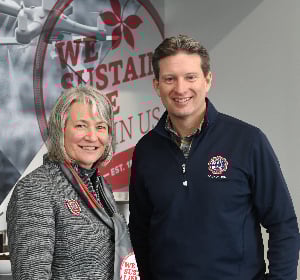
Ohio’s agricultural diversity is impressive—over 200 commodities, a thriving food industry and a robust supply chain.
Add in 8 million acres of forests and the forestry industry, abundant water resources, and unique natural assets, and it’s clear: Ohio truly is the heart of it all.
“The state of Ohio is well positioned to take an even more important role in the future of food, fiber and fuel for our nation,” said Cathann A. Kress, The Ohio State University vice president for agricultural administration and dean of the College of Food, Agricultural, and Environmental Sciences.
Ohio State is one of the few universities where a leading agricultural college, a top-tier medical school and a state-of-the-art hospital share the same campus. This proximity fosters collaboration between researchers studying food, health and disease prevention. The Foods for Health research initiative led by CFAES, is a multidisciplinary effort to turn scientific discoveries into real-world solutions for better nutrition and well-being.
Kress said the work is vital to the college’s missions.
“Advancing our understanding of the intersection between food and human health is critical. From metabolomics to the microbiome, the way we grow, process and consume food has profound implications for nutrition, disease prevention and health promotion. In the new state-of-the-art Pelotonia Research Center, researchers collaborate across disciplines and accelerate new discoveries,” Kress said.
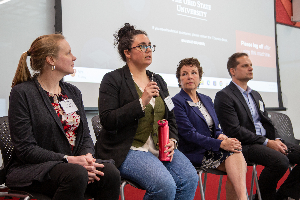
Jessica Cooperstone, associate professor in the CFAES Departments of Horticulture and Crop Science and Food Science and Technology, is a faculty lead within the Foods for Health initiative. The research team is investigating what makes fruits and vegetables healthy at the molecular level.
“We want to know what about fruits and vegetables makes them good for us. If we determine this causally, we have developed targets to improve the nutritional quality of our fruits and vegetables. Working across plant, food and nutrition sciences allows us to do this,” Cooperstone said.
Another member of the research team is Radin Sadre, assistant professor in the CFAES Department of Horticulture and Crop Science.
Sadre and her team are studying how plants naturally produce beneficial compounds, such as those used in medicine and nutrition. By analyzing plant genetics and chemistry, they uncover how these compounds are made and explore ways to enhance or replicate the process in other plants. Sadre aims to use plant science to develop sustainable methods for producing medicines, nutritional supplements and healthier foods.
“Plants are phenomenal chemists, providing us with medicines, nutraceuticals and biomaterials. Our goal is to serve humanity by developing solutions to meet national and global needs for conventional and novel medicines, healthier crops and biomaterials,” Sadre said.
The Controlled Environment Agriculture Research Complex in the Waterman Agricultural and Natural Resources Lab connects research with market and economic drivers. Current projects in the CEARC focus on improving strawberries, enhancing their flavors and increasing greenhouse-growing capabilities.
“We have a mission to elevate food and agriculture to have more impact on health and wellness. This is an example of how we look at the food supply and elevate it to have healthier choices that are maybe more valued,” said Devin Peterson, director of the Ohio State Flavor Research and Education Center and distinguished professor in the CFAES Department of Food Science and Technology.
The research could change the U.S. strawberry market within the next decade.
“Maybe in five years from now, consumers might start seeing greenhouse-grown strawberries from Ohio in the wintertime because of our efforts,” said Chieri Kubota, professor in the CFAES Department of Horticulture and Crop Science, and director of the Ohio Controlled Environment Agriculture Center.
Animal sciences and horticulture and crop science faculty are advancing sustainable agriculture by optimizing land use through a focus on the relationships among plants, animals and the environment. The Sustainable Agroecosystems Lab provides forage assessments, management strategies, and recommendations to help producers navigate climate challenges and enhance both crop and livestock operations – which is essential for securing a more resilient future.
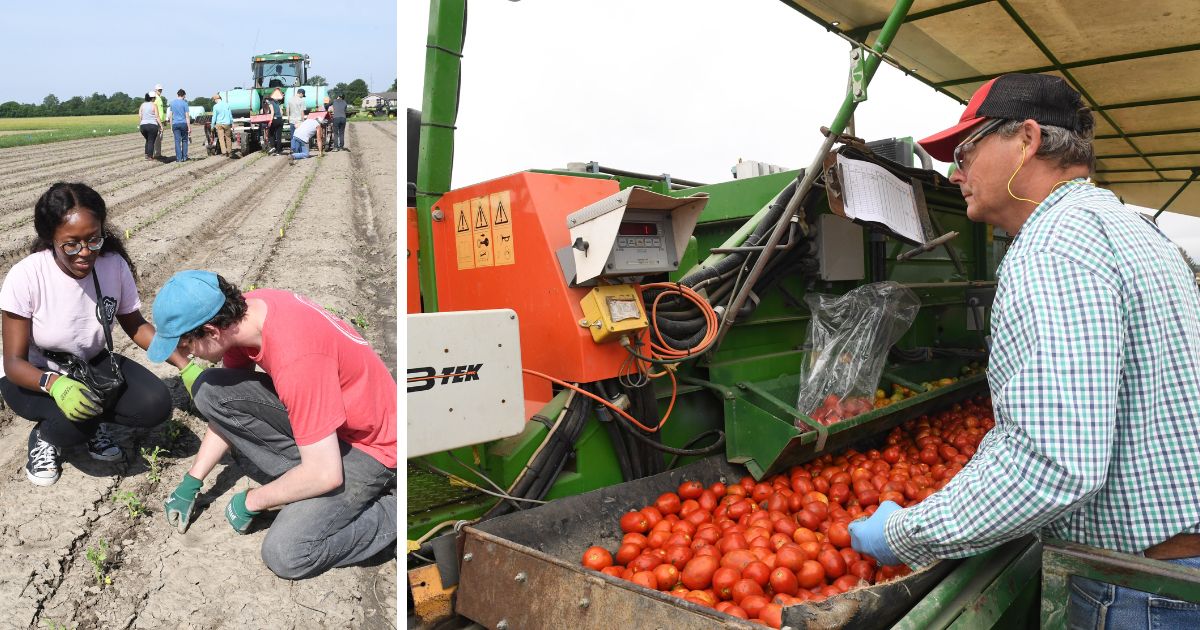
CFAES remains committed to research that addresses shifting demands.
“As the challenges ahead grow more complex, so do the opportunities,” Kress said. “Delivering on our land-grant mission of research, education and outreach, CFAES is uniquely positioned to shape a more sustainable and resilient future—not just for our industries but for every Ohioan.”
Through groundbreaking research and collaboration, CFAES is shaping a future where food is more than just sustenance; it’s a powerful tool for better health and well-being.
Photos by Ken Chamberlain


Future trends and issues for food and agriculture are examined in this issue of Our Ohio magazine.
Read More
The answer lies in first understanding the macro trends shaping American agriculture, the operating environment farms will find themselves in and the innovation required to remain resilient and profitable into the future.
Read More
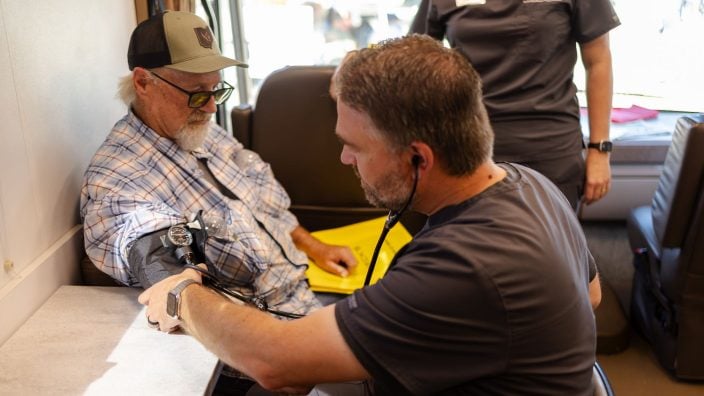
Farmers’ physical and mental health are often compromised by lack of health coverage. Farm Bureau seeks to establish Farm Bureau Health Plans.
Read More
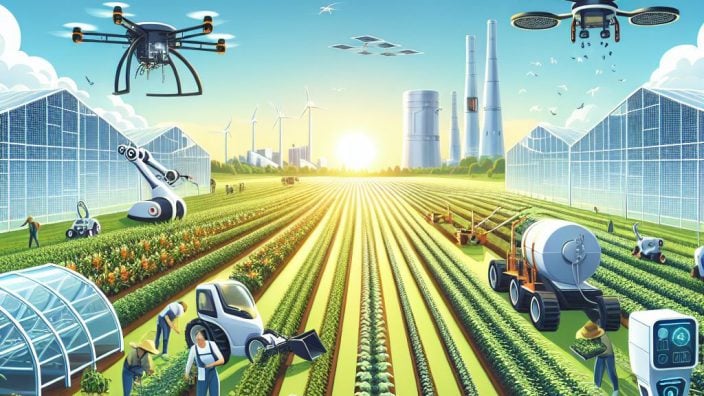
I encourage you to consider the big questions that Ohio Farm Bureau members should be thinking about and how we as an organization can equip ourselves for whatever changes are coming.
Read More
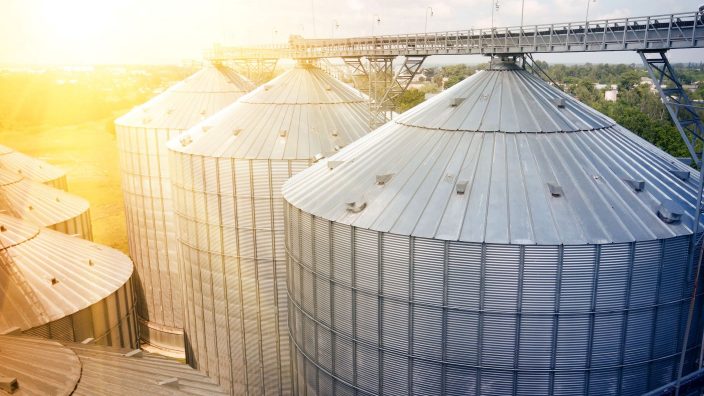
Embracing risk planning and working with experts like a Nationwide-appointed agent can help farmers better navigate uncertainties and secure their farm’s future.
Read More
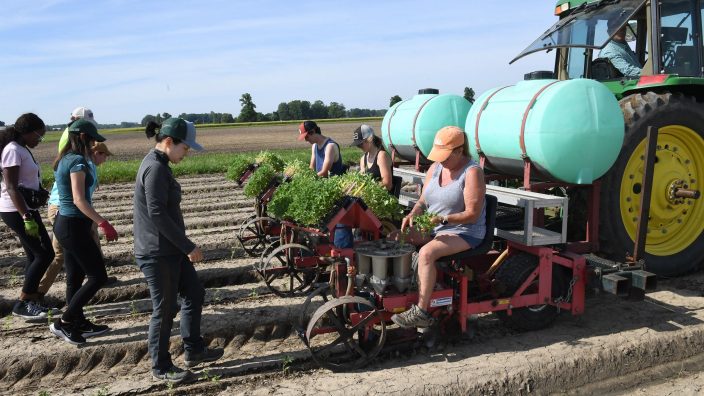
Ohio State is one of the few universities where a leading agricultural college, a top-tier medical school and a state-of-the-art hospital share the same campus.
Read More

Over 20% of all the production in the United States from agriculture gets exported to a different country.
Read More
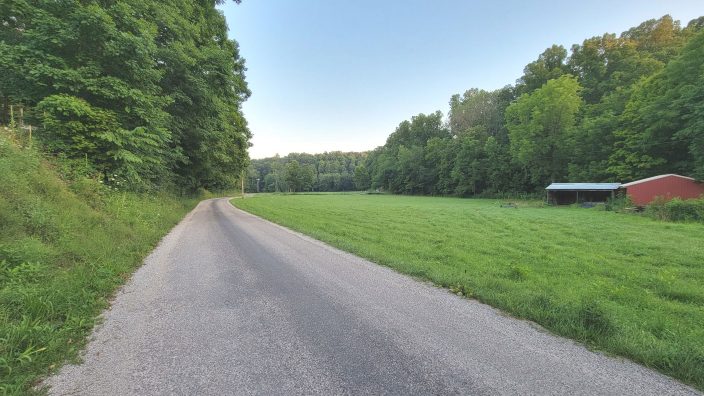
Community engagement at the earliest stages of development is essential.
Read More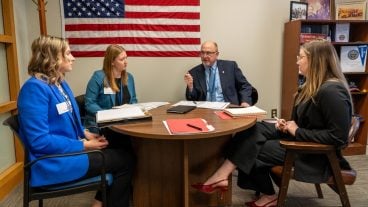

Collegiate chapters connect agriculture students with grassroots Farm Bureau efforts at county, state and national levels.
Read More
The grants aim to ensure that creative young farmers can access opportunities and use their skills to alleviate the difficulties facing agriculture today.
Read More