


July/August 2025 Our Ohio
Protecting Ohio agriculture is deeply woven into the fabric of what Ohio Farm Bureau does day in and day out. The theme of this edition is ag and the law.
Read MoreSeeking to support legislative changes to benefit Ohio farmers is the purpose of the Ohio Farm Bureau public policy team, which includes OFBF legal experts.
Proposed policy initiatives come from the grassroots work of member volunteers at the county Farm Bureau, and all of it is vetted by the Ohio Farm Bureau public policy team through a sometimes years-long policy development process.
Annexation is always a hot topic in farm country, and recently Farm Bureau staff and members testified on behalf of an annexation bill that aims to preserve farmland in the state by having a more transparent annexation process.
“We have heard from our members across the state that the current annexation process, specifically Type II (expedited), often excludes vital community input and can occur quickly with little or no notice,” said Evan Callicoat, director of state policy for Ohio Farm Bureau, in recent House Local Government Committee proponent testimony for House Bill 113. “This creates unnecessary animosity even in the best annexation processes, where the goal is to better serve our respective communities.”
Farmers in Ohio own only about half of the land they farm, with the other half being rented, Callicoat noted. Expedited annexations increase development pressure on farmland and ultimately contribute to the increased loss of farmland across the state. HB 113 ensures that any proposed annexation will serve the best interests of the impacted communities, and community members will always have a voice in the process.
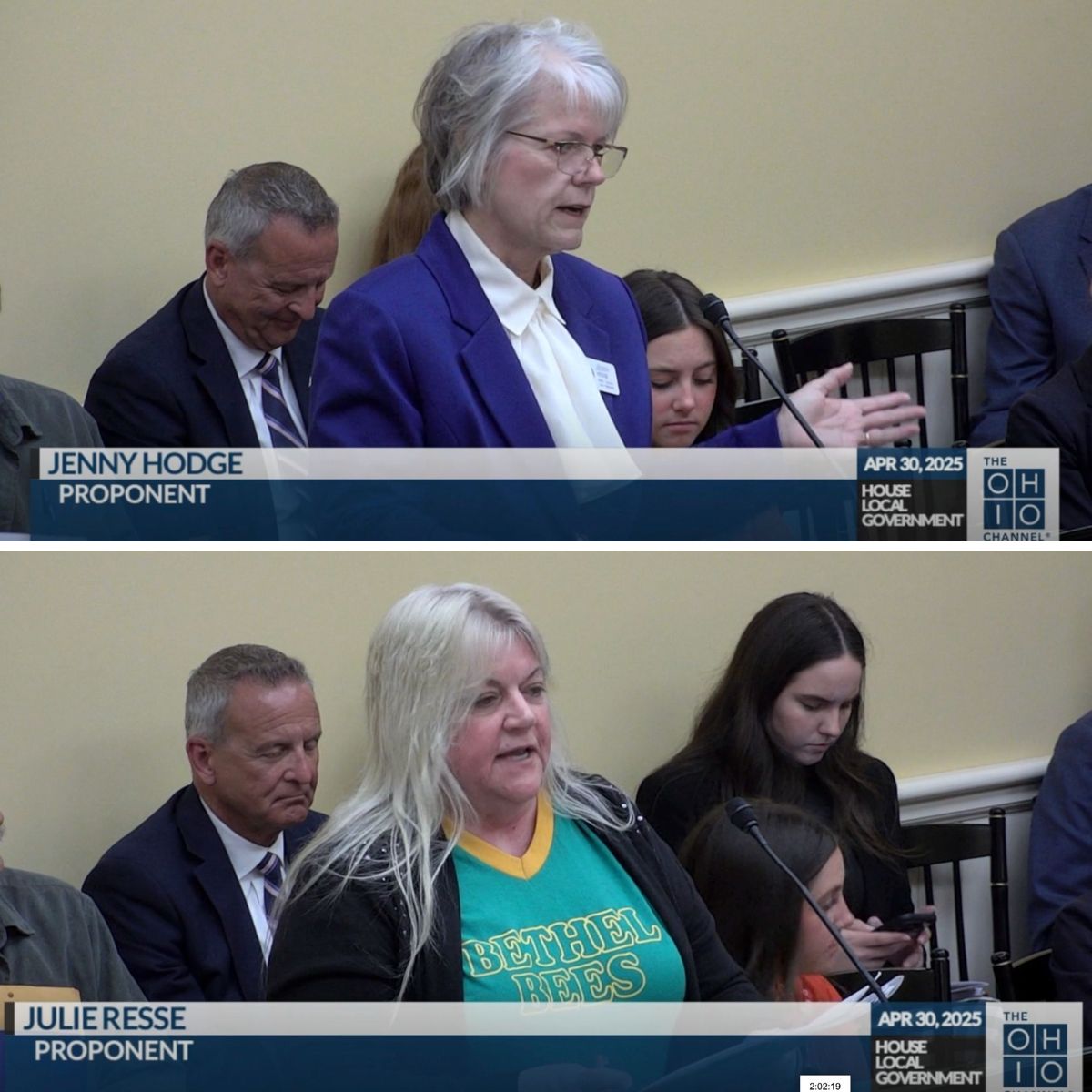
This is an important feature of the legislation according to Julie Reese, a farmland owner and Bethel Township trustee in Miami County. Over time, she has witnessed the impact annexations by neighboring Huber Heights have had on her township and the county’s farming acres.
“Farmland is disappearing at an alarming rate and once developed, it is gone forever,” she said. “The township should have a say in an issue that so significantly affects their way of life. I like that HB113 gives a voice to counties and school districts. (With its passage) the burdens for building new schools and absorbing the additional traffic will no longer be foisted on the school district and the township that have no say in the matter.”
“For years, annexation has been one of the most discussed and debated issues among our farmers, landowners and rural community leaders,” said Taylor Watkins, organization director of Champaign, Clark, Darke and Miami counties. “House Bill 113 is a direct reflection of that grassroots process — this is our grassroots policy in action.”
The change HB 113 could bring can’t come a moment too soon for Miami County Farm Bureau Vice President and farmer Jenny Hodge.
“If Ohio as a state doesn’t wake up and start getting real serious real quick about farmland preservation, the battle is going to be lost,” she told committee members. “It took over 250 years to develop some of the most productive farmland in the world. To see it being covered in concrete is absolutely devastating. Every farmer works to leave their land better for the next generation. If we don’t do something quickly, the torch will be extinguished and no longer be able to be passed.”
KEY POINTS
WHAT’S NEXT
The next step in the process for HB 113 will be a full Ohio House vote, before it moves on to the Senate for consideration.
WHAT HB 113 MEANS FOR ANNEXATION OF FARMLAND
Specifically, HB 113 requires that all types of annexation serve the general good of the communities affected by it. This provision ensures that a proposed annexation will genuinely benefit the communities involved, without taking unnecessary land (which is most often additional farmland) and further pressuring land availability for agriculture.
The bill also reduces the maximum acreage requirement from 500 acres to 200 acres and increases the contiguous boundary requirement from 5% to 20%. Both of these provisions will ensure that the proposed annexation is narrow in scope and protects farmland from unnecessary municipal expansion.
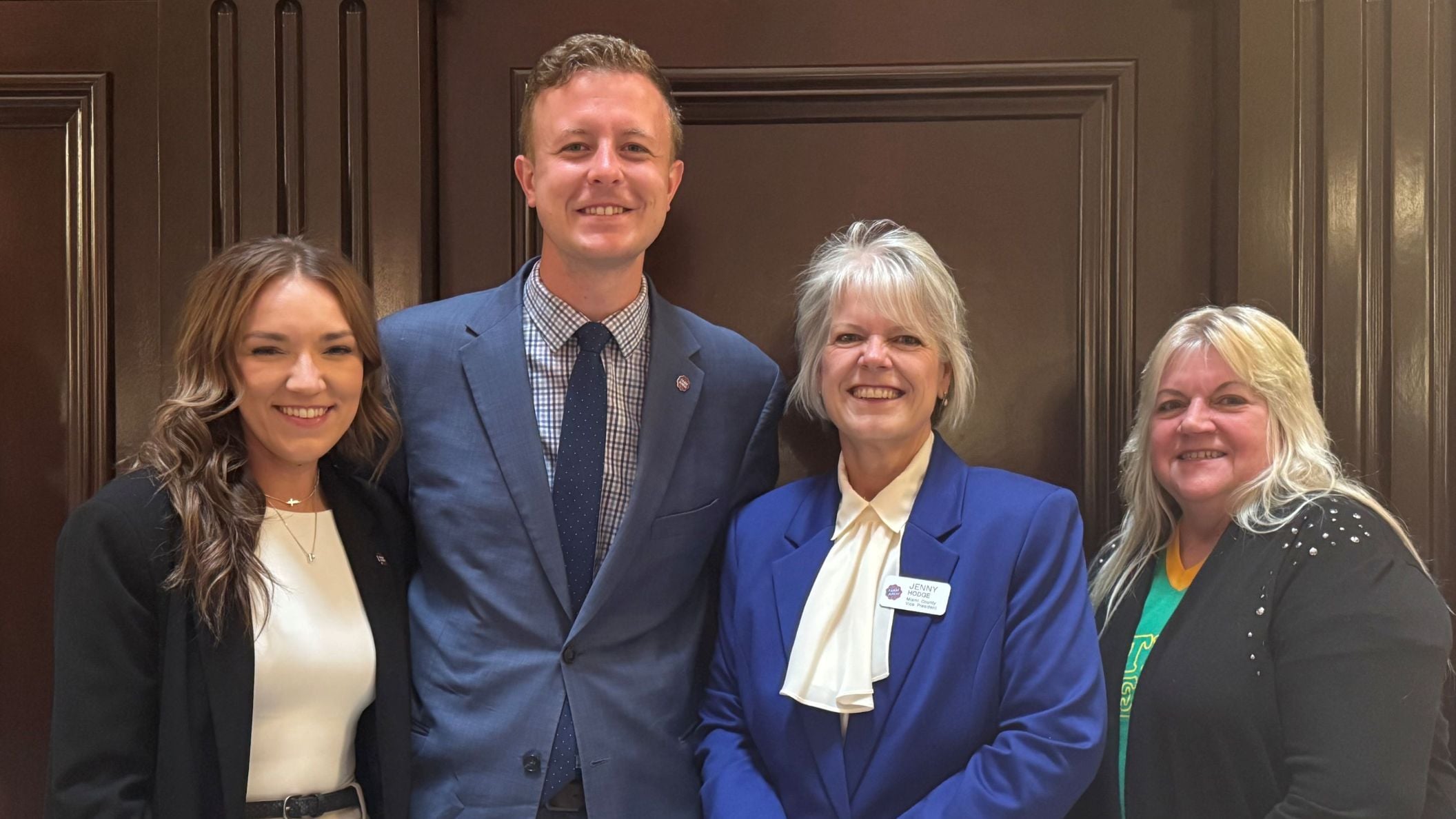
Feature photo caption (left to right): Organization Director Taylor Watkins with Ohio Farm Bureau Director of State Policy Evan Callicoat, Miami County Farm Bureau Vice President and farmland owner Jenny Hodge, and Bethel Township Trustee and farmland owner Julie Reese.


Protecting Ohio agriculture is deeply woven into the fabric of what Ohio Farm Bureau does day in and day out. The theme of this edition is ag and the law.
Read More

Over the past 15 years, OFBF has been involved in over 60 civil cases in state and federal courts, as well as over 100 administrative cases before the Federal Energy Regulatory Commission and the Ohio Power Siting Board.
Read More
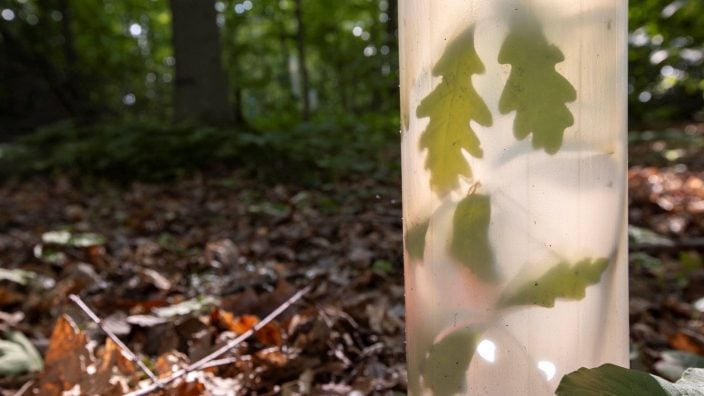
Overall, proper care, maintenance and communication are all essential parts of the process when it comes to trees.
Read More
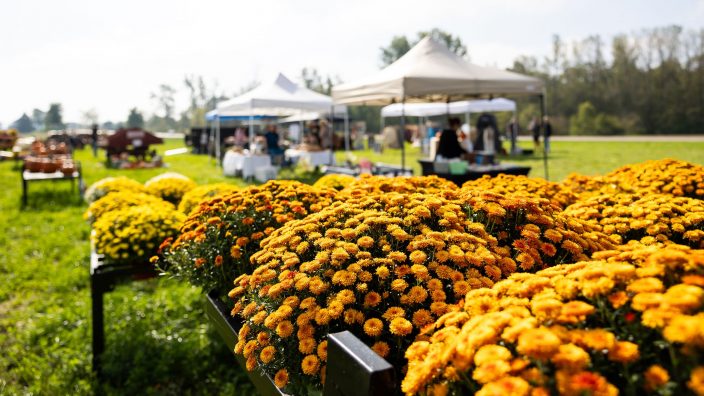
It is essential that members with an agritourism operation post a liability sign on their property. Contact the county Farm Bureau office about acquiring that sign.
Read More
It is evident that attacks on agriculture are constantly coming from various angles: Ohio Farm Bureau and American Farm Bureau are flush with some of the best farm law experts.
Read More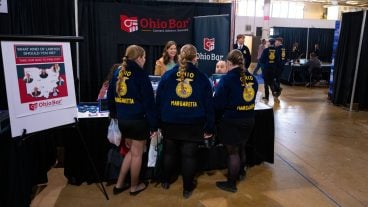
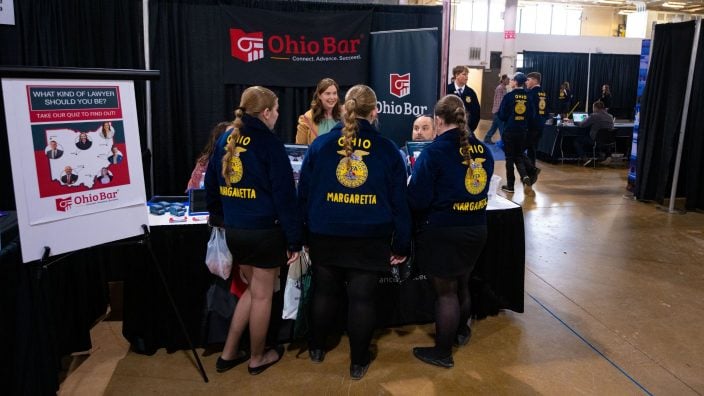
Eight-two of Ohio’s 88 counties are underserved by legal representation. The Ohio Rural Practice Initiative is a several-pronged approach to raise awareness of the issue.
Read More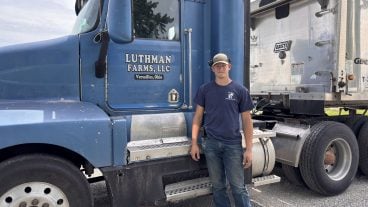
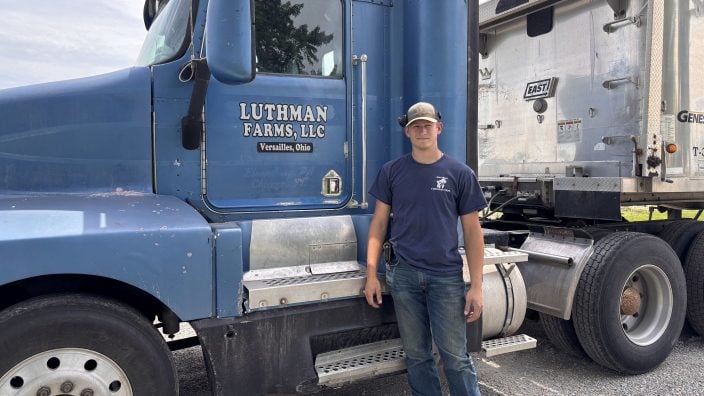
To be eligible for the $500 grant, an applicant must be a Darke County resident and Farm Bureau member, 18 to 25 years of age.
Read More
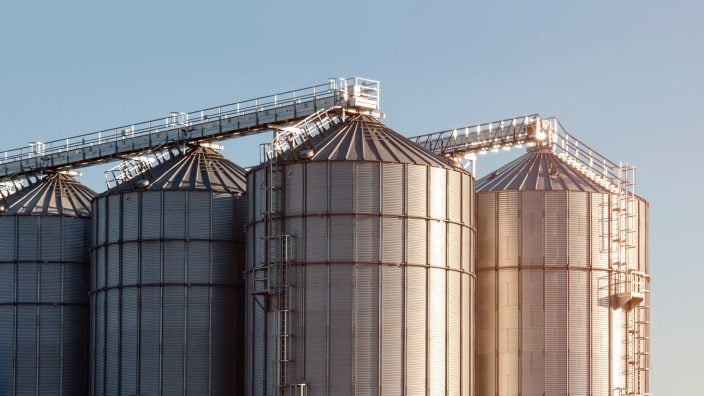
Farm Bureau members have numerous resources at their fingertips for the latest information on a host of laws and regulations directly impacting all of agriculture.
Read More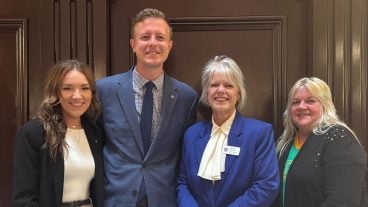

Farm Bureau staff and members testified on behalf of an annexation bill that aims to preserve farmland in the state by having a more transparent annexation process.
Read More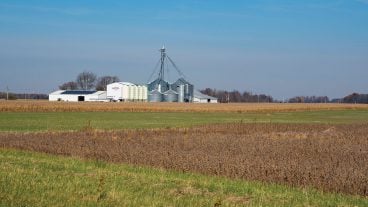
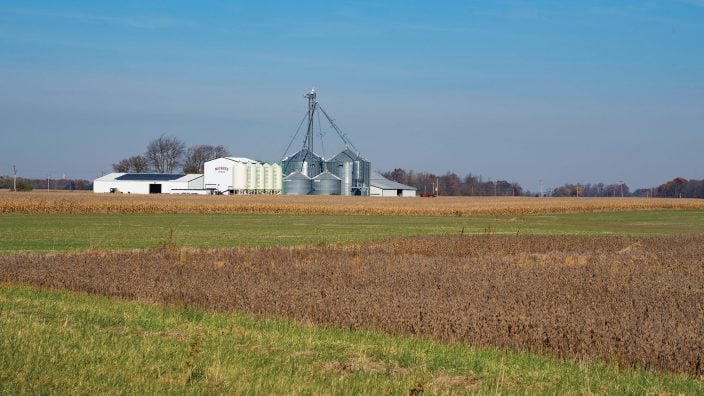
Ohio Farm Bureau has information on programs and tips on how to start the farm succession conversation, as do several of the organization’s partners.
Read More