



Gifting now versus waiting for a step-up in basis
A lot of factors and personal goals can go into this decision, which we suggest discussing with your farm succession team.
Read MoreBy Elizabeth Fisher , Esq. junior associate at Wright & Moore Law Co. LPA
A topic discussed frequently during farm succession planning is whether certain assets should be gifted prior to death or whether the assets should be retained and disbursed following death. A lot of factors and personal goals can go into this decision, which we suggest discussing with your farm succession team. For context, let’s dive a bit further into what each option entails.
The passage of the One Big Beautiful Bill Act in July did not modify the annual gift tax exclusion. Each grantor can still gift up to $19,000 per grantee per year without filing a gift tax return, paying gift tax, or reducing his/her lifetime estate tax exclusion of $15 million. Practically speaking, this means that every married couple would be able to gift $38,000 to a single person every year. Furthermore, this gifting amount accounts for inflation and increases in $1,000 increments.
When thinking about what to gift, the $19,000 doesn’t necessarily need to be cash. Interests in owned businesses, equipment, stocks, real estate, personal vehicles, and personal property, such as jewelry and collectibles, are all eligible for gifting as well. Also, if you would like to claim discounts on the value of gifted business interests, you may need to obtain a formal valuation of the business and file a gift tax return to show the applicable discounts. However, should you choose any of these options that have market values greater than the $19,000 limit, ensure you are tracking from year-to-year how much value remains for that asset following your chosen gift amount.
The problem is, when an asset is gifted, a grantee receives the tax basis of the grantor. For example, if a tractor is fully depreciated by the grantor prior to a gift, the grantee will own a tractor with no remaining depreciation. On the other hand, some assets may receive a step-up in basis upon the death of the grantor. Receiving assets through inheritance can bring the tax basis of the asset up to its current market value.
Most often we see this in real estate where the grantor purchased the land for less than the current land value. Waiting for a step-up in basis allows the heir to inherit the land with a basis equal to the current market value. Should the heir choose to then sell the land, the heir only pays capital gains tax, which is a tax on the difference between the sale price and the purchase price, on the difference between the sale price and the new stepped-up value, rather than the original purchase price.
Using our example from above, we also see tax benefits for heirs where a piece of equipment has been completely depreciated prior to inheritance, the equipment receives a step-up in basis at the grantor’s death, and the heir can then re-depreciate the same asset. This also applies to grain bins, barns, fencing, field tile, and other improvements. Remember, with land, equipment, or improvements, in order to set the new tax basis, these assets must be appraised in detail when someone passes away.
As a final note, while the lifetime estate tax exclusion of $15 million is considered “permanent” following the One Big Beautiful Bill Act enactment, recognize that rules from Washington aren’t always as permanent as stated. So, as you prepare for your next meeting with your farm succession team about tax or gift planning, consider which of these options might work best for your goals and how the timeline to accomplish those goals could be affected by changes in future legislation.
About the author
Elizabeth Fisher is a junior associate with the Farm Succession and Legacy Preservation team at Wright & Moore. A graduate of The Ohio State University and Capital University School of Law, Elizabeth joined the firm in July 2025. She grew up on her family’s beef cattle farm in Jackson County and still helps on the farm today.
Wright & Moore Law Co., LPA has a rich heritage in Ohio agriculture. Since 1988, our firm has proudly assisted farmers, rural residents, and landowners from all over the state with their farm succession planning and agricultural legal needs. We would be happy to discuss your family goals and how to meet them. To learn more about Wright & Moore or schedule a meeting, call 740-990-0750 or visit OhioFarmLaw.com


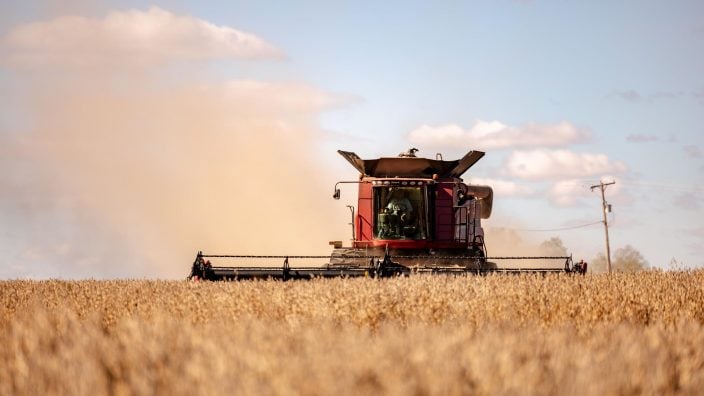
A lot of factors and personal goals can go into this decision, which we suggest discussing with your farm succession team.
Read More

In 2022, Ohio passed House Bill 397 to give farmers more security by standardizing farm lease terminations. The law helps, but only a comprehensive written lease ensures your rights when circumstances shift.
Read More

Get a 2025 estate tax outlook and find out what the farm income outlook for this year on this Ohio Farm Bureau Podcast.
Read More
An attorney from Wright and Moore discusses what he thinks is missing from farmland lease termination law and what members voted to do about it.
Read More
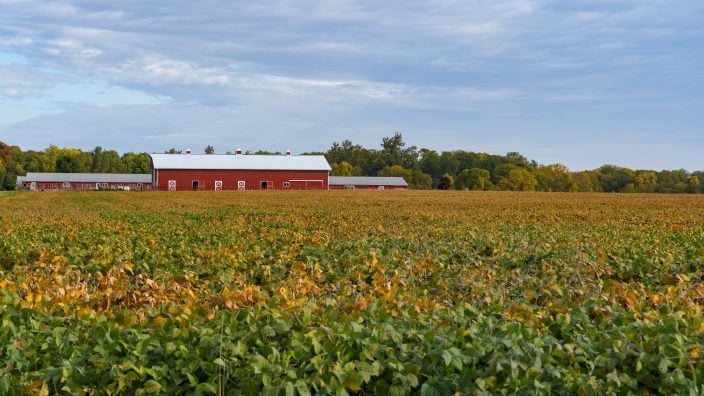
To ensure that your farm and family receive competent guidance, proactive scheduling will be critical in the early part of 2025.
Read More

Family matters can get messy, especially when a new member joins that family. How are those details ironed out and why is the process so important? Learn more about that and Ohio electricity’s future.
Read More
Making legal plans before a new farm partnership of any kind starts is the topic of discussion with Wright and Moore for this Ohio Farm Bureau Podcast.
Read More

Why are “Legal Deserts” a problem and what is being done to give rural Ohioans more legal representation? Find out on this Ohio Farm Bureau Podcast from experts at Wright and Moore.
Read More
Two of the major trends playing out in Ohio are energy-related development, as well as reshoring of manufacturing, of which Intel is just the highest-profile example.
Read More

Get an update on the real estate picture in rural Ohio from Wright and Moore and find out why a new farm bill is a priority for Sunrise Cooperative and its members.
Read More