Stone Lab Research

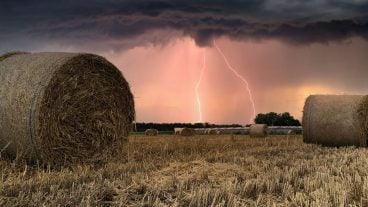
Every farmer knows that weather can help make or break a season.

Too much rain or too little, and a year looks entirely different on Ohio farms. The weather we get, or don’t get, also doesn’t just stop at the fencerows, and it can have a major influence on the health of water resources.

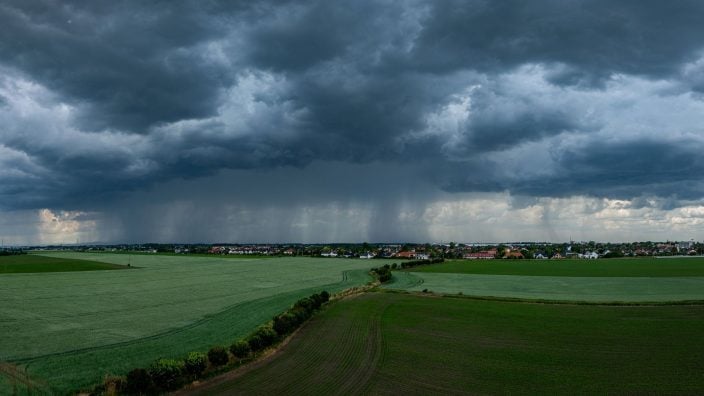
Weather patterns have shifted in Ohio, and while total rainfall hasn’t increased, the way it falls has changed. Farmers are seeing fewer steady showers and more scattered, heavy downpours. These intense storms leave farms with too much water in the soil, affecting crop timelines, and storms carry nutrients such as phosphorus and nitrogen off farmland and into bodies of water such as Lake Erie.

As the largest water resource in the Buckeye State, Lake Erie provides drinking water for 11 million people, accounts for 30% of Ohio’s recreation spending and serves as a critical partner for the farms, communities and businesses in the region. The amount and timing of rainfall can influence water levels and, ultimately, the size of algal blooms in Ohio’s Great Lake.

The importance of water resources, especially one as essential as Lake Erie, is why research and monitoring is critical. Through studies and surveys conducted by Ohio State University, Heidelberg University, the National Oceanic and Atmospheric Administration, the Ohio Agriculture Conservation Initiative, and others, we are able to get a deep understanding of Lake Erie and see the effects of factors such as changing weather and nutrients.

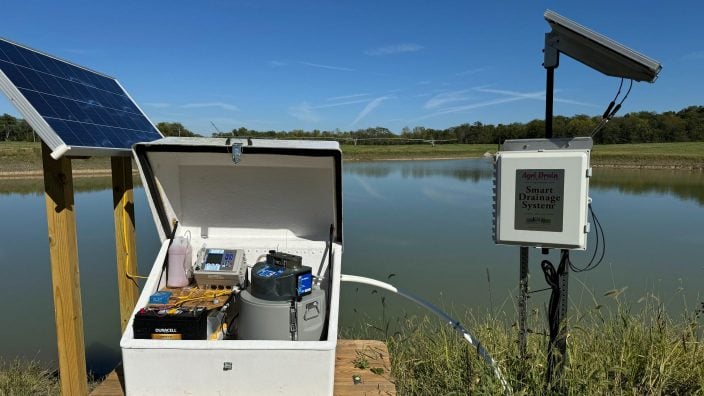
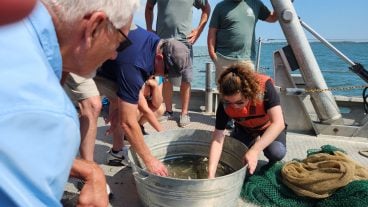
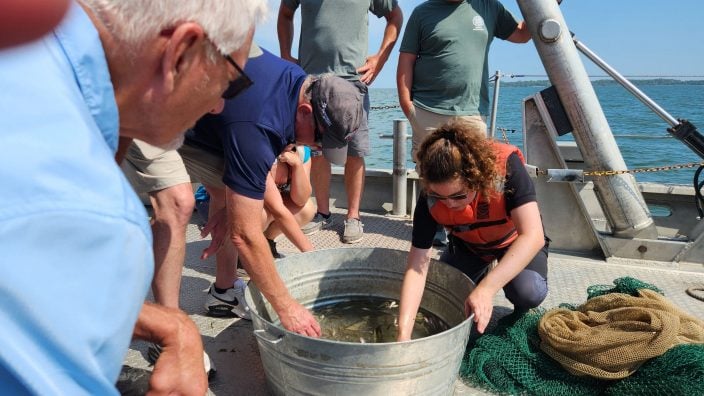
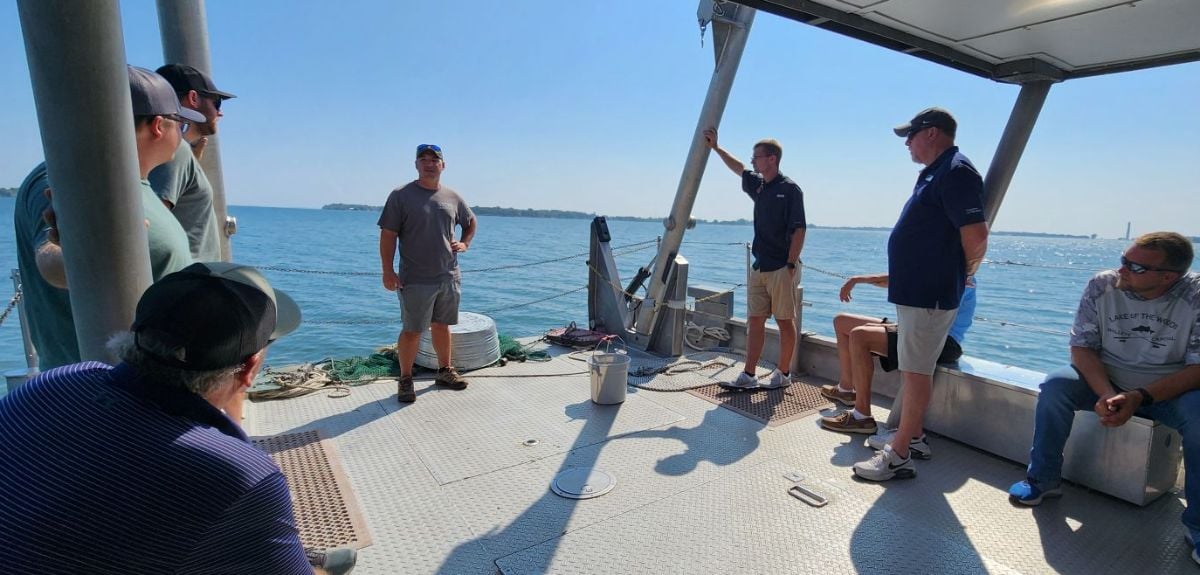
Lake Erie water quality studyOhio State University, in partnership with Ohio Sea Grant, conducts on-water research at Stone Laboratory, located on Gibraltar Island in Lake Erie. Led by Chris Winslow, Ph.D., director of the Ohio Sea Grant College Program, the lab conducts year-round studies on water levels, nutrients and aquatic life to measure the overall health of the lake. Through this work, farmers, along with other contributors, can see how impactful conservation practices are to water quality, and what other tools need to be implemented to keep the lake healthy.

“Our goal at Stone Lab is to help provide the real data, so that farmers and lawmakers can make informed decisions on practices and policies regarding water quality,” Winslow said.

The recent findings from Stone Lab and the NOAA forecast are encouraging and reflect the years of efforts farmers have put into water quality and stewardship. For the summer of 2025, the Lake Erie Basin had an expected algal bloom severity index of 3 out of 10, and phosphorus levels have continued to drop. On a scale where 10 represents the most severe algal blooms, a 3 is considered mild, he said.

The continued decrease of nutrient levels and this year’s moderate bloom also spotlight the thousands of farmers participating in H2Ohio or federal conservation programs.

“The conservation efforts by farmers are working, and we need more farmers in the region to participate in order to keep blooms mild,” Winslow said, noting that the more people talking about water quality and the more connected research, practices and policy becomes, the healthier Lake Erie will be.

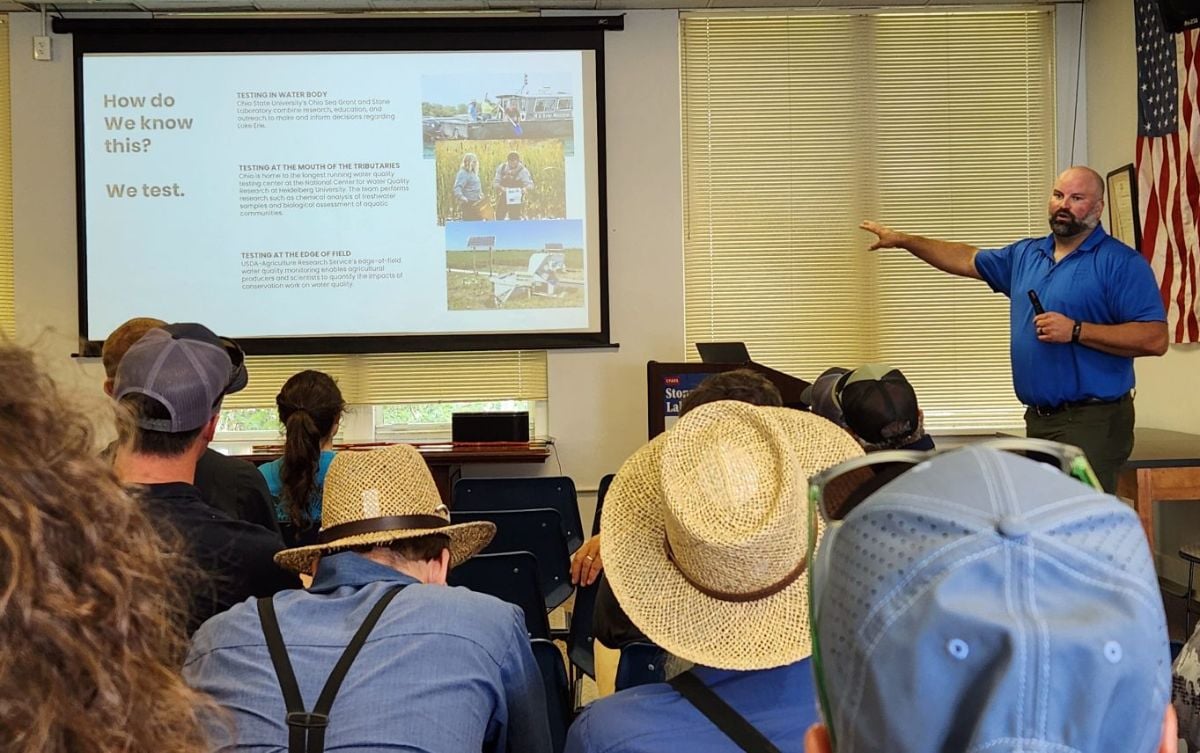
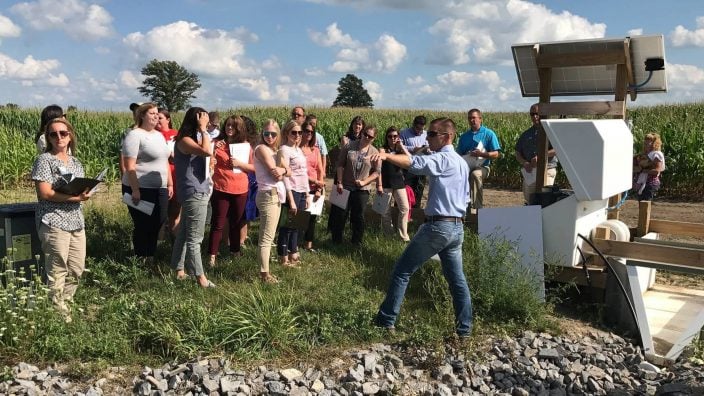
Jordan Hoewischer water quality seminar
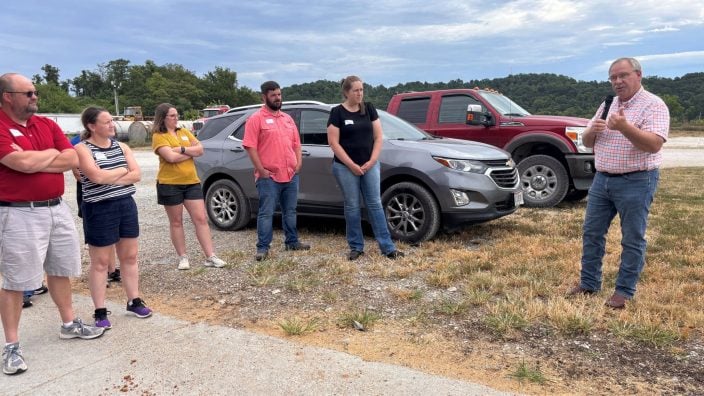
Ohio Farm Bureau Director of Water Quality Jordan Hoewischer talks to farmers about creating nutrient management plans and on-filed conservation practices that have helped ease the algal blooms in the Western Lake Erie Basin.

While farms are not the only player that can affect water quality, they have continued to step up and adapt practices to minimize their footprint in the runoff. Conservation practices such as soil testing, cover crops and no-till are now common across the basin and have significantly reduced nutrient loads.

Another Ohio State research summary backs up this progress and shows that over the past 30 years, Ohio farmers have reduced their fertilizer usage by 33%, while 65% of counties have decreasing trends in mean soil test phosphorus.

Farmers always strive to do the right thing, even when faced with uncontrollable and shifting factors such as weather. The storms may change, and the heat may rise, but their commitment to stewardship remains constant.

Key Points

  • Stone Lab conducts year-round studies on water levels, nutrients and aquatic life to measure the overall health of Lake Erie.
  • The recent findings from Stone Lab and the National Oceanic and Atmospheric Administration forecast reflect the years of efforts farmers have put into water quality and stewardship.
  • Farmers have continued to step up and adapt practices to minimize their footprint and maximize water quality efforts.

What’s Next

Farmers are encouraged to continue creating nutrient management plans and on-field conservation practices that have helped ease the algal blooms in the Western Lake Erie Basin. Contact a local Soil and Water Conservation District office to get started.

Kudos to farmers, others

In late July, Toledo meteorologist Ross Ellet lauded farmers and others for their water quality efforts in the Western Lake Erie Basin.

In a Facebook post July 24, Ellet said, in part: “The algal blooms made national news in 2014 when toxins entered Toledo’s water supply…It was the start of a massive campaign to reduce phosphorus load in Lake Erie. 2014’s bloom severity was considered ‘severe’ after a normal rainfall pattern in the spring and early summer before it. Both 2018 and 2025 also brought a normal rainfall pattern and each have brought just a mild bloom in Lake Erie…The data is clear that the same amount of rain is not having the same impact on bloom severity. This means that actions taken by farmers, local leaders, and even politicians (on both sides of the aisle) have made a positive difference. There is still work that can be done, but we are in a better place today than a decade ago.”

To grow a network and gain perspective and knowledge in the industry through personal and professional development has been invaluable. Every day I learn and grow.
Ryanna Tietje's avatar
Ryanna Tietje

Henry County Farm Bureau

Farm Bureau connections
The issue of property taxation remains as one of the biggest challenges our members face today. Ensuring agricultural property is valued for its agricultural potential and not development is critical to the continued success of Ohio agriculture.
Matt Aultman's avatar
Matt Aultman

Darke County Farm Bureau

Giving farmers a voice
Farm Bureau is what really got the word out. It’s been one of their goals to get this done.
Bill and Charlotte Wachtman's avatar
Bill and Charlotte Wachtman

Henry County

10-year campaign for safer roads
I could not have done it without the resources I have found through Farm Bureau.
Gretchan Francis's avatar
Gretchan Francis

Trumbull County Farm Bureau

Bringing the farm back to life
Because we are younger farmers just starting out, Farm Bureau has a lot of good opportunities and resources to help us grow in the future.
Hannah Kiser's avatar
Hannah Kiser

Sandusky County Farm Bureau

Farm Bureau involvement
Through the Select Partner program, we became educated in farm insurance and weren't just selling policies. It became more and more clear why farmers need an advocate like Ohio Farm Bureau.
Chad Ruhl's avatar
Chad Ruhl

Farm manager, CSI Insurance

Select Partner Program
So many of the issues that OFBF and its members are advocating for are important to all Ohioans. I look at OFBF as an agricultural watchdog advocating for farmers and rural communities across Ohio.
Mary Smallsreed's avatar
Mary Smallsreed

Trumbull County Farm Bureau

Advocacy
Suggested Tags: