




bracing for weather impact

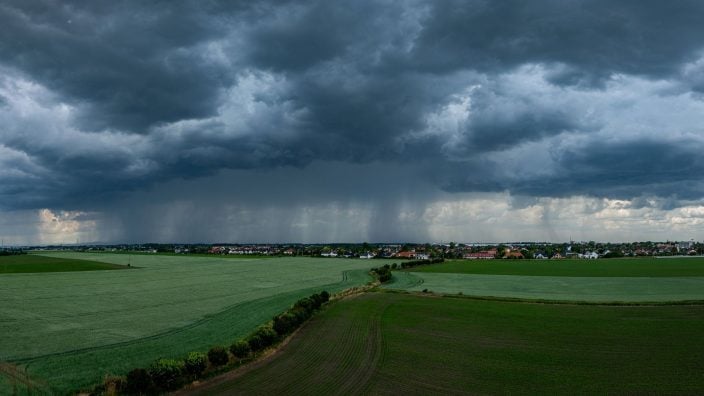
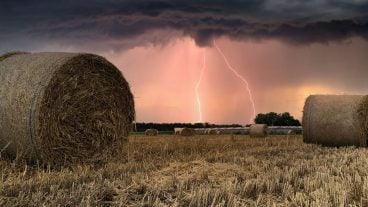
Weather patterns are changing. Heavy rainfall, flash flooding and drought have become common, impacting farmers’ growing season and livelihood. Increased hail and wind intensity is exposing homeowners and landowners alike to more risk. Is your property and pocketbook ready for what Mother Nature has in store?

Mitigating weather risks on the farm

Three of the top weather threats to Ohio in general – and farmers in particular – are wind, hail and drought.

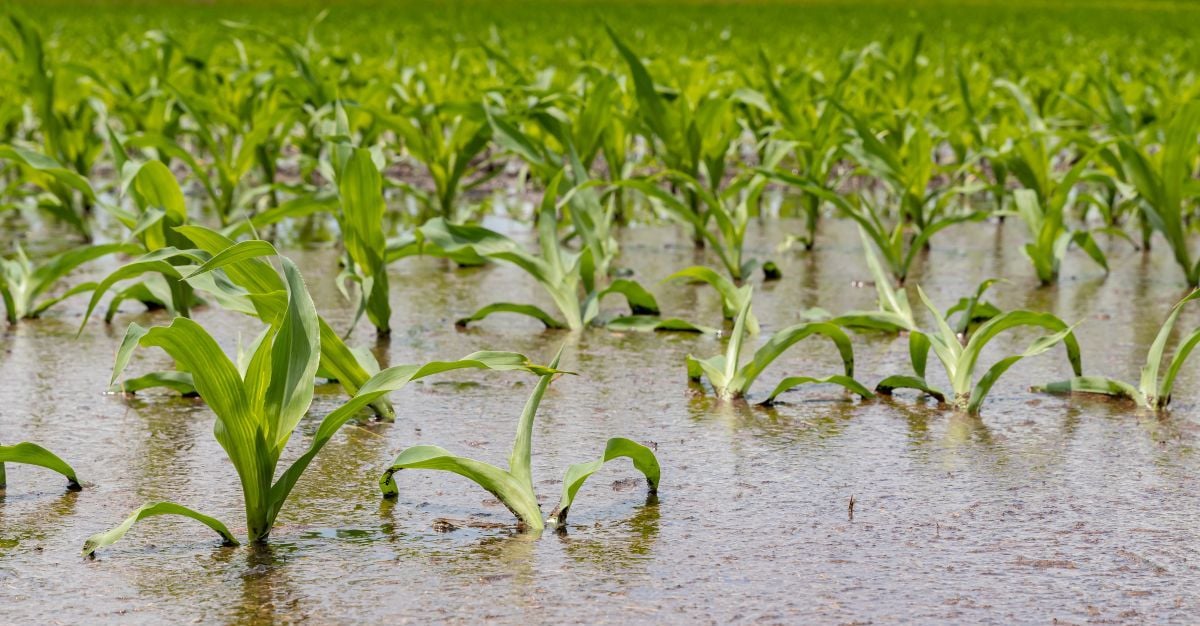
flooded field

Ohio Farm Bureau Heritage Partner Nationwide works to keep policyholders abreast of the latest impactful weather events and what those mean for protecting their farms and businesses.

“One of our goals is to provide awareness on trends that are occurring within the industry to our partners,” said Justin Owens, assistant vice president of Farm Underwriting & Sales, Nationwide. “In recent years, there has been a rise in severe convective storms across the Midwest, bringing catastrophic wind and hail events to the region. These events, coupled with the devastating impact of tornado and derecho activity, have significantly impacted the agricultural industry.”

Owens’ team hosts farm summit updates throughout the country to keep farm agents abreast of the latest trends, as well as products and strategies designed to mitigate the impact of weather. This includes purposeful storage of equipment, attempting to avoid a heavy concentration of assets, along with a new weather alert system that sends warning via text of impending potential damaging weather.

The BinStrong project is another way Nationwide offers help to mitigate risk. It is an awareness campaign to help farm and agribusiness owners and operators understand the benefits of constructing grain bins designed to withstand higher wind speeds.

“There are also coverages that are often overlooked, such as loss of farm income,” Owens said.

Nationwide Agribusiness has a risk management team that meets with customers, and also partners with the Insurance Institute for Business & Home Safety to stay up-to-date about the latest trends in the industry.

Owens also recommends that policyholders check in with their insurance agent at least once a year or even more often if something changes within their operation, to make sure they have adequate coverage.

“We want to best position our policyholders to eliminate or mitigate the result of what Mother Nature has thrown our way,” he said.

According to Nationwide Agribusiness, here are things farmers can do to help stay ahead of weather and climate risk:
  • Develop a weather preparedness plan. Your plan should address your most likely weather hazards including things like drought, flooding, blizzards, high winds and severe thunderstorms.
  • Use weather forecasting and monitoring tools. Many of these tools are available as apps on your smartphone. Many include valuable functions like live radar and local severe weather warnings.
  • Implement farming practices that mitigate risk. No-till or minimum tillage can help sustain soils if high winds are a common severe weather threat. Crop seed varieties also can offer traits like drought or cold tolerance, helping mitigate those risks.
  • Create alternative and backup plans for crops and livestock. If markets are available, alternative crops or livestock can help maintain the productivity of land even if it’s changed by climate or weather.

More information about Nationwide weather resources can be found in the Ag Insight Center.

Mitigating risks in the home

Ohio Farm Bureau Heritage Partner Nationwide is a strong proponent of taking a predict and prevent mindset when it comes to protecting the home.

Heavy rain

Taking some minor steps before something happens can prevent the major inconvenience of having to repair the home and replace damaged contents, according to Veronica Andersen, Nationwide’s associate vice president of Personal Lines Property Risk Solutions.

To help mitigate in-home flooding, homeowners should:
  • Routinely clean gutters and downspouts to allow water to run freely from the home.
  • Seal basement and foundation cracks to prevent water from getting into the home.
  • Invest in a reliable sump pump system with a backup battery and check it often to make sure it’s working properly.
  • Inspect septic/sewer systems routinely and clear any debris that could cause them to back up.
  • Inspect pipes regularly and make sure they are properly insulated to prevent freezing, so they don’t burst.
To help prevent damage from severe weather, homeowners should:
  • Consider fortifying the home to IBHS FORTIFIED standards (fortifiedhome.org) This will help the home withstand strong winds and hail/snow damage.
  • Remove items from the yard that could turn into flying debris in a windstorm.
  • Maintain areas around the house, including trimming tree branches, removing dead trees, and inspecting windows and doors for wear and tear. If there is a chimney, inspect it to make sure its structurally sound, and make repairs if necessary.

Nationwide also recommends homeowners consider investing in smart home technology that can alert them in real time to any issues occurring in their home.

Technology like Leakbot can let you know if a pipe in your home is leaking, while a Ting device will monitor your home’s electrical system and can make you aware of any potential electrical fire hazards. Also, Phyn smart water sensors alert homeowners when water is detected where it shouldn’t be. Through partnerships with these companies, Nationwide customers in certain states can receive the devices for free. Here is more information on those technologies and partnerships..

Homeowners are encouraged to regularly review their insurance coverage with their insurance agent to ensure that their home is fully protected in case something does happen. An agent can help identify coverage gaps and suggest additional coverages to fill them.

To grow a network and gain perspective and knowledge in the industry through personal and professional development has been invaluable. Every day I learn and grow.
Ryanna Tietje's avatar
Ryanna Tietje

Henry County Farm Bureau

Farm Bureau connections
The issue of property taxation remains as one of the biggest challenges our members face today. Ensuring agricultural property is valued for its agricultural potential and not development is critical to the continued success of Ohio agriculture.
Matt Aultman's avatar
Matt Aultman

Darke County Farm Bureau

Giving farmers a voice
Farm Bureau is what really got the word out. It’s been one of their goals to get this done.
Bill and Charlotte Wachtman's avatar
Bill and Charlotte Wachtman

Henry County

10-year campaign for safer roads
I could not have done it without the resources I have found through Farm Bureau.
Gretchan Francis's avatar
Gretchan Francis

Trumbull County Farm Bureau

Bringing the farm back to life
Because we are younger farmers just starting out, Farm Bureau has a lot of good opportunities and resources to help us grow in the future.
Hannah Kiser's avatar
Hannah Kiser

Sandusky County Farm Bureau

Farm Bureau involvement
Through the Select Partner program, we became educated in farm insurance and weren't just selling policies. It became more and more clear why farmers need an advocate like Ohio Farm Bureau.
Chad Ruhl's avatar
Chad Ruhl

Farm manager, CSI Insurance

Select Partner Program
So many of the issues that OFBF and its members are advocating for are important to all Ohioans. I look at OFBF as an agricultural watchdog advocating for farmers and rural communities across Ohio.
Mary Smallsreed's avatar
Mary Smallsreed

Trumbull County Farm Bureau

Advocacy
Suggested Tags: