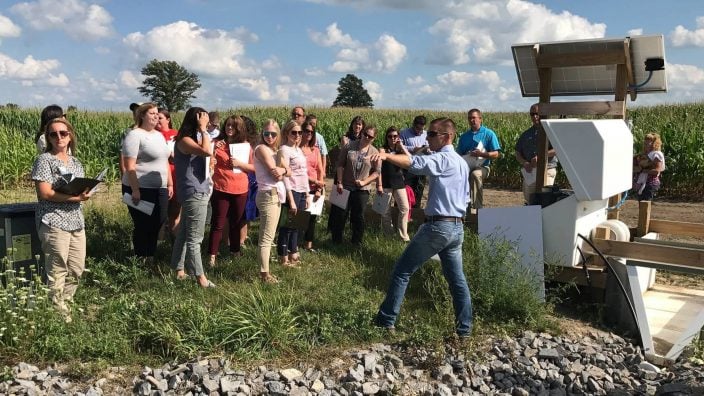
Don Jones AgriPOWER Alumni tour

The 2025 growing season ended up looking a lot like 2024, though it didn’t start out that way.

Aaron Wilson Ohio climatologist
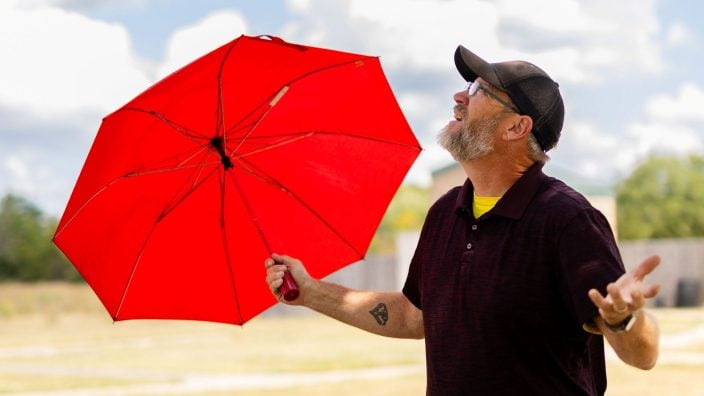
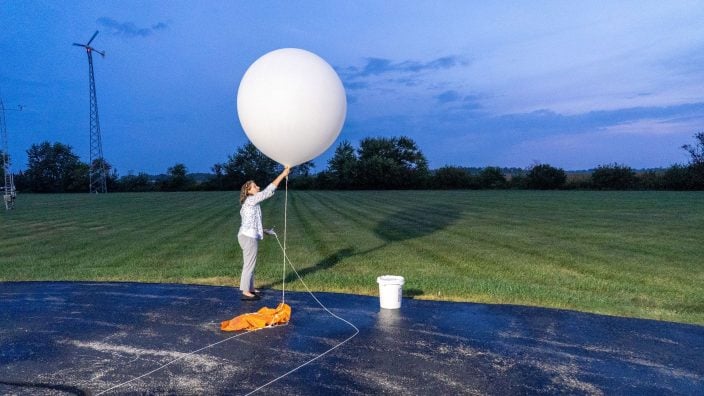
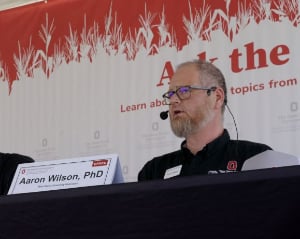
Aaron Wilson, state climatologist and Ohio State University atmospheric scientist spoke about weather during an Ask the Experts panel at Farm Science Review in September.

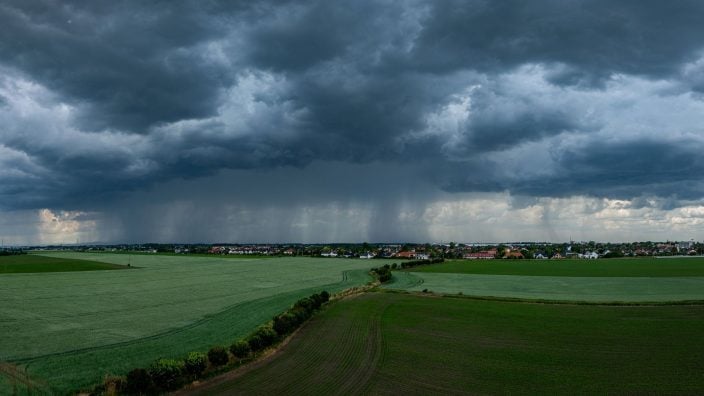
State Climatologist Aaron Wilson said May was the 22nd-wettest on record for central Ohio, with some areas seeing rain on more than 20 of the month’s 31 days. That torrential rain pushed back planting – or necessitated replanting – in many areas of the state this past spring, only to have any rainfall all but vanish by August and well into September.

According to the National Integrated Drought Information System, August 2025 was the driest one on record in Ohio, a record that dates back to 1895. By mid-September almost 50% of the state was in at least a moderate drought, with a small portion of eastern Ohio designated severe drought status.

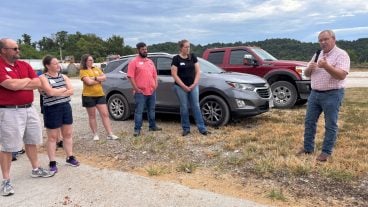
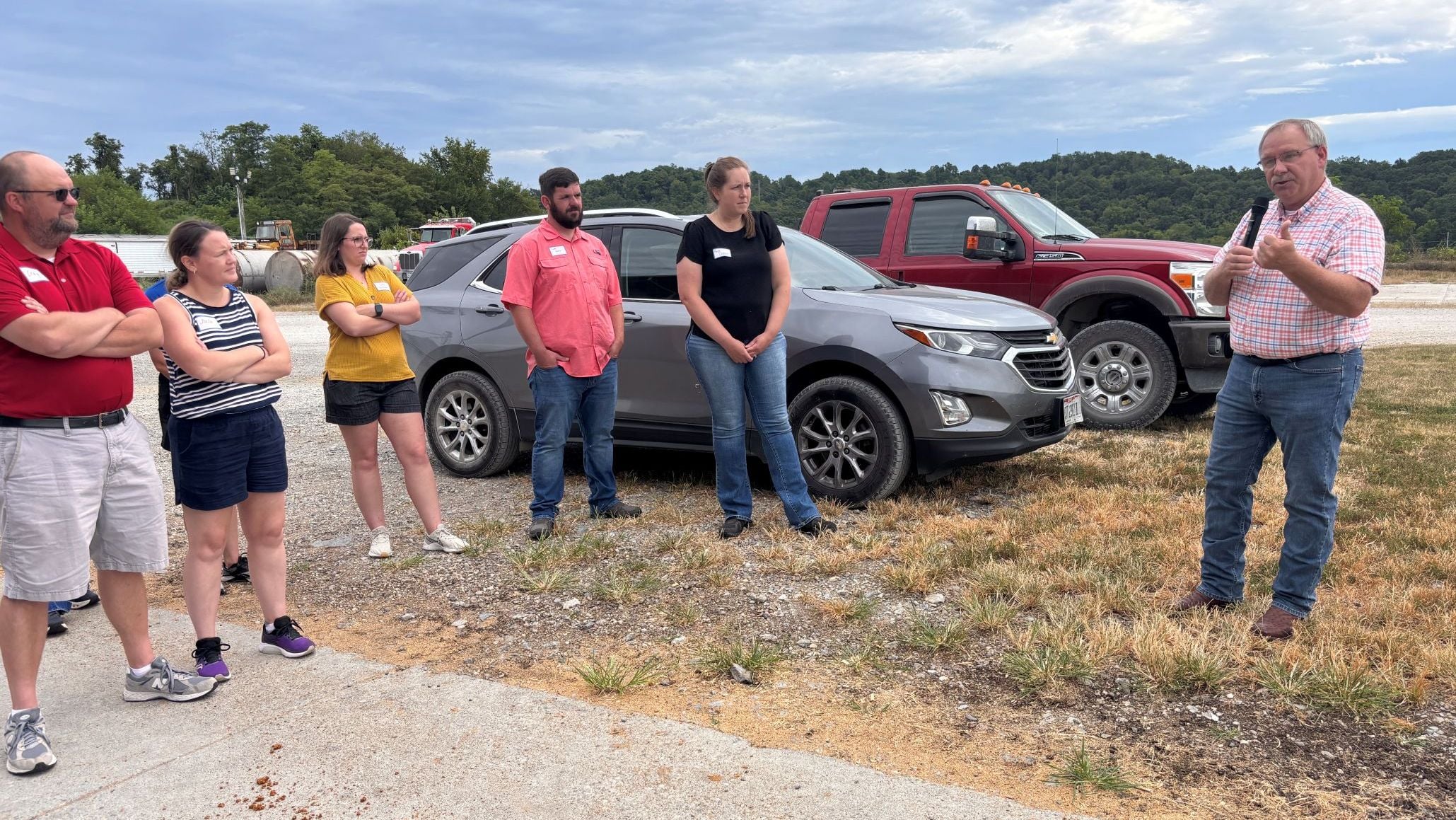
USDA Farm Service Agency State Executive Director Don Jones, who has a cow/calf and hay operation, was serving as a state representative last year when he spearheaded legislation that allocated $10 million from the Ohio Department of Agriculture through county soil & water districts to help drought-stricken counties.

For many livestock farmers, especially in southeast Ohio, the persistent drought through the summer and fall months were some of the most challenging conditions ever seen. By September of 2024, livestock farmers were searching for hay for their animals and already dipping heavily into the stored winter feed.

“A lot of people had issues with water,” Jones recalled. “Hauling water to livestock is a never-ending battle.”

Randy Raber
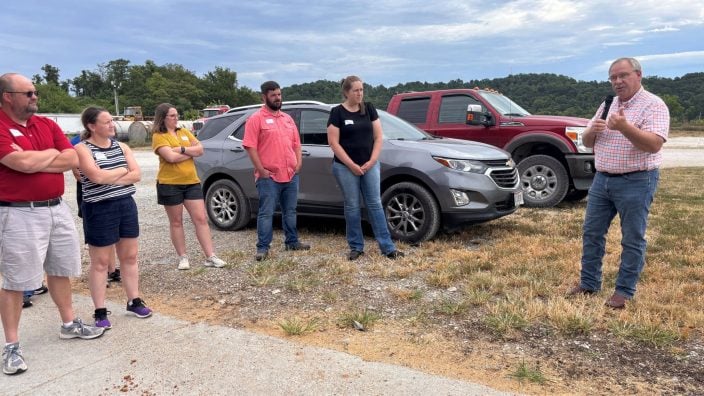
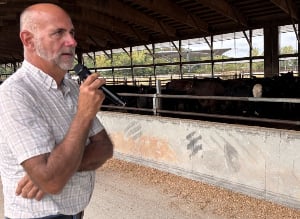
Farm Bureau member Randy Raber, owner of Red Hill Farm, spoke about drought impacts on his operation in Guernsey County.

Freeport, Ohio’s Randy Raber agreed. The owner of Red Hill Farm, where Jones spoke to an Ohio Farm Bureau AgriPOWER alumni group in August, runs a cow/calf to finish operation with his family. While he didn’t have to haul water last year, he was prepared for whatever the summer of 2024 might have brought. He compared last year’s drought to the dry summer of 1988.

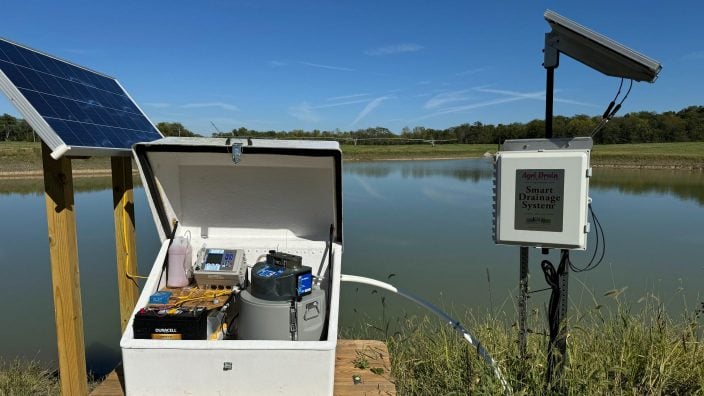
“‘88 was dry but it wasn’t as dry as it was last year,” he said. “We dredged a pond on the property so it is ready for a similar emergency in the future.”

Preparedness is paramount. Keeping detailed records about feed, water usage and crop losses, and signing up for government programs that can help are key to farms staying in business during challenging weather impacts, Jones said.

“Last year’s drought was a very challenging time,” he said. “Some of the small farmers sold out.”

Jones noted that 1,900 people signed up for various federal assistance programs through the Farm Service Agency for the first time last fall. Farmers are still seeing payments come in from those challenges last year.

This year the drought has not gotten quite as dire as last year, but the extremes in weather patterns have added extra anxiety to farmers who are already reeling from commodity prices, input costs and trade uncertainty.

Wilson, who is also an Ohio State College of Food, Agricultural, and Environmental Sciences field specialist in agricultural weather and climate, said at Ohio State’s Farm Science Review in September that the sharp swings between wet and dry conditions are becoming a defining feature of Ohio’s climate.

“I look at the 2024 drought followed by April-July 2025 as just the most recent in a string of events that signal a shift toward increasing risk from extreme weather in Ohio,” he said. “It reminds those in the agricultural community of the value of preparedness and the need for consistent mindfulness around the management of water, nutrients and other inputs to ensure profitability and environmental sustainability on our farms.”

Checking in with an FSA office can help prepare for a bottom line that can be impacted by weather changes. Jones encouraged farmers to make an appointment with their FSA office to learn about all the help that is available to them and how to gain access to it.

“We are all working together for the betterment of our farmers,” he said. 

Key Points

  • Being prepared for weather impacts by keeping detailed records about feed, water usage and crop losses is important.
  • Make an appointment with USDA’s Farm Service Agency to learn more about federal programs.

What’s Next

Learn about programs available through USDA Farm Service Agency.

NOTE: At press time, the federal government shutdown was impacting Farm Service Agency office hours.


To grow a network and gain perspective and knowledge in the industry through personal and professional development has been invaluable. Every day I learn and grow.
Ryanna Tietje's avatar
Ryanna Tietje

Henry County Farm Bureau

Farm Bureau connections
The issue of property taxation remains as one of the biggest challenges our members face today. Ensuring agricultural property is valued for its agricultural potential and not development is critical to the continued success of Ohio agriculture.
Matt Aultman's avatar
Matt Aultman

Darke County Farm Bureau

Giving farmers a voice
Farm Bureau is what really got the word out. It’s been one of their goals to get this done.
Bill and Charlotte Wachtman's avatar
Bill and Charlotte Wachtman

Henry County

10-year campaign for safer roads
I could not have done it without the resources I have found through Farm Bureau.
Gretchan Francis's avatar
Gretchan Francis

Trumbull County Farm Bureau

Bringing the farm back to life
Because we are younger farmers just starting out, Farm Bureau has a lot of good opportunities and resources to help us grow in the future.
Hannah Kiser's avatar
Hannah Kiser

Sandusky County Farm Bureau

Farm Bureau involvement
Through the Select Partner program, we became educated in farm insurance and weren't just selling policies. It became more and more clear why farmers need an advocate like Ohio Farm Bureau.
Chad Ruhl's avatar
Chad Ruhl

Farm manager, CSI Insurance

Select Partner Program
So many of the issues that OFBF and its members are advocating for are important to all Ohioans. I look at OFBF as an agricultural watchdog advocating for farmers and rural communities across Ohio.
Mary Smallsreed's avatar
Mary Smallsreed

Trumbull County Farm Bureau

Advocacy
Suggested Tags: