

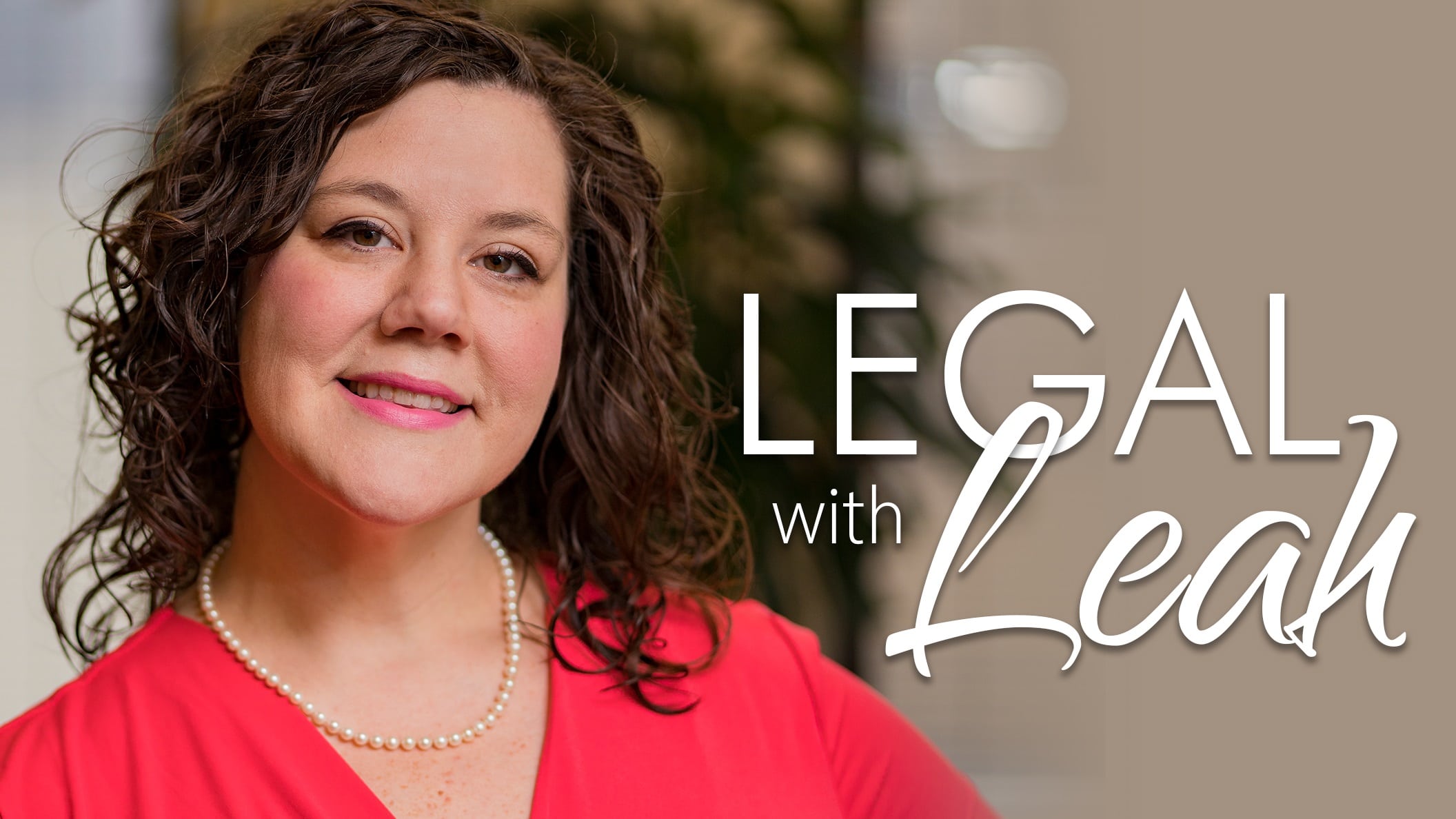


Legal with Leah: The questions around data centers
Leah Curtis joins this Legal with Leah to talk about what data centers mean for local communities and how to stay engaged in the development process
Read MoreFour property tax reform bills were signed into Ohio law at the end of 2025. On this Legal with Leah, Ohio Farm Bureau Associate General Counsel Leah Curtis breaks down the bills and what the changes mean for Ohioans.
Listen to Legal with Leah, a podcast featuring Ohio Farm Bureau’s Policy Counsel Leah Curtis discussing topics impacting farmers and landowners.
Ryan Matthews [00:00:21] So Leah, can you start with giving us a little overview of the property tax discussion at the Legislature over the last year?
Leah Curtis [00:00:29] Sure. I mean, it’s no secret to anyone, especially our Farm Bureau members, that property taxes are probably the top issue being discussed across the state and at the Legislature. They were spending a lot of time on that issue. We’ve seen over 40 bills introduced in just the last year that dealt with some aspect of property taxes. And having that many different bills really on one topic is just something we don’t typically see. So it is, obviously, it’s a big issue. It is a big concern of a lot of us across the state. And so of course, the Legislature has taken some action and that’s what we wanna kind of talk through today.
Ryan Matthews [00:01:05] We mentioned there was a package of four bills, so I’d love for you to walk through all of them. But just to start with House Bill 186, it has been getting a lot of news. Can you just walk through that one and then the rest of them as well?
Leah Curtis [00:01:21] House Bill 186 is the one that probably people have heard more about. Keep in mind as we talk about this, property taxes are pretty complex. So I’m going to try to break these down a bit. If people do have an interest in kind of more information about the property tax system, we do have some webinars on our website that can help them. But 186 is probably the biggest as far as changes in impact. So it is going to change how the 20 mill floor, which is the basis of all public school funding, is calculated and collected. So under the law from the 1970s, schools will have at least 20 mills of operating funding. 20 mills is about 2% of the taxable value, which keep in mind is not the same as your full property value of the property in the property tax district. So in the past, that would fluctuate with property values. So property values went up, there would be a little bit more collected, property values go down a little bit less. Under 186, the collection of the 20 mill floor is going be limited by a rate of inflation. So rather than just increasing or decreasing with the property values, it’s going to have that inflation limit on it. There is also some property tax credits that are going to be provided for property owners who have already gone through a reappraisal or a triennial update in the last couple years. Because as many people know, our property taxes update every three years so that way people won’t have to wait one or two years to see the benefits of this bill. And then the bill did include some funding for schools who will likely see a decline in their local funding under this change. So this will provide a little bit of transition funding to them. So it’s gonna be a big change and it is going to limit increases going forward in the portion of your tax bill that funds your schools.
Ryan Matthews [00:03:03] And on the topic of the 20 mill floor, there will be a change in how that is calculated as well.
Leah Curtis [00:03:09] So historically the 20 mill floor has only included operating millage, both unvoted, which is a part of your inside millage and then the voted on millage in your school district. So another bill that was included in this package, House Bill 129, it revises that calculation and will now consider some additional levy types when it calculates that 20 mill floor. And what that means in relation to overall property taxes is that some schools may still be subject to the tax reduction factor. So they’re not going to see that fluctuation. Inflationary limit may not come into play because the tax-reduction factor already limits collection. So school funding is generally not going to roll below 20 mills, but going forward, we’re going to be considering more millage to see if they have reached that floor yet or not.
Ryan Matthews [00:03:59] And as it relates to the inflation limit for the 20 mill floor, there’s a similar change happening as it relates to the inside millage as well, right?
Leah Curtis [00:04:08] So that was House Bill 335. Similar limitation for your inside millage. Remember that inside millage is the first 10 mills your tax bill. It’s not voted on. The Constitution does allow for 10 mills of unvoted millage. This has historically also fluctuated with the increase or decrease of property values. So it could have collected a little bit more as property values went up. It is now also going to be limited by an inflationary limit. And then the last bill, House Bill 309, is also going to allow the County Budget Commission to have certain powers to reduce levies to avoid unnecessary or excessive collection. And that would apply to both inside millage and voted millage. So that kind of covers all four of them, very basic, low level, but at least helps give people a little bit of information about what those all mean.
Ryan Matthews [00:04:59] So there’s a lot of changes that we will see come into the property tax base. Where is Farm Bureau on this issue of property taxes given that we know there are so many more bills out there and also an effort to put a property tax issue on the ballot.
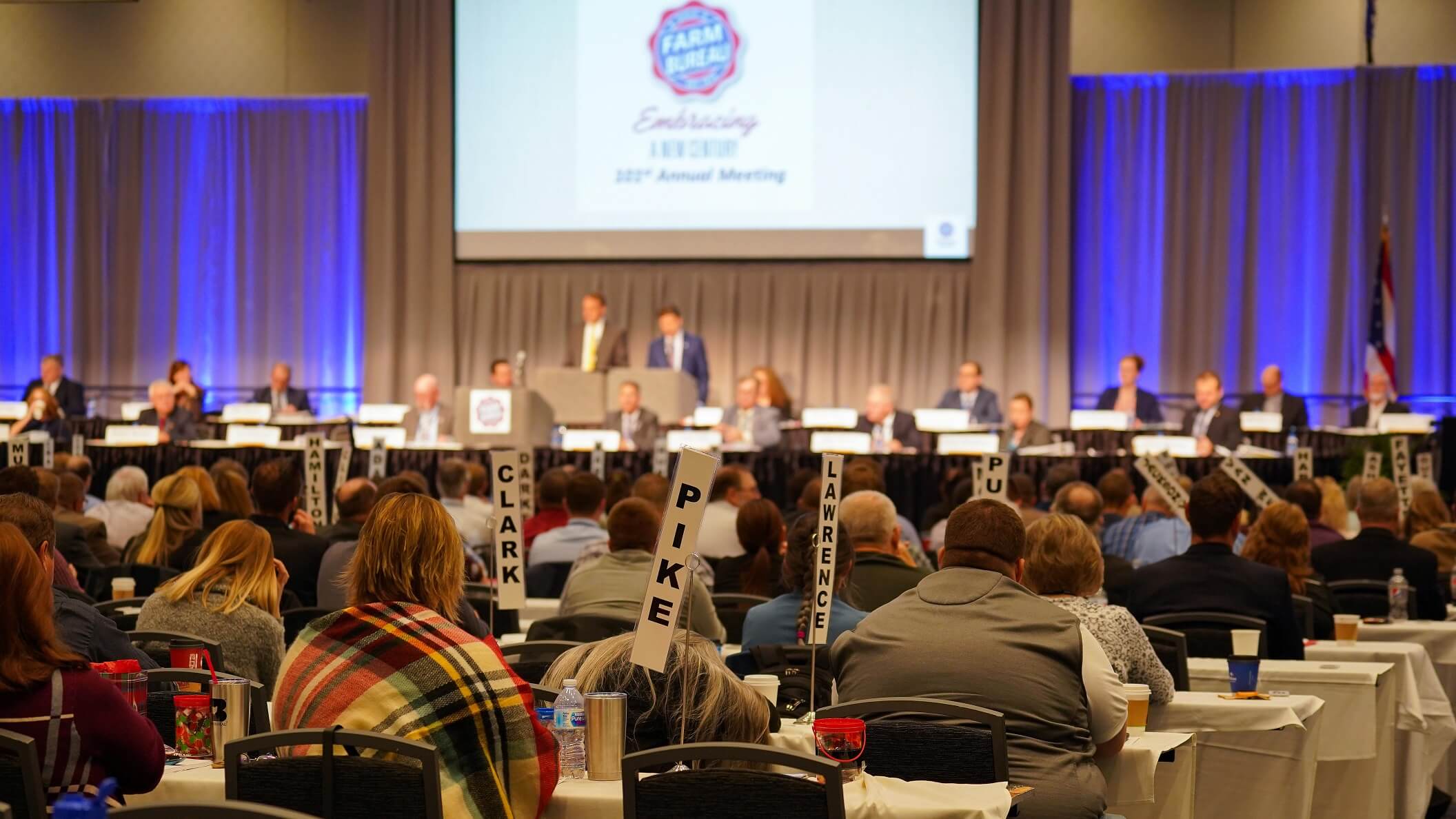
Leah Curtis [00:05:14] Well, many people know we just had our annual meeting and so our membership did have the opportunity to discuss and parse out a lot of positions and discussion about all types of issues. But of course, property taxes was one of them. Our delegates really spoke strongly that they support property tax reform with that consideration for protecting agriculture and particularly considering what the response might be to changes in property tax, making sure we limit any increase in tax burden to agriculture. Keep in mind, CAUV is very important. It is a property tax program, but it is also a farmland preservation program, and it provides a lot of protection for farmland in that way. And then the delegates also voted to oppose the complete elimination of property tax due to concerns about the unknowns, about the potential to increase agriculture’s overall tax burden, what that impact on rural communities would be, and then the loss of local control, because, of course property taxes generally are voted on by you locally as opposed to things that would be voted on at the Statehouse.
Ryan Matthews [00:06:22] Can you give us just a little more context on the discussion around opposing the elimination of property tax and the support for reform?
Leah Curtis [00:06:30] So keep in mind, if you haven’t been to our annual meeting, we have delegates, we have almost 400 delegates representing all 88 counties. They had a lot of great discussion on these issues and a few things really stood out. So first is CAUV, as I said, is a property tax program, but ultimately a farmland preservation program. Without that program and the possibility of being the only state in the nation that would not have property taxes, it could easily result that Ohio farmland would become more expensive and more scarce. We really could become a target, more of a target for development at that point. And then delegates continue to discuss what is the response going to be if property taxes are truly eliminated? How would funds for local services, for local fire, local police and for schools be replaced? Ultimately a concern that would that result in a higher overall tax burden for agriculture through some sort of increase in sales or revenue taxes of some sort. So those unknowns really resulted in that stance on the elimination, but still recognizing and wanting to work toward reform to tighten up those property taxes. We as farmers experience property taxes significantly and they are certainly an issue that we’re concerned about. But we want to strive to preserve that local control, preserve those local services, and balance that with the affordability of property taxes.


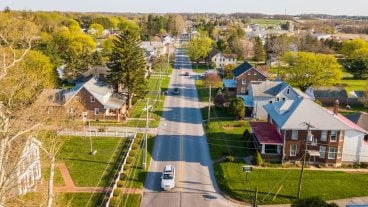
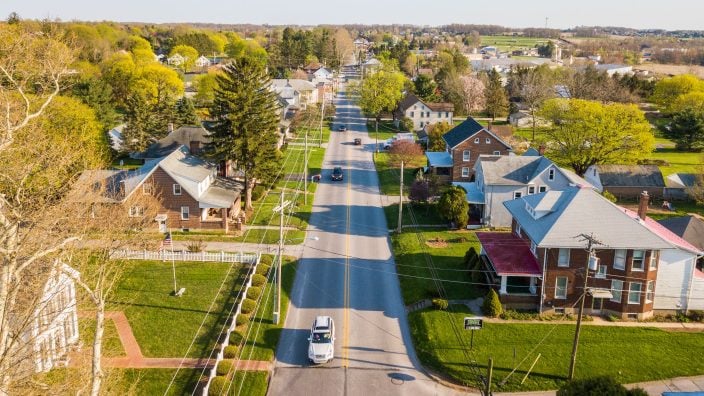
Leah Curtis joins this Legal with Leah to talk about what data centers mean for local communities and how to stay engaged in the development process
Read More
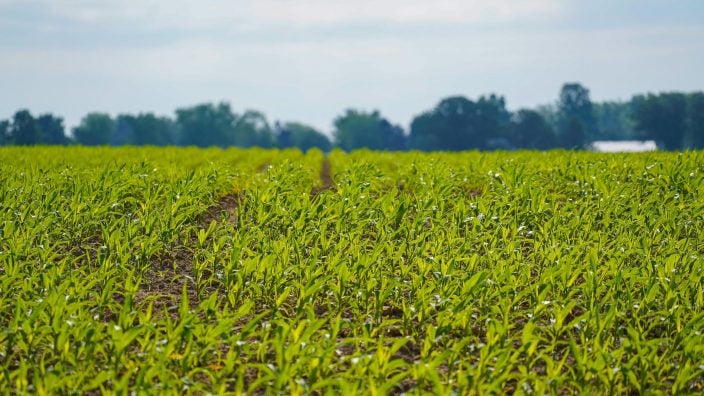
Ohio Farm Bureau advocated for a change in the law to allow family members and employees to handle pesticides while under the supervision of a licensed applicator. The rules around HB 10 are being finalized.
Read More
Four property tax reform bills were signed into Ohio law at the end of 2025. Ohio Farm Bureau Associate General Counsel Leah Curtis breaks down the bills and what the changes mean for Ohioans.
Read More

Learn what the requirements are to legally fly a drone in Ohio as well as steps the Ohio Legislature has taken in terms of security concerns.
Read More

In 2025, about 21 counties are going through a reappraisal or update, and because Ohioans pay taxes one year behind, they will see new property tax bills in January 2026.
Read More
Any unlicensed handlers who use restricted use pesticides will need to have additional training. Farm Bureau will be working on legislation to give employers a choice on how to provide training.
Read More
Current Agricultural Use Value is often discussed as a farmland preservation tool, but there are some other tools in the law that landowners can consider.
Read More
Update: As of Feb. 27, 2025, the Financial Crimes Enforcement Network announced no fines, penalties or enforcement action will be taken against companies based on failure to file or update BOI by March 21.
Read More

Update: As of Feb. 27, 2025, the Financial Crimes Enforcement Network announced they would not issue any fines or penalties or take enforcement action against companies based on failure to file or update beneficial ownership information reports by the March 21, 2025, deadline.
Read More

Update: As of Feb. 27, 2025, the Financial Crimes Enforcement Network announced they would not issue any fines or penalties or take enforcement action against companies based on failure to file or update beneficial ownership information reports by the March 21, 2025, deadline.
Read More