



The farm hazards we don’t see
Gases, vapors, and fumes can all create risk. How can we measure and protect ourselves from them?
Read MoreEveryone knows that farms can be dangerous places. Grain in bins, ladders, and animals are all things we can see that might pose a risk. What about the things we don’t see? Gases, vapors, and fumes can all create risk, too. How can we measure and protect ourselves from them?
If you have animals, you have manure. And if you have manure, you have methane. To paraphrase the old adage by Paracelsus, “The dose makes the poison.” Methane in small quantities is not a high risk. The tricky part is knowing when there is too much methane in the air that we breathe. Too much, and without warning, your life could be at stake.
There are things that increase methane concentrations. One is a confined space, like inside a manure pit. Concentration increases because there is not as much air circulation as in an open field. Agitation can also cause an increase in methane. If the manure has been sitting undisturbed and it becomes agitated, such as someone walking through it, removing a pump, or moving it to a new location, the methane that was under the surface is now released into the air where it can be inhaled.
The only real way to know whether the methane concentration in the air is dangerous is by measuring it with a gas meter.
When silage is put up, whether in silos or bunkers, silage gas will be given off for a period of time afterward. Sometimes, a green exhaust can even be seen. Don’t breathe the green air! This air can contain a lot of different chemicals, but most notably, nitrous oxides. Like methane, without warning, this can be instantly life-threatening.
Again, it’s impossible to know what the concentration is unless you measure it with a gas meter. So, stay away from silage until measurements have been taken and you know the area is safe.
Carbon monoxide is another gas that is common around farms. It is produced by all internal combustion engines, whether on your vehicle, a farm tractor, or a generator. It’s also produced by space heaters like salamanders that run on propane or kerosene. Using these engines or heaters outdoors rarely causes problems, but if you run one in your barn or shop on a cold winter day and close all the doors to keep the heat in, you may start to notice a headache or nausea. Thankfully, this gas gives you a little more warning and you have time to get to fresh air if you heed the warnings.
Because these hazards are present all the time on farms, it is easy to become complacent around them, so please remember that if the concentration is high enough, they can be deadly. The only sure way to know the concentration is to measure, but keeping these guidelines in mind may help you identify when it is either necessary to measure or just stay away.
To learn more about workers’ compensation coverage in Ohio, apply for coverage, or take advantage of BWC’s safety services, visit bwc.ohio.gov or call 800-644-6292.


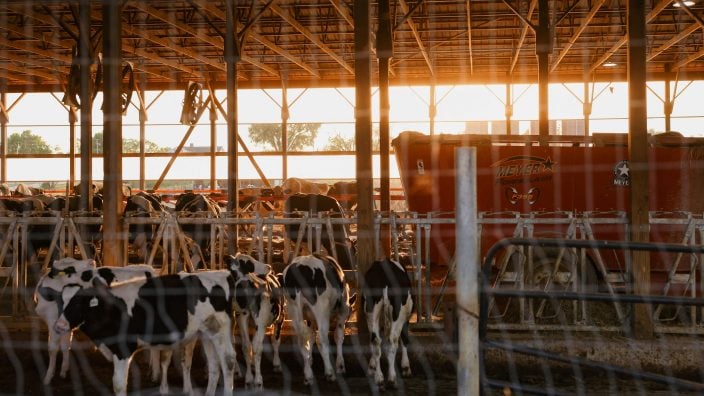
Gases, vapors, and fumes can all create risk. How can we measure and protect ourselves from them?
Read More
Ohio Bureau of Workers’ Compensation joins the podcast to explain how common gases pose an unseen risk in agriculture
Read More

On this episode of the podcast, we are joined by Ohio Bureau of Workers’ Compensation to talk about noise-induced hearing loss within agriculture.
Read More
Ohio BWC industrial hygienists, safety consultants, and ergonomists can visit your farm, help spot risks, and suggest improvements that make a real difference.
Read More
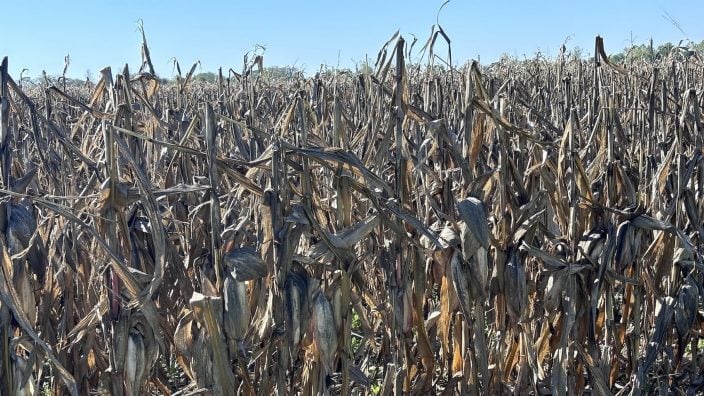
On this Ohio Farm Bureau podcast, we talk about ergonomics in agriculture with Mona Weiss and get an updated forecast from Dr. Aaron Wilson.
Read More

Farming is the backbone of our food supply—providing safe, healthy food for families across the world—but it can take a…
Read More
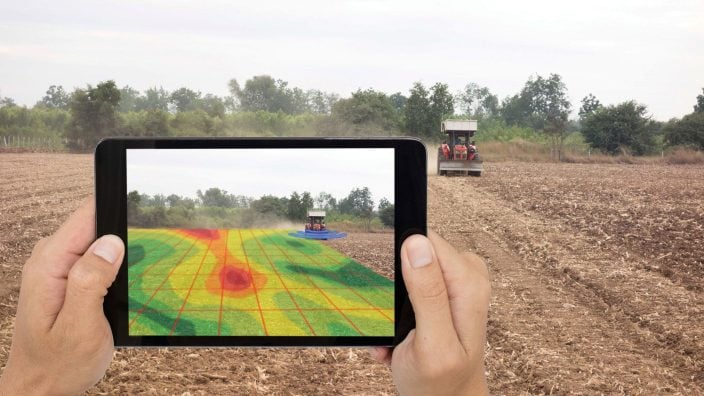
Learn how Ohio State’s eFields is transforming digital agriculture and get some very helpful tips from Ohio Bureau of Workers’ Compensation when it comes to how to combat heat stress.
Read More
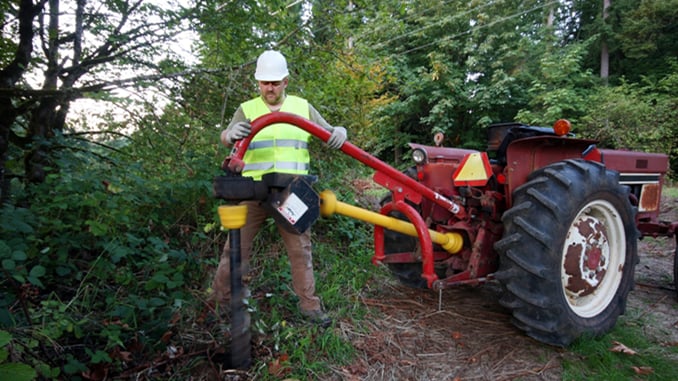
How do we reduce the risks to operators and family members who work with, and near PTO-driven equipment?
Read More
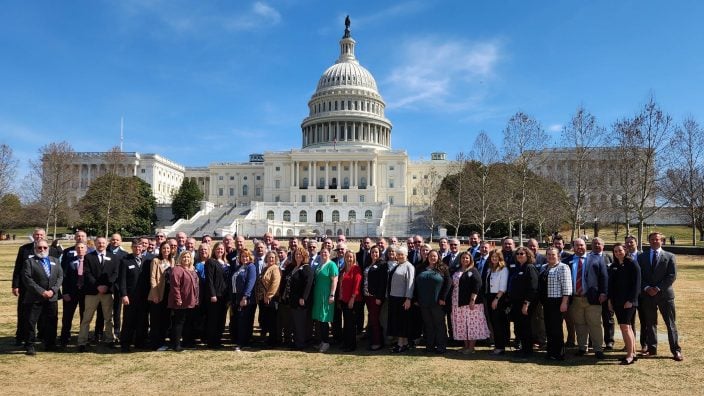
On this Ohio Farm Bureau Podcast, get a full recap of the Country Presidents’ Trip to D.C. and a preview of the 2025 Ohio Safety Congress & Expo.
Read More
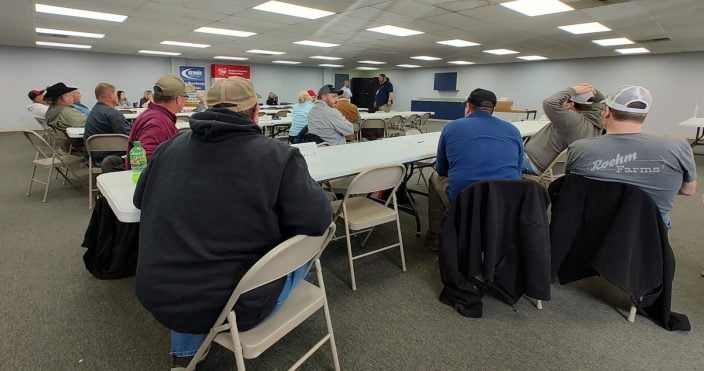
This meeting fulfilled the training requirement for the Farm Bureau group rating program, helping employers better understand workers’ compensation coverage and safety practices.
Read More