

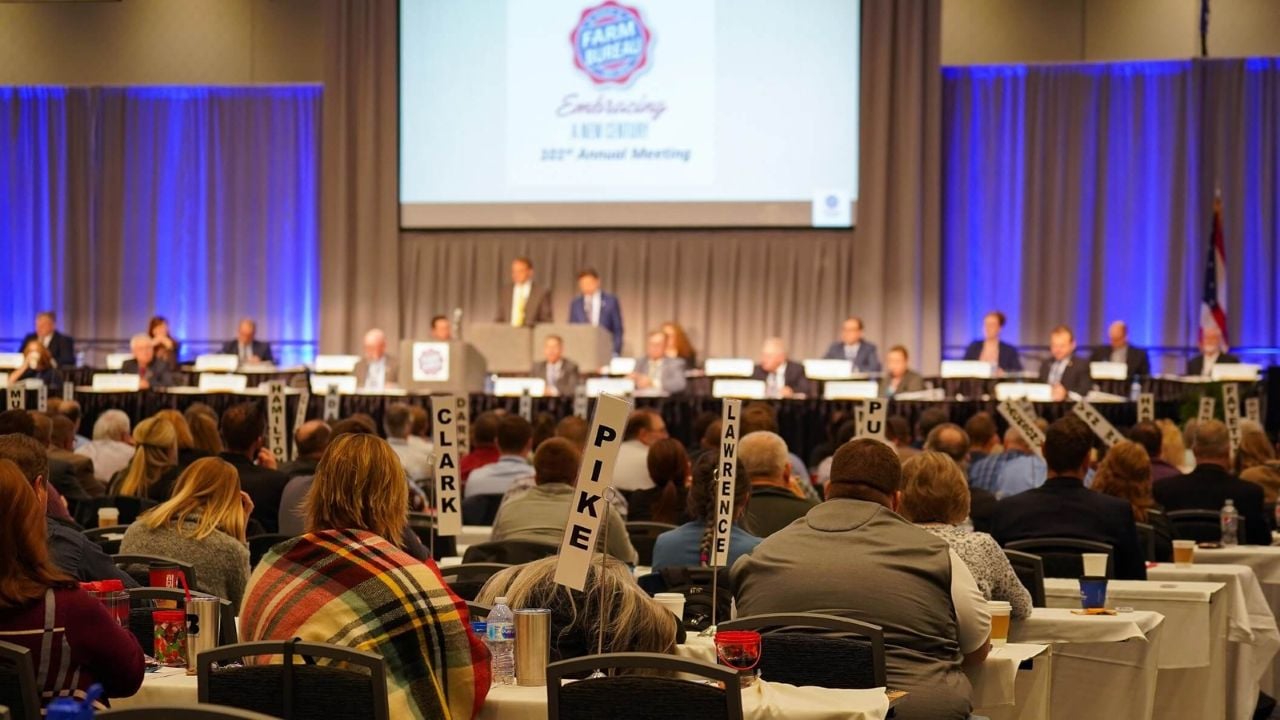
National Farm Safety and Health Week: Safety today, success tomorrow
By prioritizing safety and health, you protect yourself and those around you, reduce downtime, and ensure your operation runs smoothly.
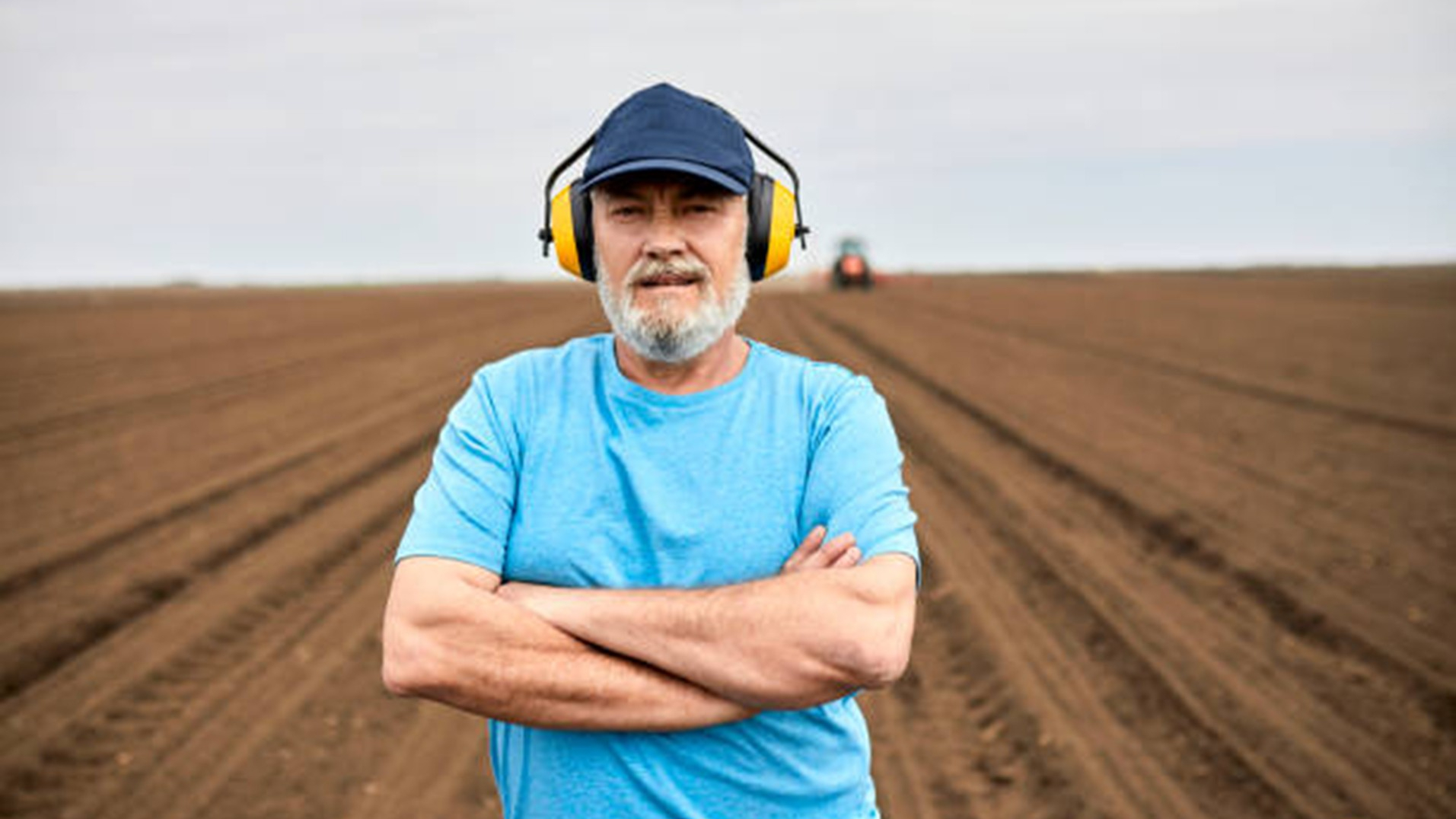
Read MoreFarming is one of America’s noisiest jobs, yet many workers are unaware of the lasting hearing damage it can cause. Daily exposure to loud machinery and livestock operations can lead to permanent damage and trigger noise-induced hearing loss (NIHL).
Farm workers face prolonged noise exposure without mandated breaks or hearing protection. Unlike factory workers, there aren’t specific regulations from Occupational Safety and Health Administration (OSHA) regarding occupation noise exposure (29 CFR, 1910.95).
Some examples of hazardous noise in farming are:
Grain handling equipment like augers, elevators, and dryers can reach 110 decibels, with enclosed facilities amplifying noise. Diesel-powered machinery—especially older tractors and combines—exposes workers to prolonged high-decibel noise. Animal operations also have noise exposure risk. Maintenance tasks like welding, grinding, and chainsaw use generate intense bursts of sound, especially indoors. Combined exposure to noise and ototoxic chemicals, chemicals shown to cause hearing loss, such as herbicides and pesticides can worsen hearing loss. Elevated noise levels also increase the risk of hearing injury and stress.
Regular maintenance schedules help keep equipment running quietly.
Consider noise levels when buying equipment – many manufacturers now design for quieter operation.
Schedule loud tasks during low-exposure periods and rotate workers to reduce individual noise exposure.
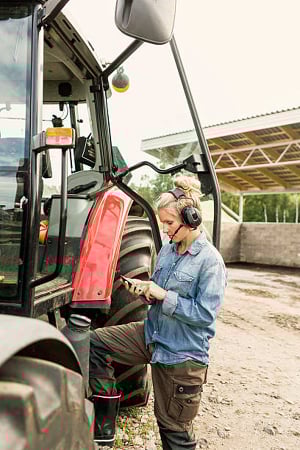 Assess noise levels throughout your property, identifying the loudest areas and activities.
Provide appropriate hearing protection for each type of work and provide training to all staff.
Make hearing protection available to all employees including foam earplugs, earmuffs, and molded earplugs.
Check the noise reduction rating (NRR) of your selected hearing protection. NRR is a rating method to determine how much the overall noise level is reduced by the hearing protection device. The higher the NRR, the better it will protect you if you wear hearing protection correctly. There are many documents and videos showing you how to use hearing protection correctly.
The Ohio Bureau of Workers’ Compensation (BWC) Office of Safety Services is here to help, offering resources as a part of your BWC Policy. Our industrial hygienists, safety consultants, and ergonomists can visit your farm, help spot risks, and suggest improvements that make a real difference.
Reach out today to request a consultation or learn more at bwc.ohio.gov. Let’s work together to keep Ohio’s farm workers safe, healthy, and thriving.



By prioritizing safety and health, you protect yourself and those around you, reduce downtime, and ensure your operation runs smoothly.
Read More
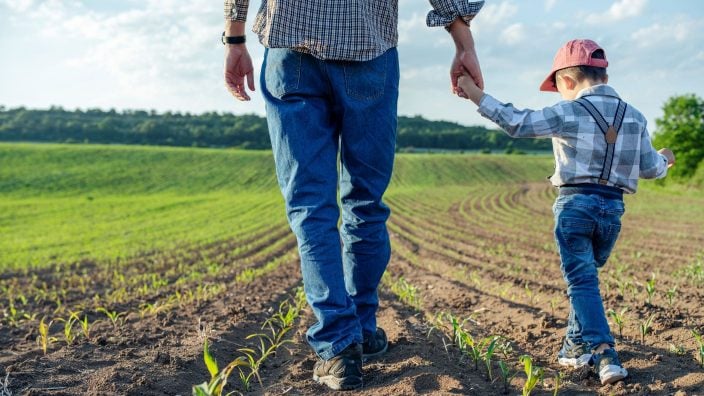
Every job on the farm is important, but making it home safely is the most important. Making safety part of every task, prevents injuries, reduces downtime, and keeps your operation moving forward all season.
Read More

Guests from Ohio Bureau of Workers’ Compensation and the Agricultural Navigator Program discuss the challenges facing farm families, the importance of support systems and the resources available across rural Ohio.
Read More
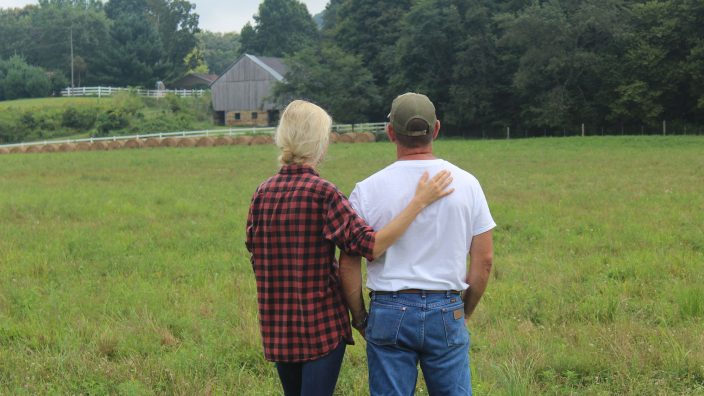
Ohio needs its farmers — and supporting their mental health is essential to sustaining both the industry and the people who make it thrive.
Read More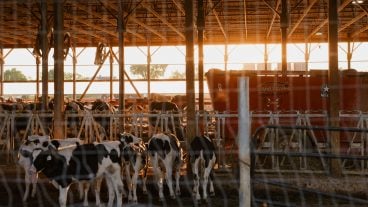
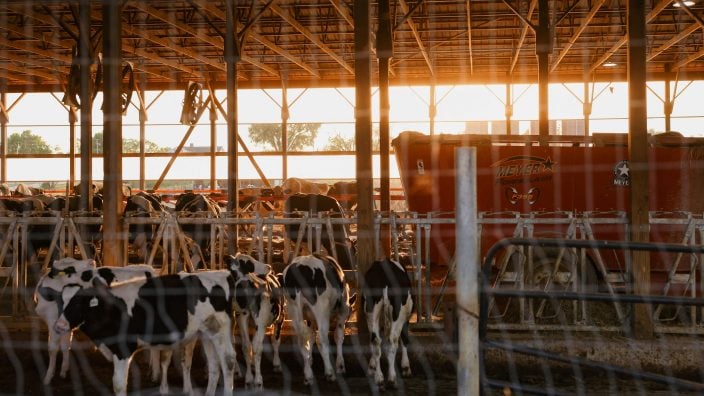
Gases, vapors, and fumes can all create risk. How can we measure and protect ourselves from them?
Read More
Ohio Bureau of Workers’ Compensation joins the podcast to explain how common gases pose an unseen risk in agriculture
Read More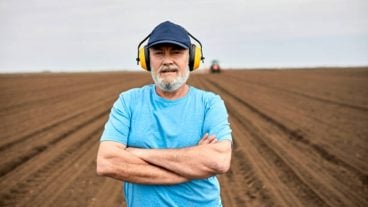
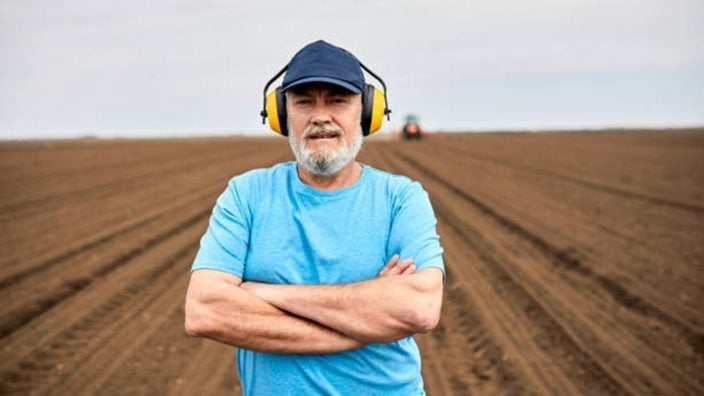
On this episode of the podcast, we are joined by Ohio Bureau of Workers’ Compensation to talk about noise-induced hearing loss within agriculture.
Read More
Ohio BWC industrial hygienists, safety consultants, and ergonomists can visit your farm, help spot risks, and suggest improvements that make a real difference.
Read More
On this Ohio Farm Bureau podcast, we talk about ergonomics in agriculture with Mona Weiss and get an updated forecast from Dr. Aaron Wilson.
Read More

Farming is the backbone of our food supply—providing safe, healthy food for families across the world—but it can take a…
Read More