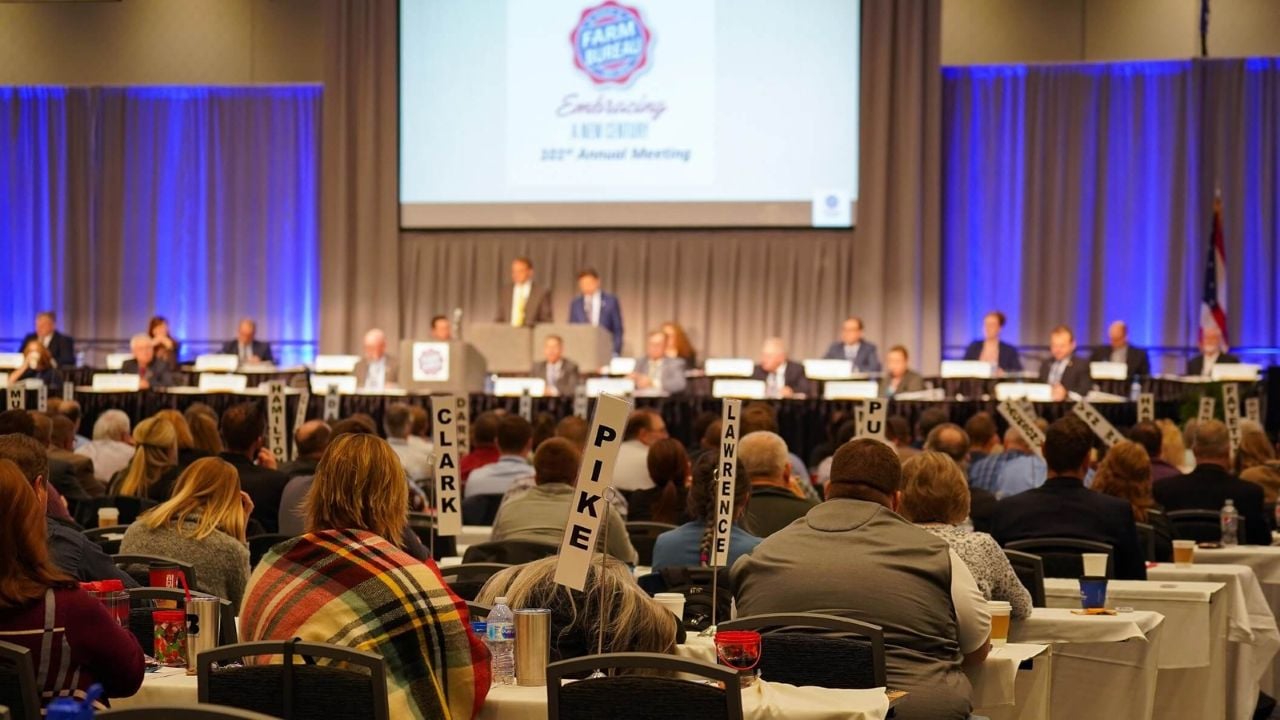
Danielle Burch East Palestine meeting
Danielle Burch
Burch

There are days when I leave my classroom and head straight to a Farm Bureau meeting, and I’m reminded that my two worlds have far more in common than most people would imagine.

As a government teacher, I spend my days talking with students about our nation’s founding. We discuss the Declaration of Independence, the Constitution, the debates and compromises that shaped our republic.

Somewhere during those conversations, I always try to help my students understand one simple truth: history wasn’t made by crowds. It was made by a surprisingly small group of people who were willing to step forward.

When I talk about the Constitutional Conventions, that lesson comes alive for me. I enjoy the moments during these lessons when my students say things like “It was only a few guys” or “I can’t imagine thinking I could change the course of history.”

That is what those men did. They made a nation that is worth the fight; and I don’t just mean those who have served their country, I mean the dedicated, quiet efforts of noble minds working every day to make their slice of America that much better.

The men who came together all those years ago weren’t celebrities. They didn’t have polling data or guarantees of success. They certainly didn’t know how history would remember them. They simply believed they had a responsibility to leave something better than what they had inherited.

That thought has stayed with me.

Maybe it’s because, when I’m not in the classroom, I’m sitting around a very different table with members of the Ohio Farm Bureau state board.

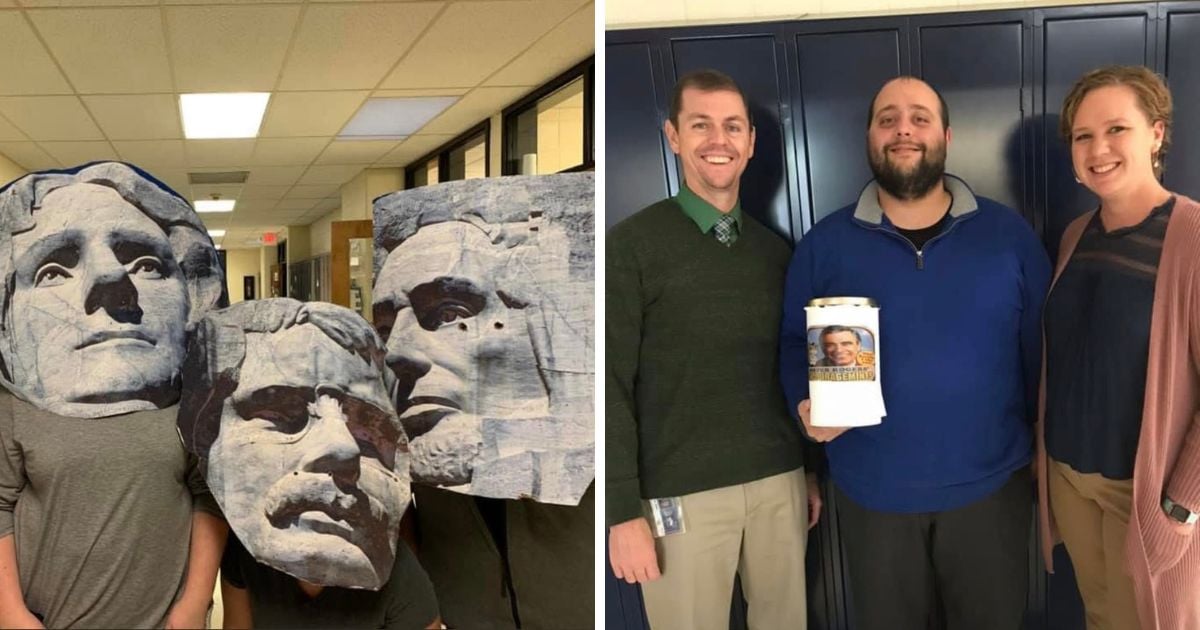
Danielle Burch at school
At left, Burch is behind the President Roosevelt Mount Rushmore cutout for a Halloween costume day at school. At right, she and fellow social studies teachers celebrate Mr. Rogers Kindness Day in May, and every Monday during the school year all three wear “Kindness Ninja” shirts.

On the surface, those two worlds couldn’t seem more different. One is filled with teenagers asking questions about a government created nearly 250 years ago. The other is made up of farmers from across Ohio wrestling with today’s challenges and tomorrow’s opportunities.

But the longer I’ve served in both roles, the more I’ve realized they have something important in common.

Neither our country nor Farm Bureau became what it is because everyone showed up on Day One. Both began because a relatively small group of people decided they weren’t content to simply watch events unfold. They chose to participate. They chose to serve.

As I look around our Farm Bureau meetings, I often think about how easy it would be to underestimate the significance of what happens there.

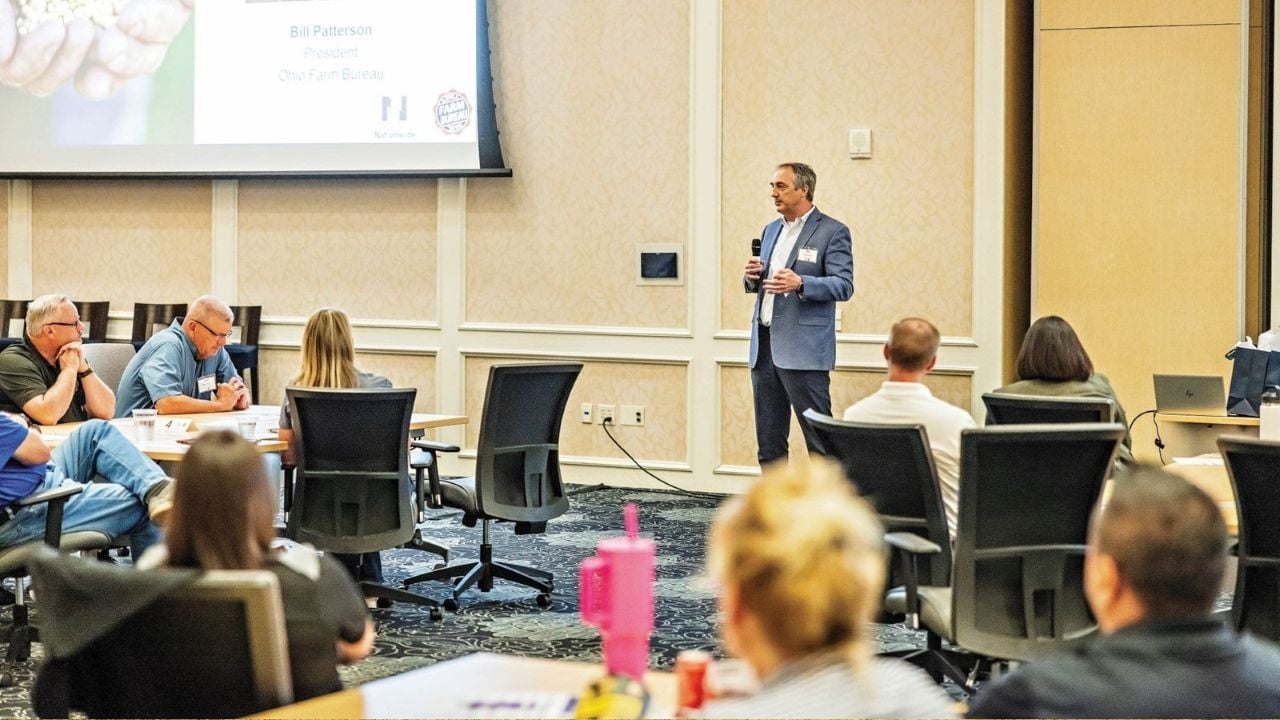
It’s just neighbors around a table. Conversations. Disagreements. Ideas. Votes. Volunteers willing to give up an evening after a long day on the farm.

It doesn’t feel historic.

I’m guessing the meetings in Philadelphia didn’t always feel historic either.

History has a funny way of making ordinary moments seem extraordinary—but only after enough time has passed.

That’s one of the lessons I hope my students carry with them after they leave my classroom. Citizenship isn’t something we practice every few years at the ballot box. It’s something we live every day. It looks like volunteering. It looks like serving on a board. It looks like attending a township meeting, coaching a/ 4-H club, helping a neighbor bale hay or speaking up for agriculture when someone else can’t.

Those acts may never make the history books, but they matter.

In Farm Bureau, we often talk about grassroots leadership. That phrase gets used so often that it’s easy to overlook what it really means. Grassroots isn’t just an organizational structure. It’s a belief that good ideas don’t have to come from the top. They often begin around kitchen tables, in county meetings or over coffee after church. They begin with people who care enough to raise their hand and ask, “What can I do?”

That’s how organizations last for more than 100 years.

It’s also how communities stay strong.

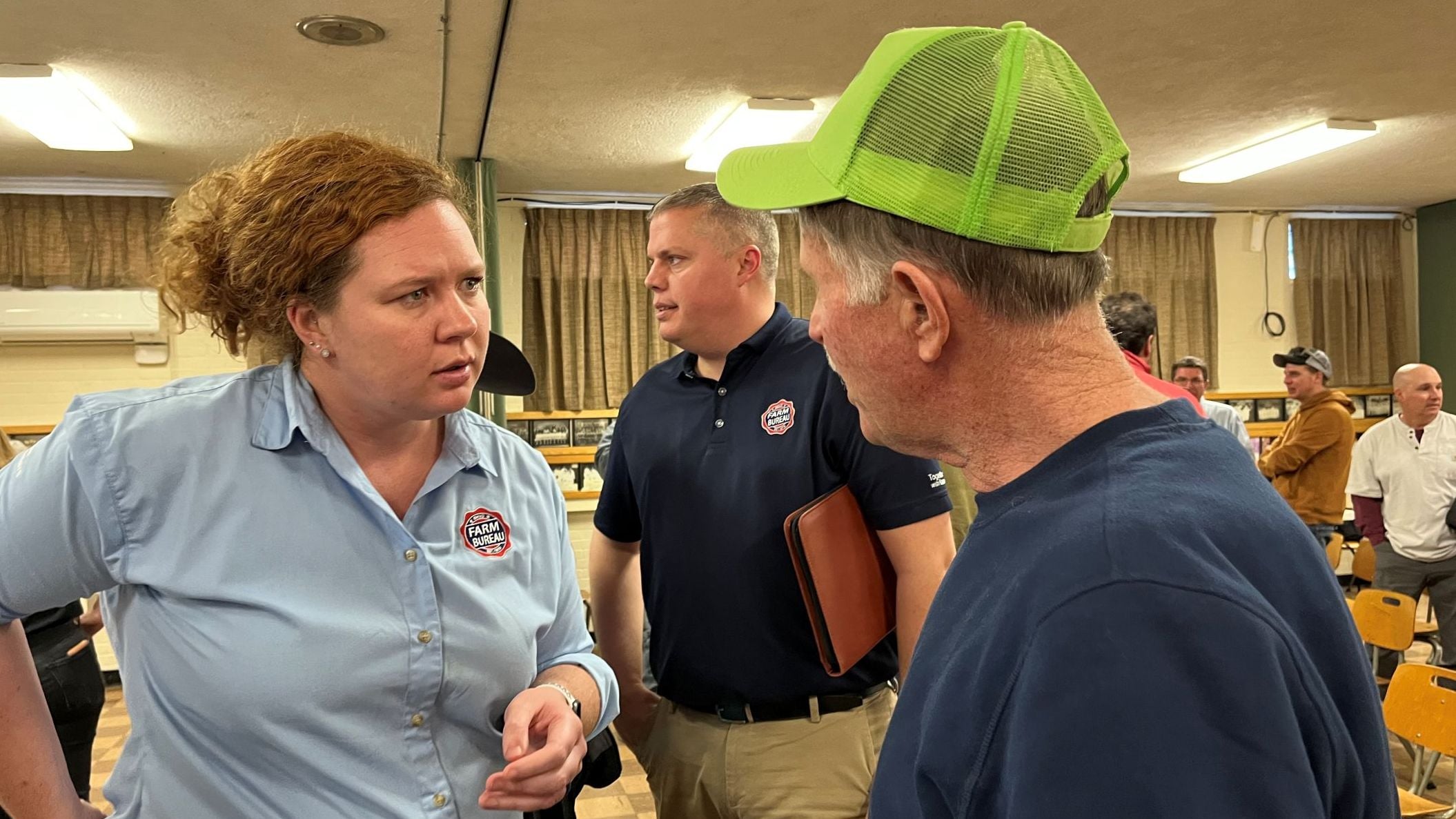
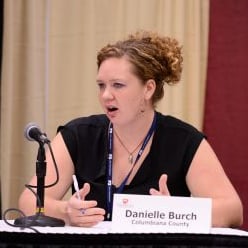
Danielle Burch Discussion MeetAs I’ve grown in both my career and my service, I’ve become less interested in celebrating only the big accomplishments. I’ve come to appreciate the quiet faithfulness of people who simply keep showing up. The county Farm Bureau volunteer who has organized the same event for years. The teacher who stays after school to help a struggling student. The township trustee who rarely gets thanked. The young farmer who says yes to serving on a committee for the first time.

None of them may think they’re making history.

But neither did most of the people who came before us.

Every semester, I remind my students that our government only works when ordinary citizens choose to participate. Every Farm Bureau meeting reminds me the same is true for agriculture.

The next generation isn’t just learning from what we say. They’re watching what we choose to do.

Maybe that’s how every lasting movement begins—not with a crowd, but with a few people willing to serve. And maybe that’s the legacy worth passing on.

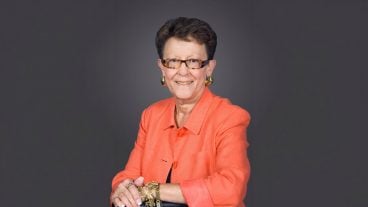
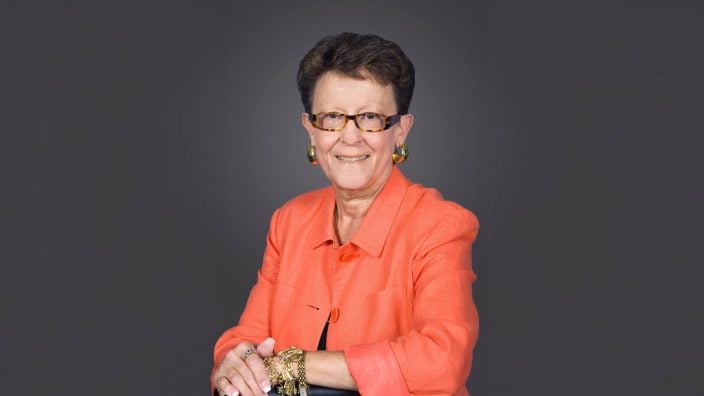
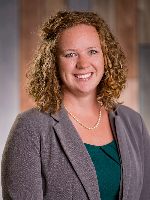
Columbiana County Farm Bureau member Danielle Burch teaches government at United Local High School in Hanoverton, Ohio, and is the Ohio Farm Bureau Board Trustee for District 9 in northeast Ohio.

My first recommendation in your journey is to start out with a local farming friend or mentor along with joining an organization like Ohio Farm Bureau.
Greg McGlinch's avatar
Greg McGlinch

Darke County Farm Bureau

We’re just so thankful for the Farm Bureau and the foundation for helping put this together. And of course, the Boyert family for the vision they had with this grant. It’s jumping us forward 10 years. It’s unbelievable.
Nathan and Jill Parriman's avatar
Nathan and Jill Parriman

Clermont County Farm Bureau

I could not have done it without the resources I have found through Farm Bureau.
Gretchan Francis's avatar
Gretchan Francis

Trumbull County Farm Bureau

It wasn’t until I joined the Wilmington College Collegiate Farm Bureau that I truly saw how my passion could translate into leadership, advocacy and a career.
Wyatt Morrow's avatar
Wyatt Morrow

Clinton County Farm Bureau

The issue of property taxation remains as one of the biggest challenges our members face today. Ensuring agricultural property is valued for its agricultural potential and not development is critical to the continued success of Ohio agriculture.
Matt Aultman's avatar
Matt Aultman

Darke County Farm Bureau

Through the Select Partner program, we became educated in farm insurance and weren't just selling policies. It became more and more clear why farmers need an advocate like Ohio Farm Bureau.
Chad Ruhl's avatar
Chad Ruhl

Farm manager, CSI Insurance

So many of the issues that OFBF and its members are advocating for are important to all Ohioans. I look at OFBF as an agricultural watchdog advocating for farmers and rural communities across Ohio.
Mary Smallsreed's avatar
Mary Smallsreed

Trumbull County Farm Bureau

Suggested Tags: