Leaving a legacy through a designated gift
A beneficiary designated gift can leave a lasting legacy using assets like pensions, investments, bank accounts, or life insurance policies.
Read MoreThey require individuals to sacrifice personal comfort for the collective good. While the military serves as a shield, protecting citizens from external threats, farming serves as the lifeblood, quietly securing the food supply and ensuring our nation’s survival from within.
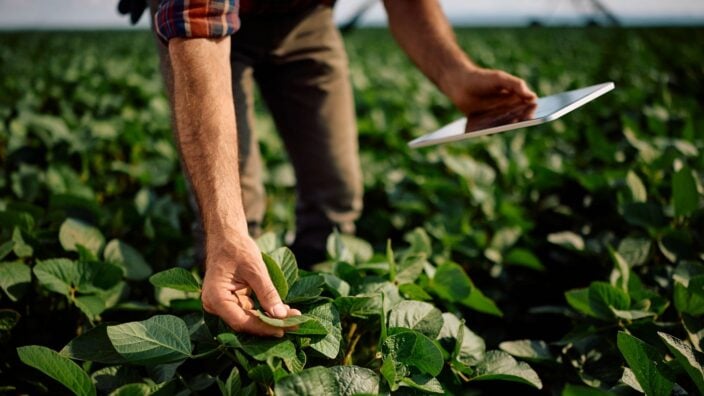
Both demand grueling physical labor, a commitment to duty and a willingness to work long hours, often in hostile conditions. The soldier and farmer share a bond: One defends the land, while the other nurtures it, and neither a community or a nation can endure without the sacrifice of both.
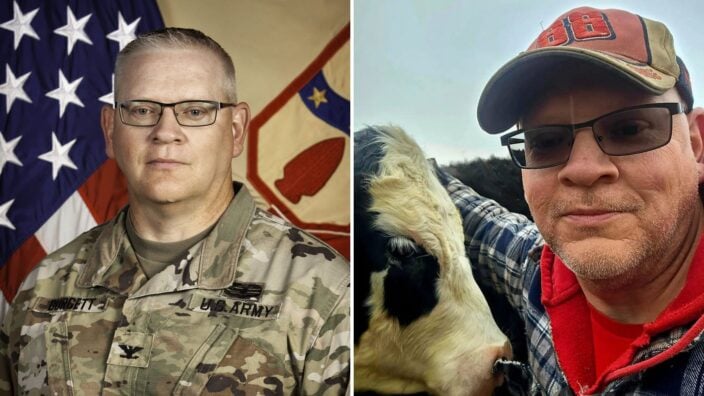
Like many citizen soldiers, veterans and farmers, I have worn many hats throughout my career. To understand why I continue to serve in the Ohio Army National Guard and farm; I must tell you a little bit about my beginnings.
I grew up on a small dairy farm in Ashtabula County during the 1970s and 80s. When I graduated from high school, I had no interest in farming. I was headed to The Ohio State University but quickly realized the financial aid I was receiving was not enough to cover my tuition, room and board, and student loans would be the only way to remain in school.
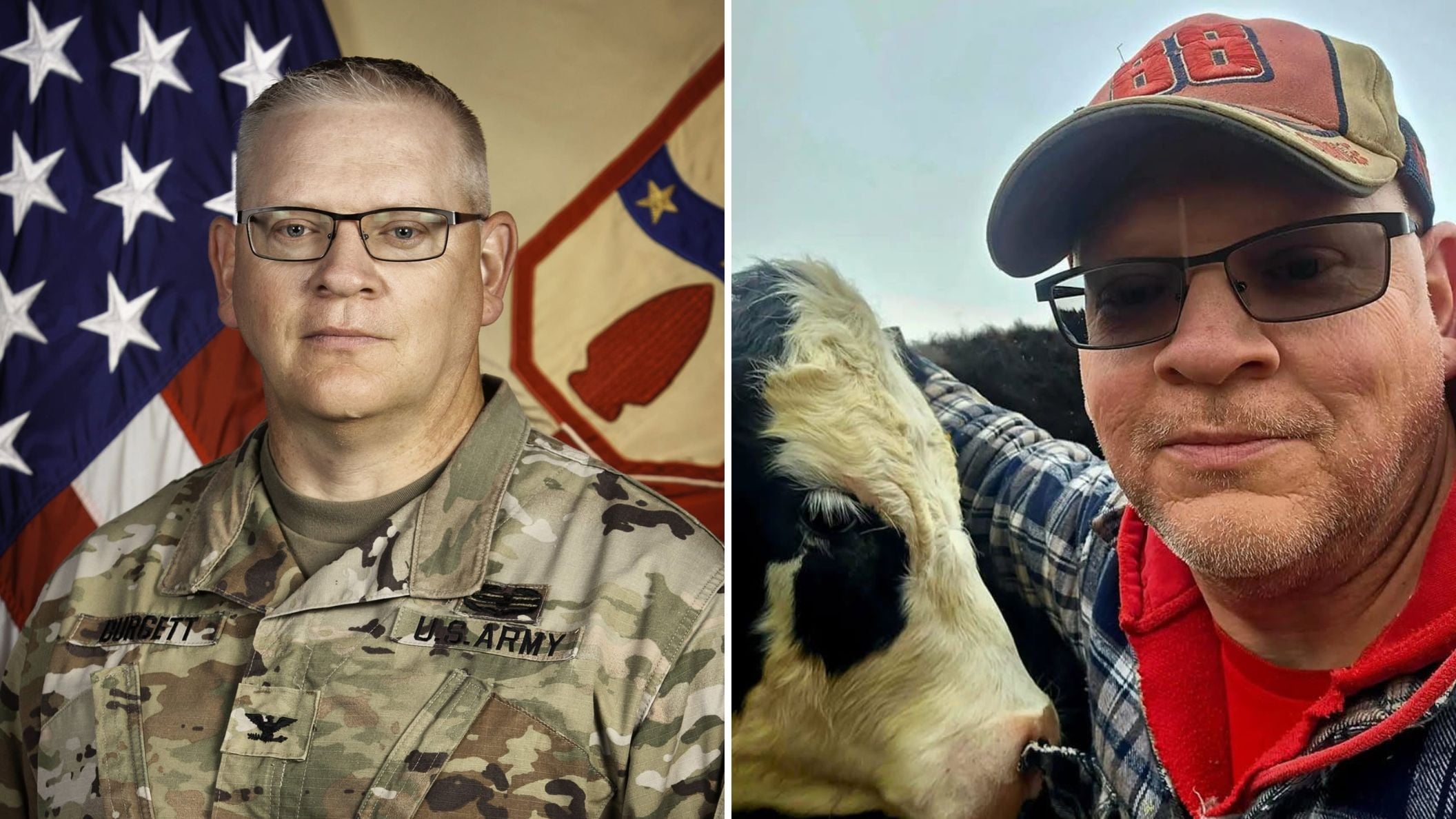
After my freshman year, I contacted an Army National Guard recruiter and enlisted. I planned to use the National Guard’s tuition assistance program, GI Bill and student loan repayment programs and complete my six-year enlistment and get out. I received my degree and 35 years later, I am still serving in the Ohio Army National Guard, as the Commander of the 147th Regiment Regional Training Institute where we train the Army’s future leaders. My officer career, and to many extents my life, has been defined by the Global War on Terror. I have deployed a total of five times to combat zones in Afghanistan and the Middle East.
Why do I continue to serve after so long? I love being around America’s finest sons and daughters. Young people who come from every corner of the state and every walk of life to join together to work towards common goals is very motivating to me. Being a part of something larger than yourself is extremely rewarding, especially in today’s
divided world.

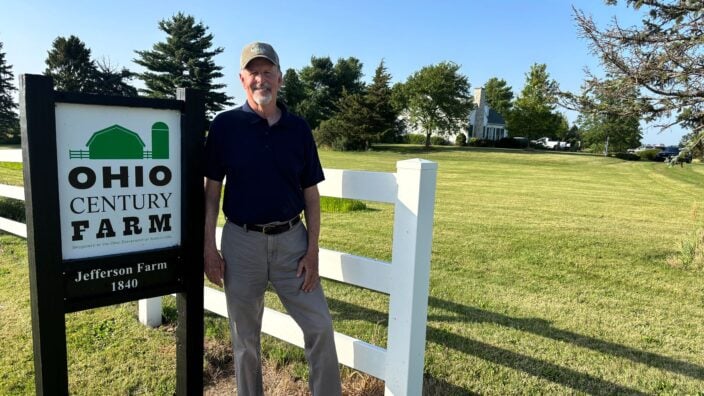
My wife of 30 years is a horse person, and for the 24 years we lived in Columbus we mucked stalls at various barns to pay for her horses’ board rents. Eventually, a plan was formed to move back to what remained of the family farm. To save enough money to make the move possible, I completed back-to-back overseas deployments. Over a 30-month period, I was in training or deployed for 25 months. Following those deployments, we built a house and horse barn, and on New Year’s Eve 2014 we made the move.
Over the next 12 years, our plans for the farm formed. We started with 16 chickens and began to sell the extra eggs to family and friends. We made our own hay for our horses and began selling the extra small square bales to other horse owners in the area. I created a farm Facebook page and advertised our products on social media. I also began researching farm grants and organizations that could help us expand.
That is when I discovered the Farmer Veteran Coalition and discovered a connection between military service and farming. The mission of FVC is to mobilize veterans to feed America with the goal of cultivating a new generation of farmers and food leaders and develop viable employment and meaningful careers through the collaboration of the farming and military communities.
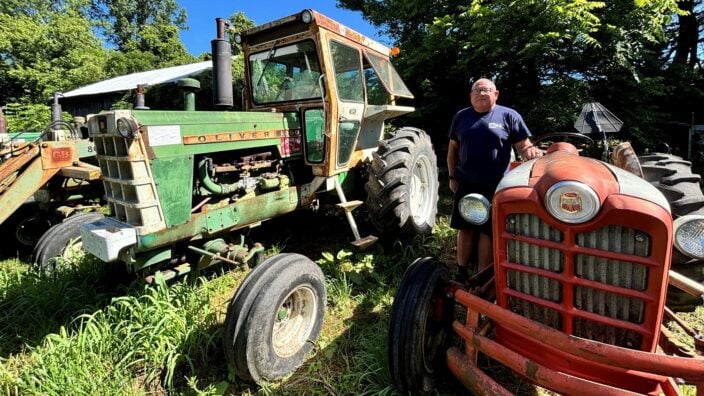
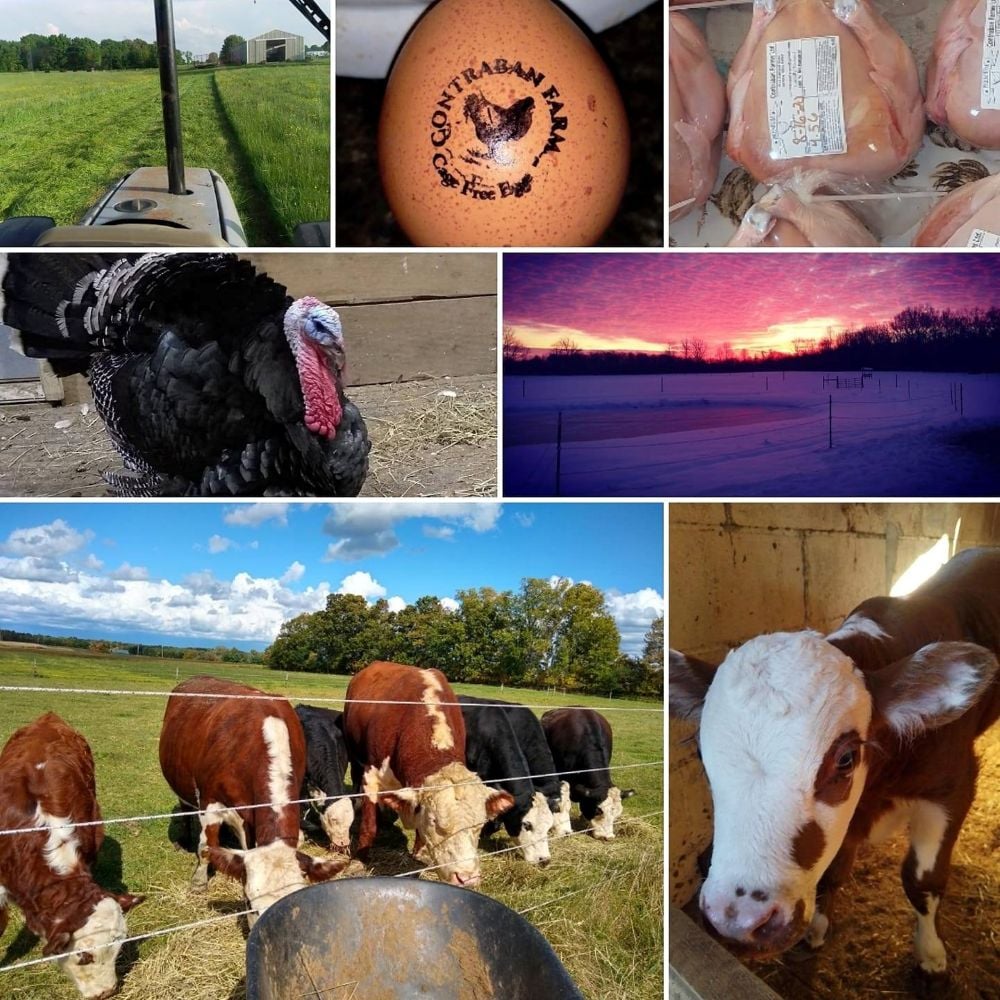
In 2018, I applied and was awarded a $3,000 grant from the Farmer Veteran Fellowship Fund to purchase beef cows. My neighbor was downsizing his herd, and with that grant I was able to purchase four breeding beef cows. This year, we are on our seventh set of calves. We raise our calves from birth until finished and sell quarters and sides of freezer beef direct to customers.
We have expanded our flock to 150 layer chickens. We raise and process on the farm 100-200 pastured broiler chickens during the summer, and 25 turkeys for Thanksgiving, as well as sell small square hay bales. All our sales are through social media and word of mouth. We have more customers than we have products to sell…a good problem to have.

My advice to the next generation of veterans interested in starting a farm or returning to agriculture after their service is to seek out organizations like FVC where you can network and get advice and support from fellow farmer veterans. Don’t hesitate to reach out to your local Extension office through OSU or Central State University and take advantage of the educational opportunities they provide.
Finally, as Simon Sinek says, “Start with Why.” Begin with a clear sense of purpose that inspires you and understand that sometimes you will need to sacrifice to get where you want to go. Farming is too hard not to be passionate about it. If you don’t love it, you are not going to be successful.
Ashtabula County Farm Bureau member Michael Burgett is owner of Contraban Farms, a colonel in the Ohio Army National Guard and president of the Ohio Chapter of Farmer Veteran Coalition (ohiofarmerveteran.org).
A beneficiary designated gift can leave a lasting legacy using assets like pensions, investments, bank accounts, or life insurance policies.
Read More
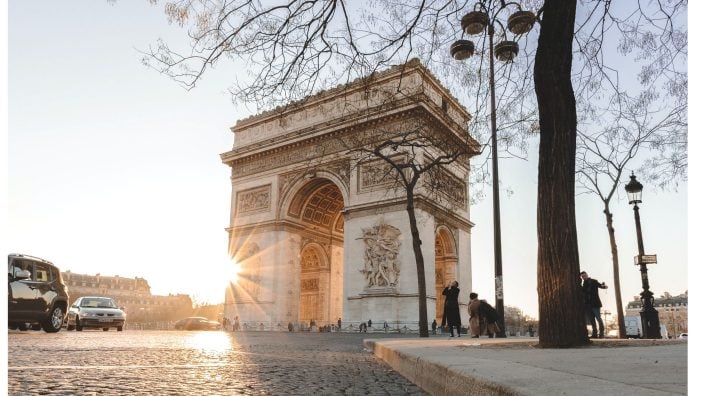
The France Magnifique tour is March 11-22, 2027. The early registration deposit deadline is Sept. 12 for spaces being held for OFBF members. After this date, space is offered on a first-come, first-served basis.
Read More
Founded by farmers in 1926, Nationwide has grown into a trusted partner for the agricultural community while staying true to its roots.
Read More
The soldier and farmer share a bond: One defends the land, while the other nurtures it, and neither a community or a nation can endure without the sacrifice of both.
Read More
KEY POINTS Joe Glassmeyer is a second-generation farmer from Felicity, Ohio, who manages a 515-acre row crop farm alongside his…
Read More
Citizenship isn’t something we practice every few years at the ballot box. It’s something we live every day.
Read More