





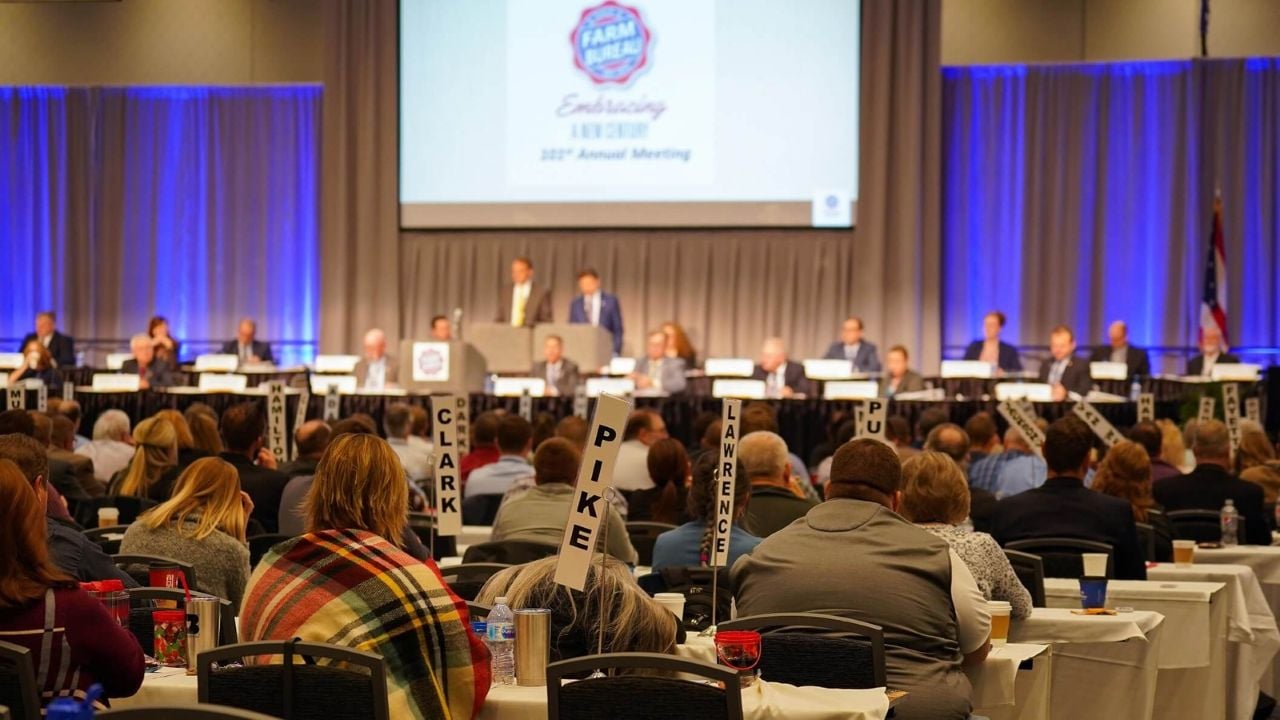
November/December 2026 Our Ohio
The theme of the November/December issue of Our Ohio magazine is health, safety and risk, and we explore all three in various ways.
Read MoreKey Points
________________________________________________________________________________________
First responder on-farm safety training is invaluable.
Emergencies can unfold in places and situations many firefighters, paramedics or police officers rarely encounter: inside a manure pit, alongside an overturned livestock trailer or miles from the nearest municipal fire hydrant.
At this year’s Farm Science Review in September, The Ohio State University College of Food, Agricultural, and Environmental Sciences helped first responders prepare for those moments through hands-on education in manure pit rescue, livestock emergencies, rural water access and firefighting.
The need is significant. Farm incidents claim 11 lives in Ohio each year, while another 2,100 serious injuries are reported annually to the Ohio Bureau of Workers’ Compensation, according to Dee Jepsen, agricultural safety specialist with Ohio State University Extension, CFAES’ outreach arm.
Two specialized, hands-on training sessions addressed high-risk agricultural emergencies: manure pit rescues in confined spaces and roadside livestock transportation accidents.
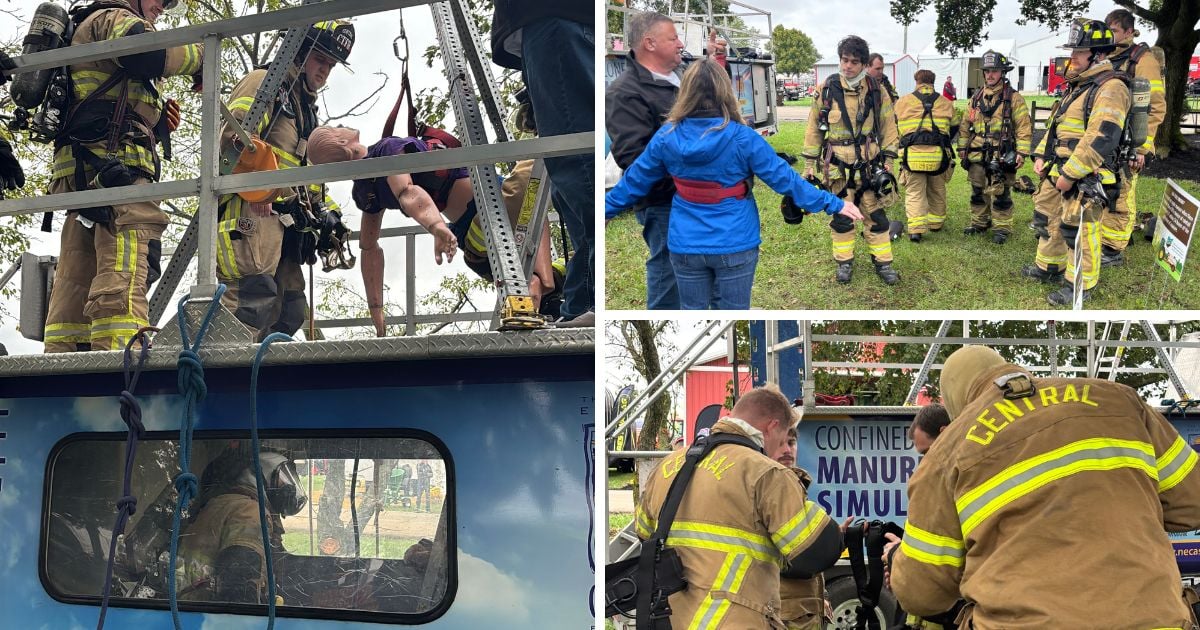
Led by Dan Neenan, director of the National Education Center for Agricultural Safety, the manure pit rescue and confined space training session guided firefighters, emergency personnel and local farmers through the hazards of manure storage facilities.
Participants learned air-quality monitoring techniques and practiced using body harnesses, lifelines and retrieval equipment designed for safe confined-space rescues.
“On-farm manure storage poses a risk for injury or death not only to farmers, but to those who respond to emergencies on the farm,” said Neenan. “This training saves lives, and it is important for rural volunteer firefighters to train in agricultural rescue techniques. Many rural departments have not had training with confined space incidents, which could place both the victim and firefighters in danger.”
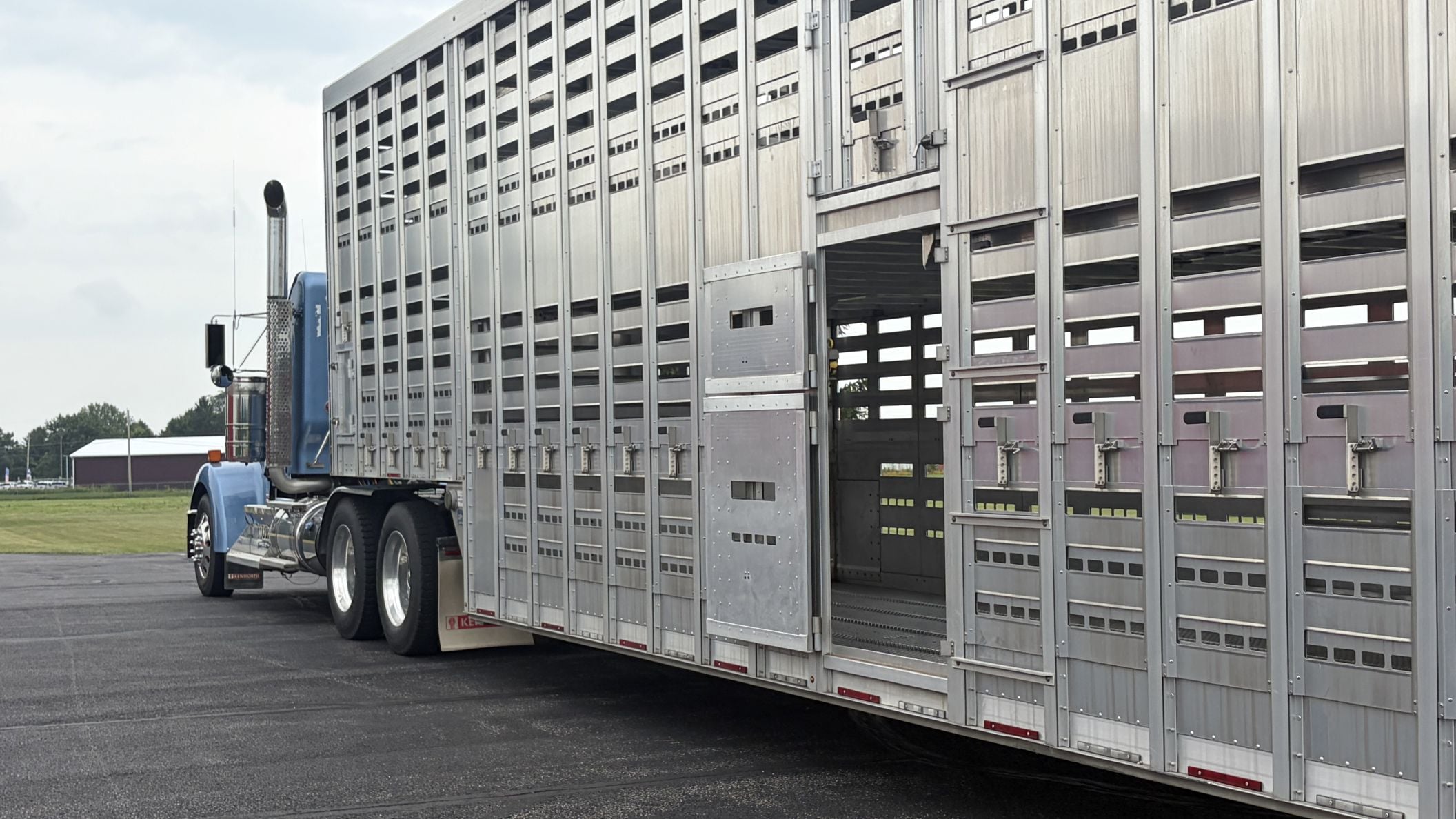
The safety series also included livestock transportation and bovine emergency training. Accidents involving livestock transport vehicles present unique challenges for emergency responders.
This session provided law enforcement, first responders and emergency management agencies with standardized protocols to safely, humanely and efficiently manage roadside incidents involving livestock.
“Livestock are transported on Ohio roadways every day, and most trips occur without incident. However, when a crash or emergency does occur, it is critical that responders know how to react safely, humanely and efficiently,” Jepsen said. “Agricultural emergencies are not the time for first responders to learn livestock-handling skills for the first time. Realistic training provides the knowledge, confidence and experience needed to reduce injuries to emergency personnel and minimize animal suffering.”
County Farm Bureaus also encourage ag safety training throughout the year. Crawford, Marion, Morrow and Richland County Farm Bureaus hosted a livestock transportation emergency response training in July.
What’s Next
Members enrolled with the Ohio Farm Bureau workers’ compensation group with Sedgwick were able to use the seminar to fulfill their annual safety requirement.
Visit your county Farm Bureau website to see when another safety training may happen in your area.




The theme of the November/December issue of Our Ohio magazine is health, safety and risk, and we explore all three in various ways.
Read More

Farm safety and risk management are deeply interconnected, forming the foundation of a resilient and sustainable operation.
Read More

We cannot predict every challenge or opportunity that comes to our farmgate, but trusted research, practical resources and better information can help us prepare for whatever comes next.
Read More

Ohio Farm Bureau Foundation Ambassadors Scholarship recipient Josie Jennings of Clark County plans to study agricultural law to help farm families preserve their land and legacies.
Read More
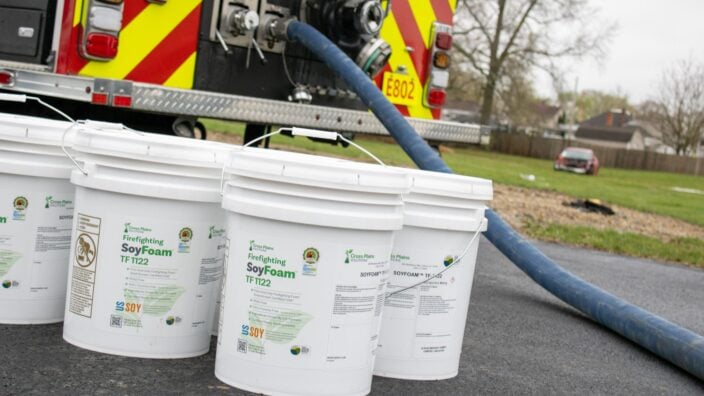
SoyFoam works like traditional firefighting foam that quickly smothers a fire. The difference is the absence of PFAS substances.
Read More

Ohio Farm Bureau Health Plans offer PPO coverage with premiums independent of income, stable year-round enrollment, plus coverage options at any age for vision and dental.
Read More