



Applications for Ohio Farm Bureau Health Plans now available
Members have three ways to apply: contacting a certified agent, calling 833-468-4280 or visiting ohiofarmbureauhealthplans.org.
Read MoreWhen it rains or when snow melts, there are no boundaries — the water flows wherever it wants. Managing stormwater flooding and drainage discharges can be challenging and expensive for communities. In order to mitigate these problems, some of Ohio’s communities charge residents and businesses a stormwater fee in order to develop management programs, including the creation of stormwater utilities.
These stormwater management programs help municipalities be in compliance with the federal Clean Water Act. Stormwater can cause debris, chemicals and soil to enter water bodies, polluting the state’s water. Ohio has at least 109 stormwater utilities and the fees vary widely from community to community, according to a 2019 Western Kentucky University survey. Ohio’s median monthly stormwater fees are $3.50, the lowest of surrounding states.
Many communities determine the fee structure based on the amount of impervious surfaces such as roofs, streets and parking lots. That’s because these surfaces create the most stormwater runoff. In some communities, agricultural properties are categorized as nonresidential, meaning they’re charged based on actual impervious surface area but often can reduce that charge through conservation efforts that reduce the amount of stormwater runoff. Those who are categorized as residential usually are charged a flat rate based on the average impervious surface area for residents.
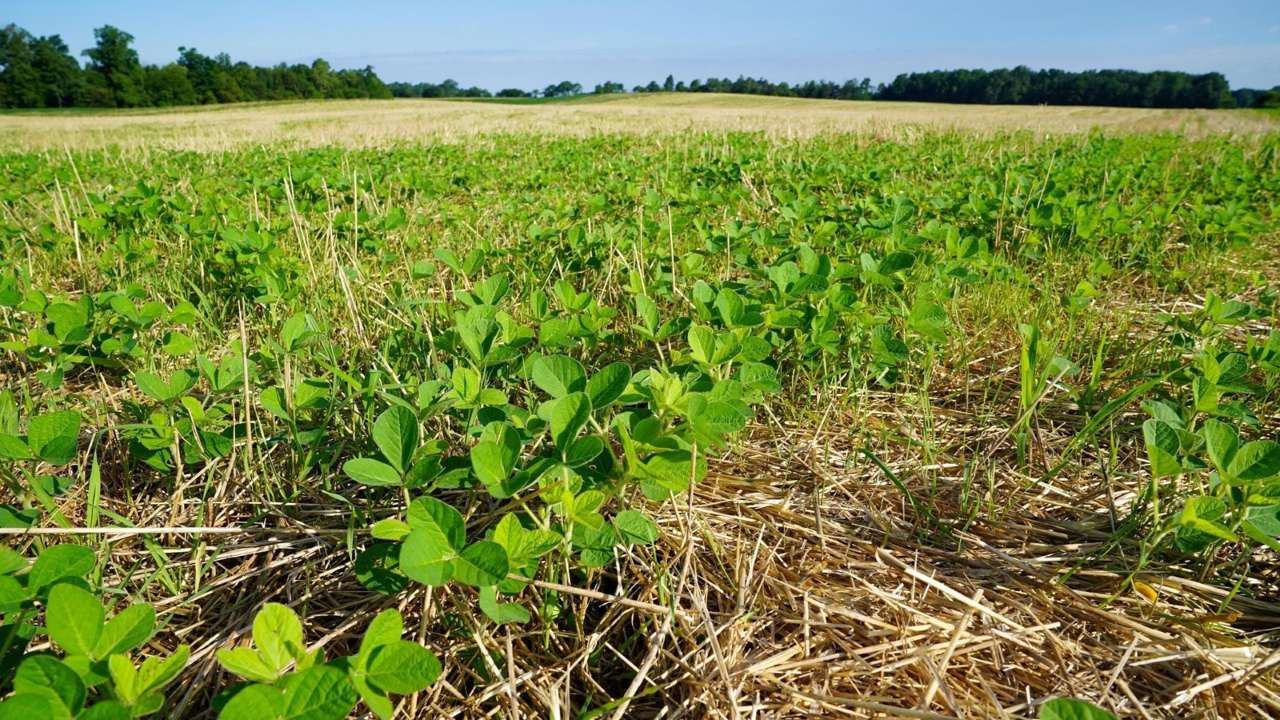
Recently, Summit County Farm Bureau successfully argued that agricultural properties shouldn’t be charged the same as commercial and industrial sites because farmland can absorb stormwater. As a result, the Summit County Engineer’s Office’s Surface Water Management District switched from charging agricultural properties $4 a month per 3,000 square feet of impervious area to a flat rate of $4 a month, regardless of the amount of impervious area. And if an agricultural property doesn’t have any impervious surfaces, it’s now considered undeveloped and not charged a stormwater fee.



Members have three ways to apply: contacting a certified agent, calling 833-468-4280 or visiting ohiofarmbureauhealthplans.org.
Read More

As fuel prices skyrocket across the state, lawmakers are preparing to return to the Statehouse to vote on the temporary suspension of Ohio’s gas tax.
Read More

Since 1984, the Conservation Farm Family Awards program has recognized Ohio farm families for their exemplary efforts conserving soil, water, woodland, wildlife, and other natural resources.
Read More
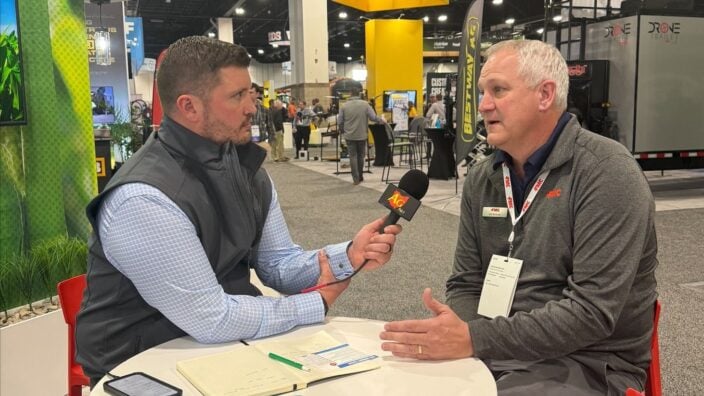
Meet Joe Everett, a Shelby County Farm Bureau Young Ag Professional who has dedicated his life to service, both in uniform and within his local community.
Read More

A year-end review provides an opportunity to evaluate your operation’s financial position, discuss future goals and develop strategies for the upcoming season.
Read More

Ohio Farm Bureau has created a new guide to help members better understand the laws, regulations and risk considerations that come with opening their farms to the public.
Read More
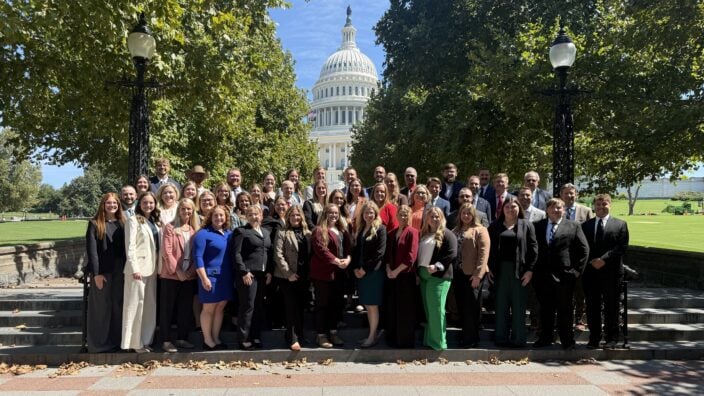
The groups received a firsthand look at agricultural policy, advocacy and leadership in the nation’s capital.
Read More

By prioritizing safety and health, you protect yourself and those around you, reduce downtime, and ensure your operation runs smoothly.
Read More
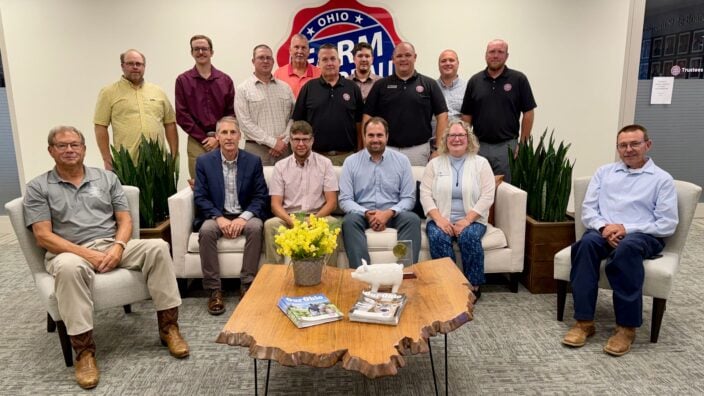
Twenty leaders have been named to the 2026 Ohio Farm Bureau Federation Policy Development Committee.
Read More

Two specialized, hands-on training sessions will address high-risk agricultural emergencies: manure pit rescues in confined spaces and roadside livestock transportation accidents.
Read More