

Applications for Ohio Farm Bureau Health Plans now available
Members have three ways to apply: contacting a certified agent, calling 833-468-4280 or visiting ohiofarmbureauhealthplans.org.
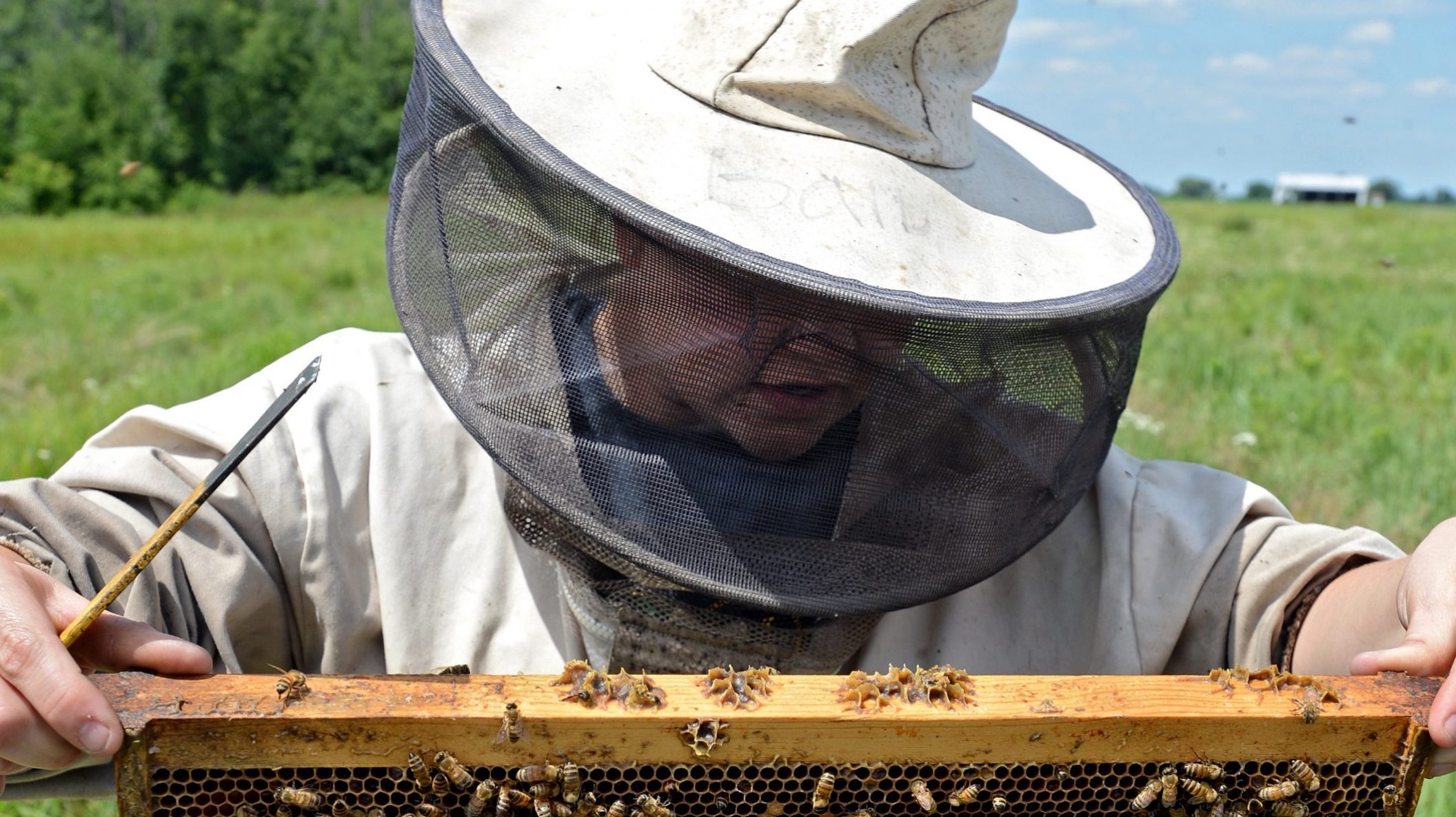
Read MoreHoney bees are growing in popularity in Ohio, but what are some things to consider if you are looking to become a beekeeper? In this Legal with Leah, Ohio Farm Bureau’s Ty Higgins and Policy Counsel Leah Curtis visit about the basics of beekeeping.
Listen to Legal with Leah, a podcast featuring Ohio Farm Bureau’s Policy Counsel Leah Curtis discussing topics impacting farmers and landowners.
Ty Higgins [00:00:00] One of the fastest growing segments of Ohio agriculture is beekeeping. We’ll say there’s a buzz around that part of the industry. For this Legal with Leah, I’m Ty Higgins, joined by Leah Curtis. She’s policy counsel for Ohio Farm Bureau. You know, I enjoy the product they produce, and I’ve actually been in a bee suit next to a hive and not the most fun experience I’ve ever had. But there are a lot of beekeepers out there in Ohio that this has been a hobby, maybe turned into a career for a lot of them. And there’s a lot of things that they need to know as they start to grow that part of their business in our agriculture sector. Let’s talk about registration of bees. I had a friend last week said that he’d had to register his bees. He didn’t know why. So why would they have to do that?
Leah Curtis [00:00:45] Bees, like anything else, they can carry diseases. They can cause different issues in the ecosystem. I mean, think about how important bees are to the ecosystem. If we had some problem with them, we’d want to be able to know that people are taking care of things correctly, that they’re getting bees from reputable sources. So that registration, which, I understand that it’s a hassle for people, but you do that registration, it’s a $5 fee per apiary by June 1 of each year. And that just makes sure that we can kind of keep track of our beekeeping industry and make sure it remains healthy. And hopefully we can continue to grow it and allow people more opportunities to participate in it.
Ty Higgins [00:01:24] So what are the deadlines for that? Leah Curtis [00:01:25] So that registration’s due by June 1 of each year or within 10 days after you come into ownership of the bees or you move bees into the state. So really annually do it. Or if you bring something in in the middle of the year, go ahead and do that registration with ODA, the Department of Agriculture.
Ty Higgins [00:01:43] As I mentioned, bees aren’t for everybody. And so if you have a colony or a few hives, you might have some neighbors that might be a little uncomfortable with that particular situation and maybe getting a little too close for comfort, so to speak. So how do you be a good neighbor as a beekeeper?
Leah Curtis [00:01:59] So being a good beekeeper neighbor is just like being a good neighbor of any other sort. No. 1, talk to your neighbors about it. Hear their concerns, explain how you’re going to try to mitigate those issues. Be sensitive to the fact that people do have very severe allergies, particularly to bees. And that’s an important caveat that people are going to be concerned about. And you want to try to make sure you’re respectful of. Check your local zoning laws. While beekeeping does fall under the ag exemption from county and township zoning, you want to make sure that there’s not any issues that are going to arise, particularly if you live in a city or if you live in a community with a homeowner’s association. That could also be something that’s in your restrictive covenants. So you’d want to check on that. And just some basic kindness things. Make sure your hives are facing away from your neighbors. It can be a good idea to put them near a building or a planting that will encourage a more vertical flight path so that your bees aren’t kind of drifting into your neighbor’s yards. Don’t mess with your bees while people are having their Labor Day parties or their graduation parties. Avoid those kind of heavy outdoor party times, and then make sure you have a constant source of clean water because you don’t want your bees ending up in your neighbor’s pool because that’s where they can get fresh water. So make sure you have a good source of fresh water for those bees to go to. You can kind of train the bees to get to that source. Make sure they’re going to where you have provided them water and not ending up in your neighbor’s birdbath or their pool.
Ty Higgins [00:03:36] You mentioned all the things that could go wrong if things aren’t set up correctly. What liabilities are out there for beekeepers?
Leah Curtis [00:03:43] So obviously, there is the concern of people getting stung..of the bees kind of becoming a nuisance, disrupting your neighbors’ other activities, swarming, that kind of thing. So, following those best management practices, staying up-to-date on what is recommended. New ways that you can work with your bees to kind of limit those nuisances are a great way to kind of mitigate some of that liability. The other thing: always, always, always talk to your insurance agent. This is a new thing you’re adding to your property that can create some liability. So talk to your insurance agent about how it’s covered, if it’s covered, how can you get it covered? The worst thing would be for you to get in a situation where somebody is alleging some sort of legal action against you and your insurance company knows nothing about it and then says, oh, well you don’t have any coverage for that. So always sit down and have that conversation.
Leah Curtis [00:04:41] You know, we can’t really say whether a beekeeper would or would not be liable. That’s always a question for a court to look at the situation. But, following those best management practices, creating that protection with your insurance agent, following the latest information updates, those go a long way to prevent your liability issues.


Members have three ways to apply: contacting a certified agent, calling 833-468-4280 or visiting ohiofarmbureauhealthplans.org.
Read More
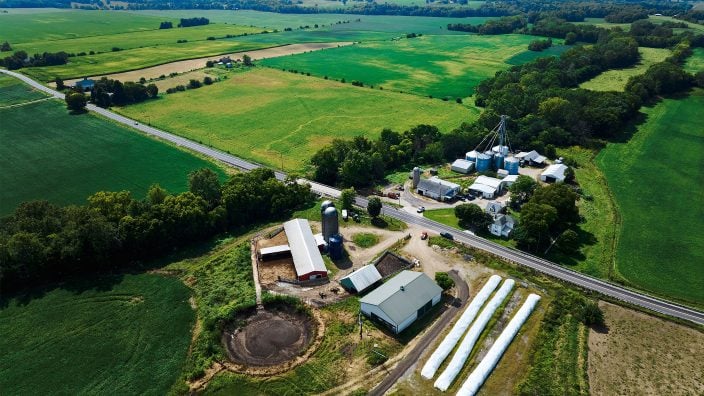
Ohio Farm Bureau Associate General Counsel Leah Curtis explains how the eminent domain process works in Ohio, what ‘quick take’ means and when it can be used.
Read More
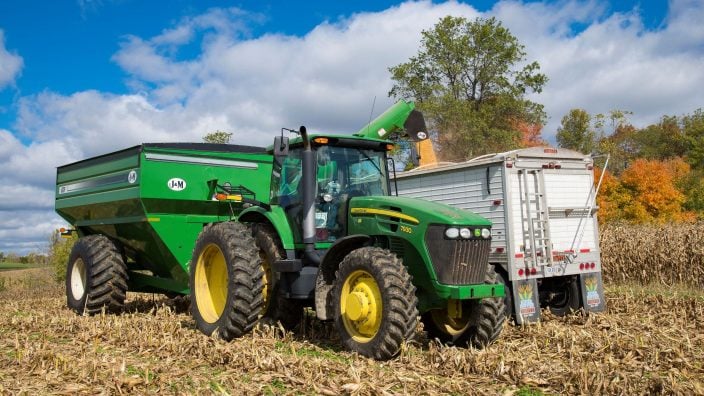
As fuel prices skyrocket across the state, lawmakers are preparing to return to the Statehouse to vote on the temporary suspension of Ohio’s gas tax.
Read More
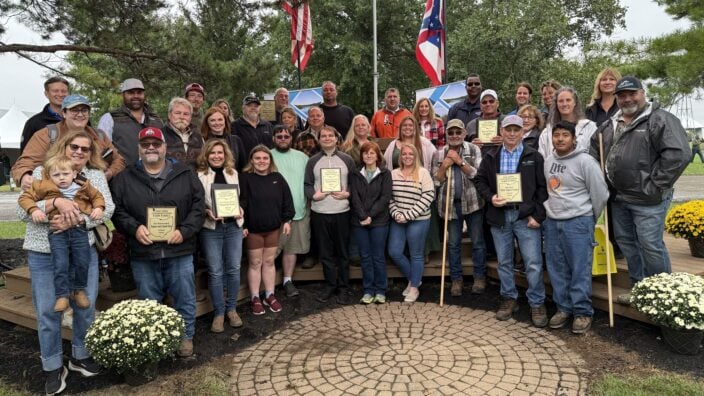
Since 1984, the Conservation Farm Family Awards program has recognized Ohio farm families for their exemplary efforts conserving soil, water, woodland, wildlife, and other natural resources.
Read More
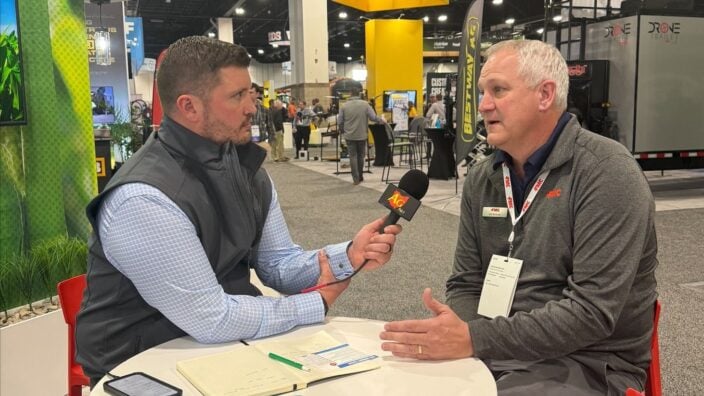
Meet Joe Everett, a Shelby County Farm Bureau Young Ag Professional who has dedicated his life to service, both in uniform and within his local community.
Read More

A year-end review provides an opportunity to evaluate your operation’s financial position, discuss future goals and develop strategies for the upcoming season.
Read More
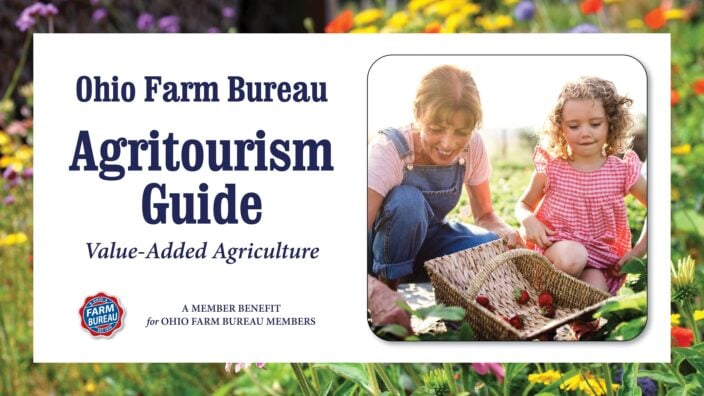
Ohio Farm Bureau has created a new guide to help members better understand the laws, regulations and risk considerations that come with opening their farms to the public.
Read More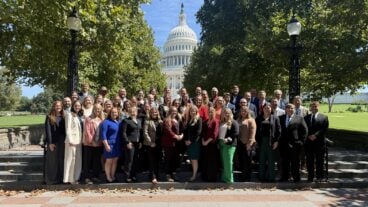
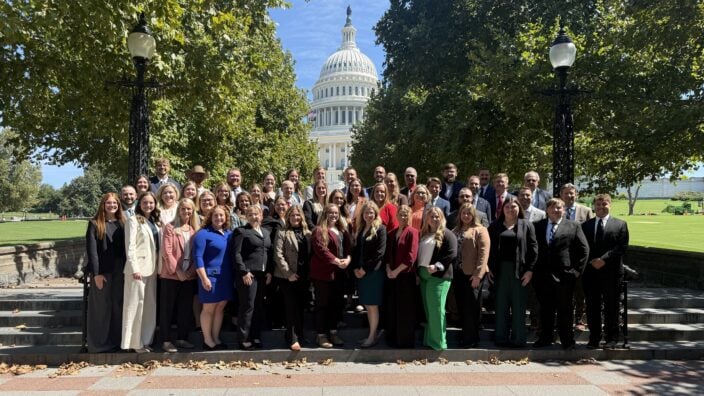
The groups received a firsthand look at agricultural policy, advocacy and leadership in the nation’s capital.
Read More

By prioritizing safety and health, you protect yourself and those around you, reduce downtime, and ensure your operation runs smoothly.
Read More
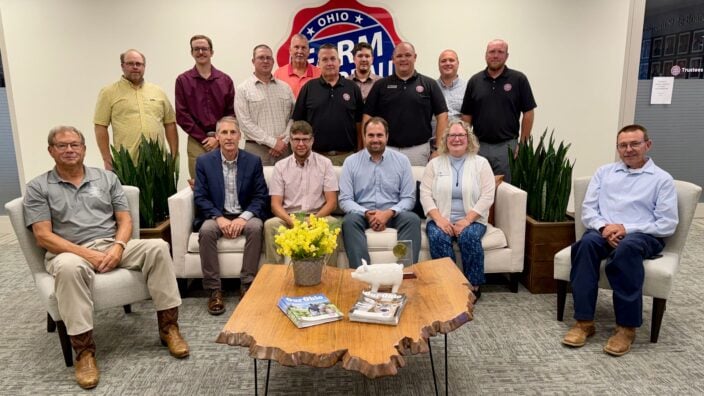
Twenty leaders have been named to the 2026 Ohio Farm Bureau Federation Policy Development Committee.
Read More