



The farm hazards we don’t see
Gases, vapors, and fumes can all create risk. How can we measure and protect ourselves from them?
Read MoreBWC’s free safety consulting services link Ohio’s agriculture employers with safety and health professionals who will work to help reduce the risk of workplace injuries and illnesses.
Provided by Ohio Bureau of Workers’ Compensation
According to data provided by the U.S. Bureau of Labor Statistics, there were 13 agriculture-industry related fatalities in Ohio in 2020. It’s a shocking number of lives lost and serves as an important reminder that agriculture accidents can often be catastrophic. The Ohio Bureau of Worker’s Compensation believes that even one fatality on the job is too many, and offers help for businesses of all sizes to prevent incidents before they happen.
BWC’s free safety consulting services link Ohio’s agriculture employers with safety and health professionals who will work to help reduce the risk of workplace injuries and illnesses.
“The goal of our safety services is to support all employers in their efforts to prevent workplace injuries and illnesses. We like to assess the hazards we see, prioritize recommendations to the customer, and then help with any questions they might have in making those improvements,” said Mona Weiss, a BWC safety consultant who serves all types of businesses in northwest Ohio.
Weiss would like to do more work with those in the agriculture industry. Currently, she sees a few recurring areas where safety in agriculture can be improved.
Hazards with farm machinery, tractors and all-terrain vehicles can lead to a variety of incidents including rollovers and crashes, mounting and dismounting risks, and bodily injuries. A basic free hazard assessment can help with injury prevention specific to your agriculture operation’s equipment and working areas.
BWC reminds you to “think safety” when buying new or used equipment, select equipment that includes safety features to protect yourself and your workers, and ensure operators have been properly trained on how to use each particular piece of equipment.
One common safety hazard seen in granary operations that may often be overlooked is dust accumulation. Grain dust can produce an explosion in a confined area when it becomes airborne and comes in contact with an ignition source such as an electrical motor, welding, cutting, open flame, overheated conveyor system, or hot exhaust. Accumulation should only be ⅛ inch or less to avoid potential dust combustion.
Engulfment hazards and safety practices with workers entering grain bins is another area that deserves attention. This brochure provides grain bin storage and handling tips and resources to prevent engulfment, equipment and fall hazards.
Believe it or not, communication issues can be a large safety concern, especially for those who have migrant workers. Making sure all workers clearly understand safety procedures and processes must be a priority. If there are any language barriers, safety issues may be overlooked or not communicated clearly. BWC consultants can provide communication resources and advice for working with language barriers and cultural differences.
Your consultant will connect you to additional tools, such as safety webinars, training, self-inspection checklists, safety program templates and more that relate to your specific operation.
Get your safety consultation scheduled today! Contact your local BWC service office, call 800-644-6292, or submit a request online. Please have your BWC policy number ready. A safety consultant will contact you within two business days.


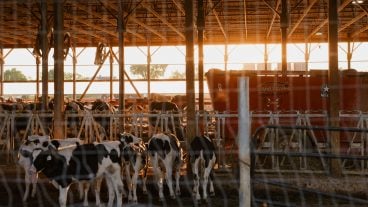
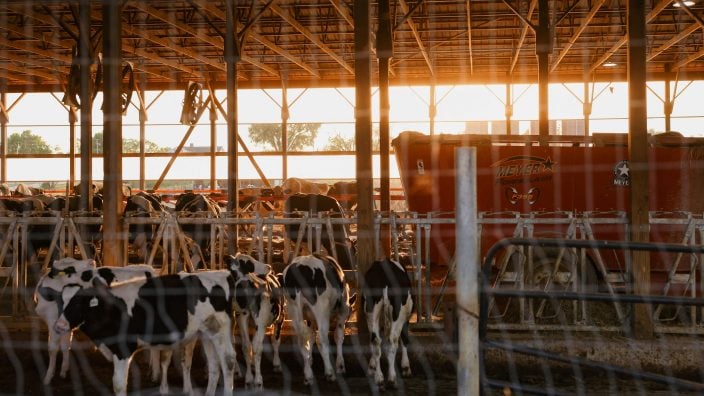
Gases, vapors, and fumes can all create risk. How can we measure and protect ourselves from them?
Read More
Ohio Bureau of Workers’ Compensation joins the podcast to explain how common gases pose an unseen risk in agriculture
Read More

On this episode of the podcast, we are joined by Ohio Bureau of Workers’ Compensation to talk about noise-induced hearing loss within agriculture.
Read More
Ohio BWC industrial hygienists, safety consultants, and ergonomists can visit your farm, help spot risks, and suggest improvements that make a real difference.
Read More
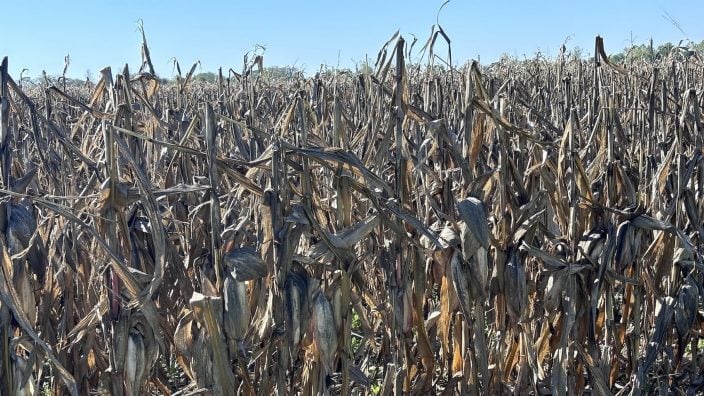
On this Ohio Farm Bureau podcast, we talk about ergonomics in agriculture with Mona Weiss and get an updated forecast from Dr. Aaron Wilson.
Read More

Farming is the backbone of our food supply—providing safe, healthy food for families across the world—but it can take a…
Read More
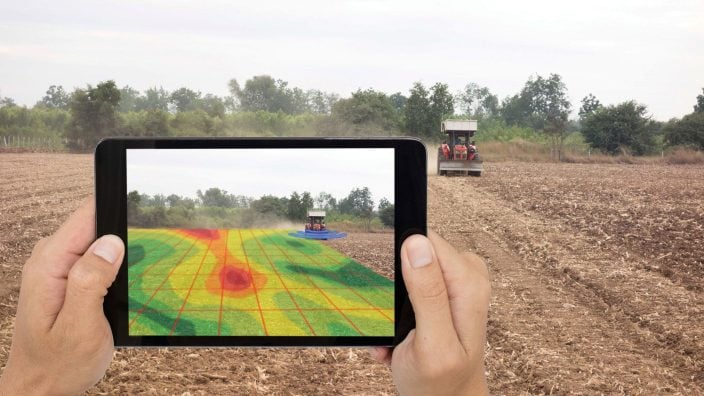
Learn how Ohio State’s eFields is transforming digital agriculture and get some very helpful tips from Ohio Bureau of Workers’ Compensation when it comes to how to combat heat stress.
Read More
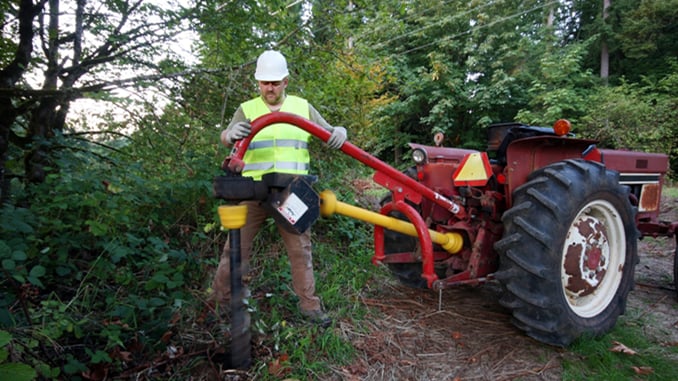
How do we reduce the risks to operators and family members who work with, and near PTO-driven equipment?
Read More
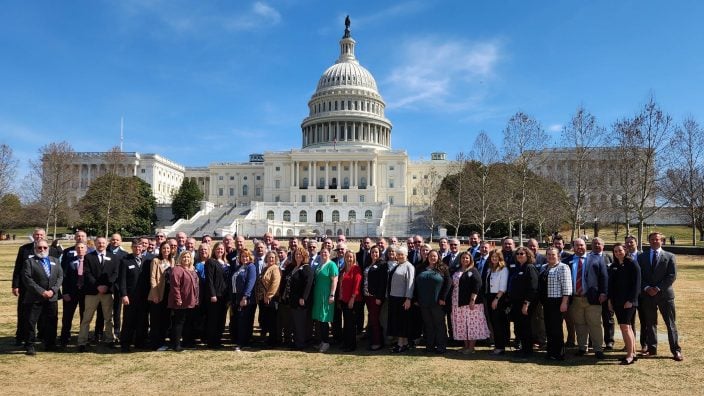
On this Ohio Farm Bureau Podcast, get a full recap of the Country Presidents’ Trip to D.C. and a preview of the 2025 Ohio Safety Congress & Expo.
Read More
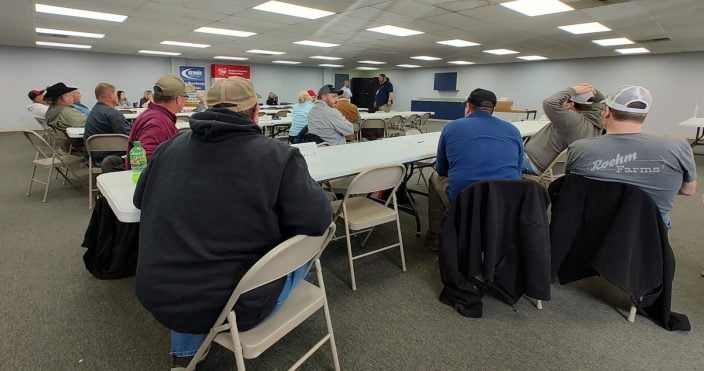
This meeting fulfilled the training requirement for the Farm Bureau group rating program, helping employers better understand workers’ compensation coverage and safety practices.
Read More