





May/June 2025 Our Ohio
Future trends and issues for food and agriculture are examined in this issue of Our Ohio magazine.
Read MoreThe food and beverage industry is evolving rapidly, driven by technological advancements, workforce challenges, changing consumer preferences and new regulatory requirements.
For Ohio farmers, these shifts in food manufacturing present both challenges and opportunities. Staying ahead of the trends will be key to maintaining strong partnerships with processors and ensuring long-term success.
Consumers and regulators are pushing for more transparency in the food supply chain. Some retailers are encouraging QR codes and digital records that allow consumers to trace food back to its source, while regulations like the Food Traceability Final Rule, or FSMA 204, mandate enhanced recordkeeping requirements for designated foods which is appropriate and necessary to protect public health.
For farmers, this may mean greater documentation requirements if growing or raising a food listed on the Food Traceability List. Farmers who provide traceable, certified organic, or non-GMO products may find themselves in high demand and able to access premium markets.
To address workforce challenges and improve production efficiency, food manufacturers are investing in automation such as AI-driven sorting, robotics and automated quality control. This technology can increase consistency in food production but also influences what crops and livestock are most desirable.
Farmers may see shifts in demand, as manufacturers may prefer produce that is uniform in size and shape to work efficiently with automation. However, growers can benefit from agricultural robotics as well—AI-driven harvesting and precision farming technologies can improve yield and streamline farm operations.

Food safety remains a top priority, and manufacturers are tightening safety measures, particularly in response to increasing consumer concerns over recent recalls and outbreaks. To reduce foodborne pathogen outbreaks, manufacturers must adhere to higher food safety standards such as enhanced microbial testing, stricter recordkeeping, heightened sanitation expectations and fostering a positive food safety culture.
Growers who proactively adopt Good Agricultural Practices and Hazard Analysis and Critical Control Points protocols can position themselves as preferred suppliers for food manufacturers.
Consumer preferences are directly influencing how food is processed and packaged. From changes in dietary preferences, sustainability concerns and wanting convenience without compromise, it is necessary for food manufacturers to understand consumer behavior. Manufacturers that proactively respond to these shifts can drive product innovation and maintain a competitive edge.
Farmers can capitalize on these trends by diversifying into high-value crops that cater to niche diets, such as keto, plant-based, and gluten-free markets. Additionally, e-commerce and direct-to-consumer sales are shifting the way food is distributed. Farmers who can meet these changing demands may find new opportunities to sell their products through online channels and meal kit services.
Key points
For 30 years CIFT has been focused on our mission of driving competitiveness for food processors, manufacturers and agribusiness through a unique blend of business solutions, innovation and technical expertise.
CIFT has a unique ability as a nonprofit to deliver solutions and support innovation through direct services as well as vast resources of an extensive network, including the Ohio Manufacturing Extension Partnership, delivering valuable interactions and quantifiable impact. Learn more about CIFT at ciftinnovation.org.
About the author

Rebecca A. Singer has been president and CEO of CIFT since 2017. CIFT is the northwest Ohio partner of the Ohio Manufacturing Extension Partnership and a recognized leader in providing technical innovations and solutions to regional manufacturers with special expertise in the food processing industry.
Previously, Singer worked for the Ohio Department of Agriculture as the Ohio Proud coordinator and direct marketing specialist. She was a recipient of the 2007 Young Professional Achievement Award given by The Ohio State University College of Food, Agricultural, and Environmental Sciences Alumni Society. It was at Ohio State where she earned her bachelor’s degree in agribusiness and applied economics. She was recognized as Innovator of the Year by the Ohio Manufacturing Extension Partnership in 2019.
She is a Defiance County Farm Bureau member and resides in Sherwood in order to be close to the family farm in which she co-manages with her brother.
 Ohio Farm Bureau’s Small-Scale Food Business Guide covers both federal and state regulations for selling food products such as raw meat, dairy, eggs, baked goods, cottage foods, fruits and vegetables, honey and more. The guide provides a breakdown of the registration, licensing, processing, food safety, inspection, labeling and any other regulatory/legal standards to be considered when running a small-scale food business. The guide is for food entrepreneurs who may not want to sell or are not ready to sell their products to food processors.




Future trends and issues for food and agriculture are examined in this issue of Our Ohio magazine.
Read More
The answer lies in first understanding the macro trends shaping American agriculture, the operating environment farms will find themselves in and the innovation required to remain resilient and profitable into the future.
Read More
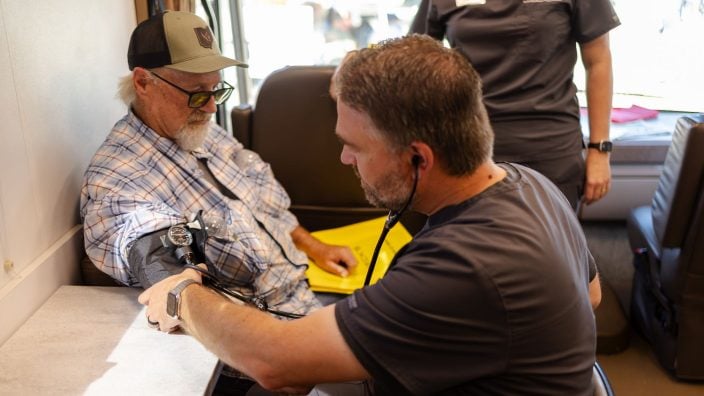
Farmers’ physical and mental health are often compromised by lack of health coverage. Farm Bureau seeks to establish Farm Bureau Health Plans.
Read More

I encourage you to consider the big questions that Ohio Farm Bureau members should be thinking about and how we as an organization can equip ourselves for whatever changes are coming.
Read More

Embracing risk planning and working with experts like a Nationwide-appointed agent can help farmers better navigate uncertainties and secure their farm’s future.
Read More
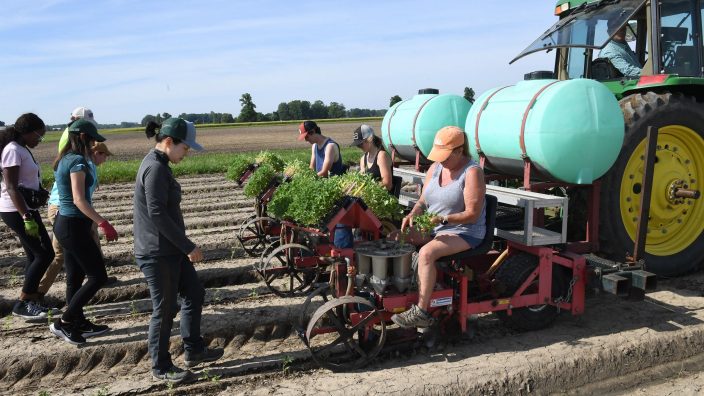
Ohio State is one of the few universities where a leading agricultural college, a top-tier medical school and a state-of-the-art hospital share the same campus.
Read More

Over 20% of all the production in the United States from agriculture gets exported to a different country.
Read More

Community engagement at the earliest stages of development is essential.
Read More

Collegiate chapters connect agriculture students with grassroots Farm Bureau efforts at county, state and national levels.
Read More
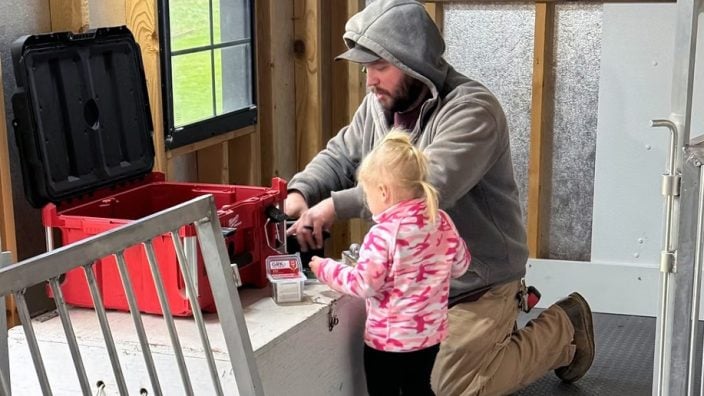
The grants aim to ensure that creative young farmers can access opportunities and use their skills to alleviate the difficulties facing agriculture today.
Read More