Ryan Martin meteorologist

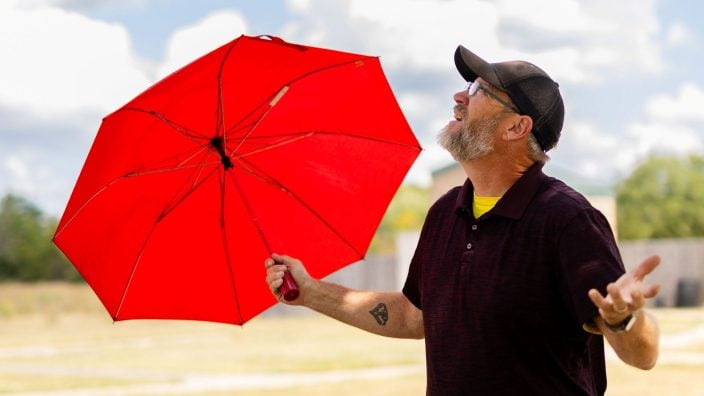
The weather app that comes preloaded on every smart phone might offer weather predictions, but that impersonal data can’t match the human perspective meteorologist Ryan Martin works to provide in his forecasts.

Martin does weather reports for radio programs across the country, including Ohio Ag Net. His goal is to give farmers truthful, blunt and accurate weather forecasts, he said. “I’m giving people the information they need to do what they want to do.”

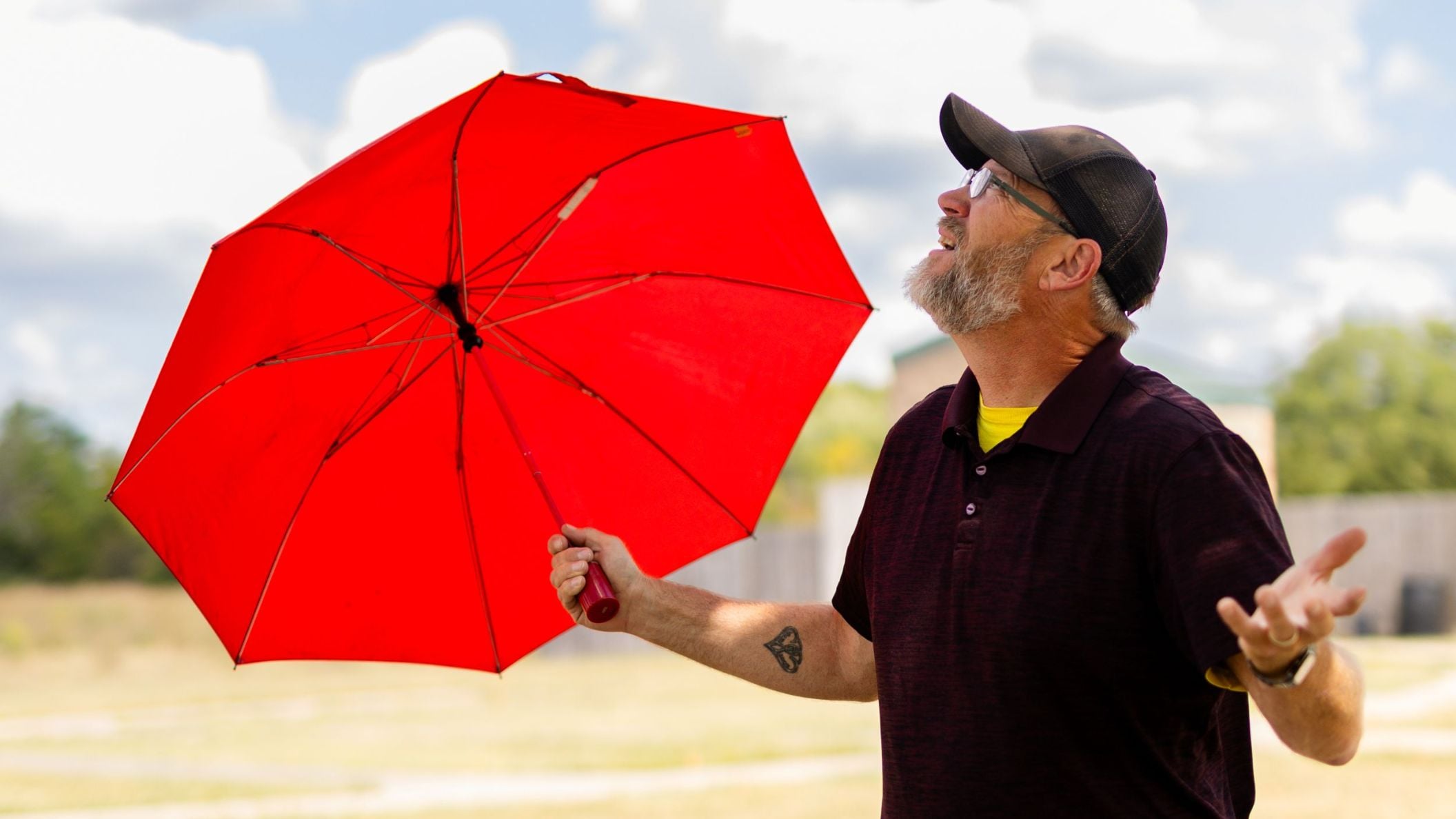
Ryan Martin
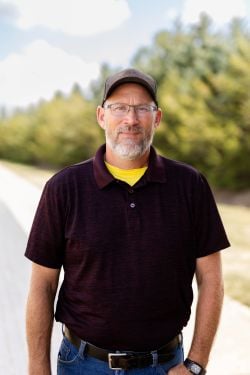
Ryan Martin

Martin, who has been broadcasting weather reports for the last 35 years, said computer models go only so far toward providing useful forecasts for farmers. While those models are good at churning out numbers, Martin also uses his own experience in recognizing patterns in the weather.

It’s important to understand the type of information farmers need, he explained. For instance, they not only want to know if rain is in the forecast; they want to know how much. And whether the daily high is 83 or 84 is not as important as the range in temperatures, which affects growing conditions for crops and the well-being of livestock.

Temperature inversions and wind speeds can also be critical when farmers are planning herbicide applications. “All sorts of things impact us in agriculture, and they are things we cannot waffle about.”

Over the last few decades, advances in computing power have made it possible to run computer models multiple times each day. Those models have become a crutch for many meteorologists, said Martin. “The problem is that as certain models have gotten better, the ability for humans to forecast has gotten worse.”

When meteorologists generate forecasts based simply on what the models say, those forecasts have some serious limitations, Martin said. Too often, forecasters try to never be wrong, which leads them to issue forecasts that may be accurate, but not useful.

For instance, he recalls a forecast he once heard from another meteorologist who said, “It will be mostly sunny today. The high may fail to reach 80 degrees.” That meteorologist just gave himself 79 ways to be right, Martin pointed out. “The high could be 32 degrees and that forecast would be right.”

Martin, on the other hand, said he’s not afraid to be wrong. “I rarely am, but I’m not afraid to be wrong.” That attitude is necessary to provide forecasts with the details farmers need, he explained. “Models give you guidance, but at the end of the day you have to be able to read the room. You have to be able to find the pattern and figure out what’s going on.”

Going back to fifth grade

Martin’s interest in meteorology was sparked by a fifth-grade science assignment. Each student had a turn providing a weather forecast over the school public address system.

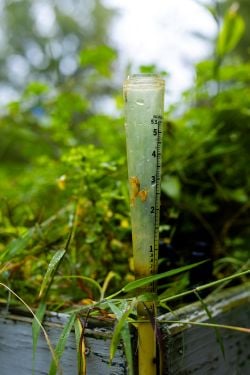
rain gauge“When it was my turn, I got on the PA system, loud and clear, and introduced myself as meteorologist Ryan Martin with the weather for today,” he said. “I decided then in fifth grade that I wanted to be a meteorologist.”

His family ran a small farm in north central Indiana, so even as a kid Martin could see the value of good weather forecasts in agriculture.

“It seemed like it always rained when we had hay down,” he said. “I just wanted to be able to tell my dad when to cut hay.”

Martin didn’t waver from his ambition to become a meteorologist, even when he got scholarship offers to play college football. He wanted to go to Purdue to study ag meteorology instead. During his college years, Martin started his forecasting career, doing weekend weather reports for a South Bend, Indiana, TV station. From there, he spent a couple of years in Pennsylvania working for AccuWeather before returning to Indiana in 1998 after his father died.

He thought at the time he would carry on the family farm, but that was not to be. “I’ve come to grips with the fact that that was a heavy burden for any 25-year-old.”

Even so, the family’s farm connections helped Martin land a job with WBTU radio in Fort Wayne, Indiana. There he started the ag broadcasting department. As he continued his career he kept his connection to agriculture. In 2001 he moved to Wichita, Kansas where he worked as the farm director at the Mid America Ag Network and also started his own weather network. The move to Kansas was a good one, he said, because he met his wife, Melanie, while he was there.

Martin’s career shifted again in 2010 when he earned his commodity trading license and began working as a grain broker, while continuing to do radio and online weather forecasts. He moved back to Indiana in 2014 and now works as a soybean buyer for a large soybean crush plant while continuing to produce weather forecasts for a variety of radio stations and other clients across the country.

A farmer himself

After years of offering weather forecasts and marketing advice to farmers, Martin decided he wanted some first-hand experience.

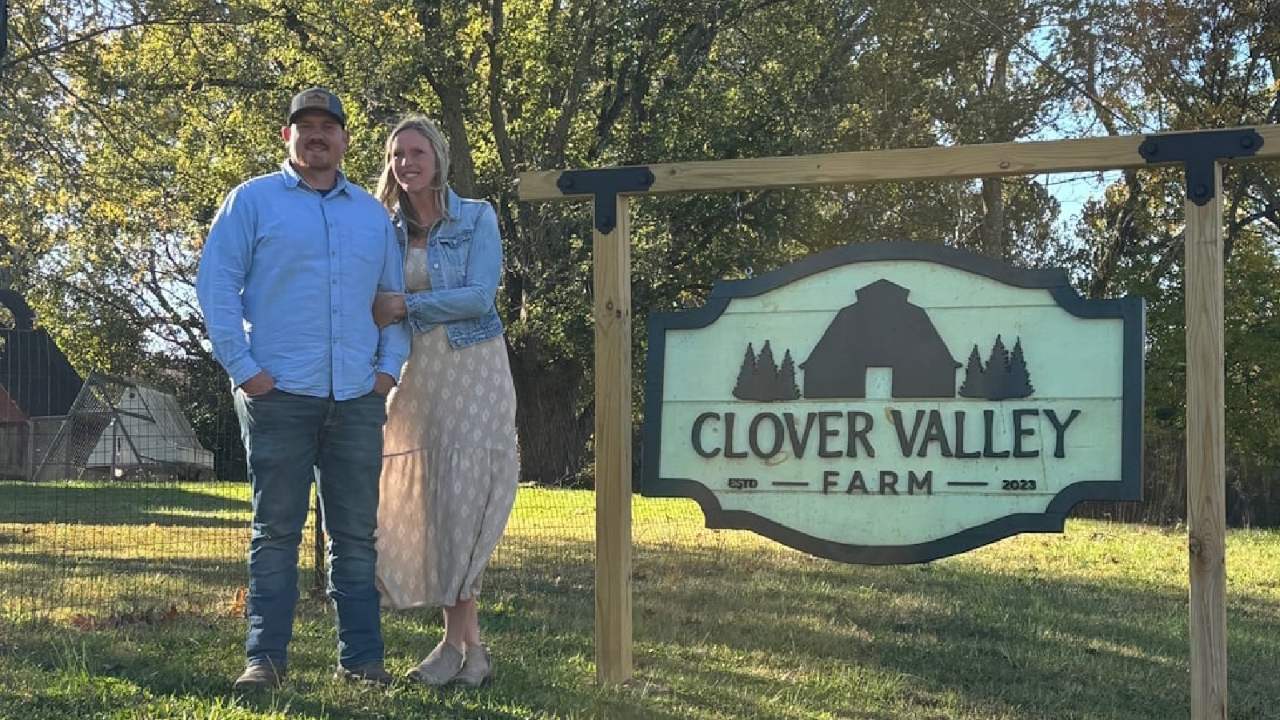
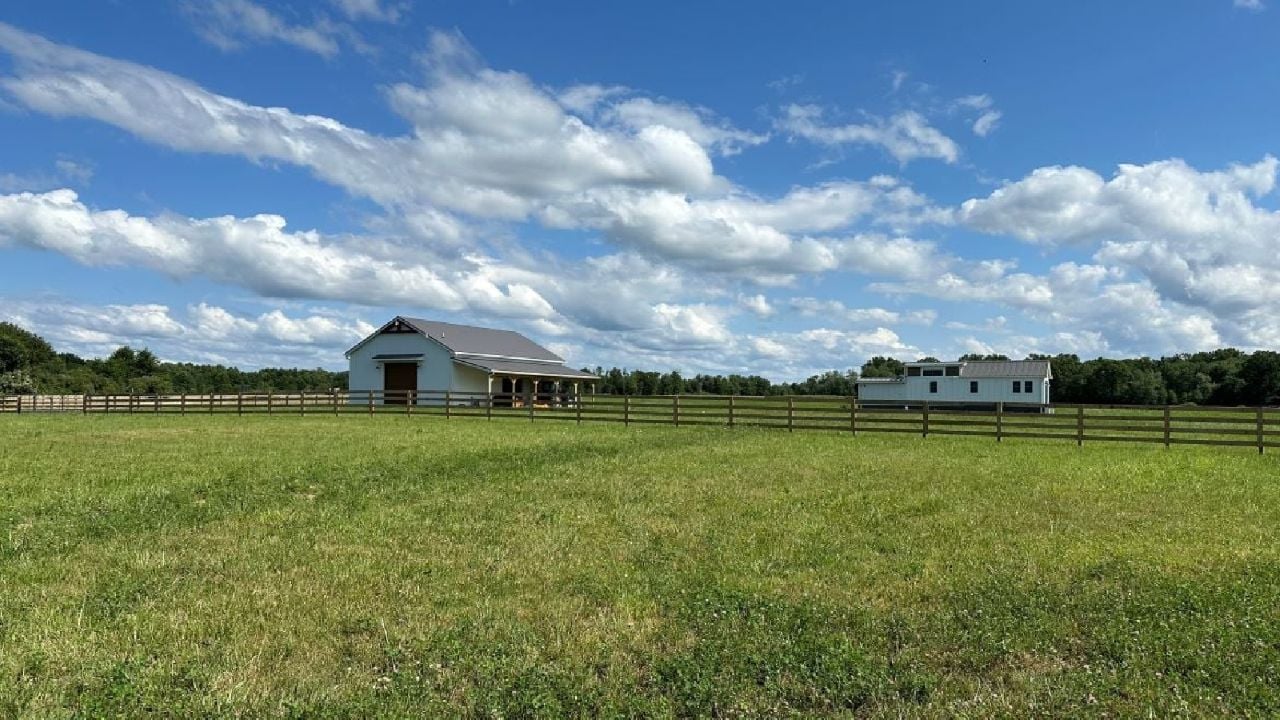
“I never had any skin in the game,” he explained. So, in 2019, he and his wife bought some farmland of their own. They hired custom operators the first couple of years while Martin handled the grain marketing, but the land is challenging to cover with large equipment, he said.

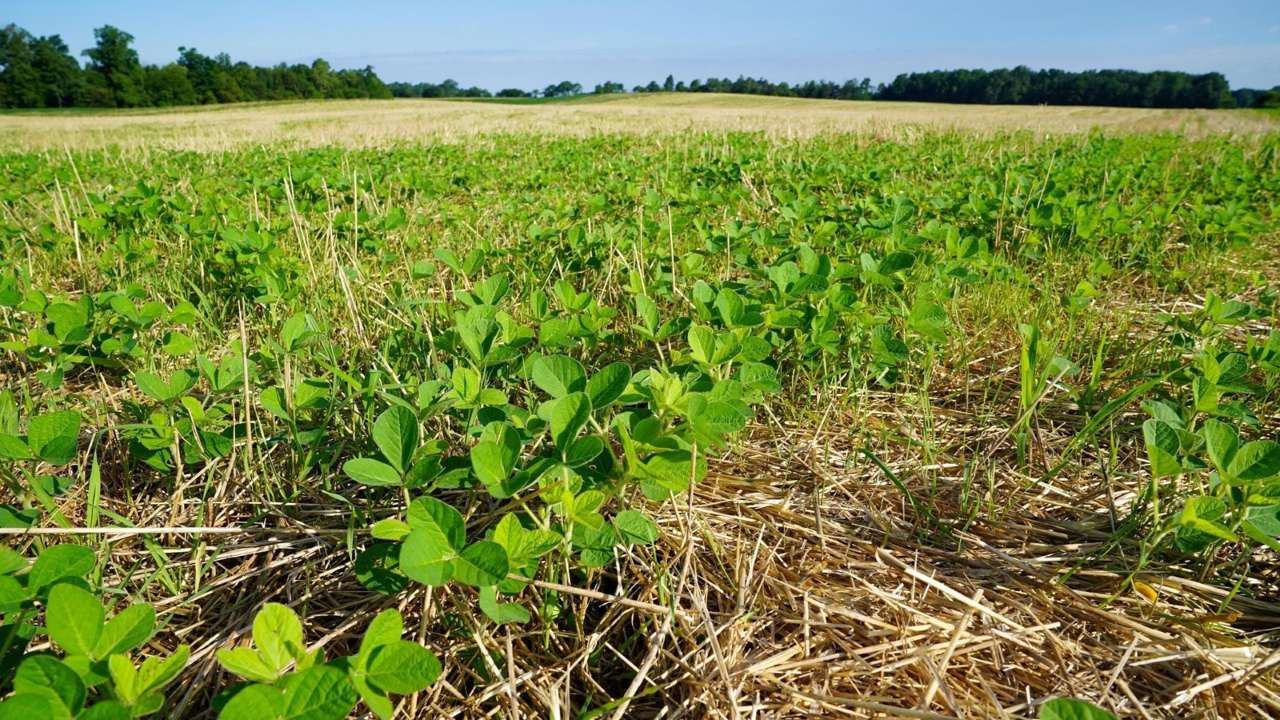
He concluded that the best way to get a return on the investment would be to get smaller equipment and farm the land themselves. They’re now experimenting with high tunnel production of produce to supply local markets as well as raising corn, soybeans, wheat and sunflowers.

His own farming experience gives him new ways to relate to the farmers he works with as a grain buyer and a new appreciation for the role weather plays in production, Martin said. “I started farming to get an education and, dear heavens, I’ve been educated.”

Subscriptions to Ohio’s Country Journal, part of Ohio Ag Net communications, are free for Ohio Farm Bureau members. Visit ofb.ag/ocjsubscription to subscribe for the latest news on Ohio agriculture.

Ohio Ag Net affiliates (by county)

Ryan Martin’s forecast can be heard on the following Ohio Ag Net stations across the Buckeye State.

Affiliates list

Photos by Laura Scholl

To grow a network and gain perspective and knowledge in the industry through personal and professional development has been invaluable. Every day I learn and grow.
Ryanna Tietje's avatar
Ryanna Tietje

Henry County Farm Bureau

Farm Bureau connections
The issue of property taxation remains as one of the biggest challenges our members face today. Ensuring agricultural property is valued for its agricultural potential and not development is critical to the continued success of Ohio agriculture.
Matt Aultman's avatar
Matt Aultman

Darke County Farm Bureau

Giving farmers a voice
Farm Bureau is what really got the word out. It’s been one of their goals to get this done.
Bill and Charlotte Wachtman's avatar
Bill and Charlotte Wachtman

Henry County

10-year campaign for safer roads
I could not have done it without the resources I have found through Farm Bureau.
Gretchan Francis's avatar
Gretchan Francis

Trumbull County Farm Bureau

Bringing the farm back to life
Because we are younger farmers just starting out, Farm Bureau has a lot of good opportunities and resources to help us grow in the future.
Hannah Kiser's avatar
Hannah Kiser

Sandusky County Farm Bureau

Farm Bureau involvement
Through the Select Partner program, we became educated in farm insurance and weren't just selling policies. It became more and more clear why farmers need an advocate like Ohio Farm Bureau.
Chad Ruhl's avatar
Chad Ruhl

Farm manager, CSI Insurance

Select Partner Program
So many of the issues that OFBF and its members are advocating for are important to all Ohioans. I look at OFBF as an agricultural watchdog advocating for farmers and rural communities across Ohio.
Mary Smallsreed's avatar
Mary Smallsreed

Trumbull County Farm Bureau

Advocacy
Suggested Tags: