

Patterson serving on 2026 OFBF Policy Development Committee
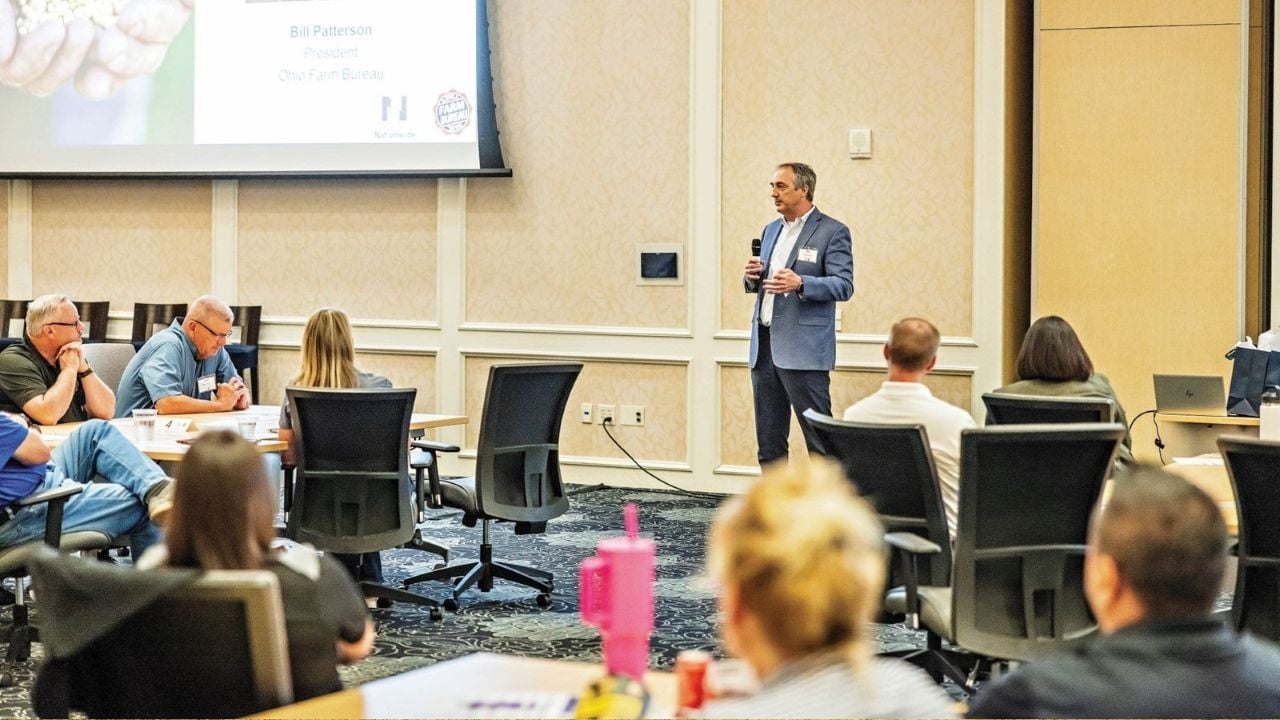
Bill Patterson of Chesterland is serving on the 2026 Ohio Farm Bureau Federation Policy Development Committee.
Read MoreThanks to the internet, you can find statistics on farmland over the last 25 years. In 2000, farmland represented 41.1% of the total land in the U.S., and in 2010, it was down to 39.8%. It was a drop of 1.3%, which doesn’t seem too bad until you realize that 29,420,000 acres of farmland were lost. From 2010 to 2020 the amount of farmland lost was 19,060,000 acres, a decrease of 0.82%. From 2020 to 2024 there was a loss of more than 16,650,000 acres across the U.S. I wish my internet search had surfaced better news.
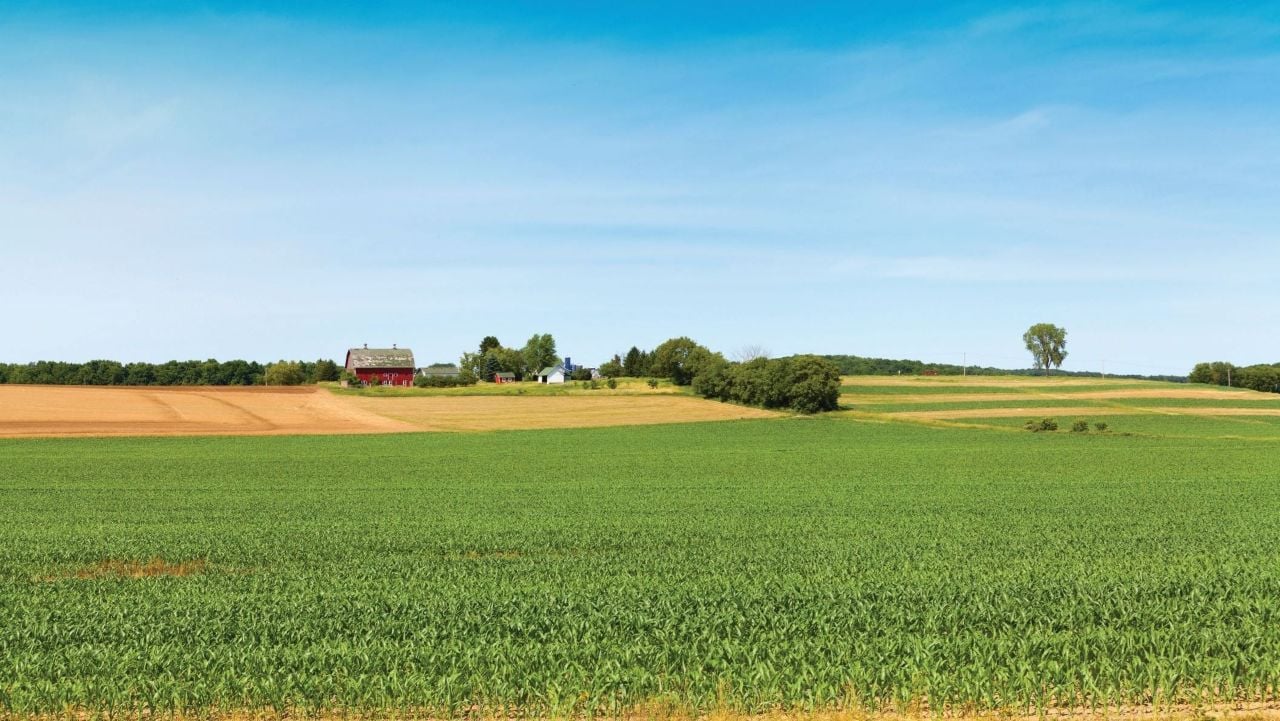
This downward trend did not start in 2000 but many years earlier. It did not go unnoticed by our elected officials. In 1982, the Ohio General Assembly took action to help preserve Ohio farmland. They passed Senate Bill 78, which is commonly referred to as Ohio’s Farmland Preservation Act. This important legislation created agricultural districts to promote the preservation of agricultural land. These ag districts are voluntary and can provide benefits to help farmers keep farming. One of the benefits is you have a legal defense against nuisance lawsuits. Your agricultural operation is protected if it meets four criteria: it’s in an agricultural district; it was established prior to the neighbors who are suing; the neighbors suing aren’t farmers; and the farm-related activities don’t violate any other laws and are done in accordance with acceptable agricultural practices.
Another benefit deals with the deferment of development assessments until land is changed to nonagricultural use. When new water, electric, or sewer lines are added or extended, the cost is often assessed to the property owner based on their road frontage. These costs can add up quickly for a farmer. My family knows this scenario all too well. Years ago, when mud roads were being improved to gravel roads, Leroy-Thompson and Plank roads in Lake County were targeted in the same year. My great-grandfather was a modest farmer, as most were at that time, and his farm was where these two roads met. The farm wasn’t large but did have considerable frontage on both roads. Because of this, the tremendous assessments that were levied upon him were more than he could financially and mentally handle. My great-grandma moved the four kids to Painesville and began teaching school.
If your land is in an ag district, this legislation places additional restrictions upon eminent domain actions. If more than 10 acres or 10% (whichever is greater) of any one property is proposed, the law calls for a review by the state director of agriculture to determine if an alternative is possible.
I wonder how this would have been applied when land was being acquired for the Ravenna Arsenal. Hundreds of farms, including a Smallsreed farm, were forced to sell to the government on the government’s terms.
The qualifications to be in an ag district are the same as for the Current Agricultural Use Value (CAUV) program. You must have at least 10 acres used for agricultural production or activities for three years and have an average yearly gross income of at least $2,500 during that time period.
There are so many factors affecting the loss of farmland. I hope you won’t have need for the added protection that being in an ag district provides, but if you qualify, why not participate? Already in an ag district? Great, but don’t forget to renew this designation every five years.
Trumbull County Farm Bureau, with the help of the Trumbull County Auditor’s Office, will help you get signed up if you qualify.
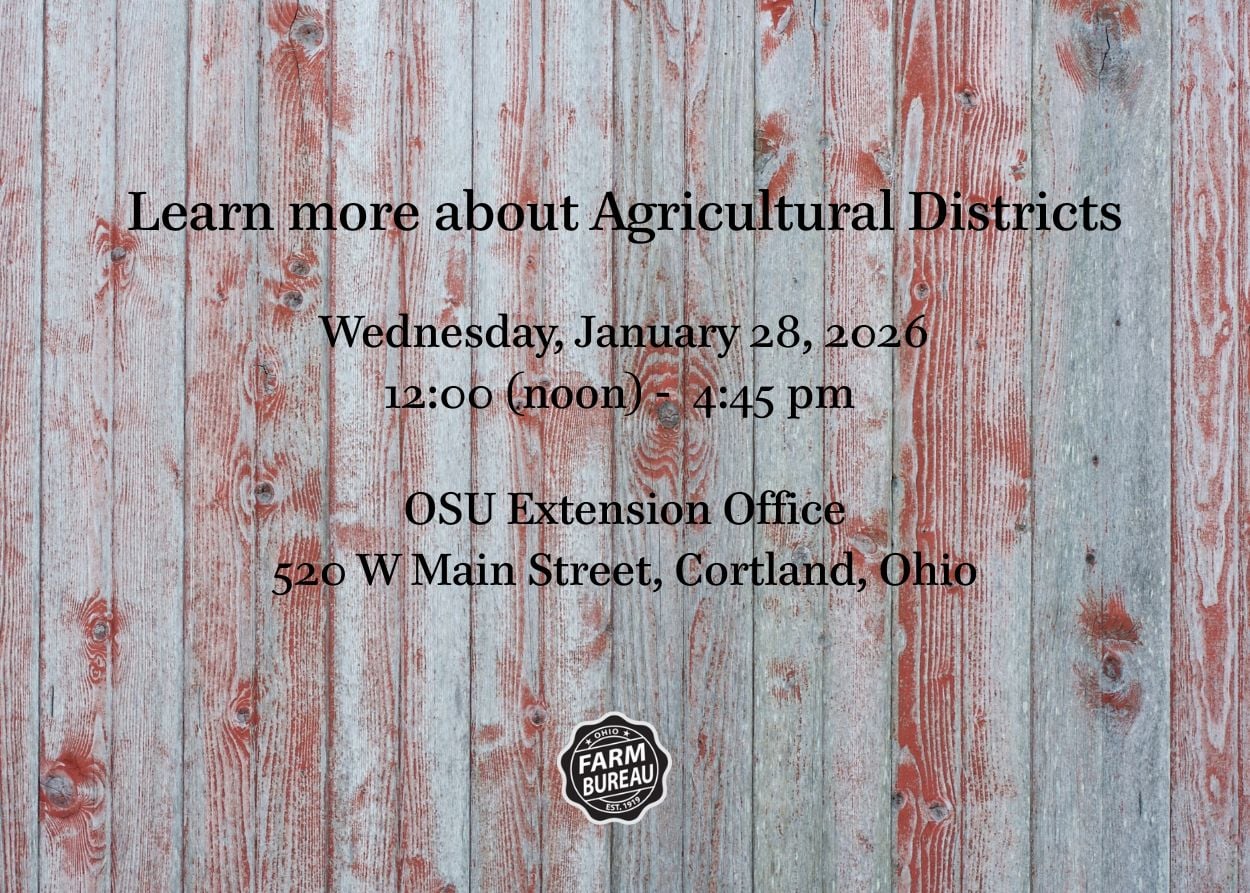
Come see us from noon to 4:45 p.m. Jan. 28 at the OSU Extension Office, 520 W. Main Street in Cortland. Can’t make it that day? Reach out to the county auditor’s office or visit their website.
Submitted by Mary Smallsreed, a member of the Trumbull County Farm Bureau who grew up on a family dairy farm in Northeast Ohio.
OFBF Mission: Working together for Ohio farmers to advance agriculture and strengthen our communities.




Bill Patterson of Chesterland is serving on the 2026 Ohio Farm Bureau Federation Policy Development Committee.
Read More
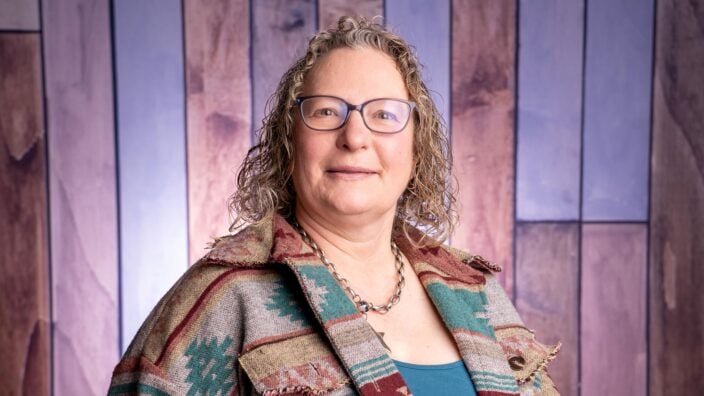
Marsha Stanhope of Kinsman is serving on the 2026 Ohio Farm Bureau Federation Policy Development Committee.
Read More
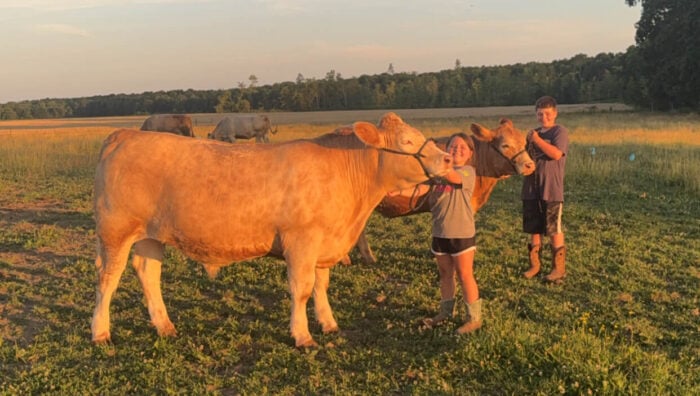
While we may walk into those barns thinking we’re raising livestock for the county fair, somewhere along the way we’re raising kids, too.
Read More
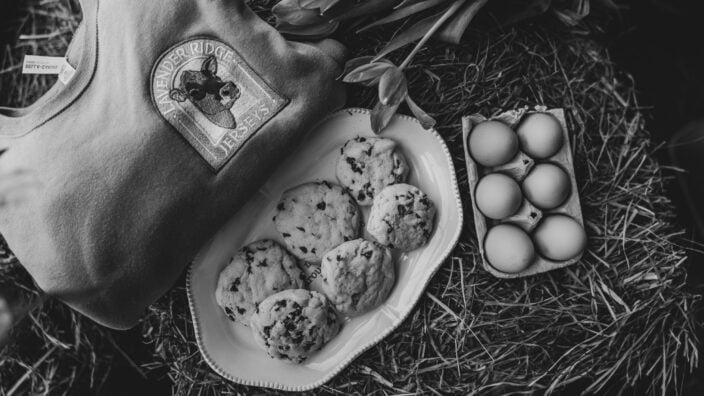
Who knew that what started as having to come up with a prefix for my first homebred Jersey would grow into such a brand and new business ventures for me.
Read More
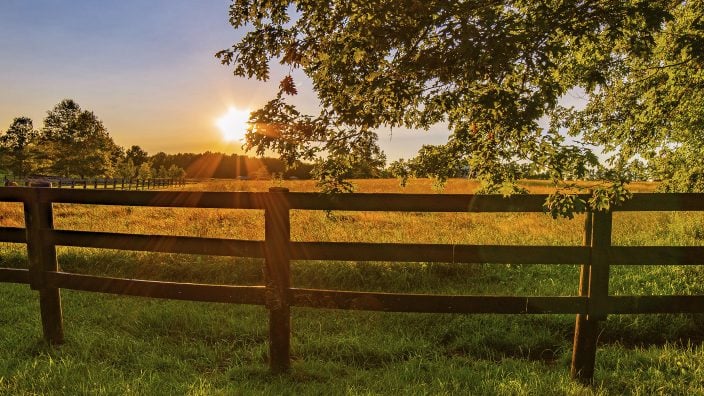
Not every child will grow up on a farm, but every child deserves some version of the freedom my grandparents’ farm gave me — the freedom to be curious, learn by doing and grow at their own pace.
Read More

Canning and freezing are the most common ways to preserve garden vegetables, but it’s important to follow the correct steps to preserve quality and taste, and to promote food safety.
Read More
This past month has been filled with so many wonderful opportunities to share our love and passion for farming, and to give consumers a small glimpse into what it takes to raise and care for crops and animals.
Read More
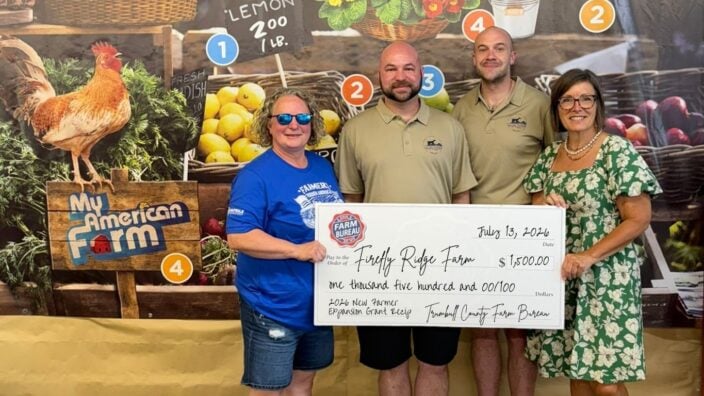
The $1,500 grant is awarded annually to support the growth and development of beginning farmers who are committed to advancing Ohio agriculture.
Read More
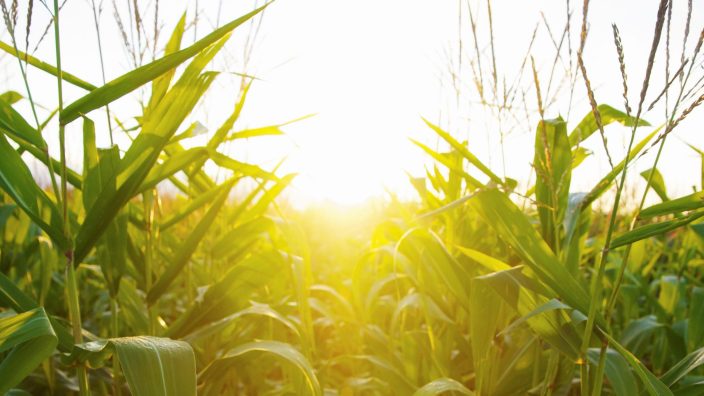
As a general rule of thumb, an inch of rain each week during the summer is needed for most plants.
Read More
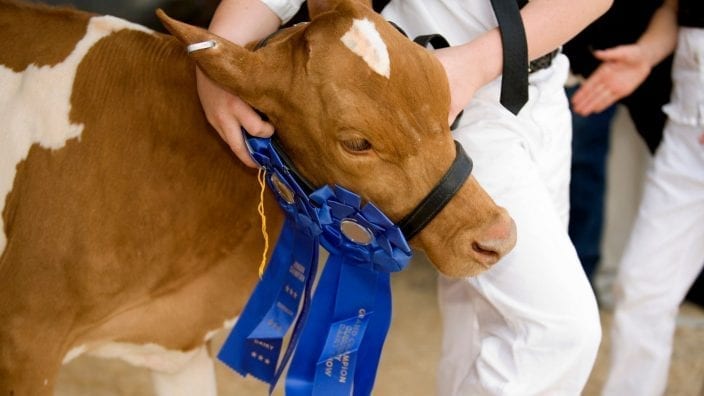
I hope you have plans to go to the fair as well. Continuing to learn is important, no matter your age. So, bring your questions and let’s have a conversation.
Read More