






Understanding your cattle brings benefits
Knowing how a certain cow acts or responds can often indicate something about her health and well-being as well.
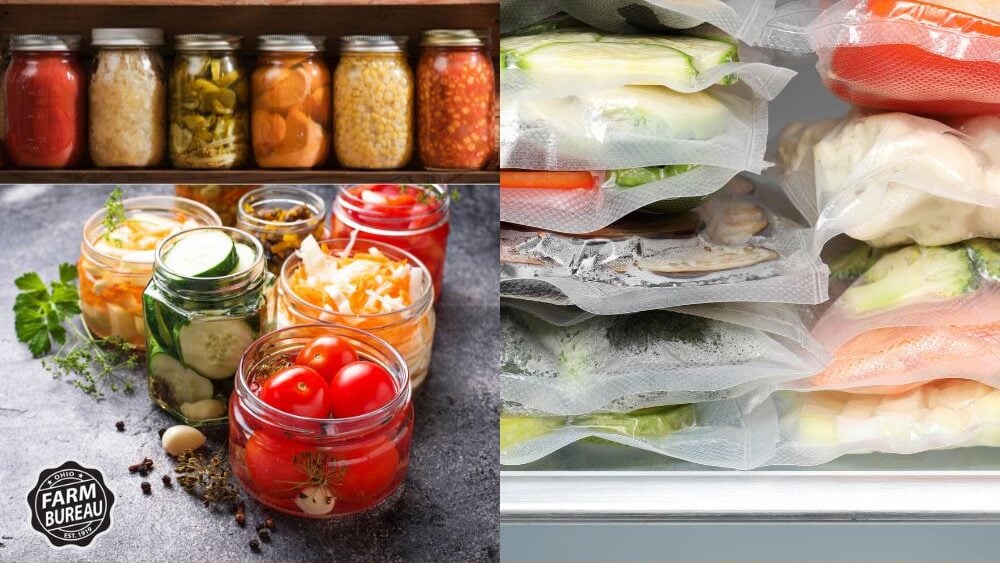
Read MoreCanning and freezing are the most common ways to preserve garden vegetables, but it's important to follow the correct steps to preserve quality and taste, and to promote food safety.
Hello, Everyone!
The fruits of your gardening labor are starting to arrive, and you may be overwhelmed with the amount of produce. You can only eat so much salad until you start regretting your life choices. If your neighbor has asked you to stop stockpiling zucchini on their front porch, it’s time to find another way to preserve your harvest.
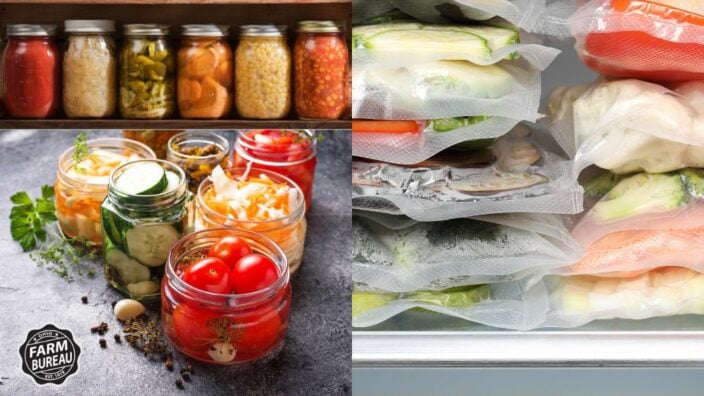
Canning and freezing are the most common ways to preserve garden vegetables, but it’s important to follow the correct steps to preserve quality and taste, and to promote food safety, which is on the top of everyone’s mind this year with the Cyclospora outbreak.
Below are a few tips for food preservation. You can find more information on food safety at producesafety.osu.edu.
Freezing vegetables can be the most economical option for food preservation because it does not use dedicated, and expensive, equipment. As long as you have a freezer and plastic bags you can preserve your harvest. Most vegetables grown in a home garden can be frozen for long-term storage, but you should avoid radishes, lettuce, potatoes and leafy greens unless you want to prepare them further. Once thawed after freezing, the texture and smell may become unpleasant. Cucumbers and cabbage also don’t freeze well, but you can prepare a “freezer slaw” that alters the texture.
Dunking vegetables in boiling water, called blanching, is necessary prior to freezing. Blanching stops enzyme activity in the vegetables, preserving taste, color and texture once frozen. It also promotes food safety as the hot water can kill microorganisms and remove dirt. The most common blanching method is on the stovetop using one gallon of water for every pound of vegetables. Once the water is at a rolling boil, place the vegetables in the water and then wait for the water to return to a boil.
Not all vegetables require the same time for blanching. You can find water blanching times for each vegetable by visiting Freezing Vegetables.
Once blanched, the vegetables should be cooled quickly by dunking them in clean, cold water that is less than 60F. Once cooled, you can place your vegetables into your freezing container. Be sure to monitor your freezer frequently, especially if it is located in a garage or other building. In the event of a power outage, keep the freezer closed and in the event of extended power outages a generator or dry ice may be necessary to keep the food frozen.
Canning is another popular food preservation method. The advantage of canning is that you can store most foods without refrigeration once properly preserved. Unfortunately, canning also comes with increased food safety concerns if correct practices are not followed. You can find more information on Canning Basics.
Canning can be accomplished with a boiling water bath, or with a pressure canner. If you are using a pressure canner with a gauge, make sure it has been tested to verify the accuracy. It is recommended to test your pressure gauge annually. Many OSU Extension offices offer gauge testing, and it is available in Trumbull County by appointment.
If you have any questions about food preservation, give us a call at OSU Extension at 330-638-6783. Our Family and Consumer Sciences Educator, Marie Economos, is an expert with food safety and preservation. She would be happy to help you preserve your harvest.
Stay safe!
Submitted by Lee Beers, the extension educator of agriculture and natural resources at the Ohio State University Extension-Trumbull County. He can be reached by email.


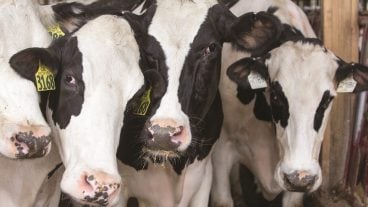

Knowing how a certain cow acts or responds can often indicate something about her health and well-being as well.
Read More
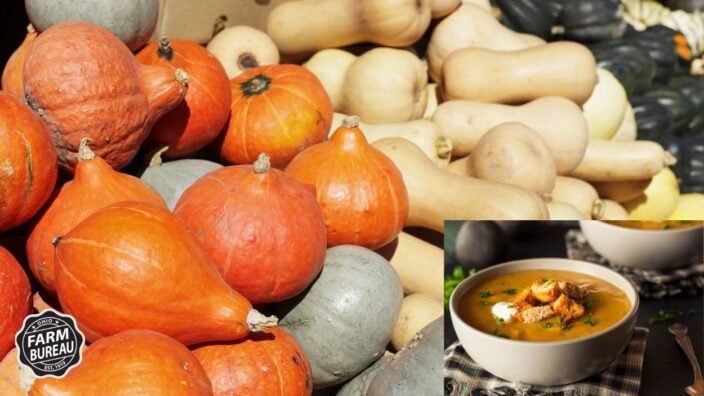
This fall, as you’re picking up a pumpkin spice latte or an apple cider doughnut, don’t forget to bring home a squash.
Read More

Preparation may not be as exciting as purchasing new equipment, but when an emergency occurs, it can be one of the best investments you ever make.
Read More

The Grange was a place to meet with and get to know your neighbors in a safe, family-friendly atmosphere.
Read More

Bill Patterson of Chesterland is serving on the 2026 Ohio Farm Bureau Federation Policy Development Committee.
Read More

Marsha Stanhope of Kinsman is serving on the 2026 Ohio Farm Bureau Federation Policy Development Committee.
Read More
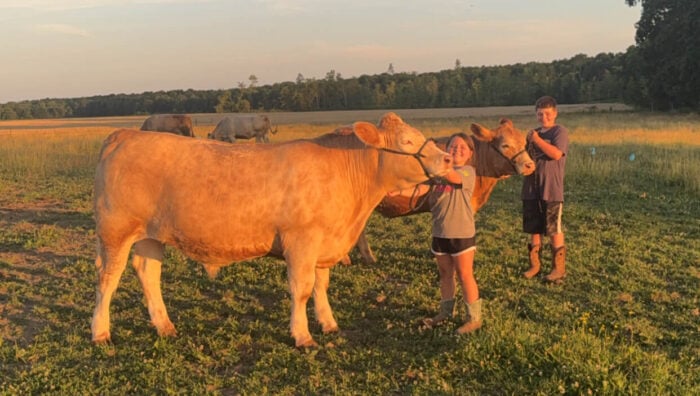
While we may walk into those barns thinking we’re raising livestock for the county fair, somewhere along the way we’re raising kids, too.
Read More
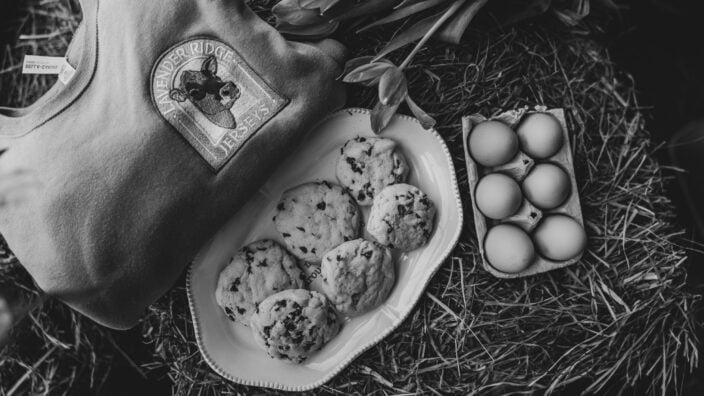
Who knew that what started as having to come up with a prefix for my first homebred Jersey would grow into such a brand and new business ventures for me.
Read More
Not every child will grow up on a farm, but every child deserves some version of the freedom my grandparents’ farm gave me — the freedom to be curious, learn by doing and grow at their own pace.
Read More
Canning and freezing are the most common ways to preserve garden vegetables, but it’s important to follow the correct steps to preserve quality and taste, and to promote food safety.
Read More