

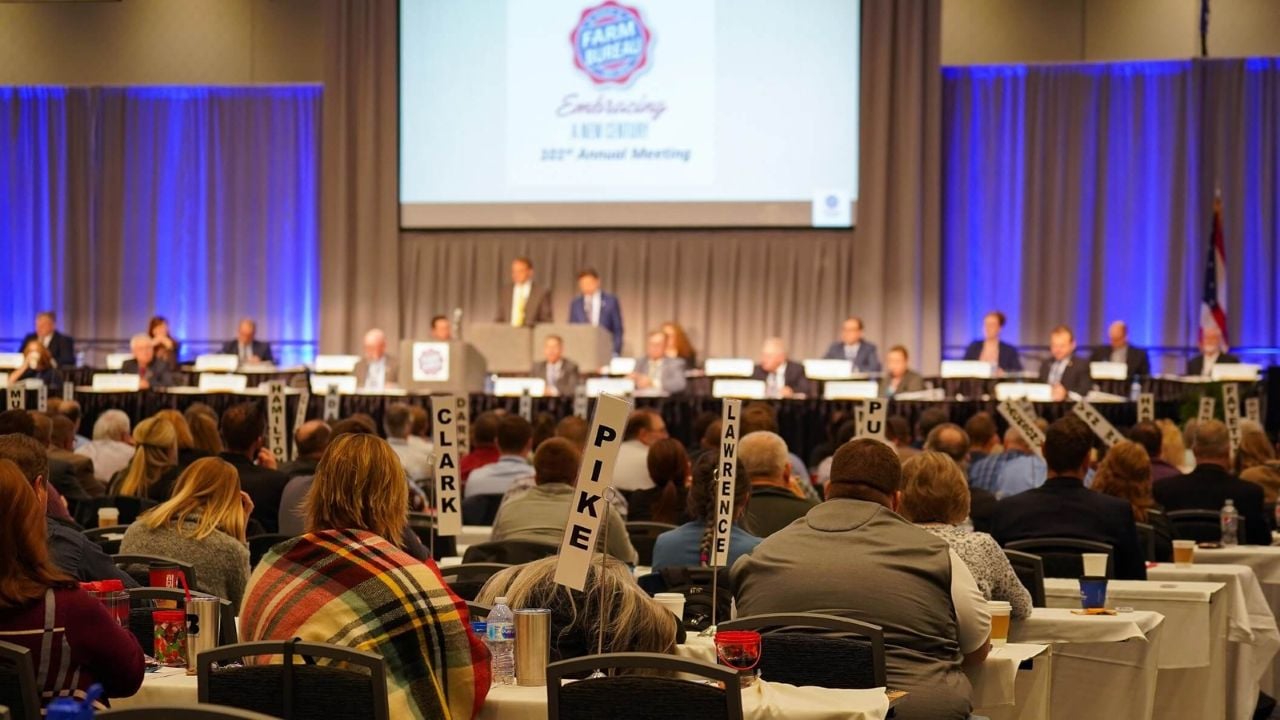
Patterson serving on 2026 OFBF Policy Development Committee
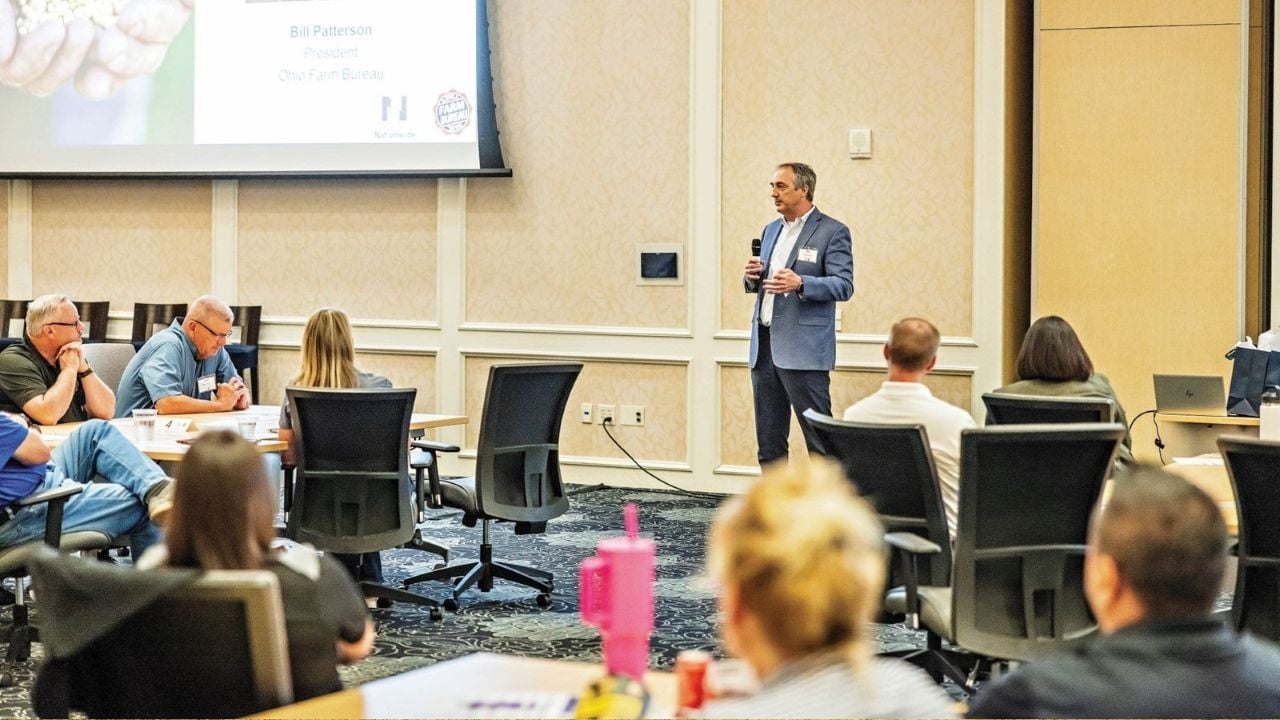
Bill Patterson of Chesterland is serving on the 2026 Ohio Farm Bureau Federation Policy Development Committee.
Read MoreWeeds — we all hate them but there are some we should hate more than others. Over the past several years, poison hemlock (Conium Maculatum), wild parsnip (Pastinacasativa) and cressleaf groundsel (Senecio Glabellus) have been an increasing presence in roadside ditches, pastures and hayfields. All of these plants are poisonous to cattle or livestock if they are ingested, even in small quantities.
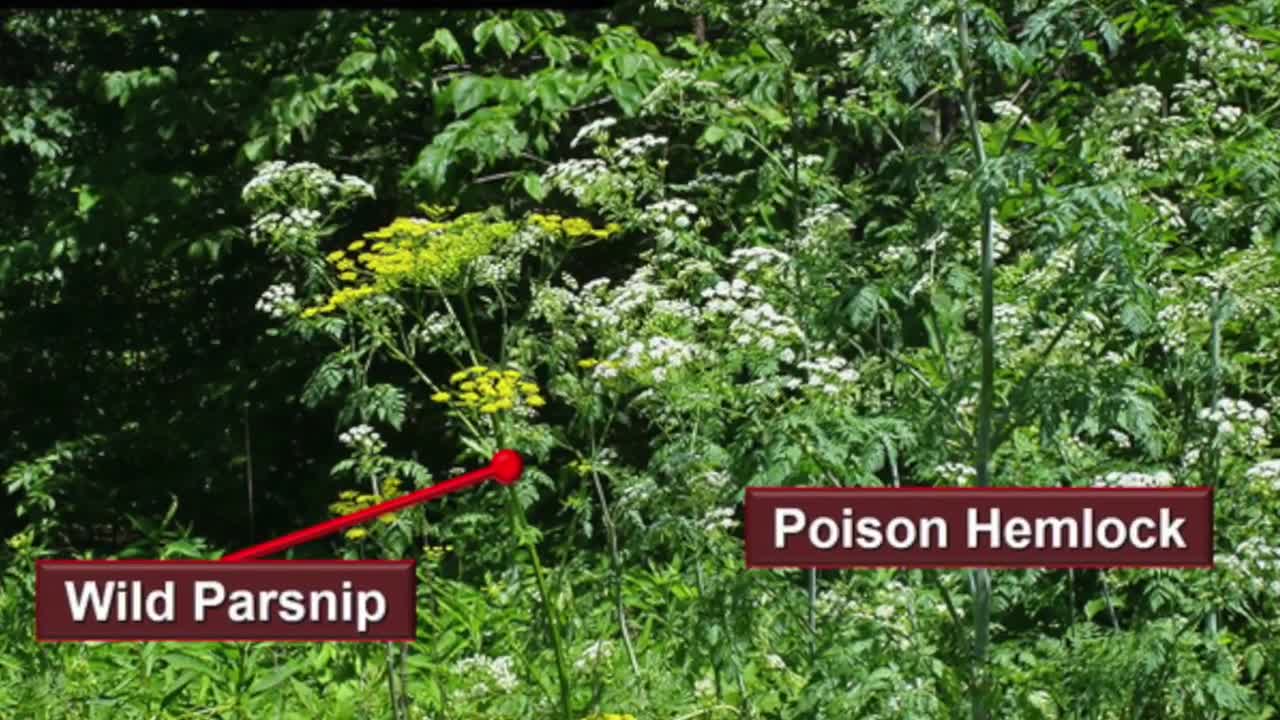
Poison hemlock and wild parsnip are in the Apiaceae Plant Family, which also contains Queen Anne’s lace, and poison hemlock is sometimes confused for Queen Anne’s lace to casual observers as they both have lacy white flowers. Poison hemlock grows to be quite tall, up to 8 feet in height and is distinguished by purple blotches on the stem. Cattle that consume as little as 300 grams of this plant may die within a few hours, so take care to scout your pastures and hayfields. Fermentation in silage does not remove the toxic compounds produced by the plant so the only way to safely deal with the weed is to remove it mechanically or with chemicals. Glyphosate and 2,4D are both very effective at killing poison hemlock. You can read more about poison hemlock.
Wild parsnip looks similar to poison hemlock from a distance but has a yellow flower. Sap from wild parsnip will burn your skin when exposed to sunlight and may result in severe blistering of the skin. Be sure to wear gloves, pants and a long-sleeved shirt if you are pulling weeds where you know wild parsnip is growing. Grazing livestock are not immune to the toxicity of the sap and it should be removed from pastures and hay fields. Glyphosate works very well at eradicating wild parsnip if you choose the chemical route. More information about wild parsnip can be found here.
Cressleaf groundsel was a major problem for a good portion of Ohio’s grazing lands in 2016 as perfect growing conditions allowed it to become established early in the growing season before effective control measures could be utilized. This is another highly toxic weed when ingested by livestock but has less lethal effects than poison hemlock. Cattle that eat this plant may get swollen jaws, scaly noses, rough coats and may become sensitive to light. Horses that eat this plant develop what is known as the “sleepy staggers” as they become sleepy and may bump into objects including fences. You can identify this plant by its purple rosette, yellow flowers and what I consider to be a rhubarb colored stem that is purplish green. 2,4D works well for removing cressleaf groundsel from pastures and hayfields but you will lose any legumes if you spray the whole field. You can read more about it here.
Questions? Call the OSU Trumbull County Extension Office at 330-638-6783 or visit trumbull.osu.edu. Don’t forget to check out and “Like” our Facebook page for current programs and up-to-date information.
Written by Lee Beers, OSU Extension Educator. He can be reached at [email protected].




Bill Patterson of Chesterland is serving on the 2026 Ohio Farm Bureau Federation Policy Development Committee.
Read More
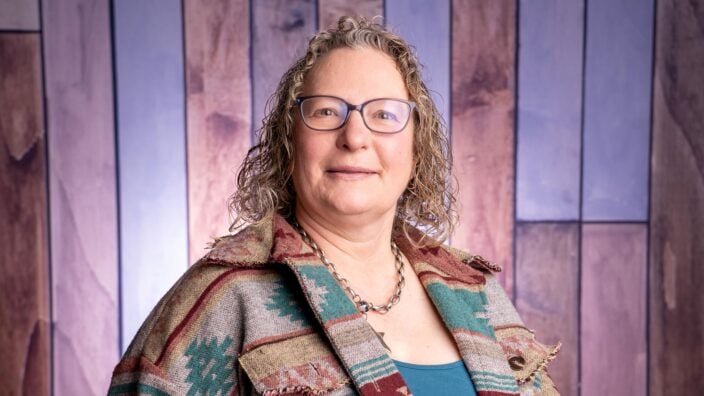
Marsha Stanhope of Kinsman is serving on the 2026 Ohio Farm Bureau Federation Policy Development Committee.
Read More
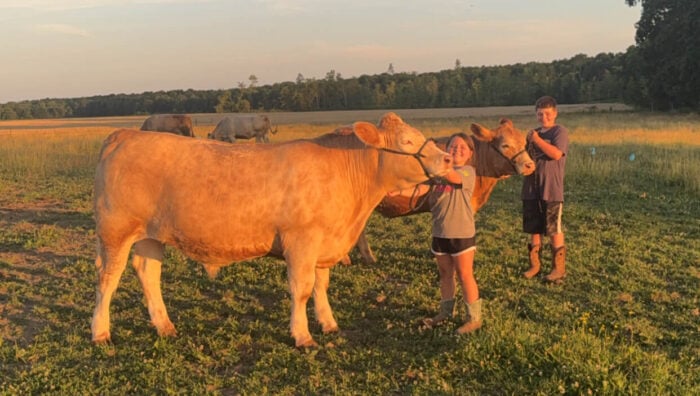
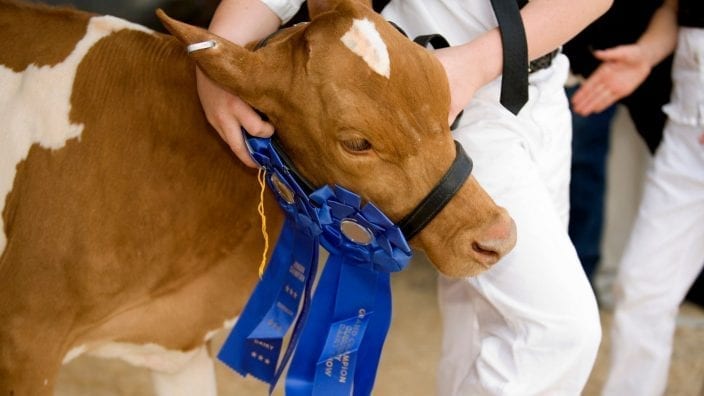
While we may walk into those barns thinking we’re raising livestock for the county fair, somewhere along the way we’re raising kids, too.
Read More
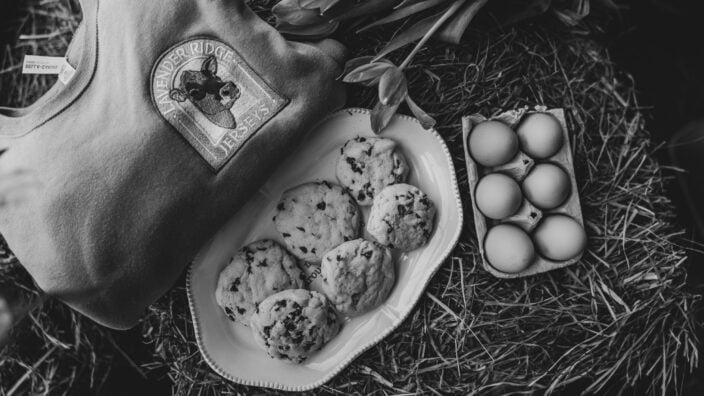
Who knew that what started as having to come up with a prefix for my first homebred Jersey would grow into such a brand and new business ventures for me.
Read More
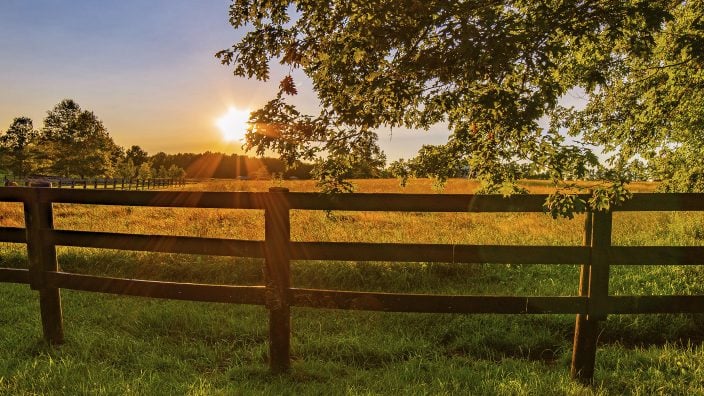
Not every child will grow up on a farm, but every child deserves some version of the freedom my grandparents’ farm gave me — the freedom to be curious, learn by doing and grow at their own pace.
Read More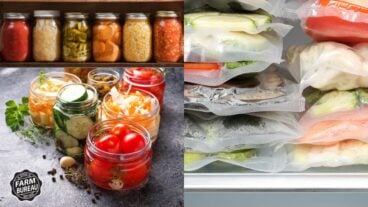
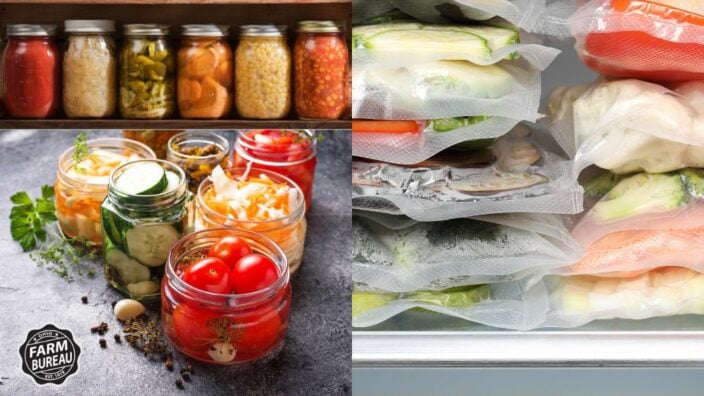
Canning and freezing are the most common ways to preserve garden vegetables, but it’s important to follow the correct steps to preserve quality and taste, and to promote food safety.
Read More
This past month has been filled with so many wonderful opportunities to share our love and passion for farming, and to give consumers a small glimpse into what it takes to raise and care for crops and animals.
Read More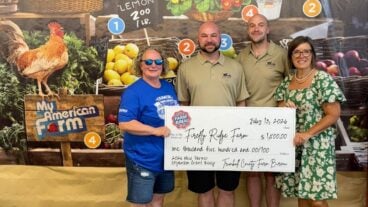
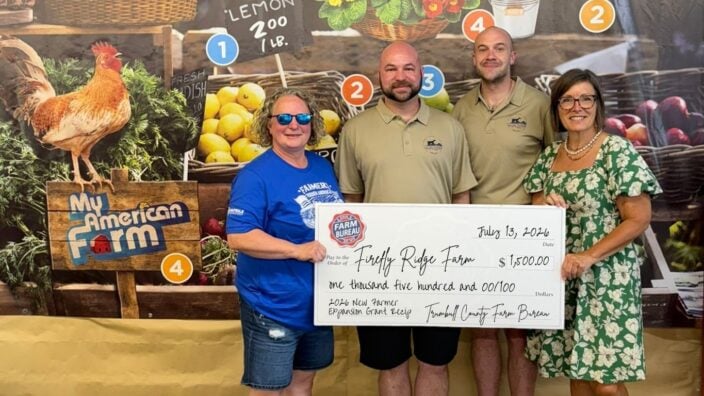
The $1,500 grant is awarded annually to support the growth and development of beginning farmers who are committed to advancing Ohio agriculture.
Read More
As a general rule of thumb, an inch of rain each week during the summer is needed for most plants.
Read More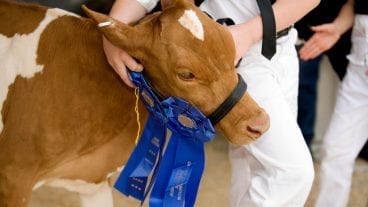
I hope you have plans to go to the fair as well. Continuing to learn is important, no matter your age. So, bring your questions and let’s have a conversation.
Read More