




Applications for Ohio Farm Bureau Health Plans now available
Members have three ways to apply: contacting a certified agent, calling 833-468-4280 or visiting ohiofarmbureauhealthplans.org.
Read MoreAccording to U.S. census data, the average age of a farmer is 57. While few are planning to retire at that time, farmers should begin thinking about how they would like to live in retirement and how that can be achieved.
Financial planning can be intimidating, so here are some things to consider as you begin to think about the retirement in your future and what that means to your farm.
Knowing how much money is enough. Considering the rising cost of living, increased health care costs and possible decreases in Social Security benefits, farmers can see a lower standard of living in retirement. Realistic and effective financial planning can help solve these issues and lead to a more secure lifestyle in retirement and peace of mind. Keep these principles in mind: spend less than you make, budget to save at least 10 percent of your net income, manage credit wisely, pay yourself first and avoid procrastination.
Plans and portfolio. One of the best and most efficient ways of acquiring wealth is to take advantage of retirement plans established under IRS regulations for the self-employed. They include IRAs, Keogh Plans and Simplified Employee Pensions (SEPs). Beyond a single plan, consider creating a diverse portfolio of investment assets. The key is to start early and invest continuously at a level of risk that is appropriate to your situation.
Land and equipment. Determine your plan for your land and equipment. Farmers may want to sell these assets in order to generate income or they may go to the next generation of owner/operator. Each option has many considerations including taxes and more planning in the form of business succession planning.
Renting or selling out. If you consider renting your land and operation you should create a plan to transition from an operating farm or ranch to an income-producing investment. This also comes with additional considerations like determining how much rental income will be needed to fund retirement and estate planning for the extended future of your business and assets. When selling, the best way to determine the farm or ranch’s value may be to get an appraisal based on the amount of acreage, the value of machinery or equipment in the operation and the crop or livestock the farm is able to send to market. The appraiser might help pinpoint problems that could negatively affect the property’s value and may suggest changes to improve the operation and its overall value. Be sure to keep your files in good order, such as tax returns, licenses, permits and employee records.
Lastly, it’s important to enlist the help of qualified professionals who don’t have a stake in final decisions. Qualified professionals may include your banker, your accountant, your personal attorney or a financial or estate planner. If you would like to help in finding a qualified professional to speak with, contact the
Nationwide Land As Your Legacy team at [email protected] or toll-free at 855-529-2729.


Members have three ways to apply: contacting a certified agent, calling 833-468-4280 or visiting ohiofarmbureauhealthplans.org.
Read More
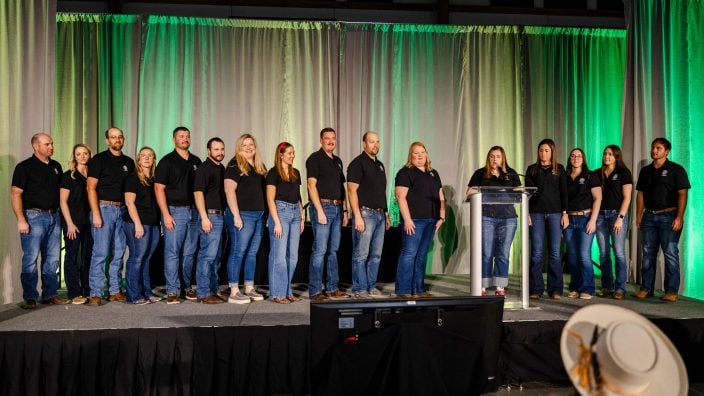
Members ages 18-34 who are interested in developing their leadership skills and enhancing programming for their peers should apply.
Read More

Senate Bill 328 is legislation designed to strengthen career-connected learning and better prepare students for Ohio’s workforce needs.
Read More

With the Family Forest Carbon Program, you can have a successful farm and get paid to grow healthy forests.
Read More
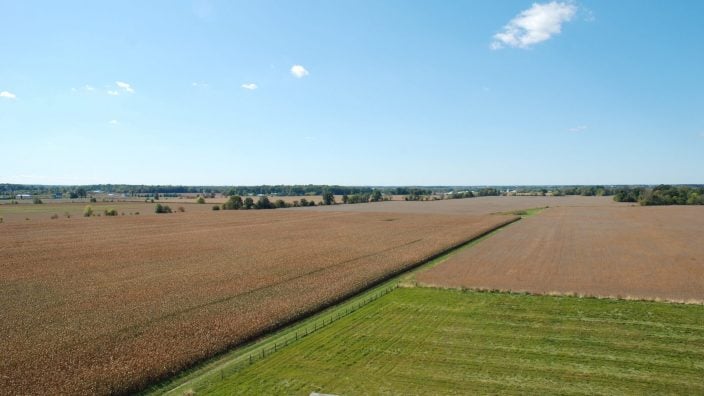
Ohio Farm Bureau recently sent a letter to Congress calling for the swift passage of the Farm, Food, and National Security Act of 2026 (HR 7567).
Read More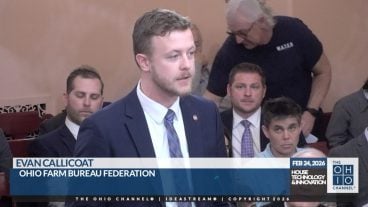
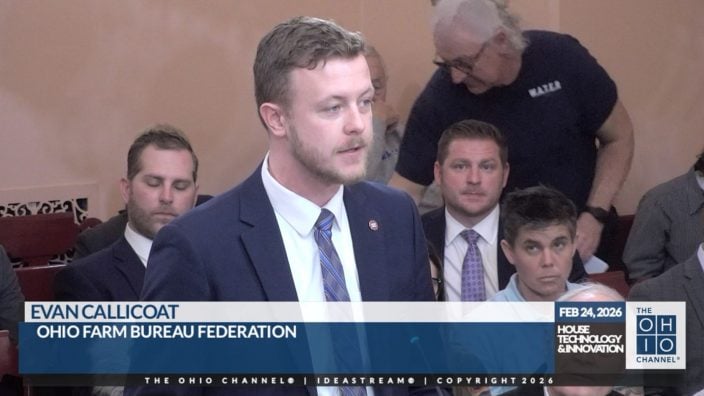
House Bill 646 would establish a Data Center Study Commission to examine the impact of rapid data center development across the state.
Read More
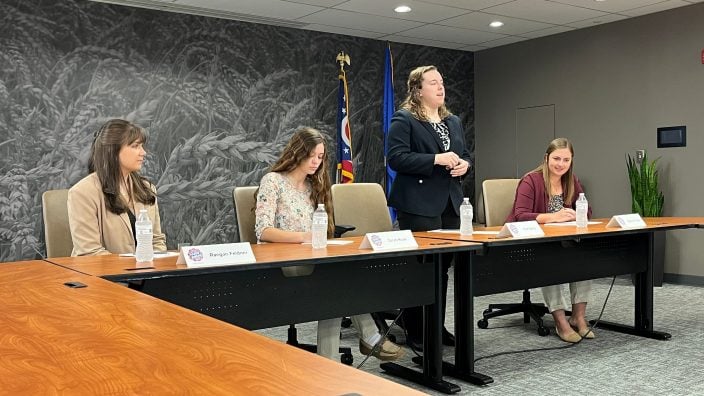
Collegiate Farm Bureau serves as a connection to current industry professionals and equips the next generation with the essential tools and resources needed to excel in their careers.
Read More

Ohio Farm Bureau members met one-on-one with state legislators and staff to discuss policy priorities impacting Ohio’s farms and rural communities.
Read More

Legacy nutrient deductions enable new farmland owners to claim deductions on the nutrients within the soil on which healthy crops depend.
Read More
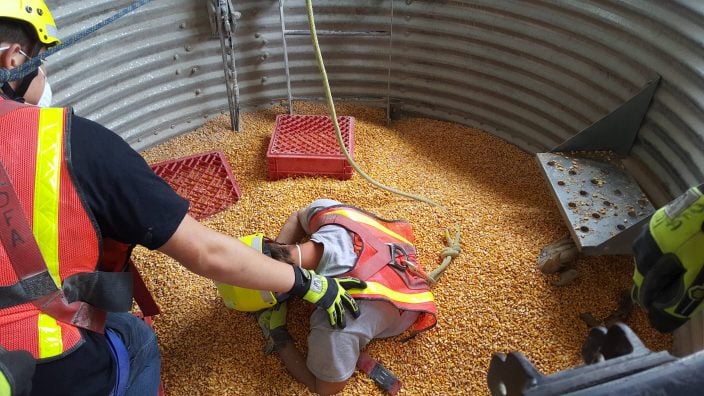
Farmers, agribusinesses and community members are encouraged to nominate their local fire departments for Nationwide’s Nominate Your Fire Department Contest through April 30.
Read More